
Antique Glass Paraffin Lamp
An antique glass paraffin lamp brings period warmth to a room, combining tactile nineteenth-century materials with functional design.
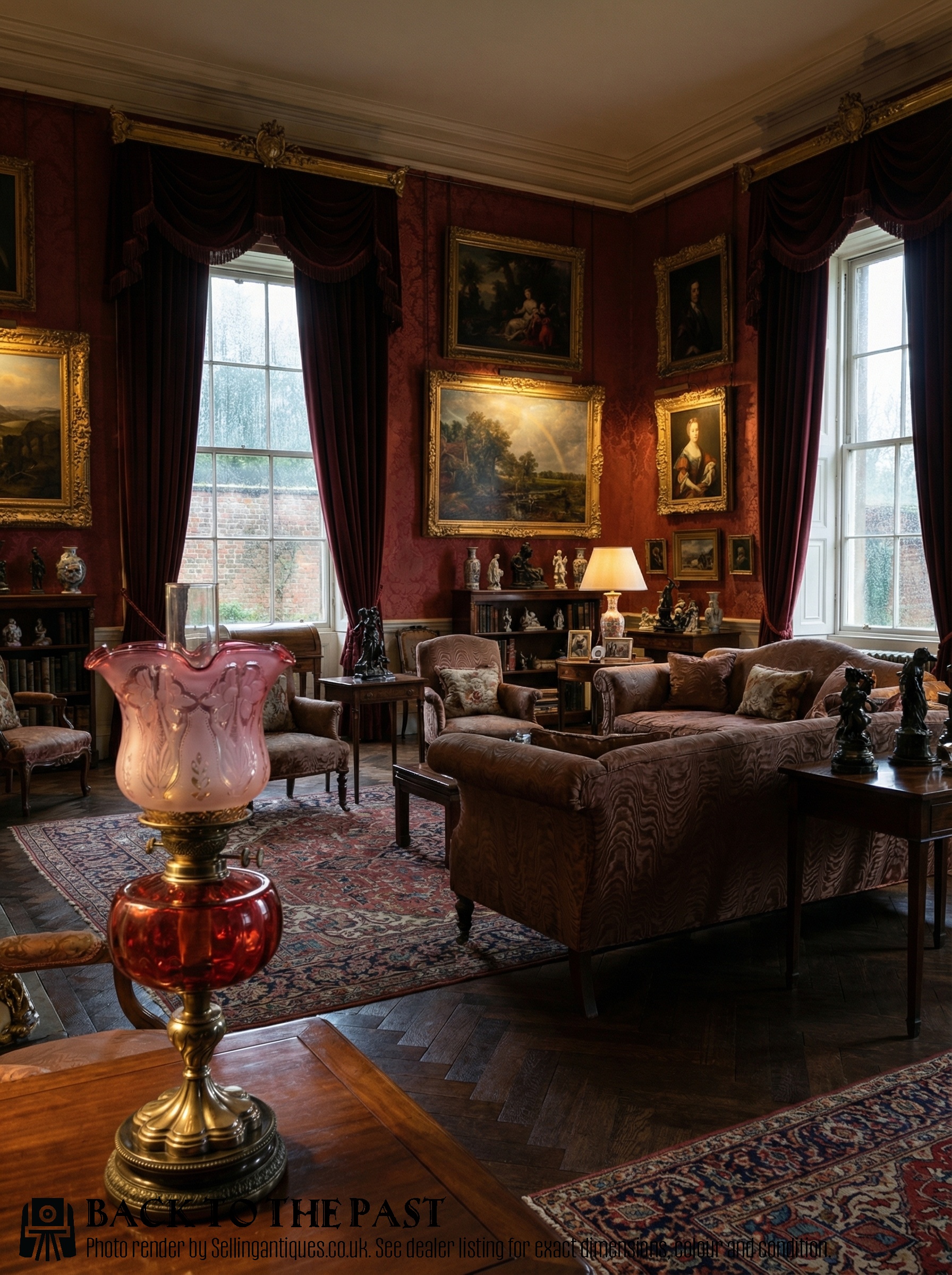
What an antique glass paraffin lamp is
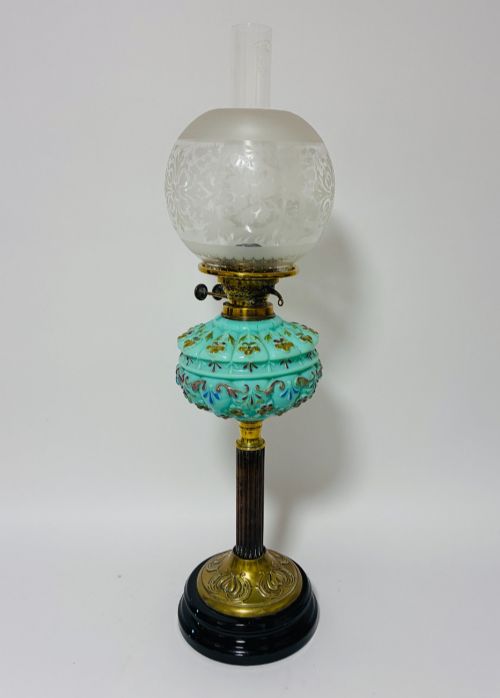
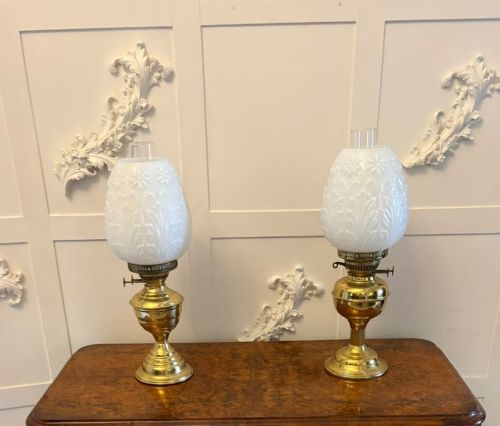
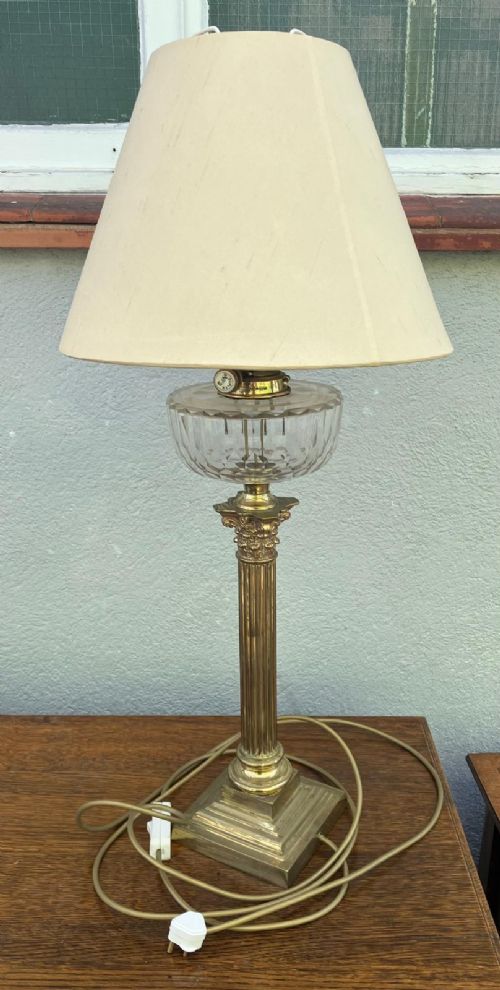
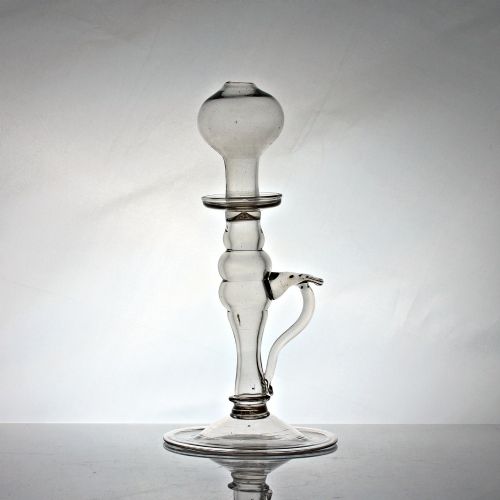
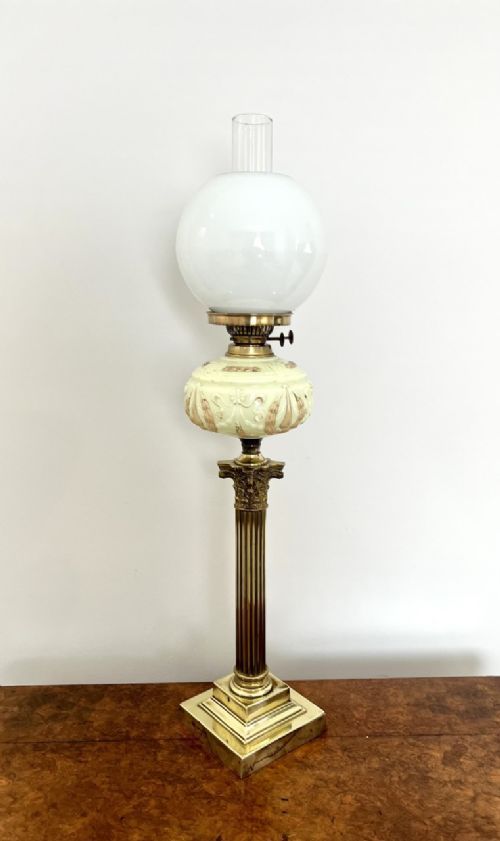
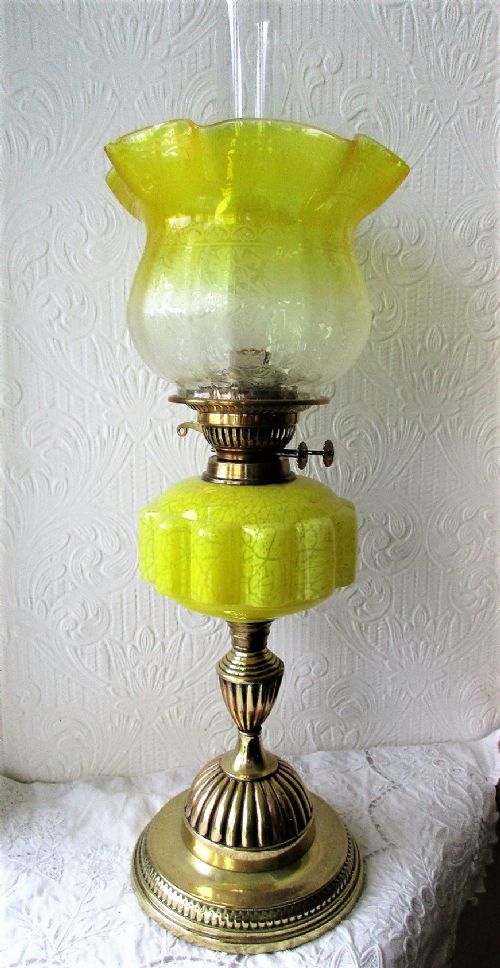
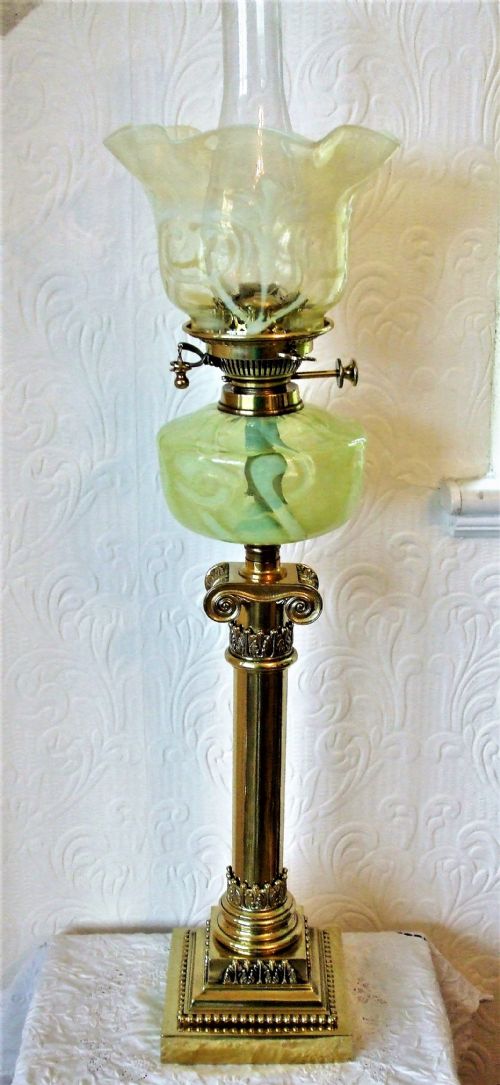
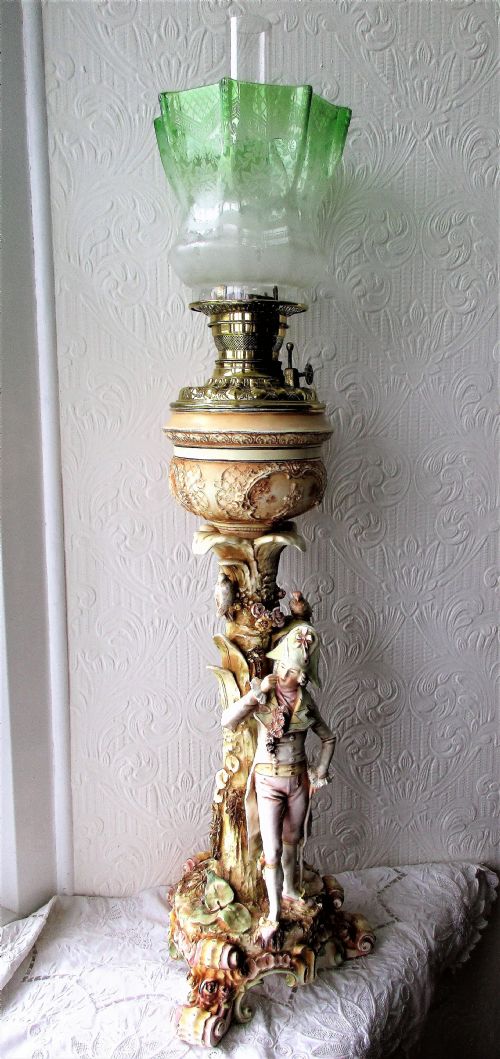
An antique glass paraffin lamp is a nineteenth-century lighting vessel designed to burn paraffin oil using a wick mechanism. These domestic objects survive from the Victorian and Edwardian eras, spanning periods such as 1870, 1880, and 1900. Collectors encounter various forms, including tall duplex designs and simpler table variants.
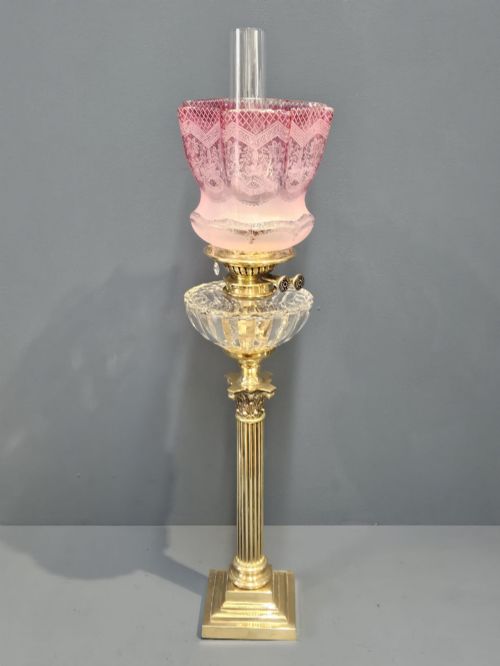
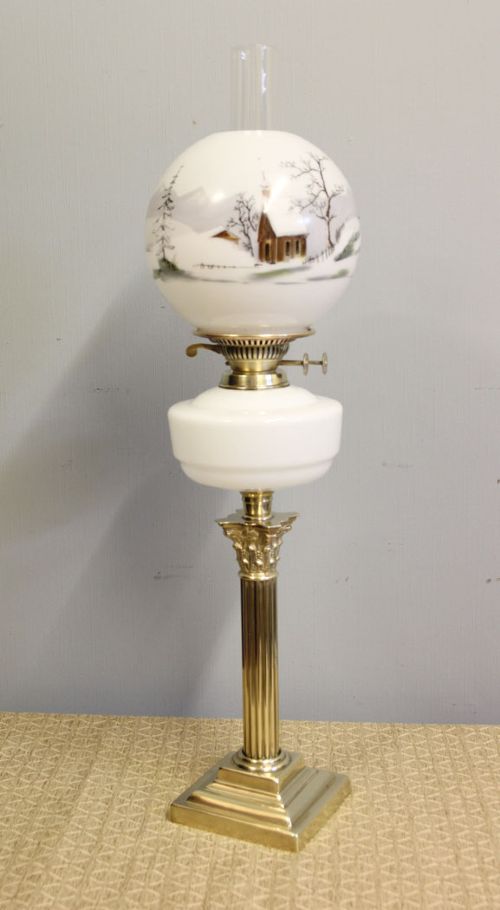
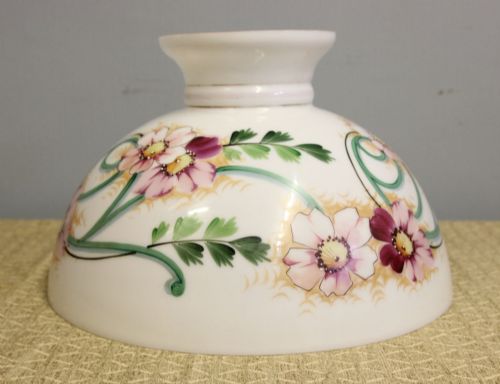
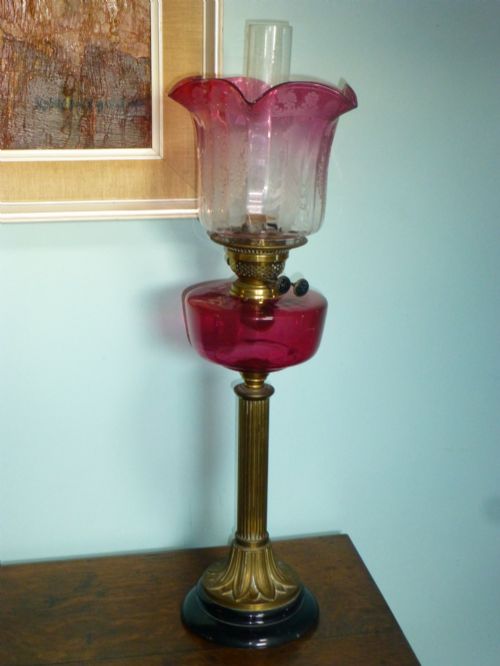
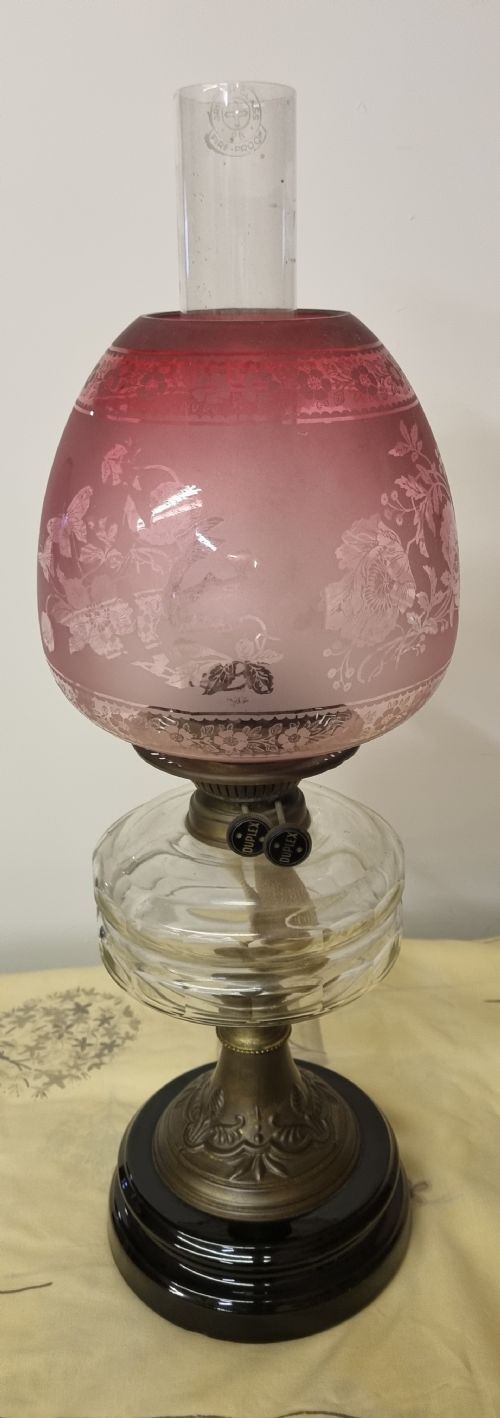
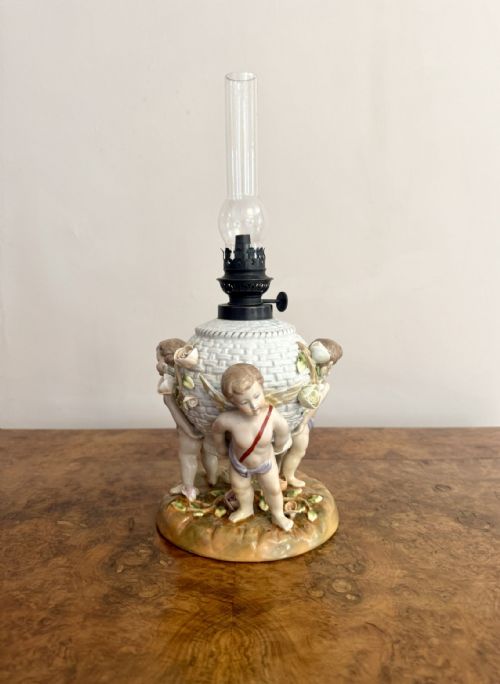
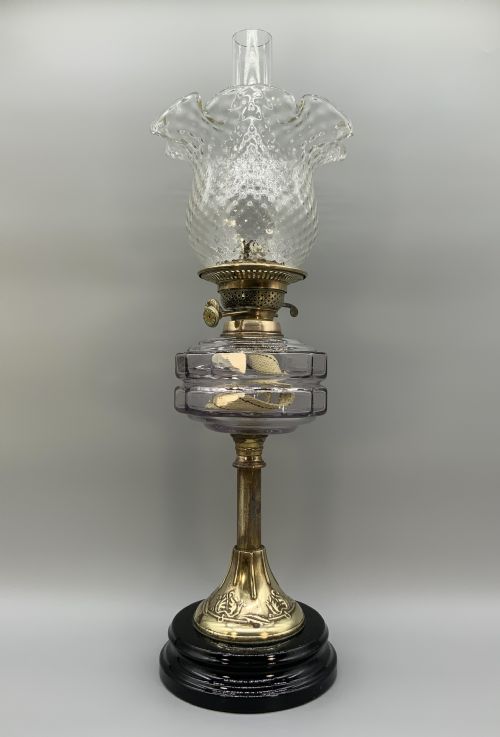
The primary forms on this page include oil lamps featuring glass bodies paired with brass and ceramic components. Many examples combine glass vessels with brass burners and ebonised bases to create a stable table fixture. Others incorporate opaque pink or cranberry glass shades and reservoirs.
Originating in domestic interiors before the widespread adoption of electricity, these lamps served practical illumination purposes. Today, buyers select them for their decorative presence and historical utility in period settings.
How they were made
Makers constructed these lamps using a combination of blown or pressed glass and worked metal. Brass components provide structural support and house the burner mechanisms at the top of the vessel.
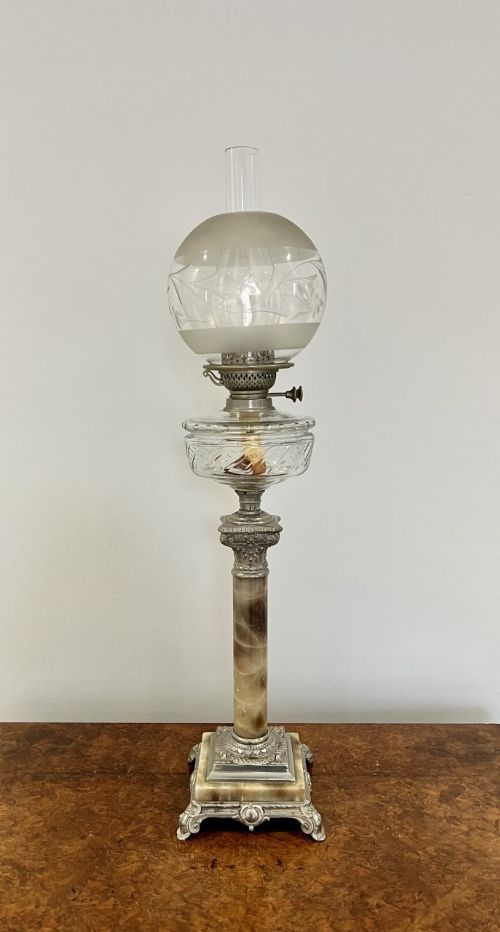
Materials span cranberry glass, milk glass, and pink opaque glass, often mounted upon ceramic, onyx, or ebonised wood bases. Metalwork involves turned and cast brass, which holds the glass fonts securely.
Retail Price Guide 2026
Typical UK retail prices for glass paraffin lamp, calculated from the Sellingantiques database of over a million retail prices indexed since 2003. This retail price guide relies exclusively on Sellingantiques data; no external sources or auction records are used, so the figures do not describe the wider market.
Some nineteenth-century homeowners insisted on matching their lamp fonts to the parlour curtains.
What varies in quality
Quality rests in the complexity of the glasswork and the integration of diverse materials like onyx and ebonised ceramic. Finer examples combine double burner mechanisms with matching cranberry glass shades rather than plain glass fonts.
The sophistication of the brass fittings and the depth of colour in the glass distinguish standard production from superior pieces. Proportion and height also determine the visual impact of the lamp within a room.
The Antique Glass Paraffin Lamp Glossary
- Duplex burner
- A double-wick mechanism designed to produce a brighter flame than single-wick variants. This fitting appears on taller nineteenth-century models.
- Font
- The oil reservoir of the lamp, typically formed from coloured or opaque glass. It sits above the base and below the burner.
- Cranberry glass
- Rich red-pink glass created by adding gold chloride to the molten batch. It is frequently seen in Victorian shades and vessels.
- Milk glass
- Opaque white glass popular in nineteenth-century lighting and tableware. It provides a dense, solid appearance distinct from clear glass.
Frequently Asked Questions
How do I use an antique paraffin lamp safely today?
These lamps function primarily as decorative objects in modern interiors. Connoisseurs generally display them unlit to preserve their historic glass and brass components.
Should you choose to burn paraffin, ensure the wick and burner mechanism are thoroughly cleaned and inspected by a specialist before use.
What is the difference between Victorian and Edwardian oil lamps?
Victorian examples often feature vibrant coloured glass such as cranberry or pink opaque vessels alongside heavy brass castings. They date from the nineteenth century when lighting technology developed rapidly.
Edwardian pieces, emerging around 1900, sometimes incorporate refined materials like onyx bases while retaining the functional brass burner architecture.
How do I clean the glass shade without damaging it?
Wash glass components gently using lukewarm water and a mild detergent. Avoid abrasive cloths that might scratch the surface.
Keep brass elements dry and separate from moisture during cleaning to protect the original metal finish.
Where should I place an oil lamp in my home?
Position these lamps on stable side tables or mantelpieces where their height and coloured glass can catch the light. Their substantial brass and ceramic bases provide natural stability on flat surfaces.
Keep them away from busy household traffic to protect delicate glass shades and chimneys.