
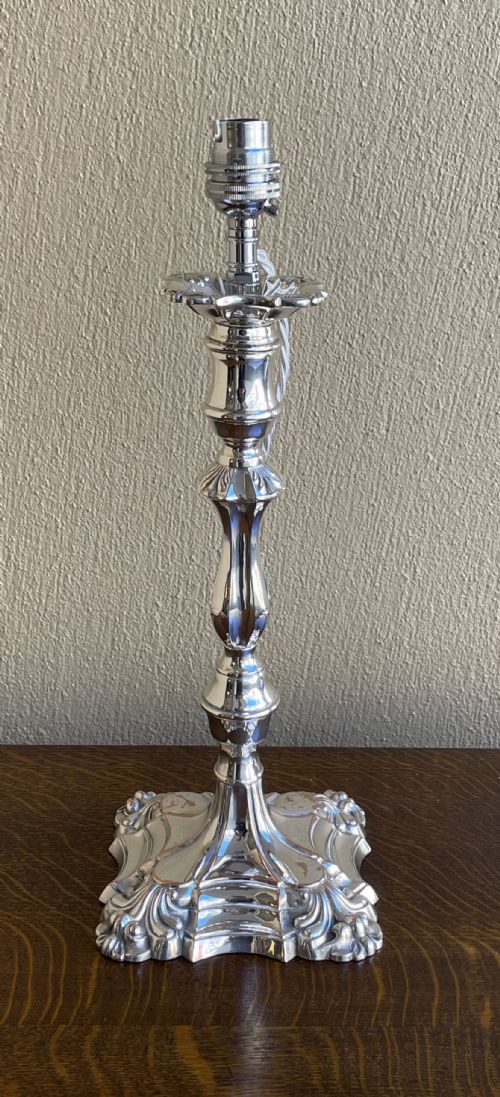
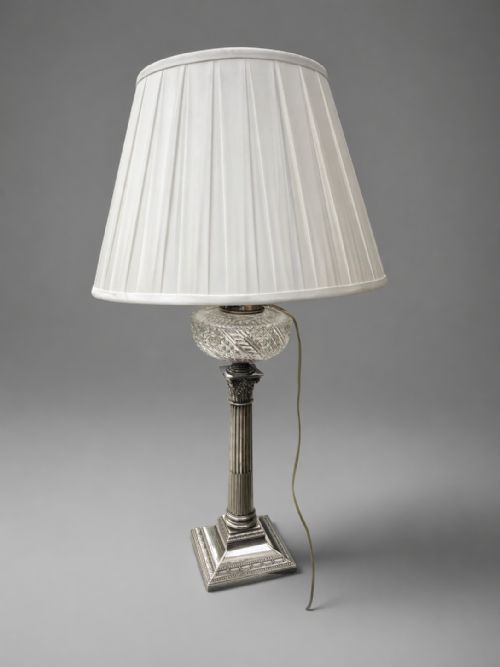


Silver Plated Bedside Lamp
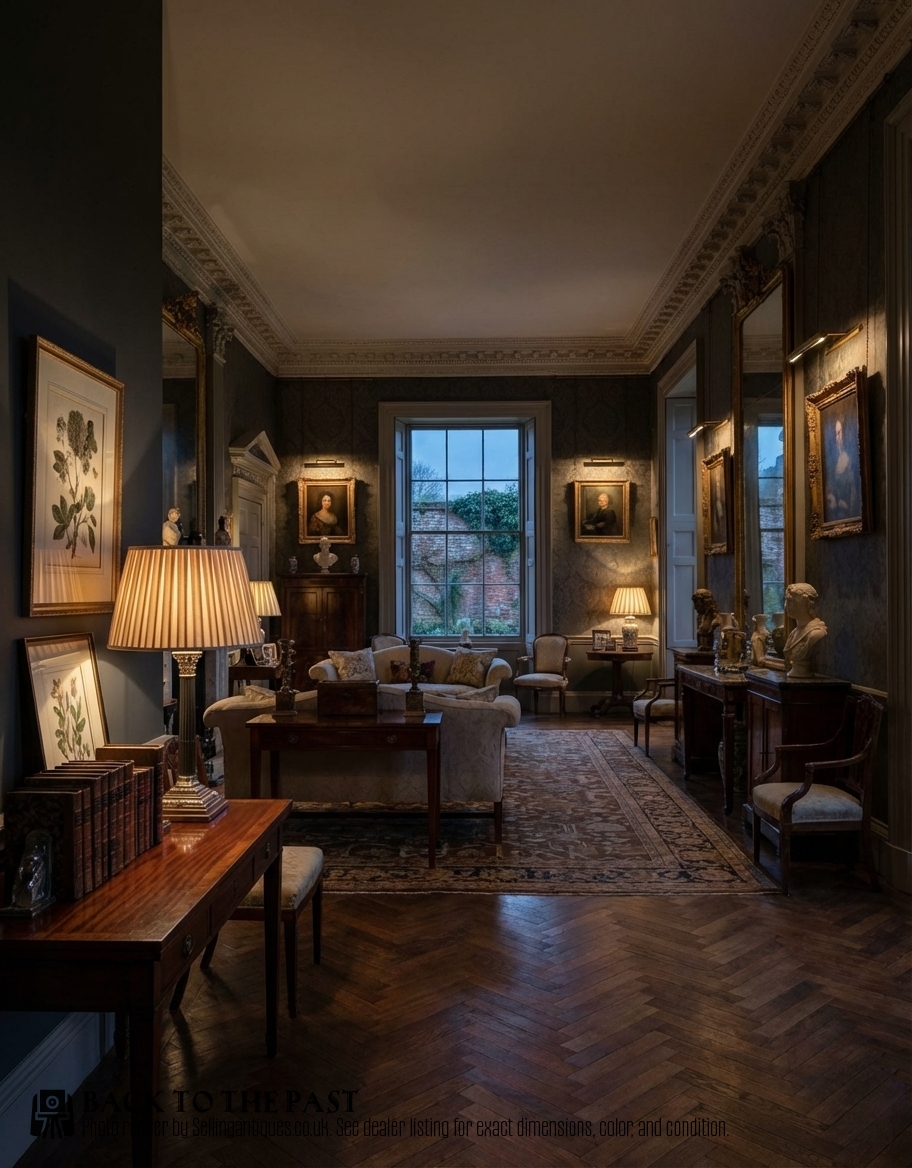
A silver plated bedside lamp brings period weight and soft metal gleam to a dark room.
Silver Plated Bedside Lamp
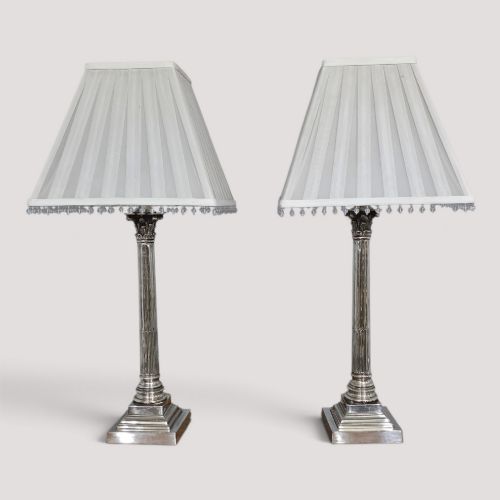
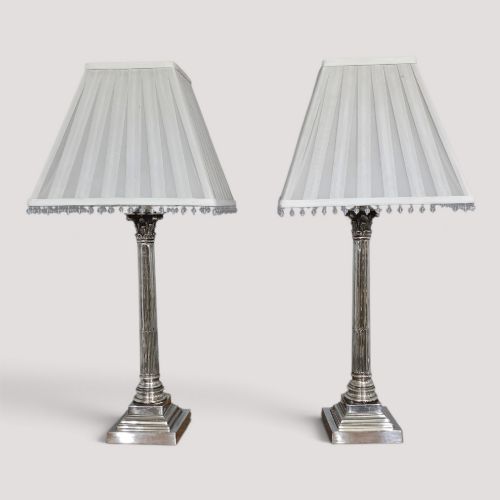
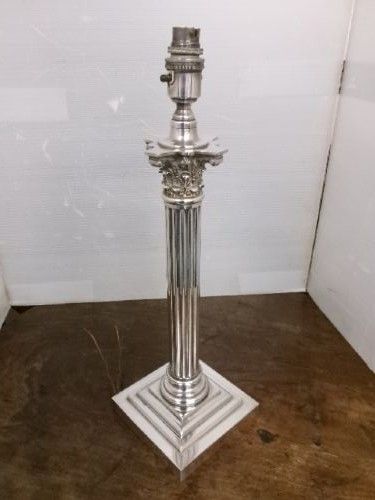
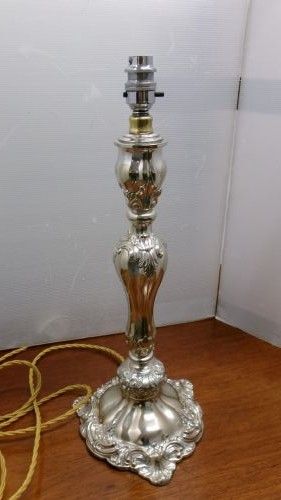
A silver plated bedside lamp is a small or medium table light finished in a reflective metal layer over a base body, designed to sit beside a bed. When buyers search for a silver plated bedside lamp, they often find robust architectural columns and classical Revival forms that bring traditional character to a bedroom.
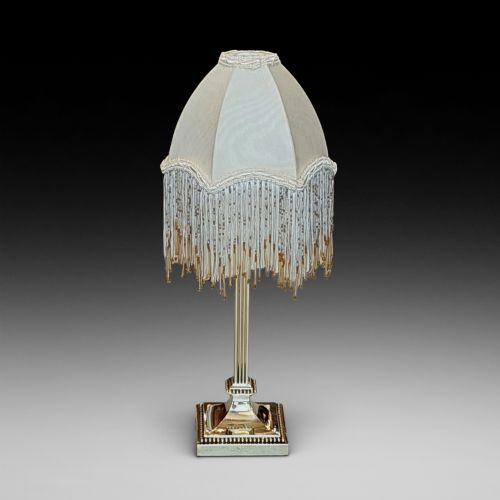
The pieces appearing here span the Victorian, Edwardian, and early twentieth-century periods, drawing on Neoclassical, Art Deco, and Georgian styles. Most examples rely on sturdy brass or base metal undercarriages plated with silver, EPNS, or nickel to achieve their polished surface.
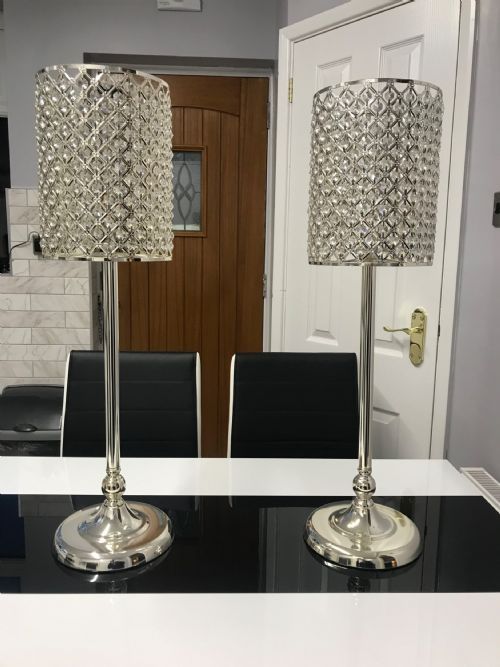
Makers and workshops of the nineteenth and twentieth centuries produced these lights in formats ranging from slender Corinthian columns to unusual palm tree designs and crystal glass combinations. Buyers will encounter single reading lights alongside matched pairs suited for symmetrical placement on twin bedside tables.
Materials and Construction
Manufacturers built these lights using a durable core of brass, metal, or glass, which was then coated in silver plate or electroplated nickel to provide a bright exterior. Many nineteenth-century examples utilise heavy cast components, such as lion's paw feet on column bases, to ensure stability on a nightstand.
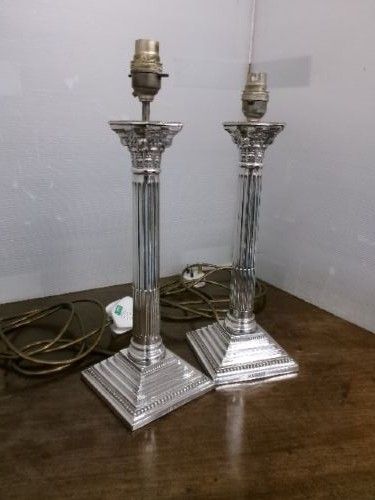
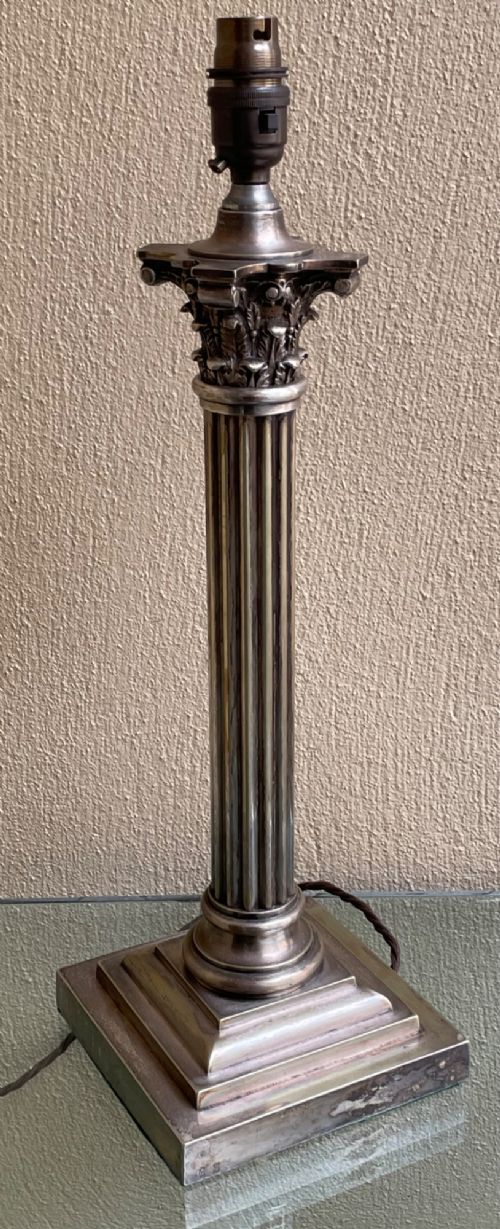
Surface decoration often involved stamped hallmarks, maker marks, or fine fluting along column shafts in the Neoclassical taste. Wiring and electrical components were frequently added or updated later to adapt original oil or gas fittings for modern bedside use.
Listings span the Victorian, Edwardian, and Art Deco periods, utilising brass, crystal glass, and electroplated nickel silver.
Judging Quality and Finish
Quality in these lighting pieces rests on the weight of the casting and the crispness of applied detail, such as the acanthus leaves on a Corinthian capital. Finer examples retain deep, even silver plating without thin patches where the underlying brass or base metal shows through from handling and cleaning.
The integrity of the original maker marks, such as stamps from established silversmiths, distinguishes workshop pieces from unmarked commercial production. Proportion and balance also determine the success of a piece, separating well-balanced columns from clumsily proportioned variants.
Harrison Brothers And Howson·Farraday And Son·Palmer And Co
The Silver Plated Bedside Lamp Glossary
- EPNS
- Electroplated nickel silver. This refers to a base metal alloy coated with a layer of pure silver through an electrical process.
- Corinthian column
- A classical architectural order featuring an ornate capital decorated with carved acanthus leaves. It is a dominant motif for nineteenth-century lighting bases.
- Neoclassical Revival
- A style drawing inspiration from classical Greek and Roman architecture. It appears frequently in Edwardian and Victorian metalwork through symmetry and formal proportion.
- Gimbal
- A pivoted ring ring system designed to keep an object level. Ship versions were built to steady a light against the motion of a vessel.
Silver Plated Bedside Lamp: Frequently Asked Questions
How do I wire an old lamp safely?
Most antique metal lights require rewiring to meet modern safety standards before regular use in a bedroom.
A qualified electrician can easily thread modern flex through the internal channel without altering the exterior metalwork.
How do I clean silver plate safely?
Use a soft cloth and a gentle, non-abrasive silver cleaner designed to preserve thin plated surfaces.
Avoid harsh dips that can strip the historic plating from the underlying brass or base metal.
Are these lights too tall for a bedside table?
Heights vary across the selection, with many compact designs suited specifically for smaller nightstands.
Checking the listed dimensions ensures the shade sits at a comfortable height for reading in bed.
How do I date a silver plated lamp?
Makers marks, registry stamps, and stylistic details like column fluting provide the clearest clues to age.
Victorian pieces often feature heavier castings, while Edwardian examples favour lighter Neoclassical Revival proportions.