
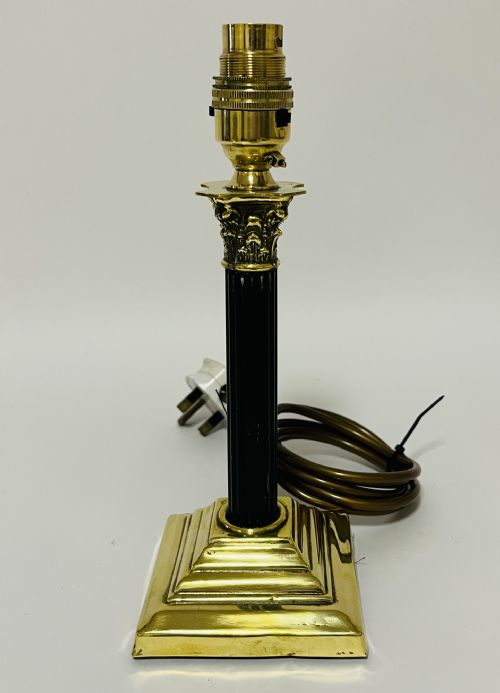


Corinthian Capital Lamp Base
These corinthian capital lamp base selections bring classical architectural grandeur indoors, offering structured vertical elegance that elevates a room.
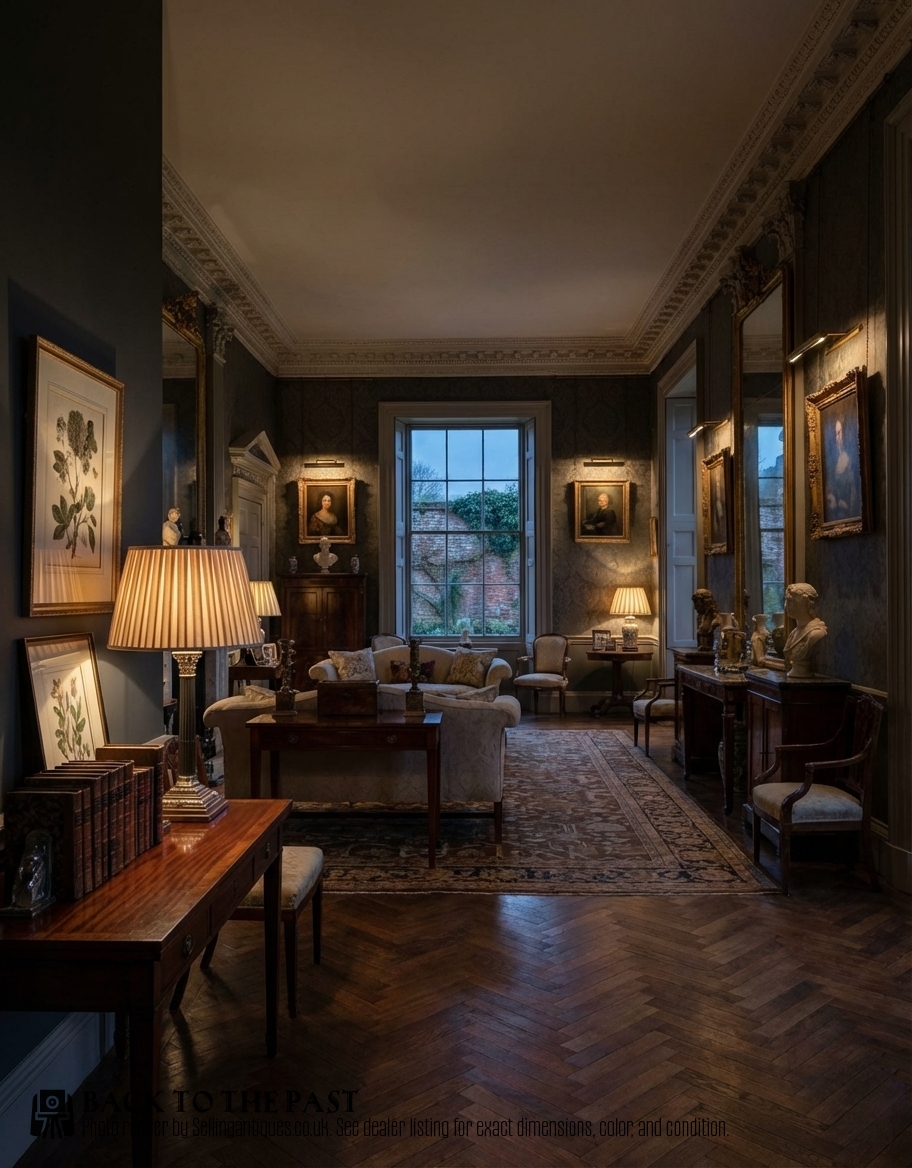
Corinthian Capital Lamp Base
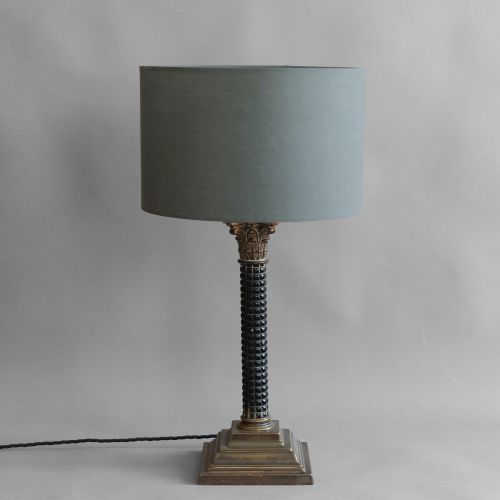
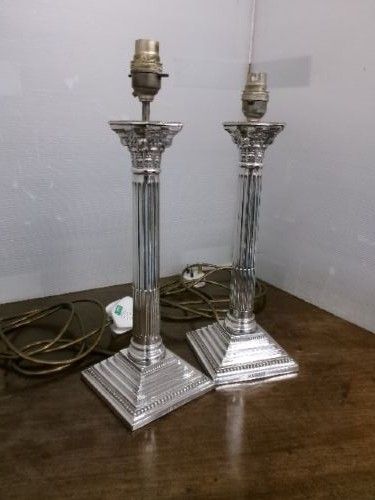
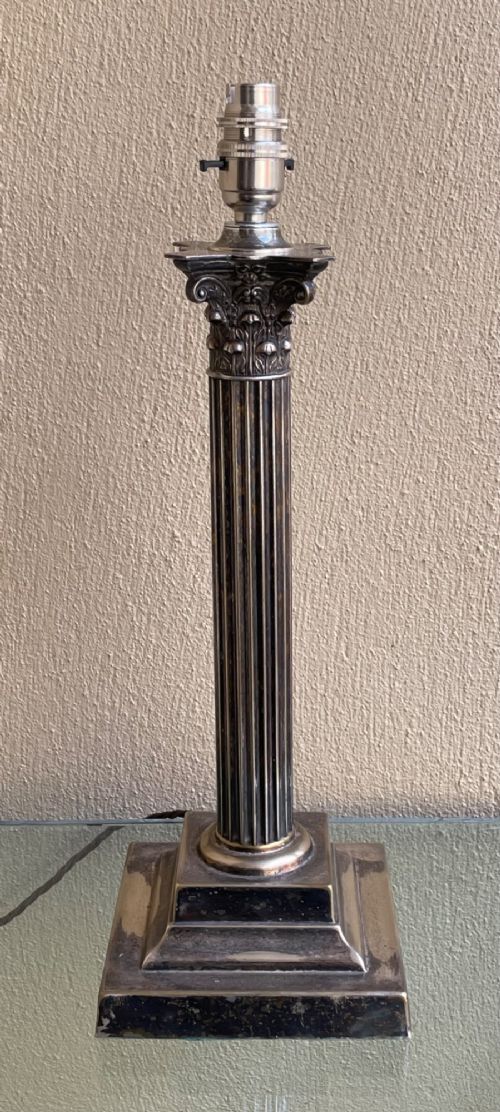
A corinthian capital lamp base takes its primary inspiration from classical architecture, translating stone columns into functional domestic lighting. You encounter standard lamps and table lamps shaped like columns, topped with ornate acanthus leaf capitals.
The pieces visible here span multiple periods including the seventeenth century, nineteenth century, and twentieth century. Brass and silver plate dominate the selection, accompanied by carved wood, gesso, paint, onyx, and glass elements.
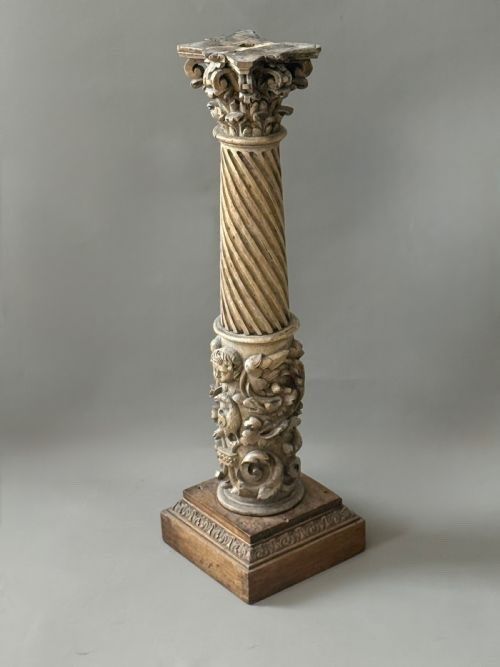
Neoclassical, Victorian classical revival, and continental baroque styles define the aesthetic of these items. Table lamps appear frequently, alongside grander monumental pillar forms and standard lamps.
Materials and Construction
Makers utilised cast and patinated brass alongside silver plate and electroplated metals to form the fluted columns and detailed capitals. Glass reservoirs and opaline glass bodies frequently combine with metal mounts, while carved wood and gesso appear in baroque pillar examples.
The construction relies on assembling structural metal or wooden shafts with decorative capitals cast or carved with classical acanthus foliage. Onyx and ormolu mounts also feature in nineteenth century items, demonstrating varied artisanal methods.
Corinthian Capital Lamp Base Retail Price Guide 2026
Typical asking prices for corinthian capital lamp base among the pieces listed under this phrase on Sellingantiques today, from the lower quarter to the upper quarter. They describe what is for sale here now, not the wider market.
Several columns stand ready to support a ceiling, having settled for holding a lightbulb instead.
Factors of Quality
Quality rests upon the crispness of the casting in the acanthus leaves of the capital and the precision of the fluting along the column. Finer examples display sharp architectural detail and substantial weight in the brass or silver plate.
The integration of secondary materials such as cut glass reservoirs or opaline glass columns distinguishes more ambitious designs. Proportion and balance between the capital, the shaft, and the stepped base determine the visual success of the piece.
The Corinthian Capital Lamp Base Glossary
- Capital
- The topmost member of a column, decorated here with acanthus leaves characteristic of the Corinthian architectural order. This ornamental head sits directly beneath the lamp fitting.
- Neoclassical
- A style reviving classical Greco-Roman forms and motifs, prominent in nineteenth century design. It governs the strict symmetry and proportion seen in these column lamps.
- Ormolu
- Finely ground high-carat gold mercury-gilded on to bronze or brass, used for decorative mounts. This technique adds a rich metallic finish to onyx and stone column bases.
- Opaline glass
- A pale, translucent milk glass utilised for column shafts in certain nineteenth century pieces. It diffuses light and contrasts with metal capitals and bases.
Corinthian Capital Lamp Base: Frequently Asked Questions
How do I wire a vintage column lamp?
Rewiring requires running modern flex up through the central hollow shaft of the metal or glass column. A qualified electrician should handle the internal components to ensure safety.
Retaining original brass keyholders or switches while updating the internal wiring preserves the functional integrity of the antique base.
What shades suit these lamps?
Simple tailored fabric shades in neutral tones complement the strong architectural lines of the metal and glass columns. The scale of the shade must balance the monumental height of the capital and base.
Avoid overly ornate shades that compete with the detailed acanthus carving on the capital itself.
How do I date a brass column lamp?
Dating relies on examining the method of metal casting, the wear on the silver plate or brass patina, and assembly screws. Nineteenth century pieces often feature heavier cast components and hand-cut threads compared to later twentieth century production.
Associated materials like opaline glass reservoirs or onyx plinths also help narrow the period of manufacture.
Where should I place a standard lamp?
Standard lamps function well beside seating areas or in corners where their vertical height adds architectural presence to a room. Their classical proportions suit traditional studies, libraries, or drawing rooms.
Ensure the heavy metal or wooden base rests on a stable surface away from heavy foot traffic.