
Victorian Brass Desk Lamp
A victorian brass desk lamp brings practical workspace illumination and warm metal tones to a study or library.
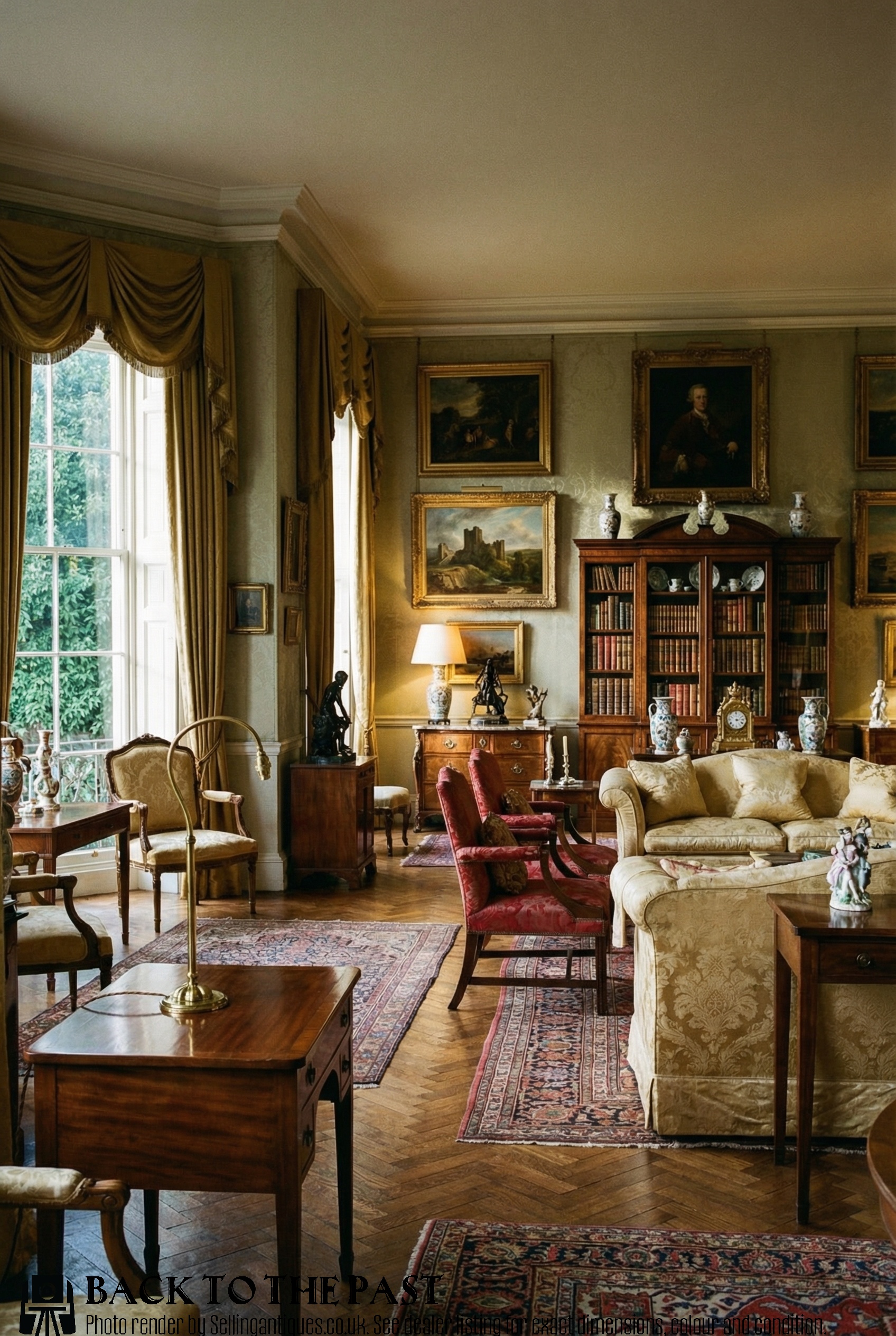
Victorian brass desk lamp forms and origins
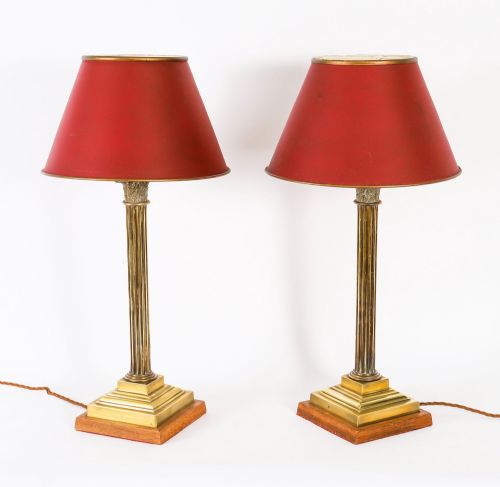
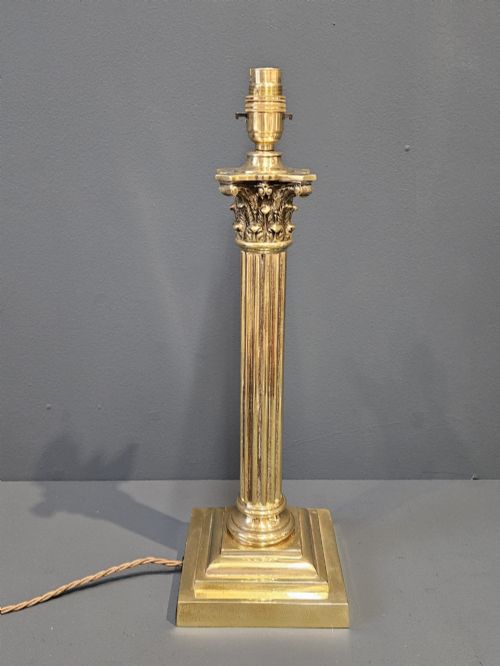
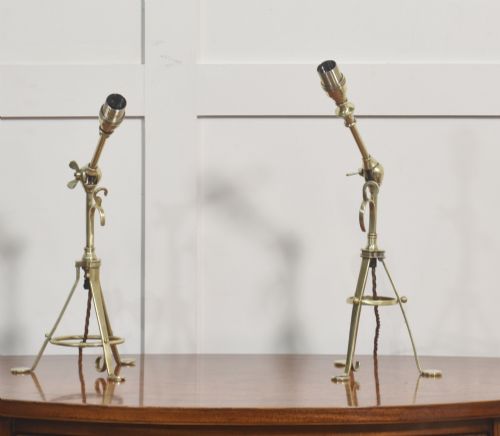
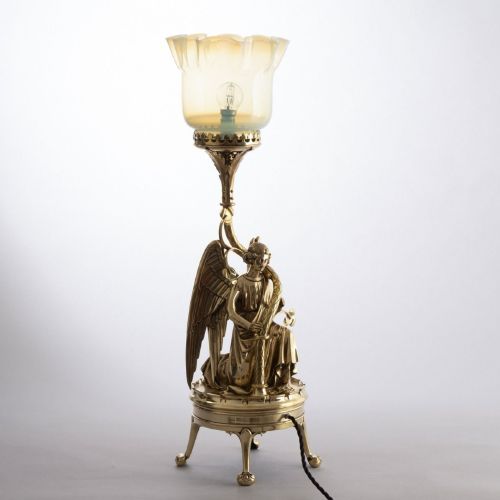
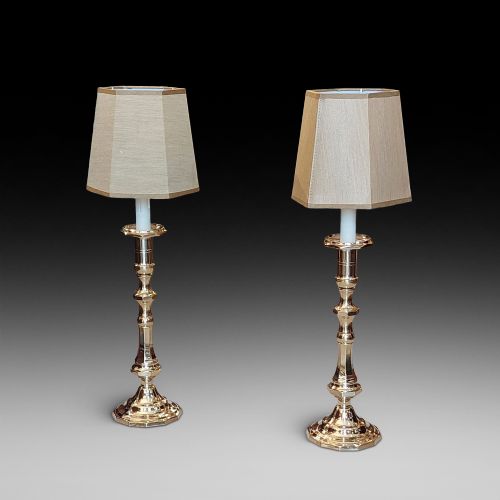
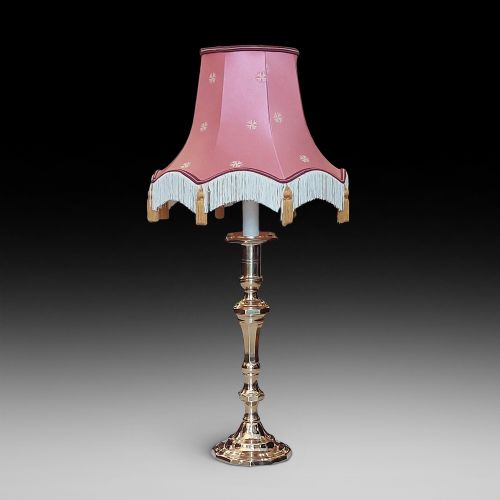
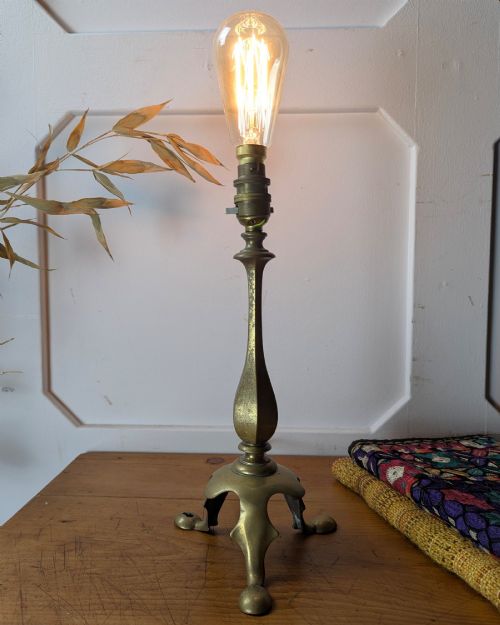
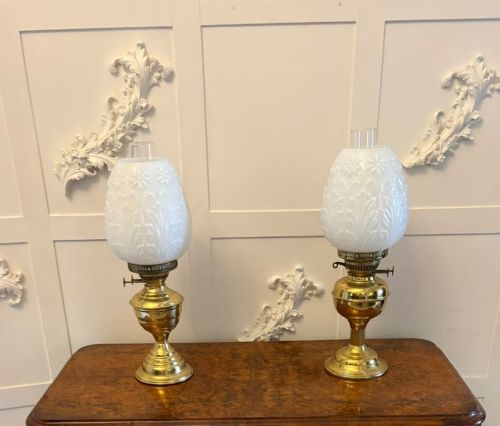
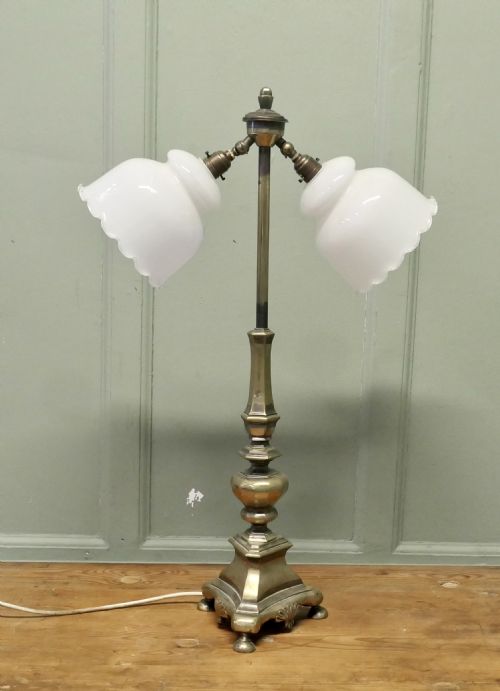
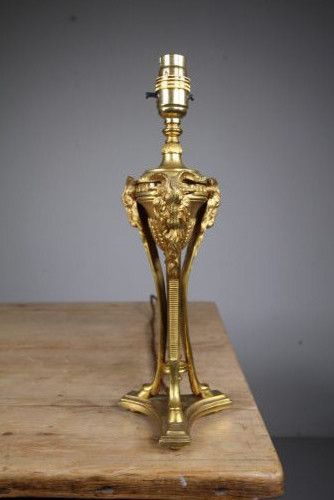
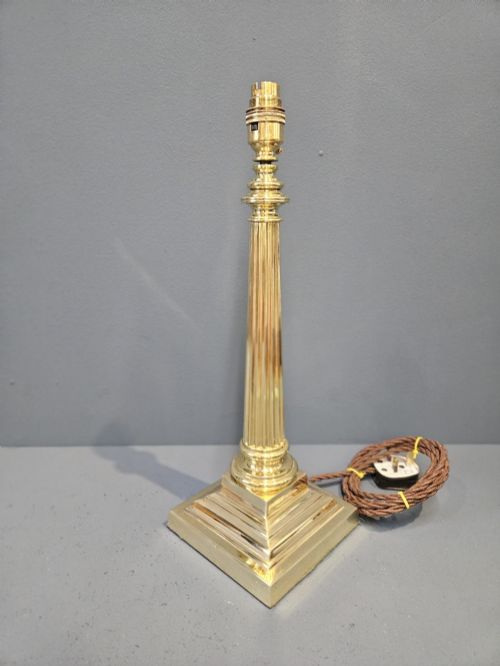
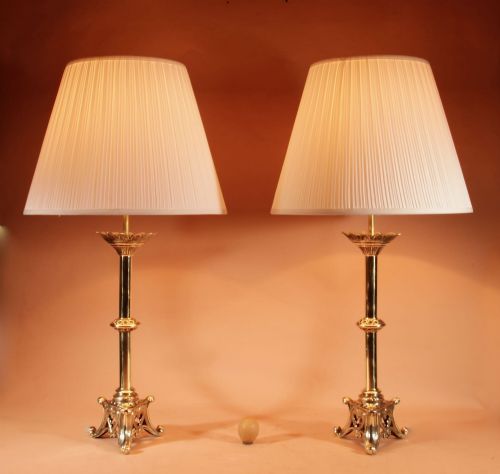
When searching for a victorian brass desk lamp, collectors encounter heavy metal table lighting spanning the nineteenth century and the Edwardian era. These pieces frequently take the form of adjustable reading lights, student lamps complete with implements, and column designs intended for functional use on a writing surface.
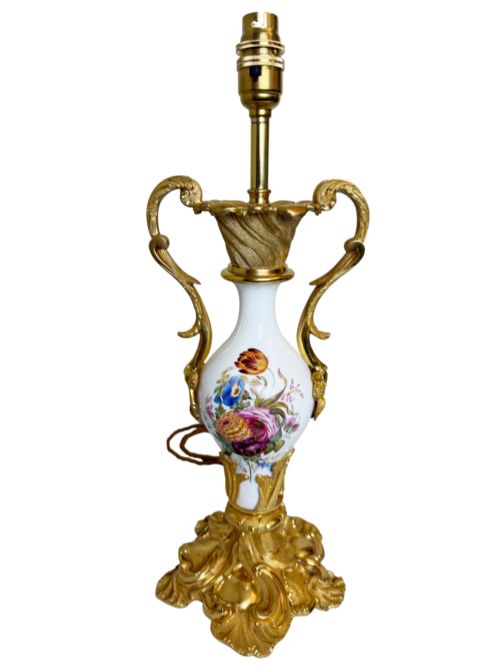
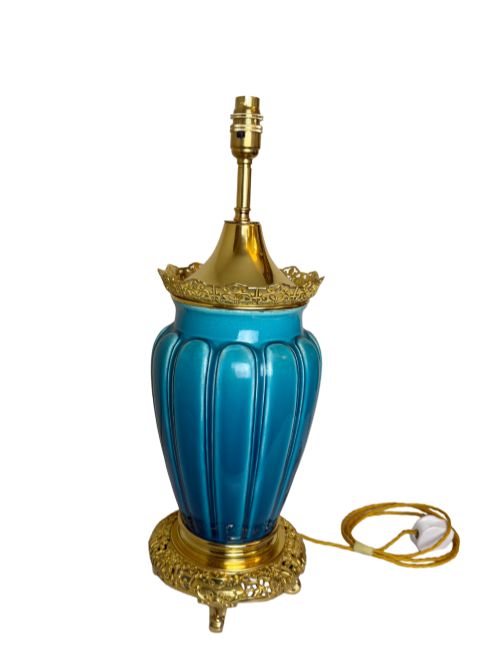
Many examples originate from English and French workshops, utilising solid brass or gilt brass alongside contrasting elements like cut glass, opaline glass, majolica ceramic, and fabric flex. The archive records substantial numbers of solid brass pairs alongside individual student lamps dating from the mid-nineteenth century onward.
The assortment on this page reflects traditional desk and table lighting forms, incorporating period variations such as corinthian columns, patent swan mechanisms, and repousse surface decoration. These task lights combine structural utility with the weight and substance characteristic of nineteenth-century metalwork.
Materials and construction
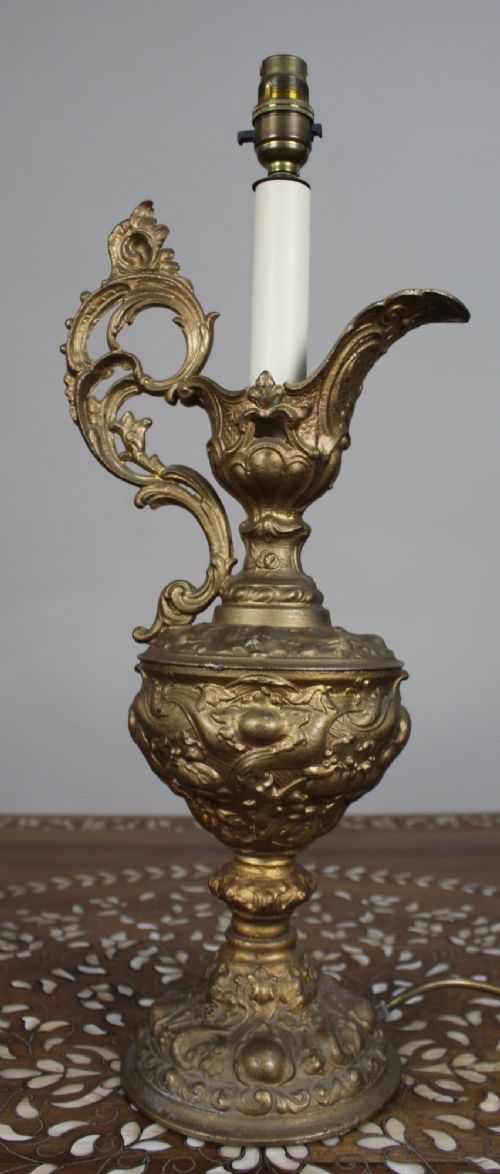
Metalworking techniques for these lamps rely heavily on cast and solid brass components, shaped into columns, adjustable arms, and weighted bases. Workshops employed repousse methods to hammer decorative relief patterns into the metal surfaces, creating texture and visual depth on French and English pieces.
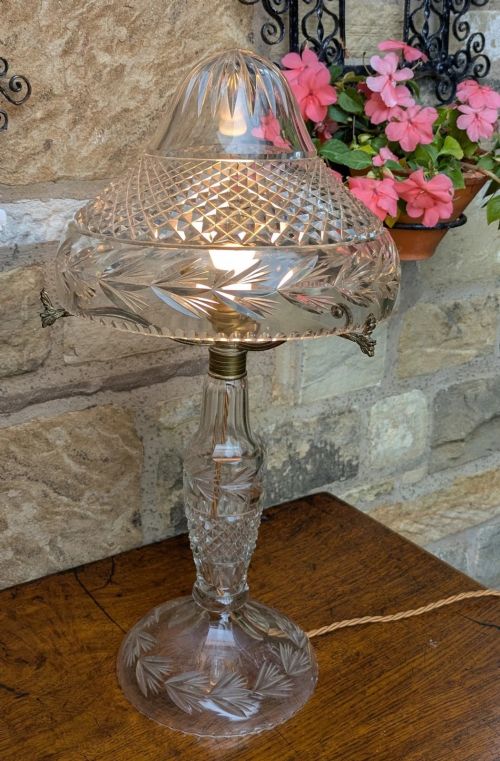
Glass components form an integral part of the construction, pairing with the metal framework through the inclusion of opaline glass shades and blue cut glass bodies. Ceramics also appear in the assembly, notably through majolica sections integrated into table lamps from the Edwardian period.
Electrical adaptation in modern times often sees the addition of fabric flex to older wiring channels, while surviving examples retain historical mechanical fittings such as patent adjustable joints and student lamp implements.
Retail Price Guide 2026
Typical UK retail prices for victorian brass desk lamp, calculated from the Sellingantiques database of over a million retail prices indexed since 2003. This retail price guide relies exclusively on Sellingantiques data; no external sources or auction records are used, so the figures do not describe the wider market.
Some student lamps come fully equipped with their original functional implements, ready for nineteenth-century midnight oil burning.
Determinants of quality
Quality in these desk lamps rests upon the substantial weight of the cast brass and the precision of any mechanical adjustment mechanisms, such as swan necks or student lamp fittings. Examples utilising solid brass throughout exhibit greater durability and heft compared to lighter constructions.
The integration of secondary materials dictates the distinction between standard and finer pieces, with components like hand-blown opaline glass shades or blue cut glass sections elevating the visual complexity of the design. The presence of specialised decorative work, including repousse brass or majolica ceramic inserts, indicates higher workshop ambition.
The Victorian Brass Desk Lamp Glossary
- Student Lamp
- A nineteenth-century task lamp typically featuring a single adjustable burner or light source designed to direct illumination over a desk. These often include auxiliary implements.
- Opaline Glass
- A milky, translucent glass often used for lamp shades to diffuse light softly across a workspace without harsh glare.
- Repousse
- A metalworking technique where the artisan hammers decorative designs from the reverse side of the brass to form a raised relief on the front.
- Gilt Brass
- Brass that has been treated with a thin layer of gold or a gold-coloured finish to enhance its lustre and appearance.
- Majolica
- A type of colourful, lead-glazed earthenware pottery frequently incorporated into the bodies of Victorian and Edwardian table lamps.
Frequently Asked Questions
How do I adjust the light height?
Many Victorian desk lamps utilise mechanical sliding joints, counterweights, or swan neck arms that allow the user to reposition the shade and direct the illumination precisely where needed across the desk surface.
These functional joints often require careful handling to preserve the original metal fittings and ensure the arm remains stable in the chosen position.
Are these lamps safe for modern daily use?
Most antique lamps are rewired to meet modern electrical standards while preserving their external historic appearance, using compatible components like fabric flex.
Buyers should verify the specific wiring status of an individual piece and consult a qualified electrician if any updates are required for daily use.
What is opaline glass?
Opaline glass is a translucent, milk-coloured glass frequently found in the shades of nineteenth-century desk lamps to soften and diffuse the light output.
This material provides an even glow across a working surface while adding a distinct historic aesthetic to the lamp assembly.
How do I clean solid brass?
Solid brass benefits from gentle dusting with a soft cloth to maintain its surface without stripping away the natural patina accumulated over the decades.
Avoiding harsh chemical polishes preserves the authentic ageing and character of nineteenth-century metalwork.