

Antique Blue Serving Plate
An antique blue serving plate brings centuries of table service tradition into the room, offering heavy earthenware and delicate porcelain painted in rich cobalt hues.
Antique Blue Serving Plate
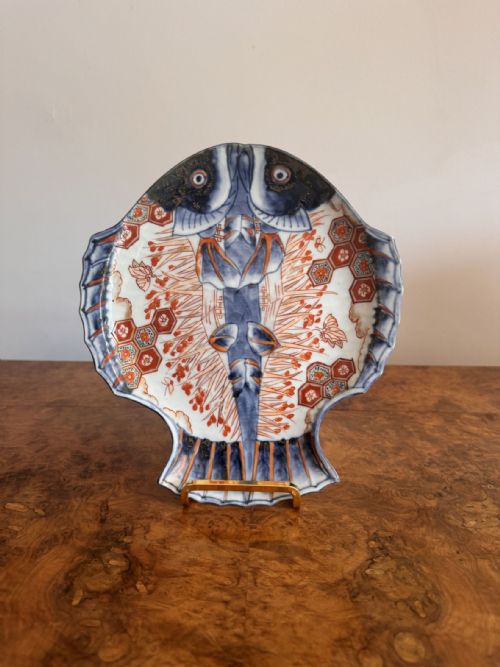
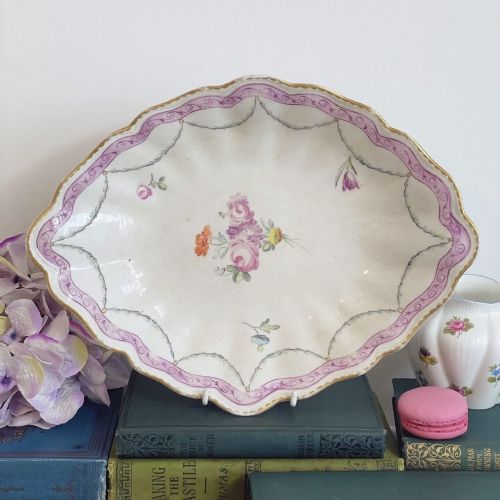
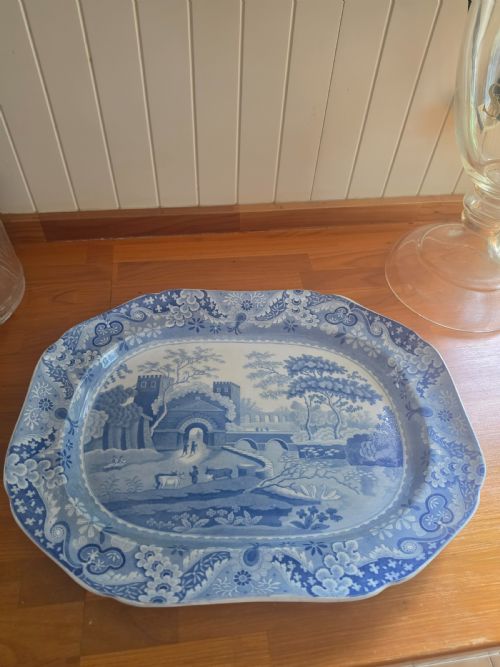
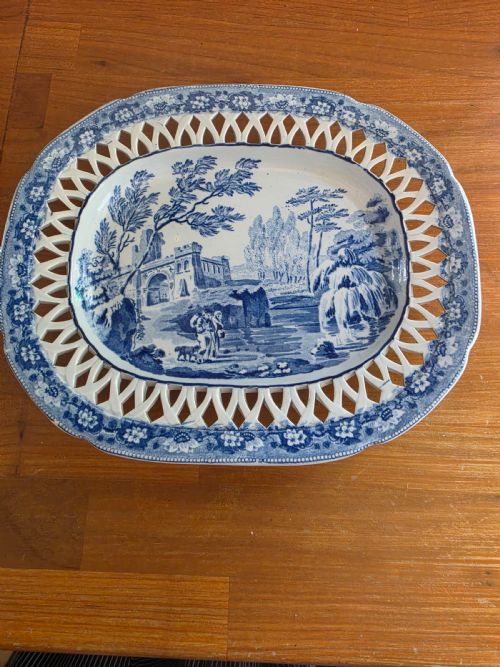
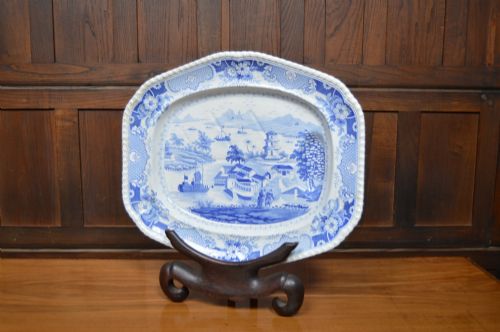
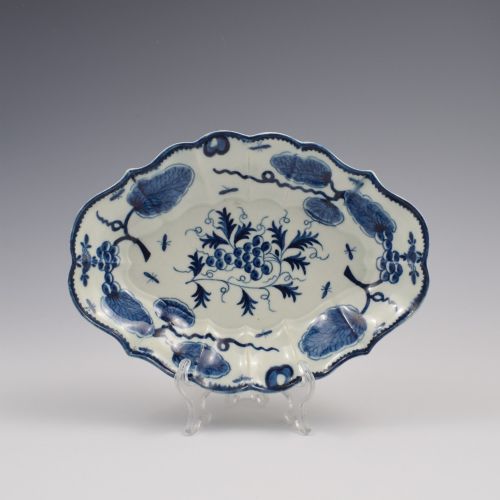
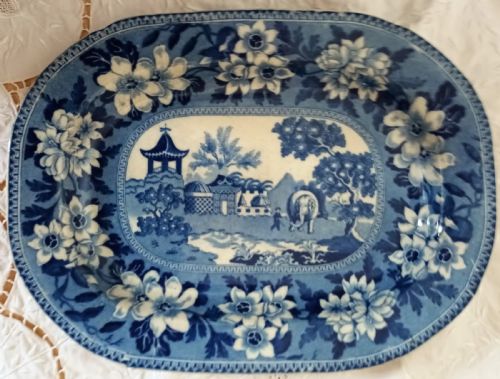
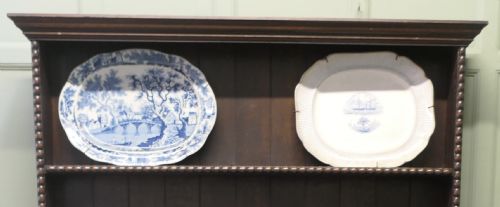
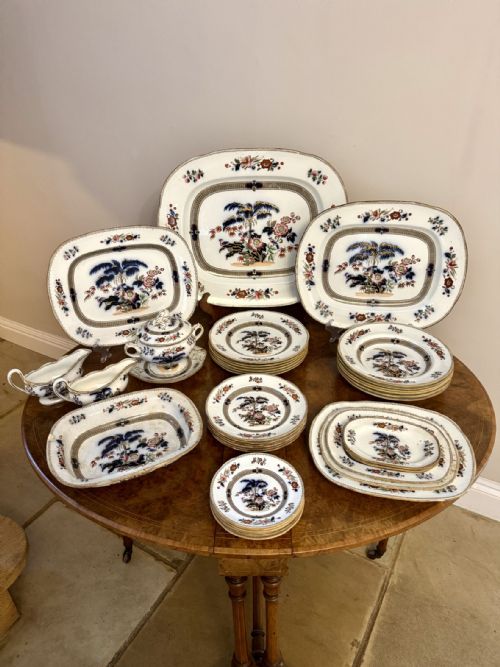
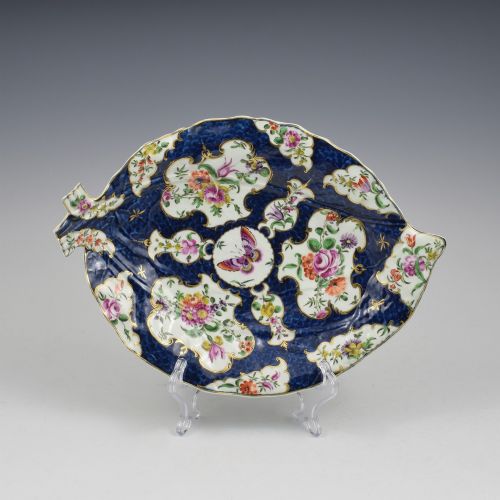
When searching for an antique blue serving plate, collectors encounter a diverse range of large platters, meat dishes, and chargers designed for presentation at the dining table. The pieces available here span from eighteenth-century Delft chargers and Worcester porcelain leaf dishes to nineteenth-century transferware meat platters by makers such as Spode and Davenport.
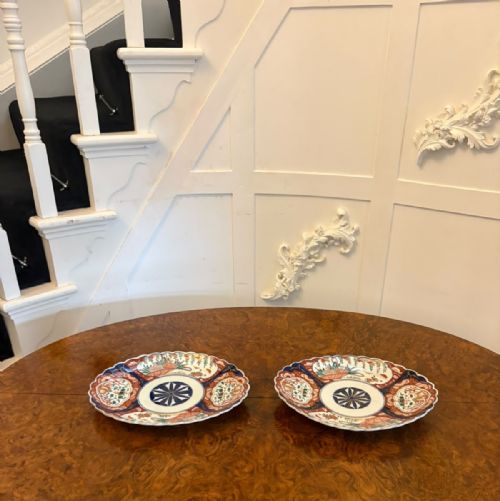
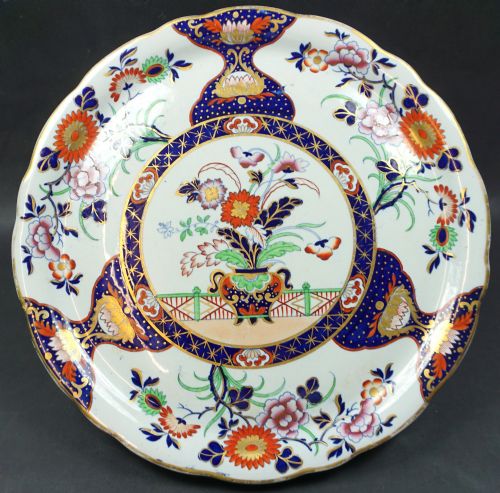
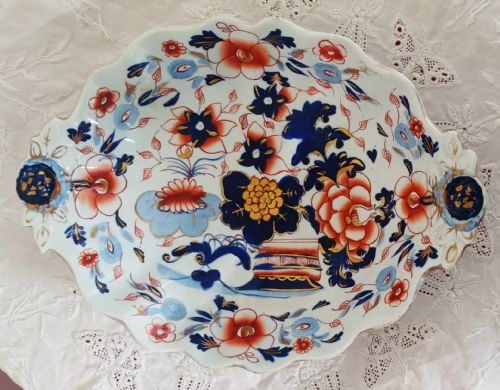
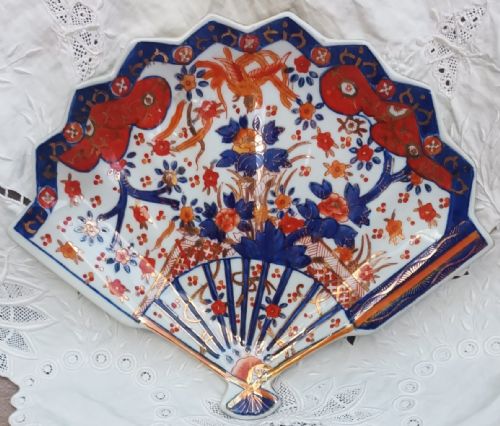
Many examples showcase traditional blue and white transfer printing, while others display hand-painted floral motifs or Japanese Imari designs in deep cobalt and iron red. Forms vary widely from traditional oval meat plates to square plates, fish shapes, and fan-shaped dishes originating from English potteries, European factories, and Asian kilns.
How they were made
Potters shaped these pieces using earthenware, ironstone, pearlware, and porcelain, applying a protective glaze before firing the ceramic body in kilns. Cobalt oxide provided the durable blue pigment capable of withstanding high kiln temperatures without losing intensity.
Decoration relied heavily on hand-painting or transfer printing, a technique where engraved copper plates transferred intricate blue designs onto paper and then onto the ceramic surface. Some elaborate wares incorporated additional enamel colours and gilding over the glaze to highlight specific details.
Listings feature earthenware, porcelain, and pearlware across Georgian, Victorian, and Regency periods.
What varies in quality
The distinction between standard utility wares and exceptional pieces rests on the crispness of the blue transfer or the precision of the hand-painted brushwork. Early porcelain and pearlware specimens often display finer body translucency and more controlled glaze application than later mass-produced items.
Artistic ambition also separates the ordinary from the remarkable, seen in moulded or sculpted forms such as fish shapes and leaf dishes that require advanced ceramic moulding skills. Preservation of the original glaze sheen and the depth of the cobalt pigment significantly influence the standing of any given piece.
Spode·Davenport·Hicks and Meigh·John Rogers and Son·Coalport·Wedgwood
The Antique Blue Serving Plate Glossary
- Transferware
- Ceramic pottery decorated by applying a printed design from an engraved copper plate onto the unglazed or biscuit surface using tissue paper. This technique allowed factories to produce intricate blue patterns consistently across large dinner services.
- Charger
- A large decorative plate or platter traditionally used for ceremonial display or placed beneath other courses at formal banquets. These items frequently measure significantly larger than standard dining plates.
- Pearlware
- A refined earthenware developed in the late eighteenth century featuring a thin glaze with a slight bluish tint that made the underlying ceramic body appear whiter. It served as a popular substitute for true porcelain before ironstone became dominant.
- Imari
- A style of Japanese export porcelain characterised by a palette of underglaze blue, iron red, and gold highlights. English and European factories frequently imitated these distinct patterns during the eighteenth and nineteenth centuries.
- Ironstone
- A heavy, durable type of earthenware patented in the early nineteenth century designed to resist chipping and cracking. It provided a sturdy surface for large meat platters and heavy serving dishes.
Antique Blue Serving Plate: Frequently Asked Questions
How were antique blue serving plates used?
These large dishes served roasted meats, fish, and seasonal vegetables at the centre of the dining table during formal meals. Chargers fulfilled a decorative function on sideboards or beneath smaller plates during grand dinners.
Over time, many transitioned from active dining service to wall hanging or cabinet display as households adopted newer ceramic styles for everyday meals.
How do I care for an antique ceramic platter?
Wash the piece gently by hand using warm water and mild soap, avoiding dishwashers entirely to protect the historic glaze and delicate blue pigments. Sudden temperature changes should be avoided to prevent thermal shock and crazing in the ceramic body.
Store the platter flat or in a secure vertical rack designed for heavy porcelain, ensuring it does not bear weight from other items.
How can I tell eighteenth-century pieces from nineteenth-century ones?
Eighteenth-century items often show softer paste bodies, hand-painted decoration rather than transfer printing, and distinctive underglaze blue painter marks on the base. Early pieces frequently exhibit subtle potting imperfections that reflect manual wheel throwing or early mould techniques.
Nineteenth-century equivalents typically feature sharper transfer-printed patterns, heavier ironstone or pearlware fabrics, and impressed factory marks that identify the maker and registry date.
Can I use these antique platters for food today?
Most collectors prefer to use these pieces for display or dry presentation due to historical glaze composition and the presence of age-related crazing. Fine cracks in the glaze can absorb liquids and harbour bacteria over repeated use.
Serving dry foods on occasion is acceptable provided the glaze remains intact and the piece is washed by hand immediately afterwards.