


Antique Blue White Tray
An antique blue white tray brings crisp cobalt motifs across earthenware and porcelain surfaces for service and display.
Antique Blue White Tray
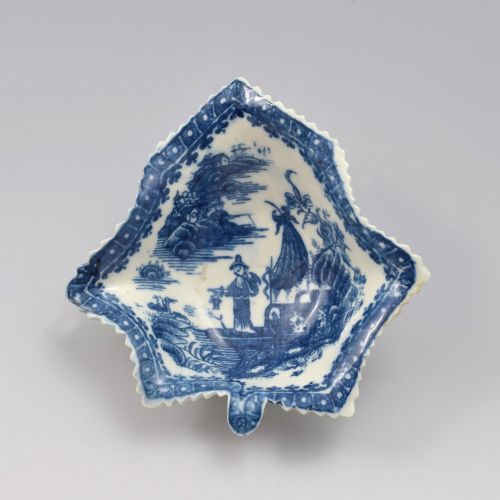
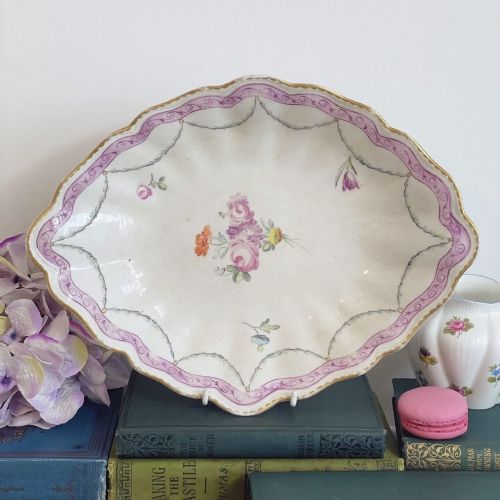
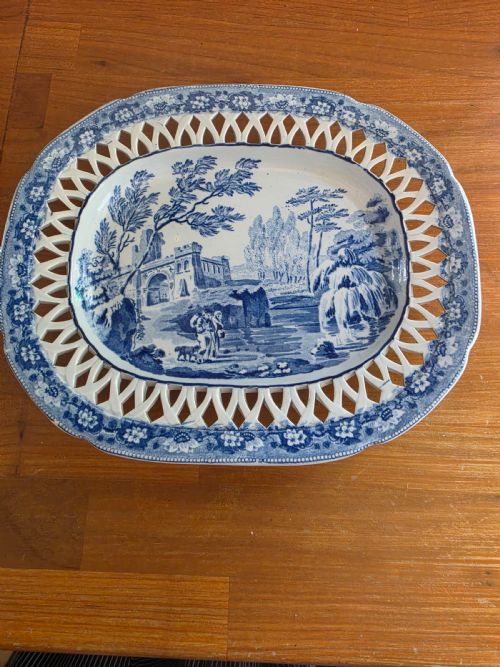
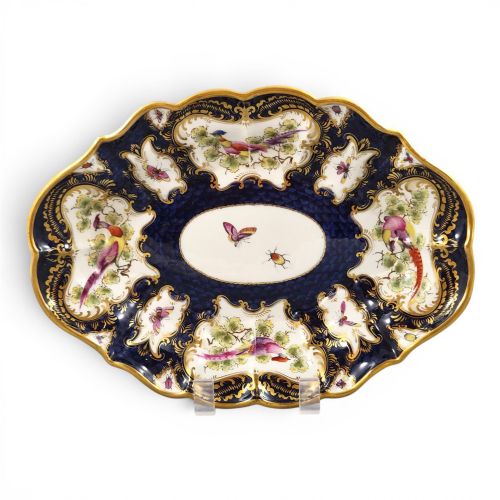
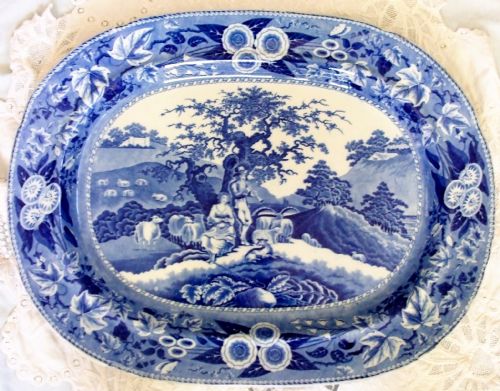
An antique blue white tray encompasses everything from small pin dishes and spoon trays to substantial serving platters and meat plates spanning the Georgian, Victorian, and Regency eras. Buyers encounter leaf-shaped pickle dishes, Dutch Delft inkstands, and large transfer-printed platters bearing scenes like the Bridge of Lucano or Chinese Villa.
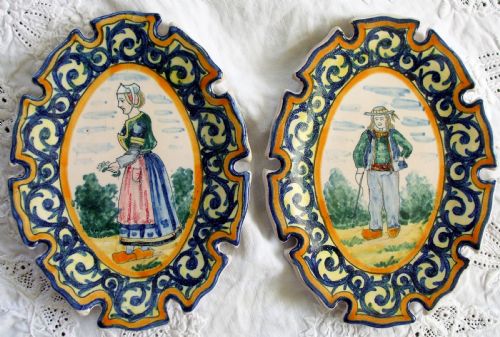
The material expression ranges from soft-paste porcelain and pearlware to ironstone and earthenware, often decorated with cobalt designs in Chinoiserie, Dutch Delft, or Aesthetic Movement styles.
Materials and Technique
Potters built these pieces using earthenware, pearlware, and porcelain, applying cobalt blue pigments beneath a clear glaze before high-temperature firing.
Transfer printing allowed workshops to apply intricate patterns onto ceramic surfaces with uniform precision, while earlier examples relied on handpainted brushwork.
Listings span the 18th, 19th, and early 20th centuries, uniting English earthenware, French faience, and Dutch Delft.
Distinctions in Execution
The clarity and depth of the cobalt transfer printing separate standard domestic wares from exceptional artistic outputs, where sharp outlines and rich blue tones remain stable across the entire surface.
The finesse of the ceramic body itself - ranging from thick ironstone to delicate soft-paste porcelain or pearlware - determines the refinement of the form.
Caughley Porcelain·Royal Worcester·Minton·Spode·Thomas Lakin
The Antique Blue White Tray Glossary
- Pearlware
- A refined earthenware developed in the late 18th century featuring a bluish-white glaze that pooled in crevices to accentuate cobalt decoration.
- Transfer printing
- A method of applying engraved designs to ceramics using paper tissues inked with cobalt pigment.
- Soft-paste porcelain
- A ceramic composition fired at lower temperatures than hard-paste, producing a warm translucent body common in 18th-century English factories.
- Ironstone
- A dense, durable type of earthenware patented in the 19th century to resist chipping during heavy table service.
- Pickle dish
- A small moulded dish, often leaf-shaped, used on dining tables for serving condiments or small portions.
Antique Blue White Tray: Frequently Asked Questions
How were these trays used?
These pieces served practical dining functions such as carrying meats, presenting desserts, or holding cutlery and condiments.
Smaller variants like spoon trays and pin dishes sat on dressing tables or sideboards for holding small personal items.
How do I date a transfer printed piece?
Datation relies on the ceramic body type, such as early pearlware versus later ironstone, alongside the registration marks stamped underneath.
Stylistic cues within the cobalt scenery also point to specific design periods like Georgian Chinoiserie or Victorian Aesthetic Movement.
Can I use these for serving food today?
Many sturdy earthenware and ironstone platters remain structurally sound for presenting dry foods during modern entertaining.
Delicate porcelain or soft-paste items benefit more from careful display rather than active culinary service.
What is the difference between porcelain and earthenware?
Porcelain provides a vitrified, translucent body fired at high temperatures, offering a more refined and resonant structure.
Earthenware and pearlware remain opaque, porous until glazed, and heavier in the hand during daily use.