

Antique Blue Serving Dish
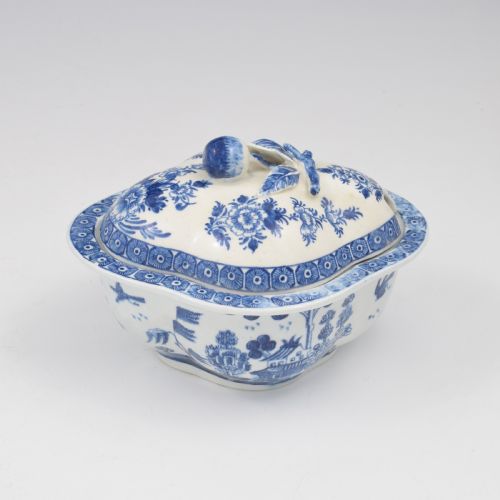
These antique blue serving dish pieces bring transfer printed scenes to the table, offering a robust centrepiece for those setting a traditional dining room.
What an antique blue serving dish is
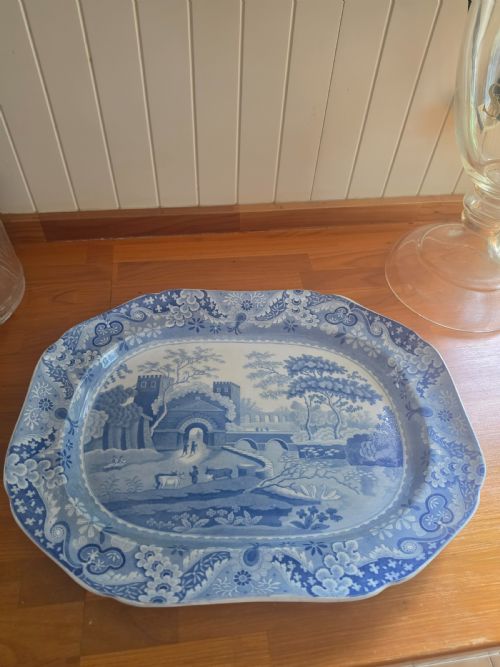
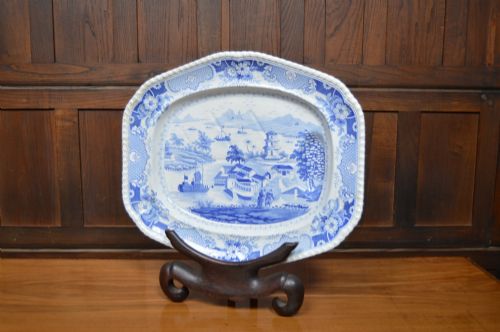
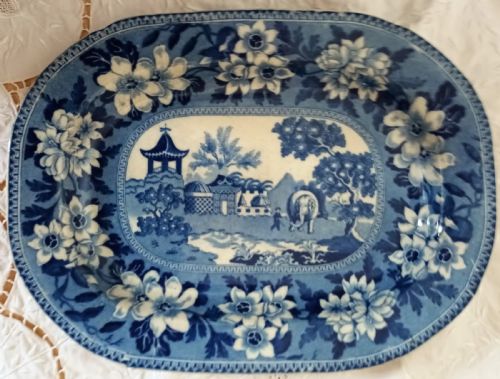
An antique blue serving dish takes the form of a large platter designed for the presentation of meat at the dining table. These items emerge from the Georgian and nineteenth century periods, carrying blue and white transfer printed decoration across their earthenware bodies.
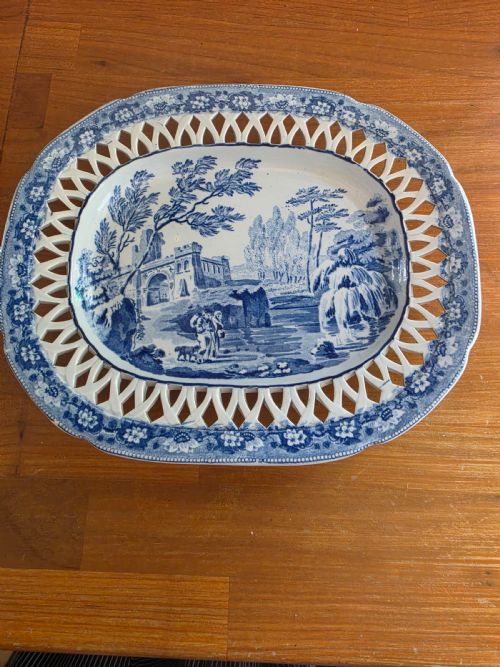
Buyers will most frequently meet rectangular meat platters bearing detailed topographical scenes or narrative patterns. The examples recorded here span English production, featuring named subjects ranging from naval battles to classical bridges.
How they were made
Potters shaped these pieces from earthenware clay before applying a transfer printed design from a copper plate onto the ceramic surface. A clear ceramic glaze then sealed the decoration during the firing process, fixing the distinct blue pigment permanently into the piece.
Makers utilised skilled engraving techniques to render complex architectural views and figures onto the paper tissue used for the transfer. The resulting pottery combined utilitarian durability with intricate pictorial art.
Elephants and naval battles share table space with peaceful river bridges on these transfer printed dishes.
What varies in quality
The clarity of the transfer printing dictates the visual success of the piece, separating crisp impressions from blurred applications where the ink has slipped. Depth of colour and richness in the glaze also mark out the more accomplished works from standard production.
Scale and ambition of the pictorial subject matter separate ordinary tableware from exceptional meat platters. Well-executed borders framing complex panoramic views demonstrate the greater skill of the Staffordshire potteries.
John Rogers & Son·Spode·Robert Hamilton of Stoke
The Antique Blue Serving Dish Glossary
- Transfer print
- A decorative technique where an engraved copper plate applies ink to tissue paper, which is then transferred onto unglazed or biscuit pottery before glazing. This method allowed intricate pictorial scenes to be reproduced rapidly across earthenware.
- Earthenware
- A porous type of pottery fired at lower temperatures and rendered impermeable to liquids through the application of a vitreous glaze. It forms the standard ceramic body for nineteenth century British blue and white tableware.
- Platter
- A large flat serving dish traditionally used for presenting meat at the table. These objects form the primary vehicle for large-scale transfer printed topographical views.
- Georgian
- The historical period spanning the reigns of the four King Georges, encompassing the late eighteenth and early nineteenth centuries. Pieces from this era often display classical architectural motifs and balanced proportions.
Frequently Asked Questions
How were these large platters used?
These pieces served as the main vehicle for presenting joints of meat at the dining table during large meals. Their generous surface area accommodated substantial portions while containing juices within the body of the ceramic.
Servants brought them from the kitchen to the dining room where the host carved the meat directly from the platter. Their decorative transfer printed scenes provided visual interest once the food had been cleared away.
Can I use an antique blue serving dish daily?
Earthenware from the nineteenth century tolerates careful modern use, though hand washing remains essential to protect the historic glaze and ceramic body. Sudden thermal shock from hot water applied to cold ceramic can cause stress to old material.
Many collectors prefer to display these items on walls or dressers rather than risking daily wear and tear. Placing them on protective surfaces prevents scratching to the underside of the earthenware.
How do I identify a Georgian platter?
Georgian pieces typically display earthenware bodies finished with deep cobalt blue transfer prints depicting classical ruins, named topographical views or romanticised landscapes. The borders often feature intricate floral scrolls or geometric diaper patterns characteristic of the period.
Examining the underside reveals unglazed foot rims and occasional maker marks or impressed pattern names. The weight and thickness of the ceramic also point to early nineteenth century Staffordshire manufacturing standards.
What subjects appear on these dishes?
Designers drew inspiration from global travel books, contemporary naval engagements and classical antiquity to decorate the ceramic surface. Scenes range from Mediterranean bridges and Indian cities to naval battles upon the sea.
Narrative patterns often carry specific titles printed on the reverse or integrated into the pictorial composition. These themes reflected the expanding geographical interests of nineteenth century British society.