


Antique Biscuit Box
An antique biscuit box brings the hospitality of the Victorian and Edwardian parlour into a modern home with heavy cut glass and silver plate.
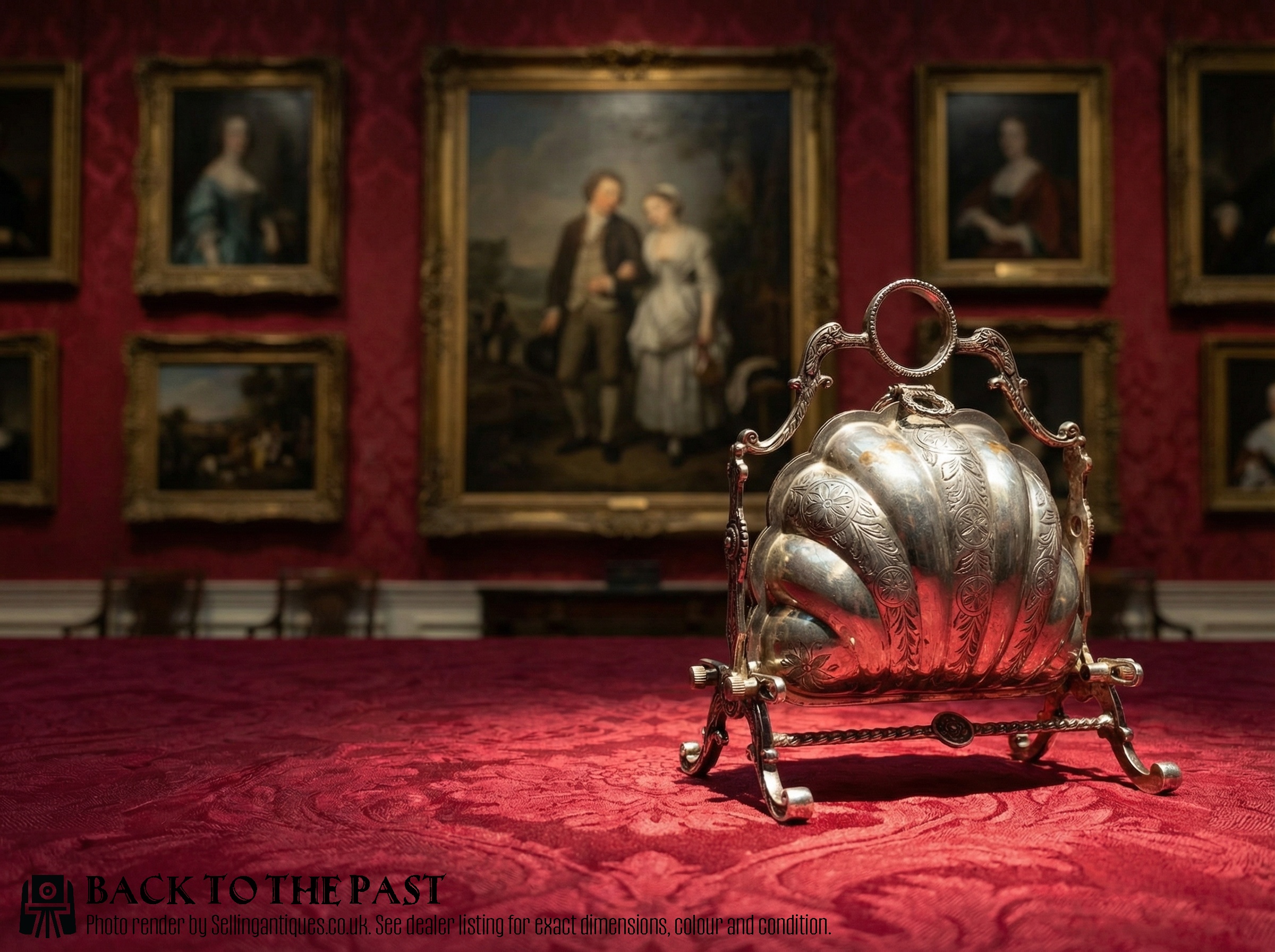
Antique Biscuit Box
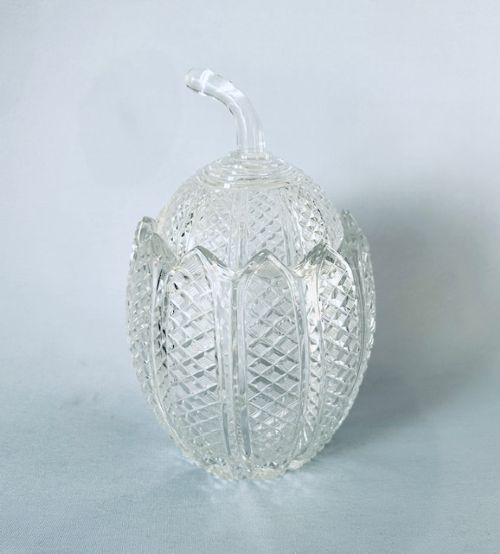
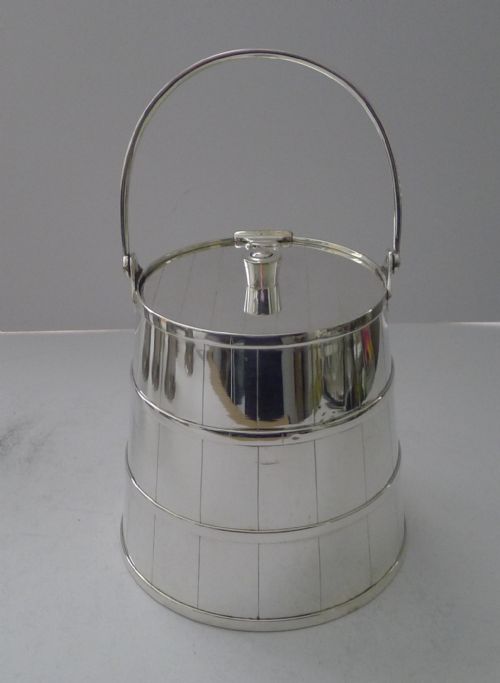
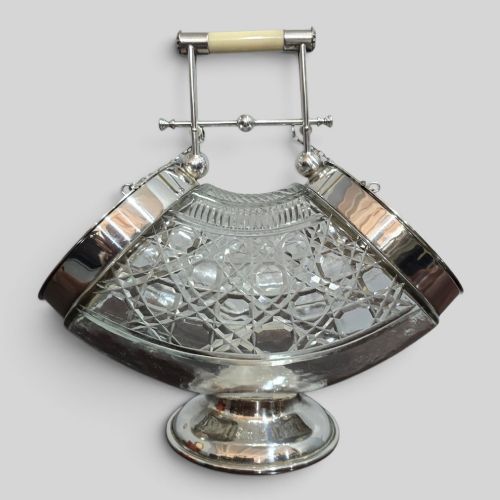
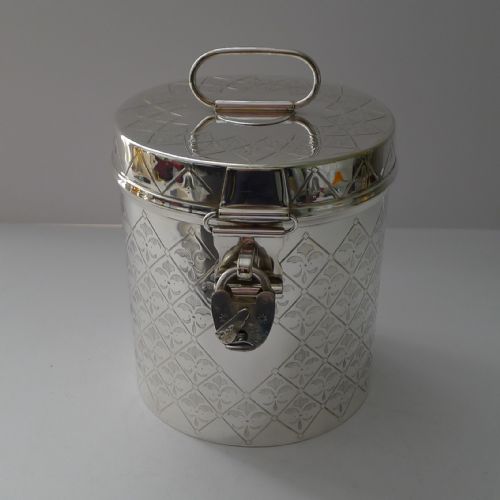
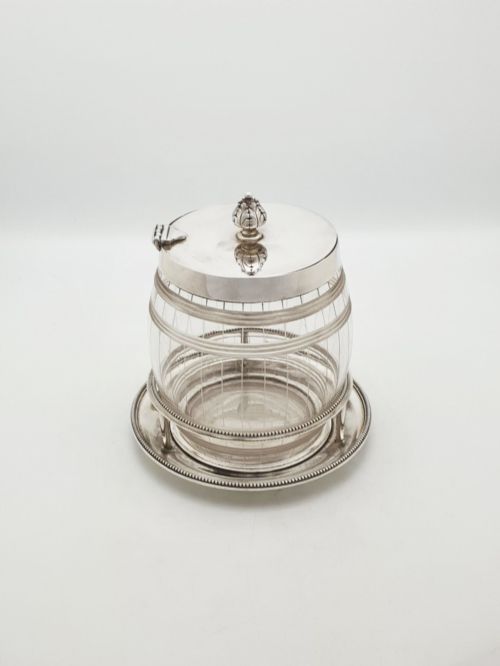
The term antique biscuit box describes lidded containers designed to hold dry baked goods for formal entertaining during the nineteenth and early twentieth centuries. These vessels appear frequently as cylindrical barrels, drum shapes, or inventive novelty forms such as melons, satchels, and weights.
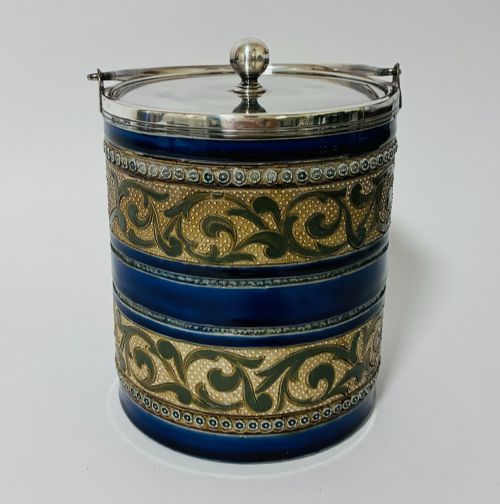
Most examples originate from the Victorian and Edwardian periods, utilising combinations of heavy pressed glass and plated metal mounts. Makers also produced variations in solid silver, oak, ceramic, and decorated tinplate for domestic use.
Domestic tables featured these boxes to keep baked goods crisp while presenting an impressive centrepiece for guests. The survivals range from simple glass barrels with plated rims to elaborate mechanical designs that open with folding shells or push buttons.
Materials and construction
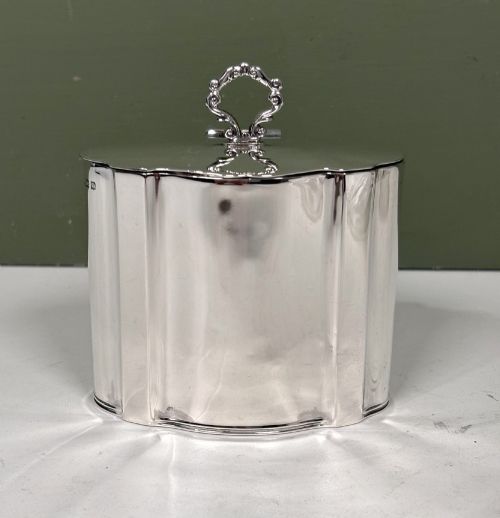
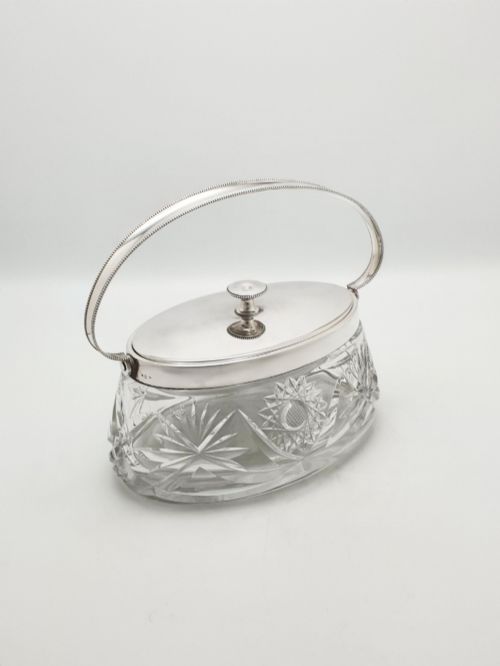
Makers combined silver plate, electroplated nickel silver, and sterling silver with deep-cut crystal, hobnail glass, and seasoned oak. Metal mounts were cast, pierced, or embossed with floral and heraldic motifs before being applied to the glass or wooden bodies.
Cut glass vessels feature complex geometric patterns achieved by grinding wheel-cut facets into thick blank glass. Oak barrels frequently incorporate coopered staves bound with metal hoops and fitted with hinged lids and locking mechanisms.
Antique Biscuit Box Retail Price Guide 2026
Typical asking prices for biscuit box among the pieces listed under this phrase on Sellingantiques today, from the lower quarter to the upper quarter. They describe what is for sale here now, not the wider market.
Distinctions in quality
Quality rests in the weight of the metal, the clarity of the glass cutting, and the precision of the mechanical action. Superior specimens feature thick crystal with sharp hobnail facets, heavy silver plating over a nickel silver base, and smoothly operating spring-loaded folding shells or locking lids.
The distinction between standard commercial production and top-tier workshop output appears in the finials and mounts. Master silversmiths cast detailed figural elements like dragons or birds, whereas lesser examples use simple turned knobs.
Mappin and Webb·Elkington and Co·Robert and Belk·Fenton Brothers·Walker and Hall
The Antique Biscuit Box Glossary
- Biscuit barrel
- A cylindrical container with a fitted lid used for storing dry baked goods on the dining table. This form represents the most common configuration found in nineteenth-century homes.
- Silver plate
- A layer of silver fused to a base metal such as copper or nickel silver. This technique provided the appearance of solid silver at a lower production cost.
- Hobnail cut
- A raised, sharp-pointed decorative pattern cut into the surface of glassware. It catches the light and adds considerable tactile weight to the vessel.
- Novelty box
- A container manufactured in an unusual representational shape rather than a standard geometric form. Common examples mimic books, animals, weights, and hats.
- Finial
- A decorative knob or ornament attached to the top of a lid. They often take sculptural forms such as heraldic beasts or fruit.
Antique Biscuit Box: Frequently Asked Questions
How were antique biscuit boxes used?
Middle and upper-class households placed these containers on the dining table or sideboard to serve dry biscuits during afternoon tea or after dinner. The lidded design protected the contents from dampness and kept them fresh between entertainments.
Servants filled the glass or ceramic liners in the kitchen before bringing the vessel into the parlour for guests. Some advanced mechanical versions featured warming compartments or folding shell lids that opened automatically.
How do I date an antique biscuit box?
Dating relies on hallmarks stamped on silver elements, registration marks on glass or ceramic bodies, and stylistic clues from the manufacturing period. Victorian pieces often display ornate embossing and naturalistic motifs, while Edwardian examples favour cleaner lines.
Makers' marks stamped onto the metal base or rim provide specific attribution to firms operating in Sheffield, Birmingham, or London. Patent dates on mechanical folding boxes also narrow the manufacturing window.
Are novelty biscuit boxes rare?
Novelty biscuit boxes shaped like books, weights, animals, or satchels were produced in smaller quantities than standard cylindrical barrels. Their unusual forms made them popular presentation pieces, which increased their survival rate among collectors.
While standard glass and silver plate barrels appear frequently, authentic novelty forms from recognised makers remain sought after. Their complex mechanics and whimsical designs command significant attention in the antiques market.