


Antique Bedroom Dressing Mirror
An antique bedroom dressing mirror brings functional reflection and polished timber tone to a room, ranging from compact toilet glasses to full-height cheval frames.
Antique Bedroom Dressing Mirror
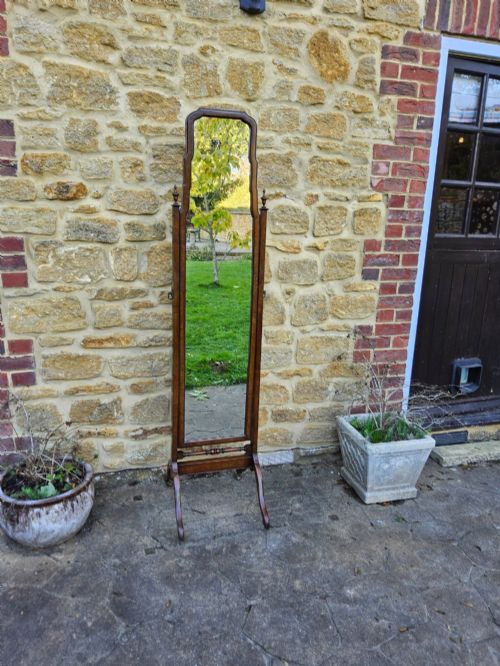
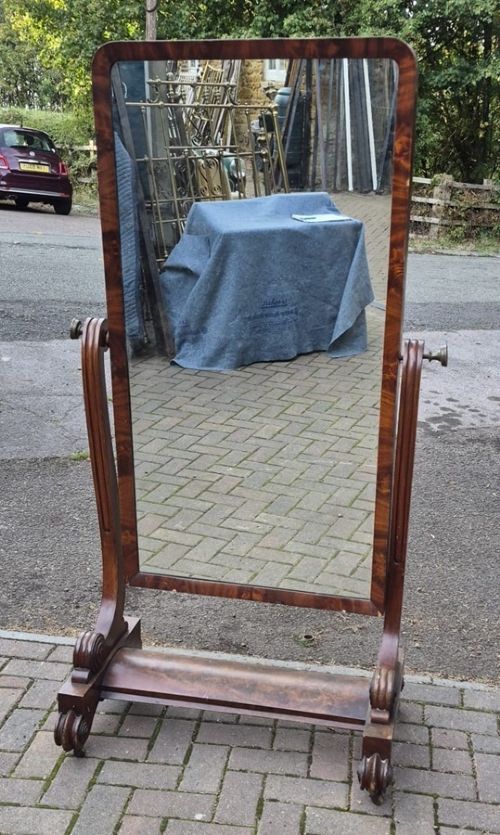
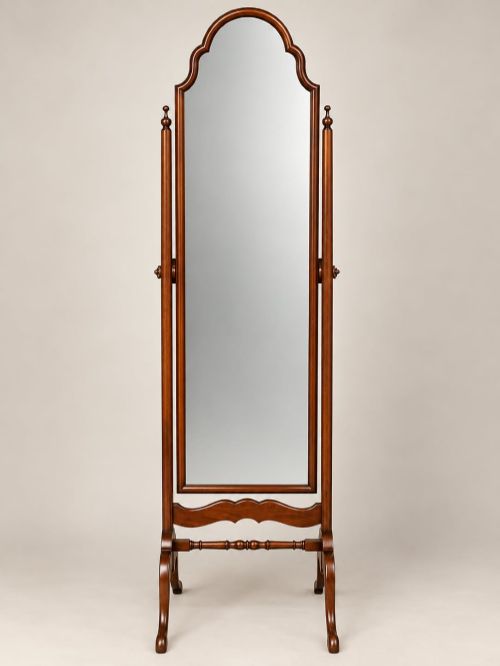
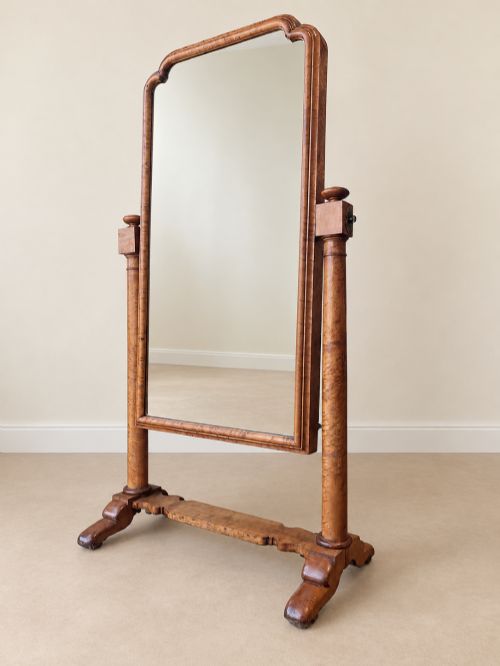
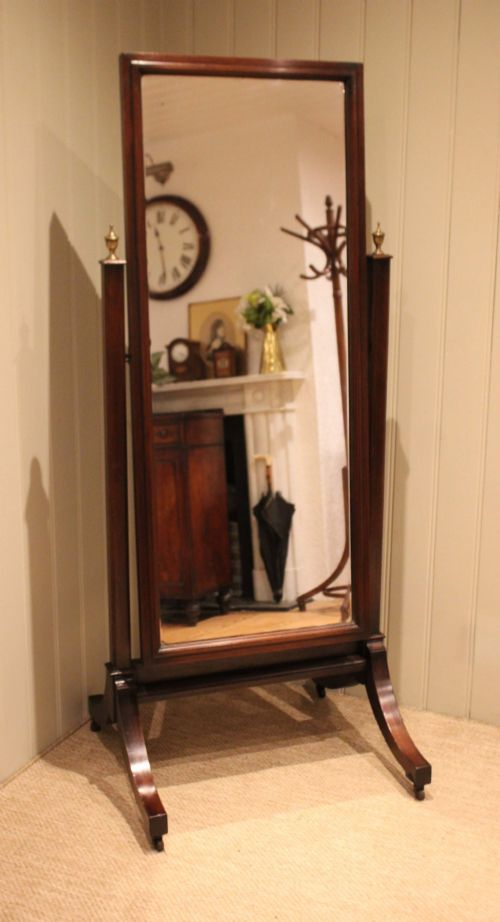
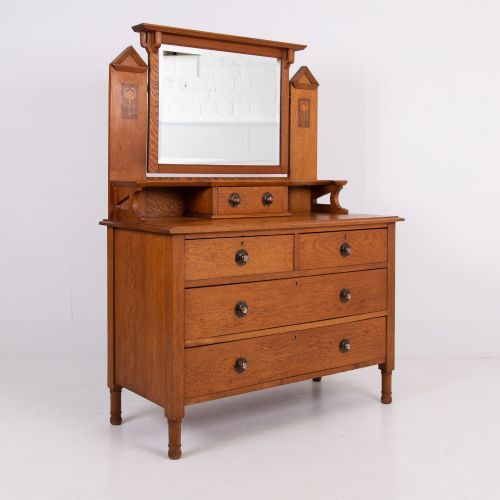
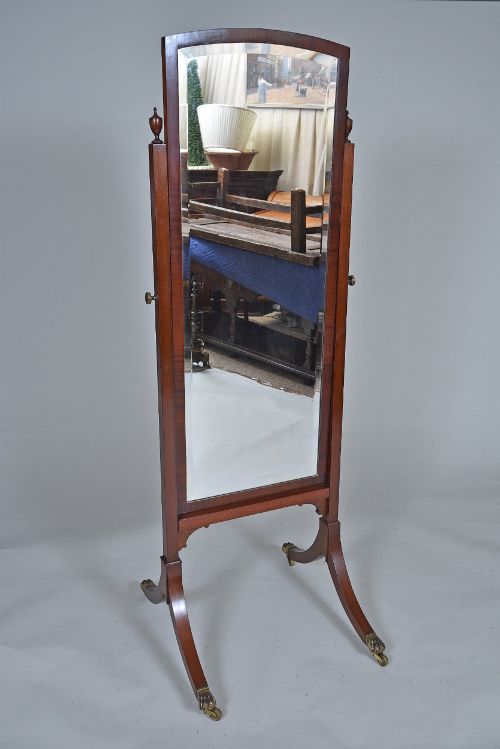
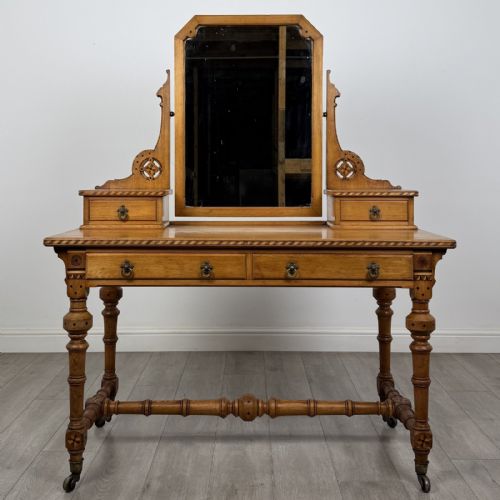
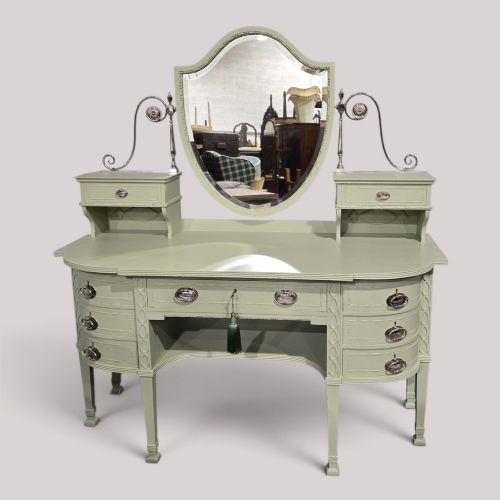
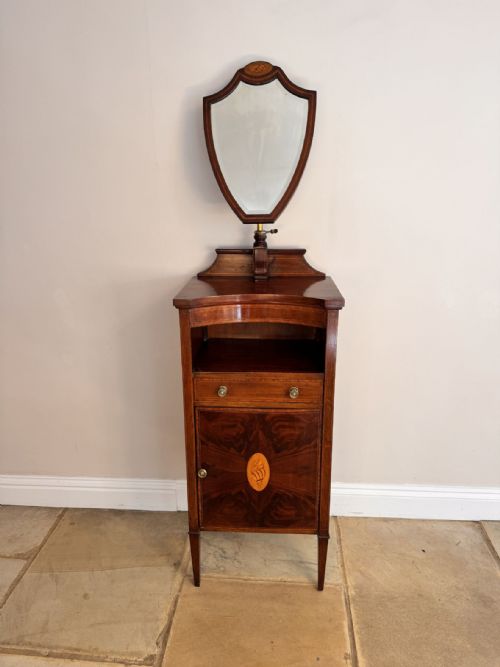
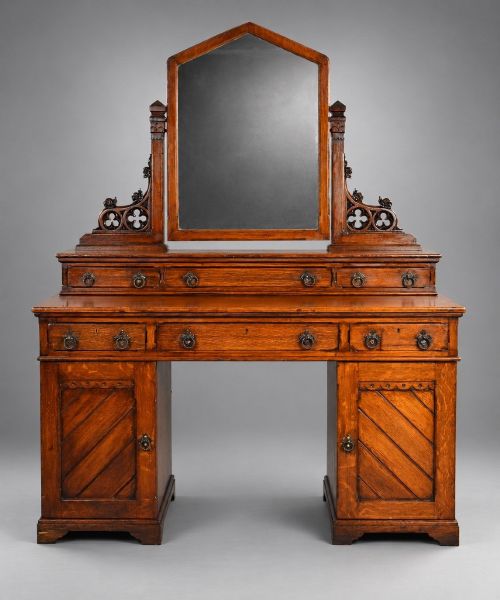
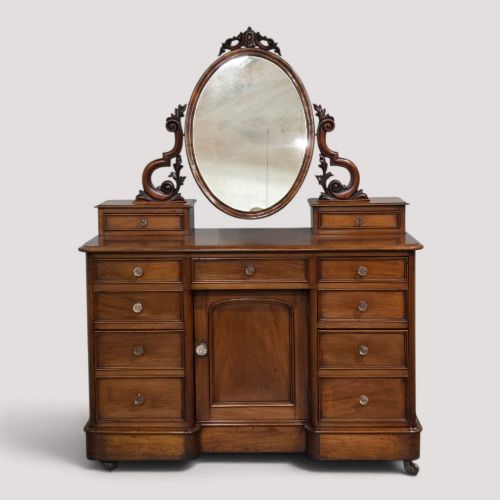
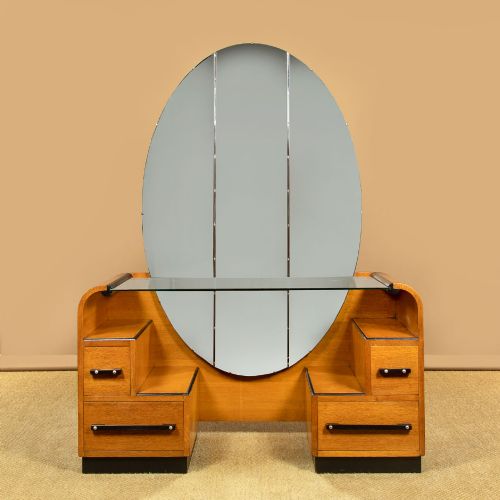
When searching for an antique bedroom dressing mirror, buyers encounter a mix of compact table-top swing glasses and substantial freestanding cheval frames. The evidence shows these pieces span periods from the Georgian era through the Victorian and Edwardian decades into the Art Deco style of the 1930s. Tabletop versions often sit atop multi-drawer boxes, while cheval mirrors pivot on floor-standing vertical supports.
Materials and Construction
Makers relied heavily on solid hardwoods like mahogany, walnut, and oak, often applying figured veneers such as burr walnut or maple to prominent surfaces. Frames utilised traditional joinery techniques, with swing mirrors supported by turned or shaped uprights resting on box bases fitted with small drawers. Larger cheval models incorporate weighted floor frames and brass pivots that allow the glass to tilt.
Glass plates in older examples frequently show hand-beveled edges or subtle imperfections characteristic of historical silvering processes. Brass fittings, including candle sconces, handles, and adjustable screws, appear alongside inlaid decorative motifs in satinwood or ebonised timber. These materials reflect the prevailing design aesthetics of each respective period, from Georgian restraint to Arts and Crafts simplicity.
Antique Bedroom Dressing Mirror Retail Price Guide 2026
Typical asking prices for bedroom dressing mirror among the pieces listed under this phrase on Sellingantiques today, from the lower quarter to the upper quarter. They describe what is for sale here now, not the wider market.
The listings on this site span from 18th-century Georgian designs through Victorian and Edwardian iterations to 1930s Art Deco styles.
Assessing Quality and Execution
Quality in these pieces rests upon the selection of timber and the precision of the cabinetwork. Superior examples display carefully matched veneer grains across drawer fronts and frame borders, alongside robust framing that prevents the mirror plate from sagging. The integration of secondary woods in drawer linings and the retention of original brass hardware indicate higher standards of manufacture.
The sophistication of the carving, inlay, or painted finishes distinguishes standard production from exceptional workshop output. Pieces produced by noted makers or retailers demonstrate refined proportions and meticulous attention to hidden structural details. Originality of components, including the mirror glass and backing boards, contributes significantly to the integrity of the piece.
Maples of London and Paris·Waring and Gillows·Shapland and Petter·Heals
The Antique Bedroom Dressing Mirror Glossary
- Cheval mirror
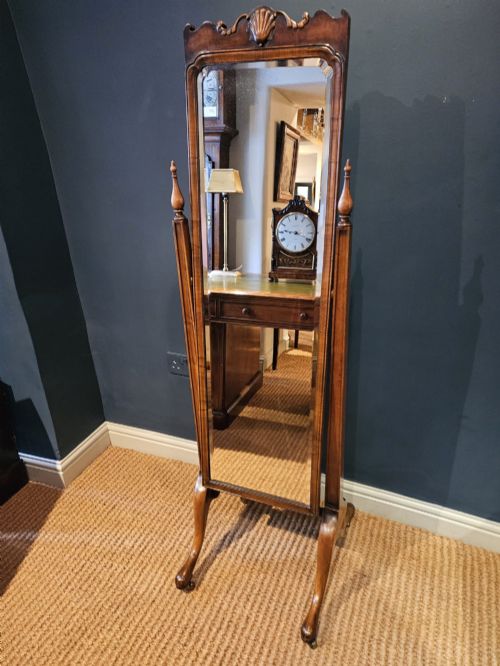
- A full-length framed mirror that pivots vertically within a freestanding floor-standing frame. This form became popular in the late eighteenth century and persisted through the Victorian and Edwardian periods.
- Toilet mirror
- A smaller tabletop mirror designed to sit on a dressing chest or table, usually featuring a swivelling glass mounted on a miniature box base with small drawers. It is also frequently termed a dressing table mirror.
- Triplate dressing mirror
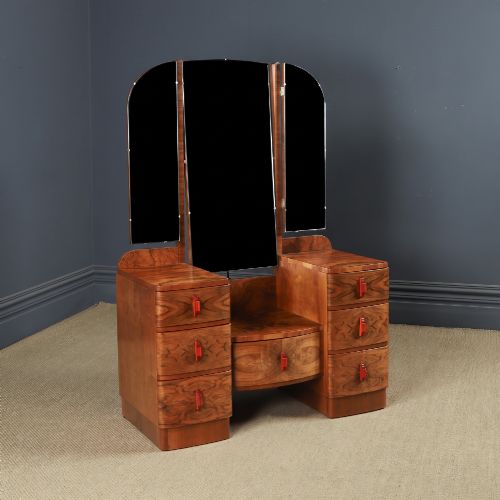
- A dressing mirror featuring three separate glass panels, where the two outer hinged wings angle inward to allow the user to view themselves from multiple sides. These often appear on Edwardian and Art Deco dressing chests.
- Burr walnut
- A veneer sliced from the knot growths of a walnut tree, prized for its swirling, highly figured grain patterns. Makers utilised it on prominent surfaces of Victorian and 1930s furniture to create decorative contrast.
Antique Bedroom Dressing Mirror: Frequently Asked Questions
What is a cheval mirror?
A cheval mirror is a tall, freestanding dressing glass that hangs on pivots within a vertical wooden frame, allowing the entire assembly to tilt.
These pieces were designed to provide a full-length reflection in the bedroom and typically stand directly on the floor.
How do I date an antique mirror?
Dating relies on observing the timber species, construction joints, backboards, and the style of the frame moulding. Georgian and Victorian pieces often show hand-cut dovetails in the drawer boxes, while later Edwardian and Art Deco versions employ different veneering techniques and machine-made elements.
Examining the glass itself can also offer clues, though replacement plates are common in antique looking glasses.
Where should I place a dressing mirror?
Smaller toilet mirrors are best positioned on top of a sturdy chest of drawers or a dedicated dressing table at a comfortable height for seated use. Freestanding cheval mirrors require adequate floor space in a bedroom or dressing area to allow the pivoting frame to tilt safely without obstruction.
What timber was commonly used?
Mahogany, walnut, and oak dominate the surviving examples across the Georgian, Victorian, and Edwardian periods. Makers also utilised maple, satinwood, and burr walnut veneers to add decorative contrast and visual depth to the frames and drawer fronts.