
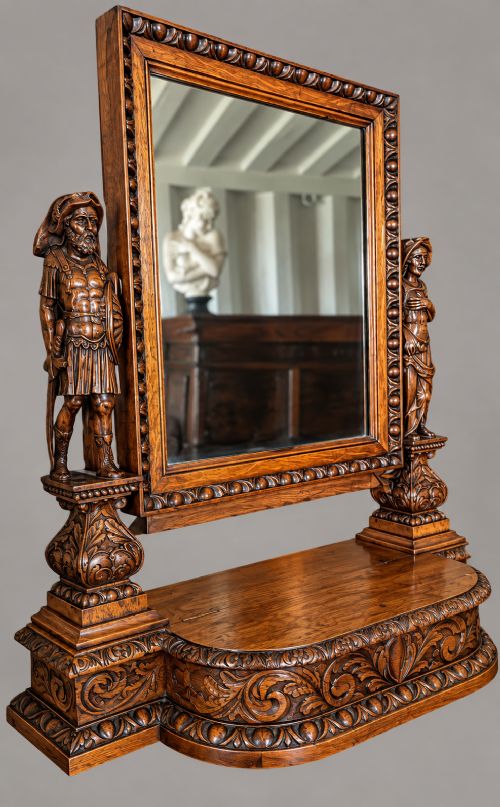
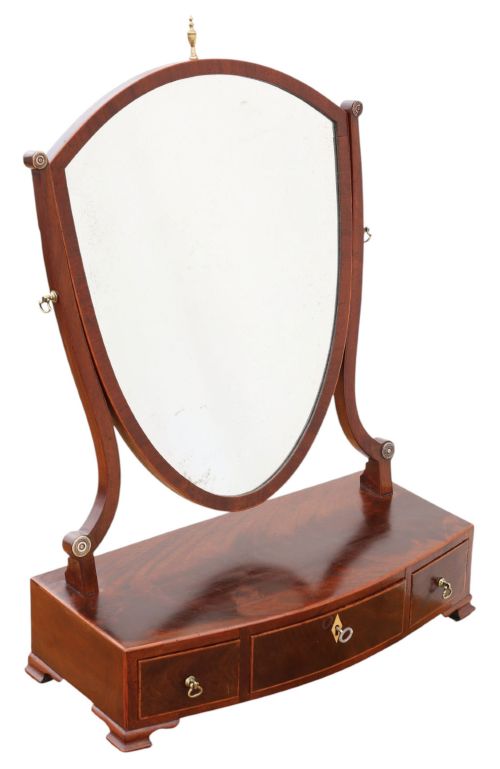
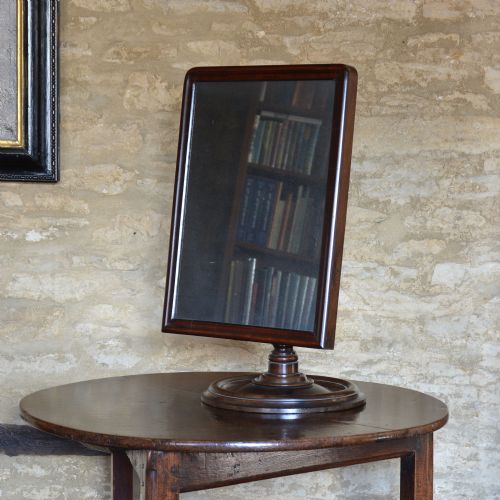
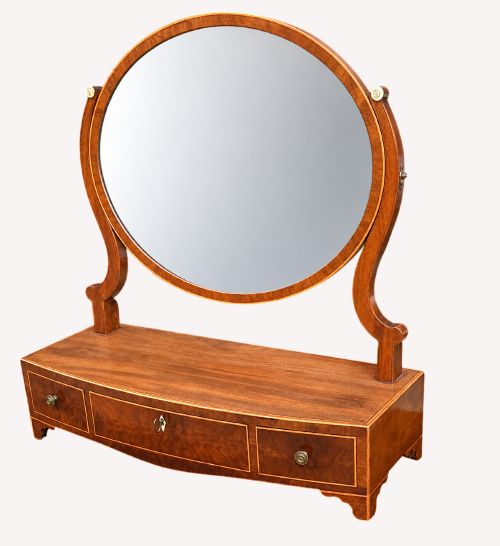
Tabletop Dressing Table Mirror
These tabletop dressing table mirror examples bring practical elegance and period warmth to a room, offering the exact proportions needed for a dressing area.
What a tabletop dressing table mirror is
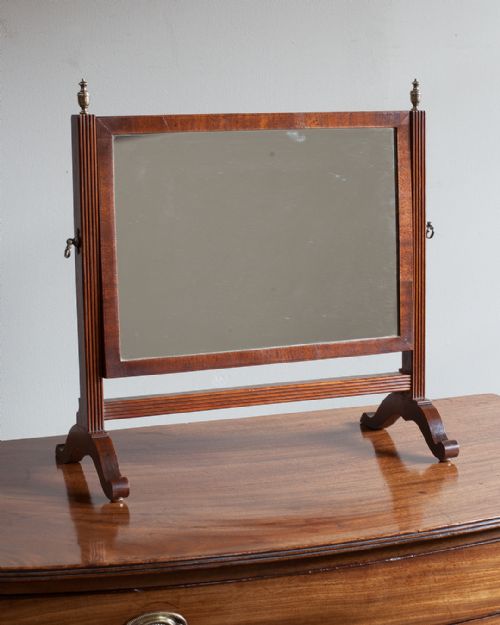
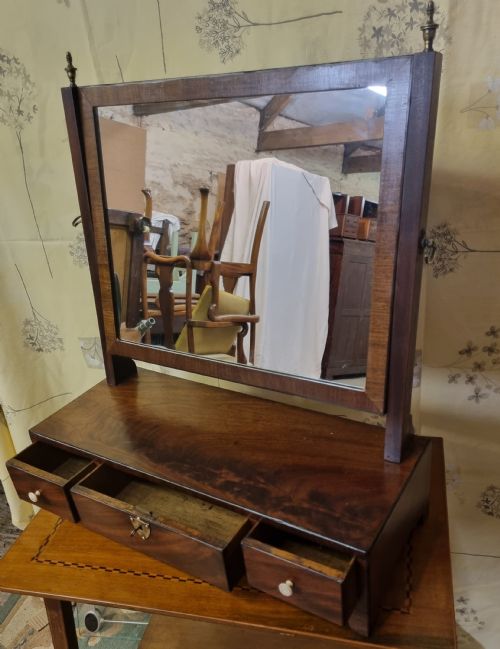
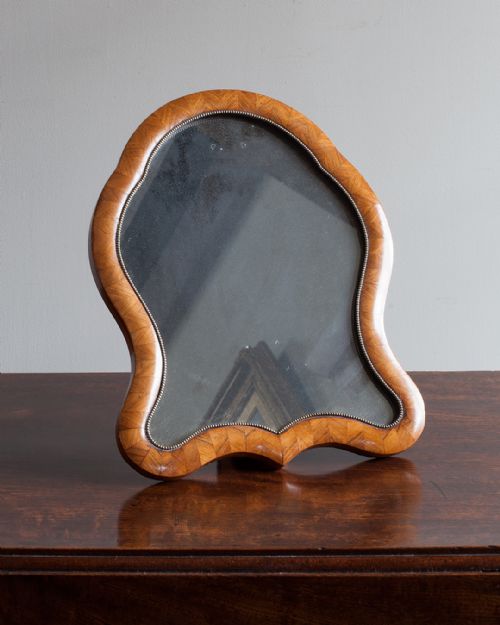
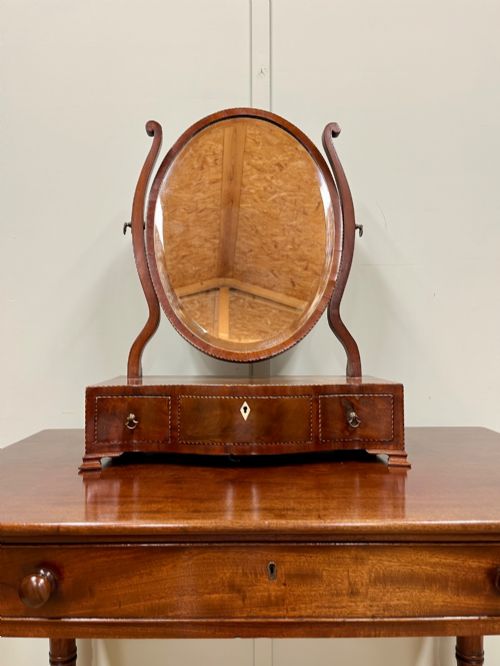
A tabletop dressing table mirror sits on top of a larger piece of furniture, providing a movable reflecting surface for daily grooming. These pieces range from compact Georgian toilet mirrors to later Edwardian shield shape designs.
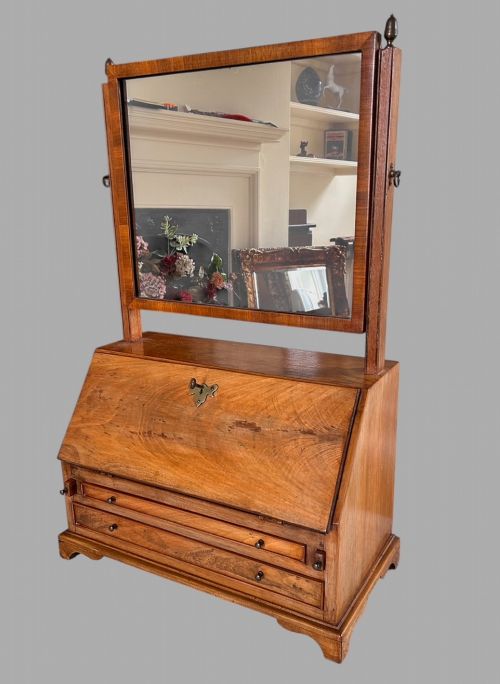
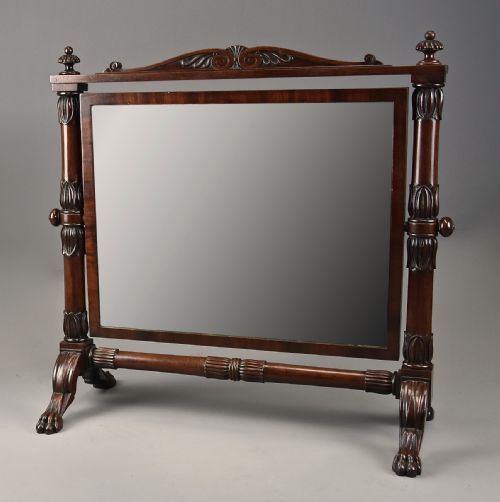
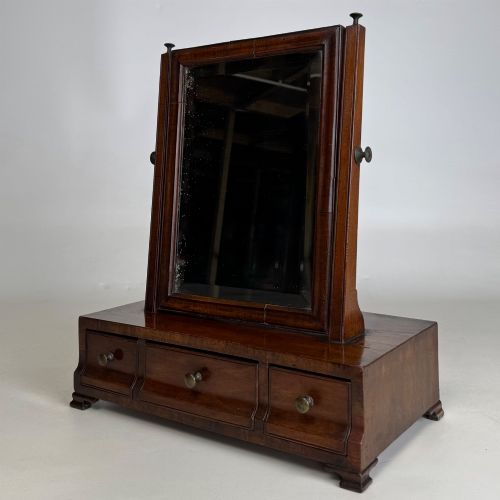
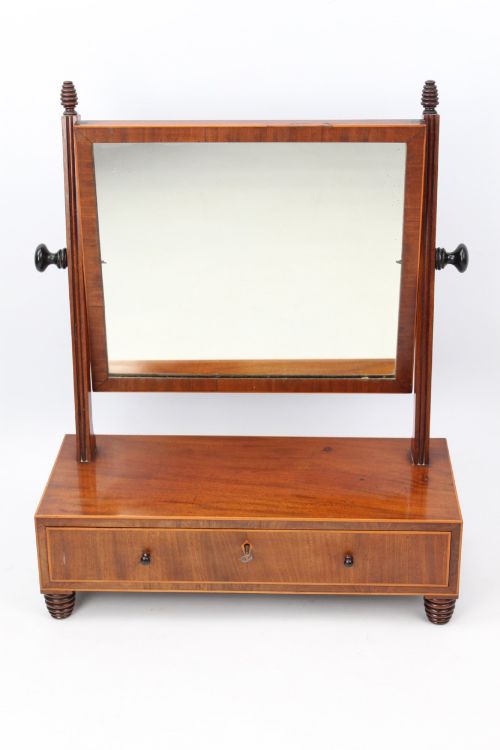
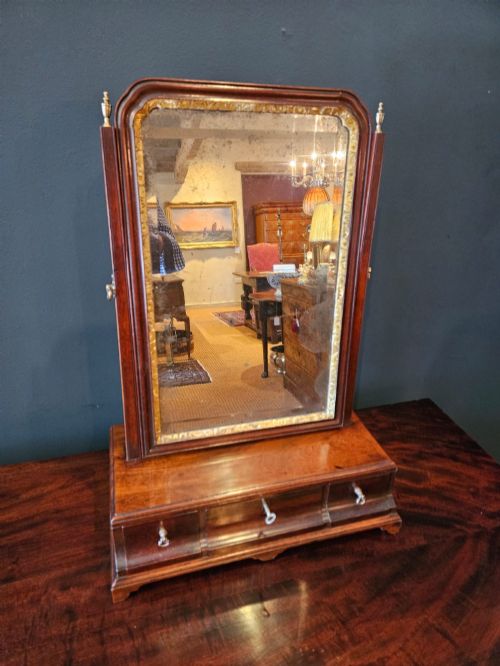
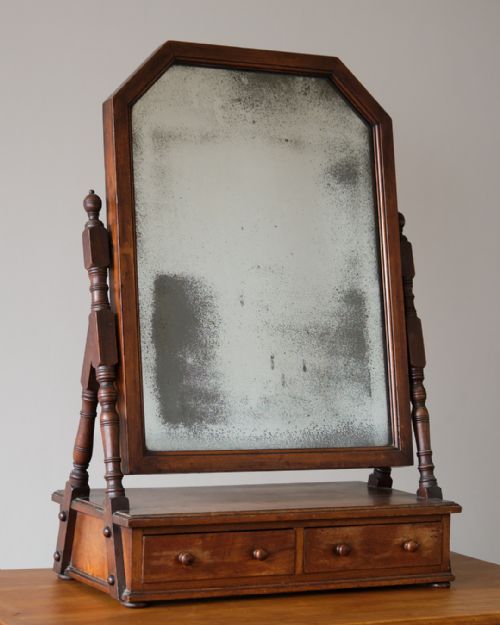
The primary forms on this page include traditional dressing mirrors and compact toilet mirrors fitted with useful small drawers. They originate from distinct eras including the Georgian, Regency, and Edwardian periods.
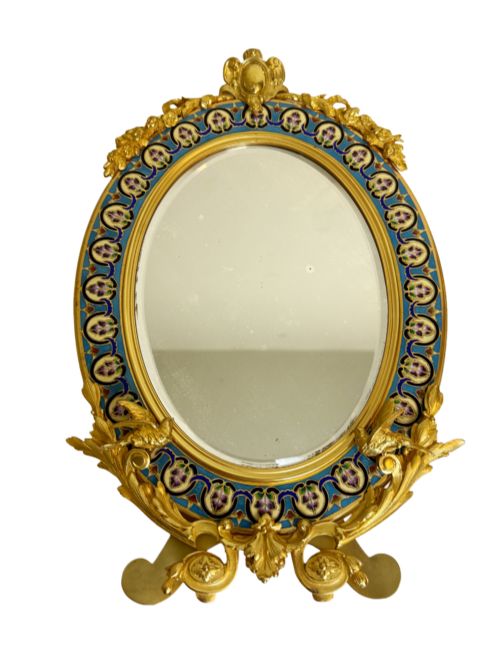
Buyers seeking a tabletop dressing table mirror encounter classic rectangular and oval formats designed to complement period interiors. Each piece demonstrates the domestic utility and decorative refinement valued in earlier centuries.
How they were made
Cabinetmakers constructed these frames principally using rich timbers such as mahogany, sometimes applying painted wood finishes or incorporating delicate bone details. The underlying woodwork relies on traditional joinery methods suited to supporting pivoting mirror plates.
Fittings generally incorporate brass hinges, knobs, and small secure fasteners that allow the glass frame to tilt at various angles. The glass itself is standard mirror glass, held securely within shaped wooden surrounds.
Retail Price Guide 2026
Typical UK retail prices for tabletop dressing table mirror, calculated from the Sellingantiques database of over a million retail prices indexed since 2003. This retail price guide relies exclusively on Sellingantiques data; no external sources or auction records are used, so the figures do not describe the wider market.
Current listings feature pieces spanning the Georgian, Regency, and Edwardian periods, constructed primarily in mahogany with brass and glass elements.
What varies in quality
Quality in these mirrors rests on the selection of timber and the precision of the woodwork around the drawers and frame. Superior examples display carefully figured mahogany grains and balanced proportions that elevate a simple utility object into fine furniture.
The refinement of the supporting standards and the integration of decorative elements like serpentine drawer fronts distinguish standard pieces from more ambitious cabinet work. Finer execution shows in the crispness of the shaping and the harmony of the overall design.
The Tabletop Dressing Table Mirror Glossary
- Toilet mirror
- A smaller mirror designed to stand on a dressing chest or table, typically featuring small drawers in the base. These were essential items in period bedchambers before full-length cheval glasses became common.
- Serpentine
- A gently undulating curved line forming the front shape of a cabinet or drawer unit. This stylistic choice adds fluid grace to the rectangular geometry of the mirror base.
- Shield shape
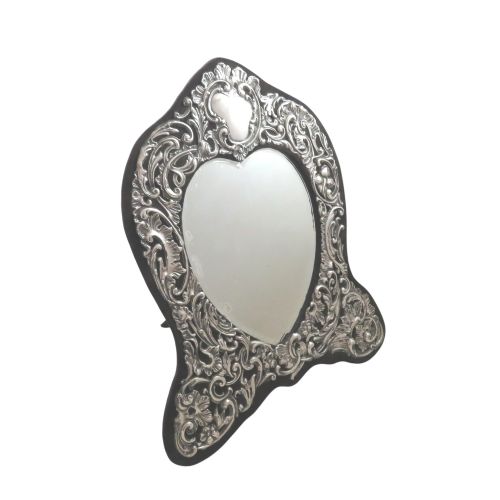
- A mirror glass cut and framed in the outline of a heraldic shield, popular in later revival and Edwardian pieces. It offers a softer silhouette compared to traditional rectangular plates.
- Regency
- A stylistic period spanning the early nineteenth century characterised by classical restraint and refined proportions. Pieces from this era often lean towards architectural lines and dark native timbers.
- Sheraton
- A neoclassical furniture style associated with light, elegant forms and fine decorative veneers. Named after a prominent designer of the late eighteenth century, it frequently utilises mahogany and subtle inlay.
Frequently Asked Questions
What is a tabletop dressing table mirror used for?
These pieces serve as movable reflecting surfaces traditionally placed on top of chests of drawers or dressing tables. They provide a convenient height for personal grooming and cosmetic application in a bedchamber.
Beyond simple utility, they add a decorative focal point to a surface, reflecting light and the surrounding interior. Their built-in drawers also offer modest storage for small personal items.
How do I identify a Georgian mirror?
Georgian mirrors typically feature warm mahogany construction, often accompanied by bracket feet and small trinket drawers beneath the glass frame. The woodwork reflects the cabinet-making standards of the eighteenth century.
Look for traditional construction details such as hand-cut dovetails on the drawer boxes and original brass hardware. The overall aesthetic prioritises sturdy proportion combined with understated elegance.
Where should I place this mirror?
A tabletop dressing table mirror sits securely on any stable horizontal surface of appropriate depth, such as a chest of drawers or a dedicated vanity. Ensure the piece has sufficient clearance behind it for the frame to tilt.
Positioning the mirror near a natural light source maximises its practical function while illuminating the surrounding room. Keep the piece away from direct, harsh sunlight to protect the aged timber finish.
How do I care for antique wood and glass?
Maintain the timber surfaces by dusting regularly with a soft, dry cloth and occasionally applying a suitable quality wax to nourish the grain. Avoid chemical sprays that can damage historic finishes.
Clean the mirror glass gently using a cloth slightly dampened with water or a mild glass cleaner, taking care not to let moisture seep behind the edge of the frame. Preserving the original mirror plate often means accepting minor age spots as part of its character.