



19th Century Table Mirror
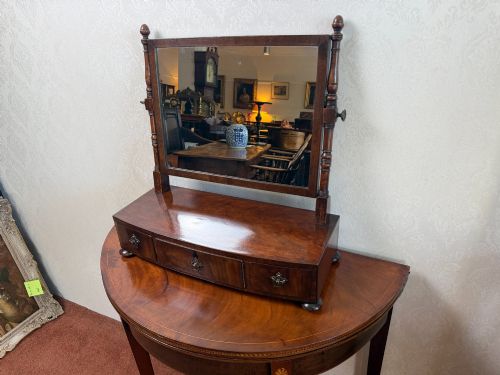
When you search for a 19th century table mirror, you find portable swing frames designed for dressing tables and chests of drawers.
19th Century Table Mirror
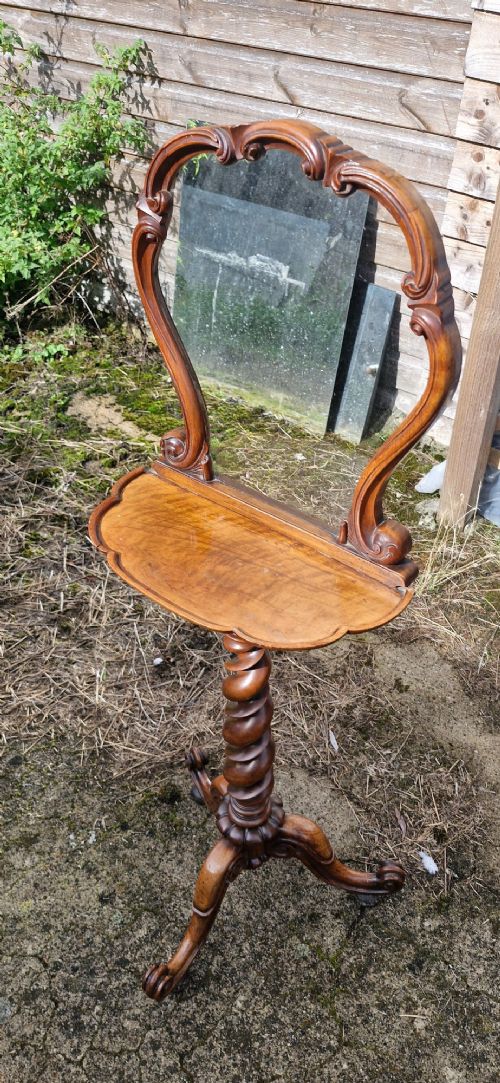
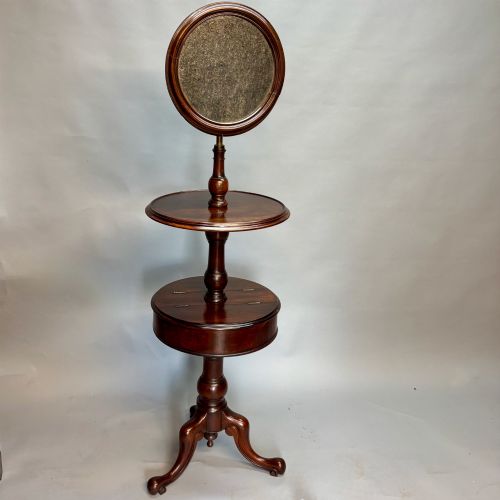
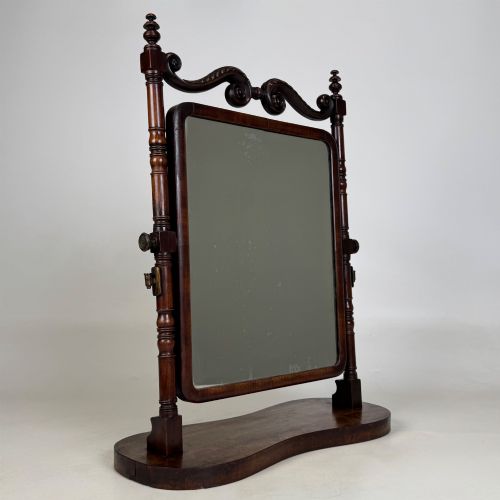
A 19th century table mirror sits on a larger surface, providing a reflective glass plate supported by upright arms and a stable base. The form encompasses compact toilet mirrors, shield-shaped swing plates, and bureau fitments designed for domestic grooming.
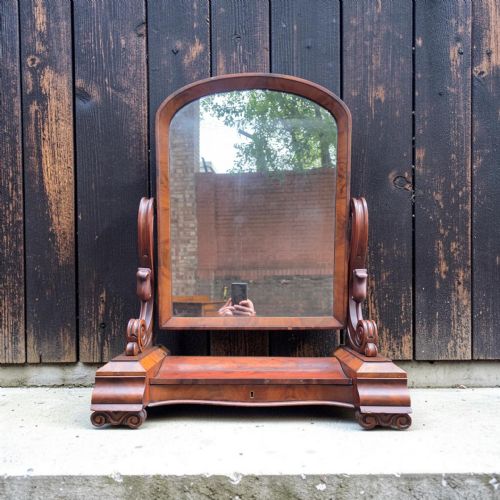
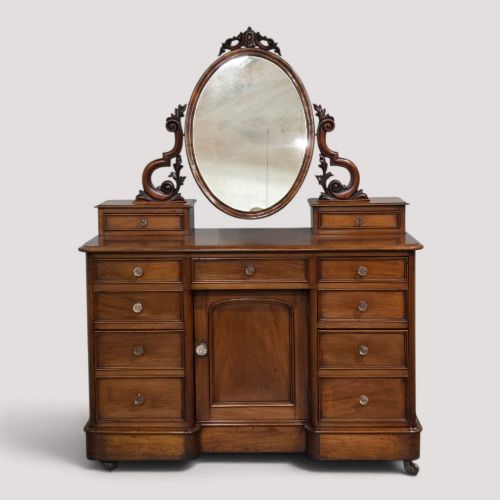
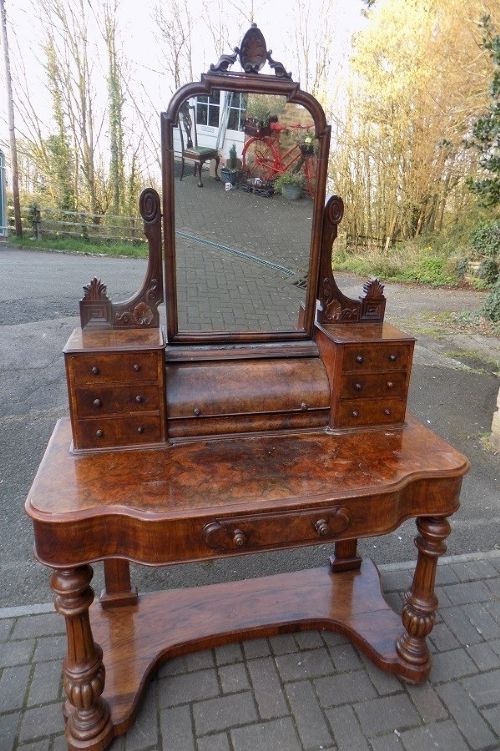
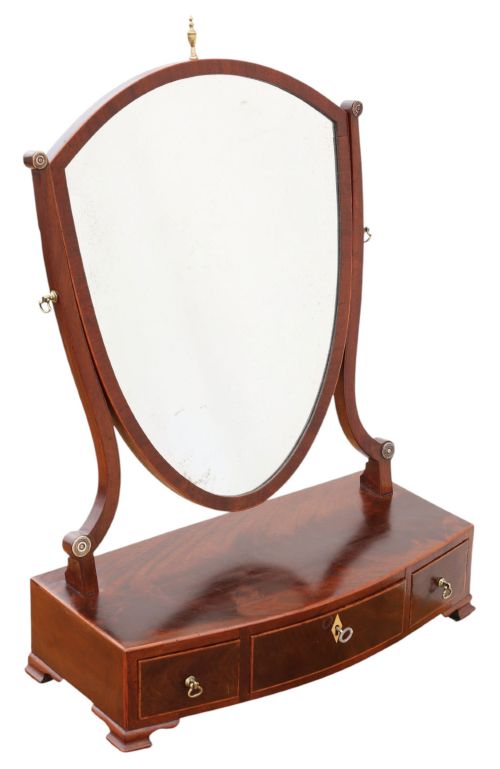
The mahogany swing mirror with small drawers beneath the plate appears most frequently on this page. These examples span Georgian survivals, Regency designs, and later Victorian interpretations built to sit on matching chests.
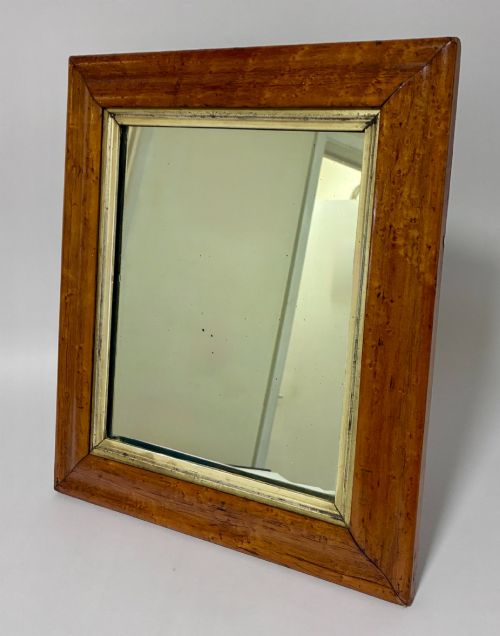
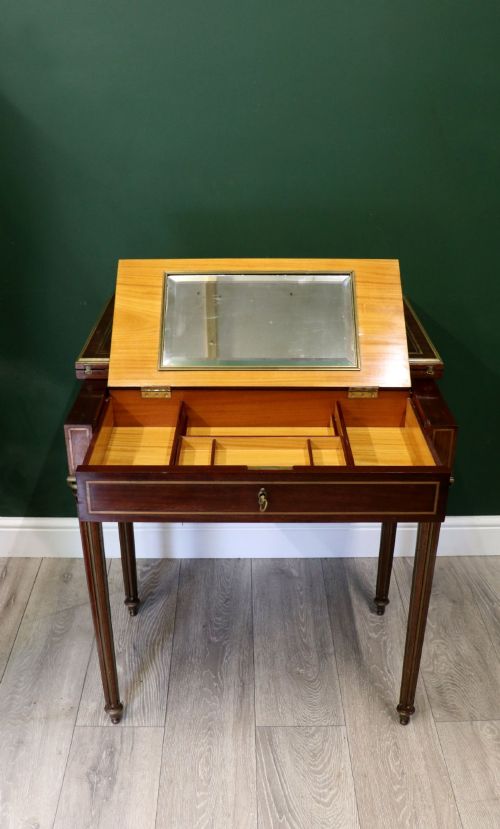
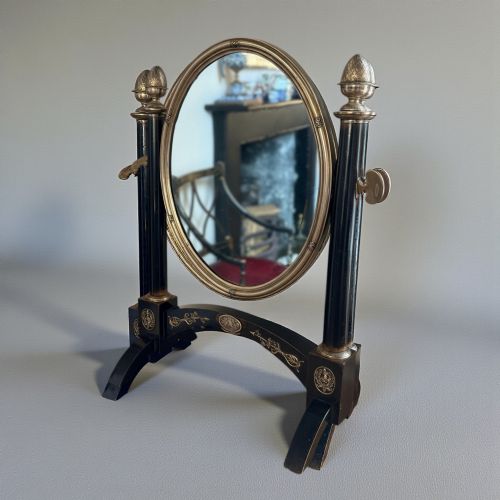
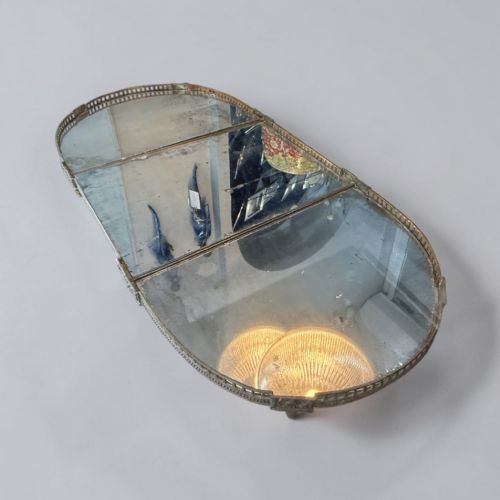
Makers and manufacturers produced variations ranging from simple pine frames to elaborate French champleve and gilt bronze easel mirrors. Many incorporate small compartment drawers or adjustable pivots to alter the angle of the glass.
Materials and construction
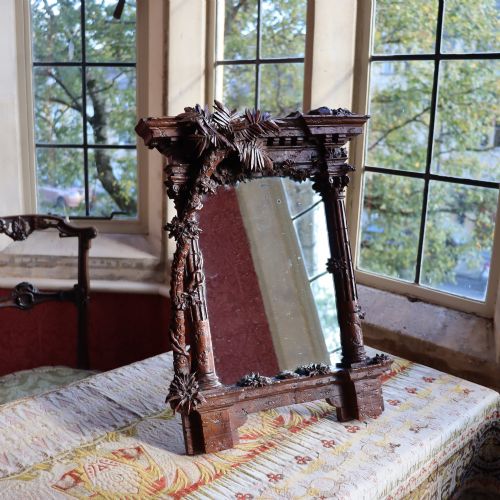
Timber selection dictates the core structure, with solid and veneered mahogany dominating alongside walnut, burr walnut, and lime wood. Cabinetmakers utilised dovetail joints for the small base drawers and turned or carved upright supports to hold the mirror frame.
Metals such as brass, ormolu, and gilt bronze provide structural mounts, decorative hinges, and adjustable candle arms. Glass plates are set into rebated frames, sometimes featuring bevelled edges or backed with protective wooden panels.
19th Century Table Mirror Retail Price Guide 2026
Typical asking prices for 19th century table mirror among the pieces listed under this phrase on Sellingantiques today, from the lower quarter to the upper quarter. They describe what is for sale here now, not the wider market.
Secret compartments occasionally hide behind miniature drawer units.
What separates the tiers
Quality rests in the precision of the cabinetwork and the selection of figured veneers. Superior examples display tightly figured mahogany or burr walnut with matching grain across the drawer fronts and frame.
Refinement in carving, the weight of cast brass fittings, and the integrity of the original mirror glass separate standard workshop output from exhibition pieces. The stability of the pivot mechanism and the thickness of the secondary timbers dictate durability.
Gillingtons of Dublin·Louis Auguste Moreau
The 19th Century Table Mirror Glossary
- Swing mirror
- A glass plate mounted on pivots between two upright arms, allowing the user to tilt the reflection. This configuration sits upon a box base or scroll feet.
- Toilet mirror
- A smaller table mirror designed specifically for a dressing table or washstand. These often feature miniature drawers for storage.
- Champleve
- An enamelling technique where recessed areas on a metal surface are filled with vitreous enamel. It appears on decorative frames from the later part of the period.
- Ormolu
- Gilded bronze mounts applied to furniture and mirror frames. The technique creates rich metallic highlights across French designs.
- Shield mirror
- A glass plate shaped into an upright curve resembling a heraldic shield. This silhouette is typical of late Georgian and early Victorian designs.
19th Century Table Mirror: Frequently Asked Questions
How do I date a table mirror?
Dating relies on timber choices, construction methods, and hardware styles. Early pieces often feature secondary woods like oak and simpler bracket feet, while later examples show machine-sawn components and different veneer thicknesses.
Examining the mirror glass itself can offer clues, though many plates have been replaced over the decades. The joinery of the base drawers provides the clearest indication of period craftsmanship.
Were these mirrors fixed or adjustable?
Most period examples use threaded brass screw caps and side pivots that allow the user to tilt the glass plate to the desired angle. Some specialist forms included adjustable candle arms or sliding mechanisms.
The tension on the pivots can be adjusted to hold the glass steady during daily use.
What is a toilet mirror?
A toilet mirror is simply a historical term for a table mirror designed for dressing and grooming. They were made to sit atop a dressing table, chest of drawers, or washstand.
Many include small jewellery drawers integrated into the base platform.
How do I clean the wood and glass?
Maintenance requires gentle dusting with a dry microfibre cloth to protect polished timber surfaces. Avoid using modern silicone sprays or harsh chemical polishes on antique finishes.
Glass cleaner should be applied sparingly to a cloth rather than sprayed directly, preventing liquid from seeping behind the mirror plate.