
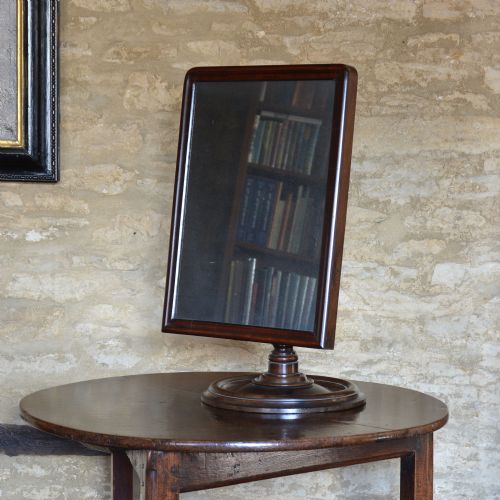
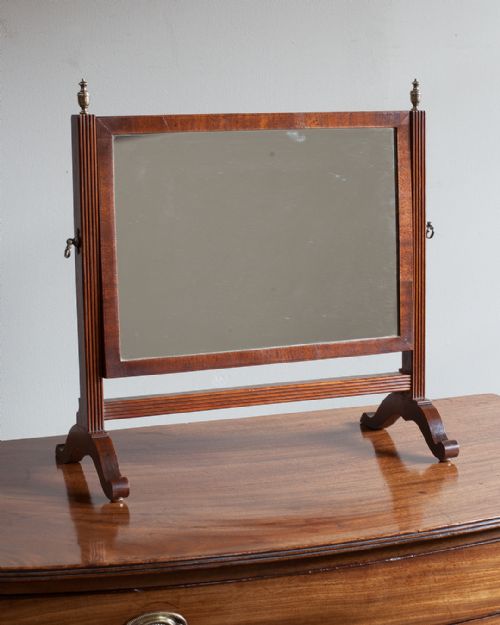
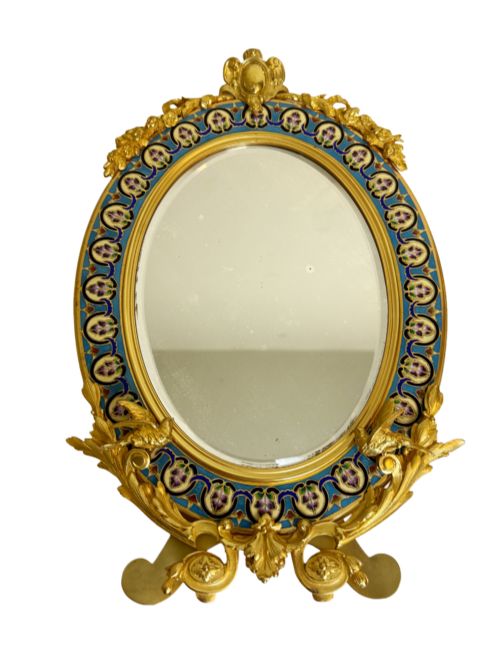
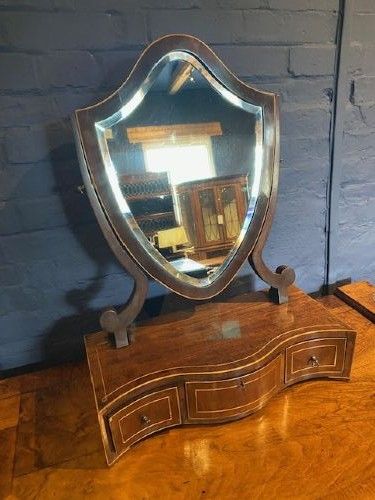
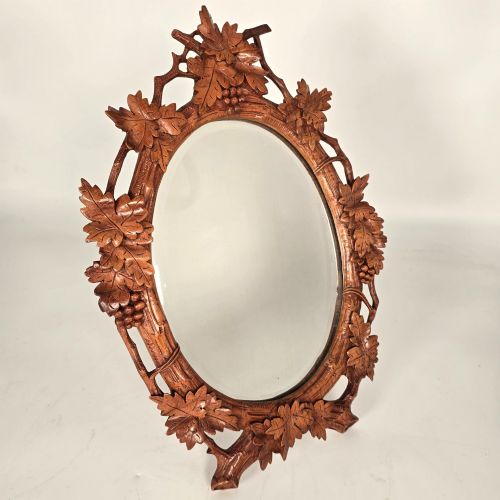
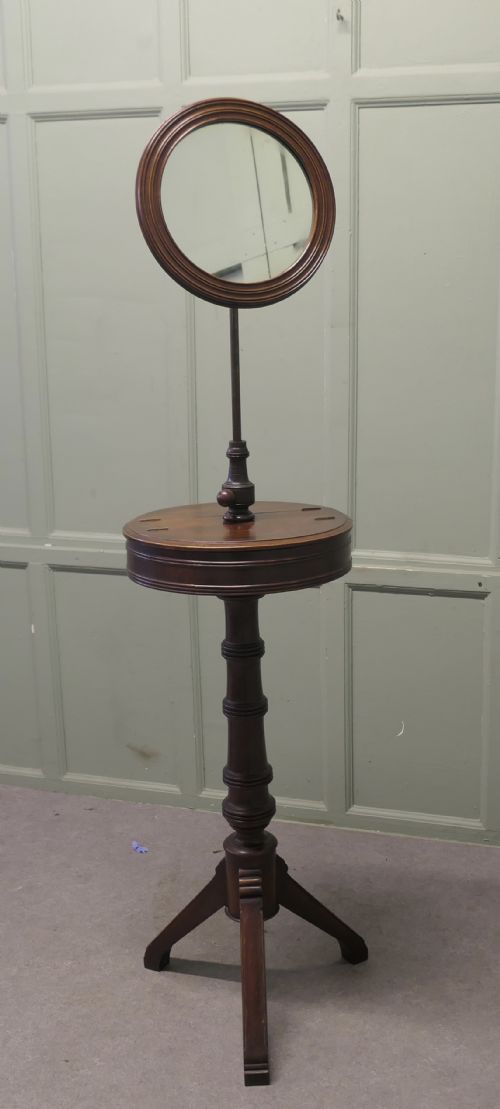
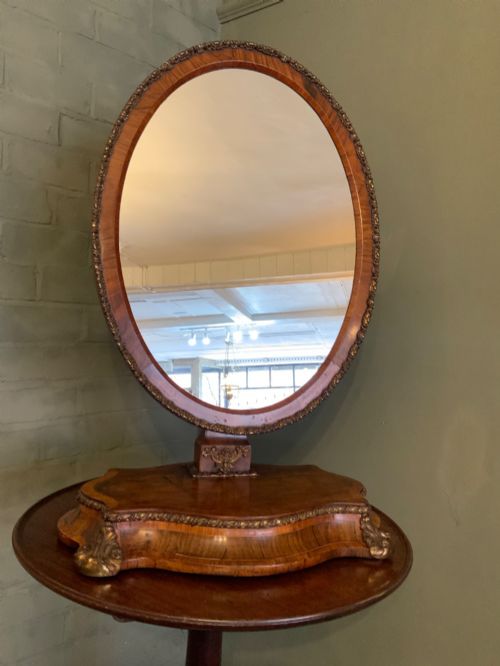
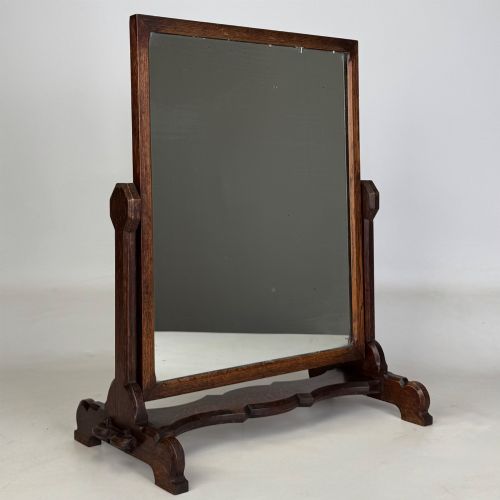
Standing Vanity Mirror
A standing vanity mirror brings functional elegance to a dressing room, offering adjustable reflection through pivoting frames.
Identifying standing vanity mirrors
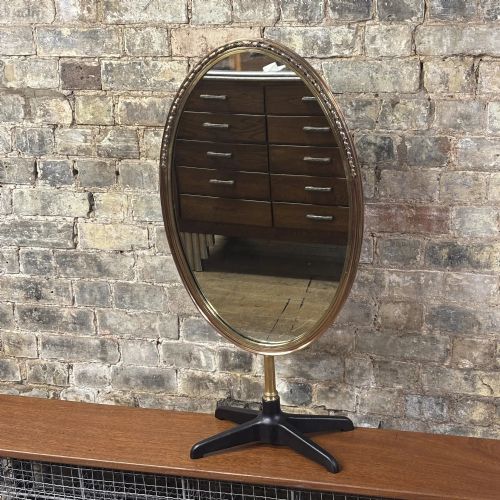
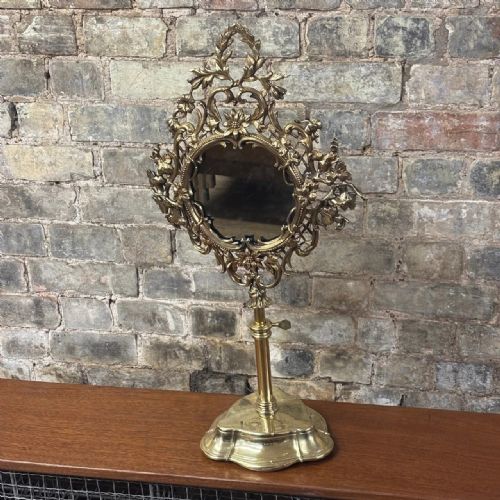
A standing vanity mirror comprises portable dressing pieces designed for tabletop use or full-length floor placement.
The pieces on this page span the nineteenth century and nineteen thirty, covering Victorian and Art Deco sensibilities.
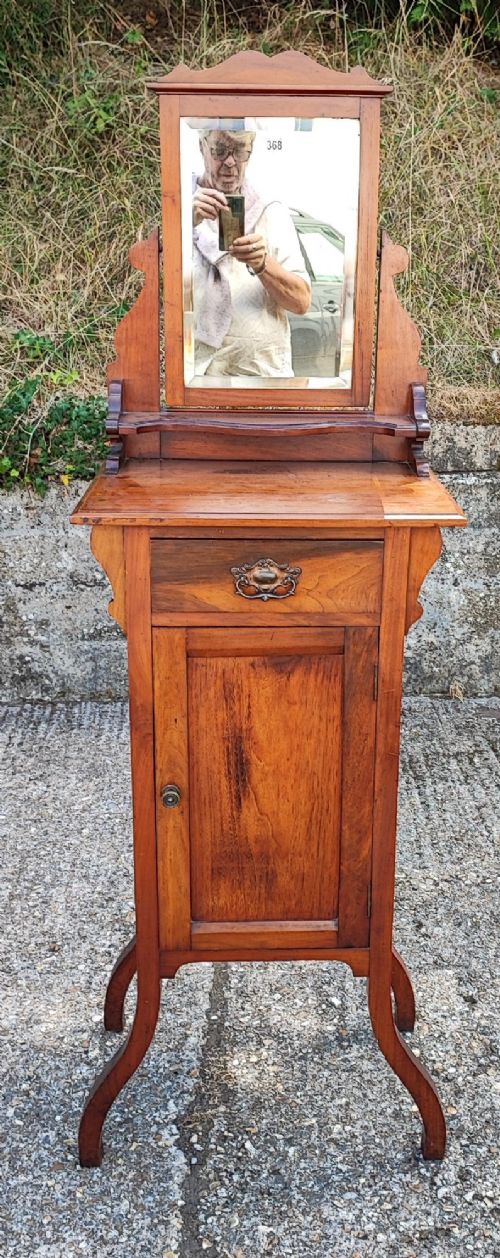
Forms include compact toilet mirrors and tall cheval styles, providing both close-up grooming and full-height views.
Materials and construction
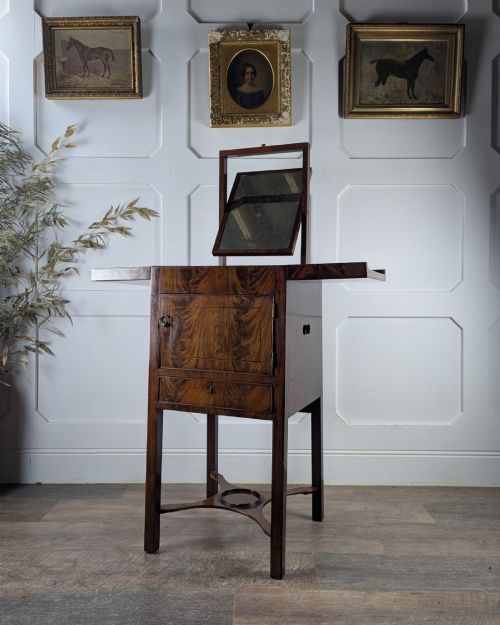
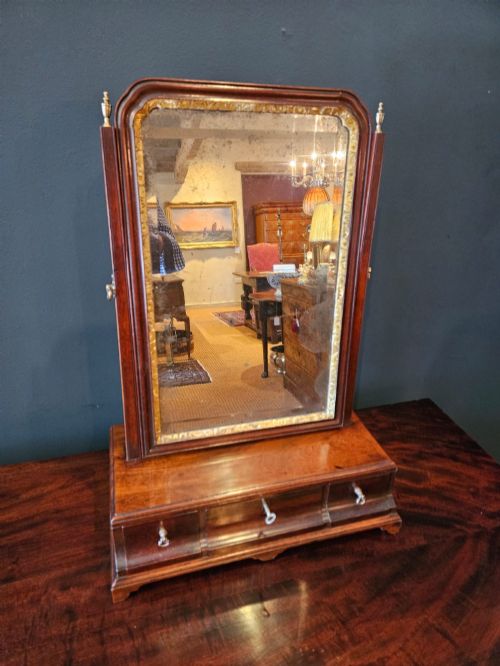
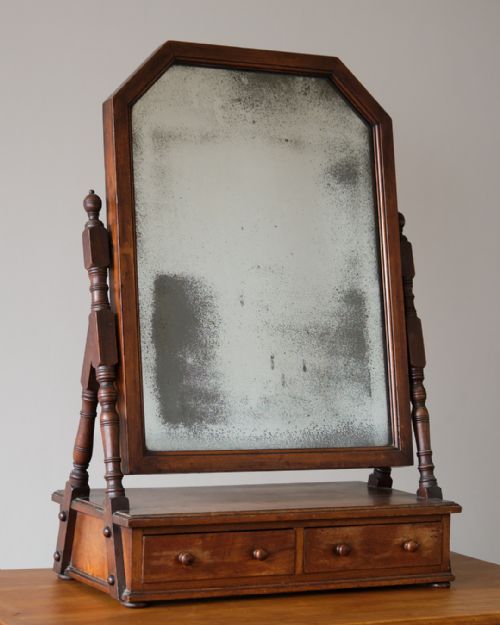
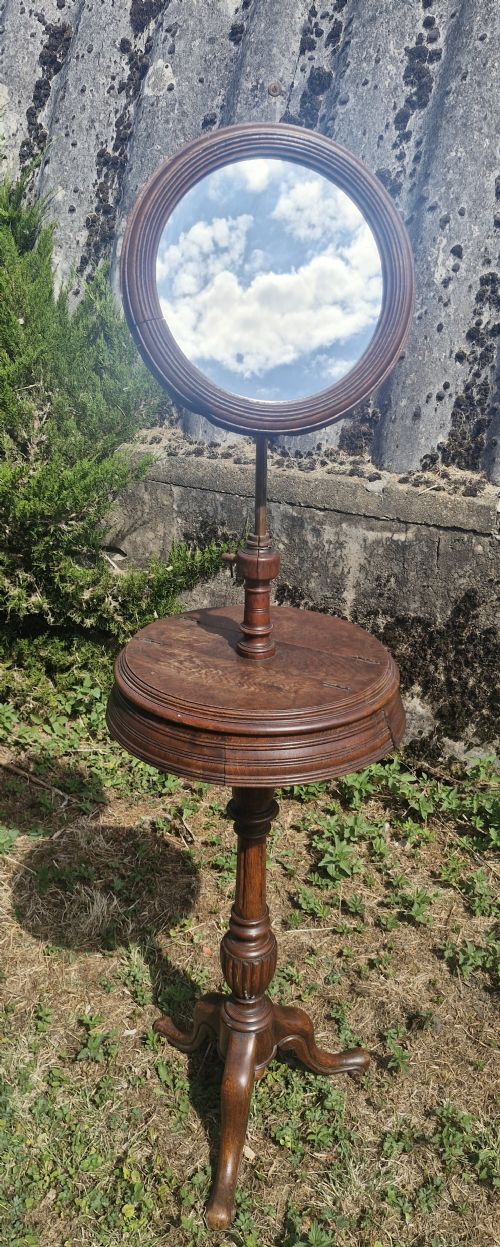
Frames and stands utilise timber construction in mahogany, paired with reflective glass panels for the mirror plates.
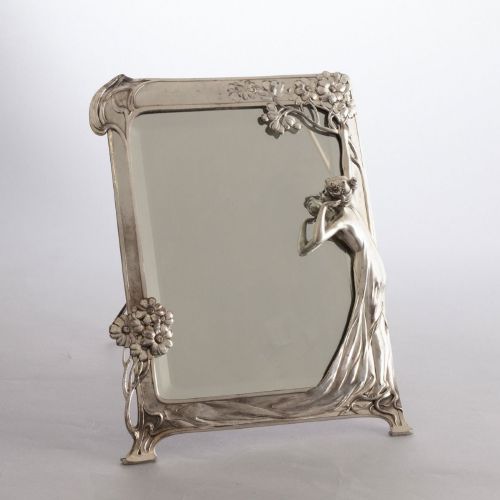
Metal elements appear in brass detailing and silver plate finishes, providing structural pivots and decorative mounts.
Mahogany stands quietly holding glass aloft, waiting to reflect centuries of morning routines.
Assessing quality
Quality rests in the weight and stability of the timber frame, alongside the clarity of the glass and the smoothness of the pivoting mechanism.
Materials dictate character, distinguishing solid mahogany framing from plated brass hardware.
The Standing Vanity Mirror Glossary
- Cheval mirror
- A freestanding full-length mirror suspended in a frame that allows it to swing. This design enables a person to view their entire outfit.
- Toilet mirror
- A smaller mirror designed to sit atop a dressing table or chest of drawers. These often feature small drawers within the base.
- Silver plate
- A thin layer of silver applied to a base metal object. This technique offers the appearance of solid silver at a different weight.
Frequently Asked Questions
What is a cheval mirror?
A cheval mirror is a full-length dressing glass mounted in a freestanding frame that tilts on pivots.
This design allows the user to adjust the angle to view their entire reflection from head to toe.
Where should I place a vanity mirror?
These mirrors sit comfortably on dressing tables, chests of drawers, or directly on the floor for full-length versions.
Placement near a natural light source maximises illumination for grooming and dressing.
How do I date a mirror?
Dating relies on observing the materials, construction methods, and stylistic cues present in the frame and hardware.
Victorian and Art Deco pieces each exhibit distinct decorative vocabularies and timber choices.
Are these mirrors adjustable?
Most standing designs utilise pivoting pins or hinges set into the side supports.
This mechanism lets you tilt the glass plate to the exact angle required for use.