


Silver Plated Vanity Mirror
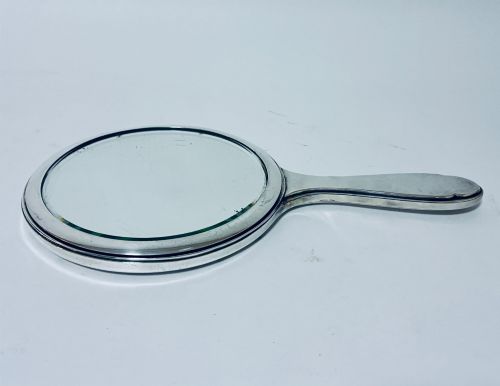
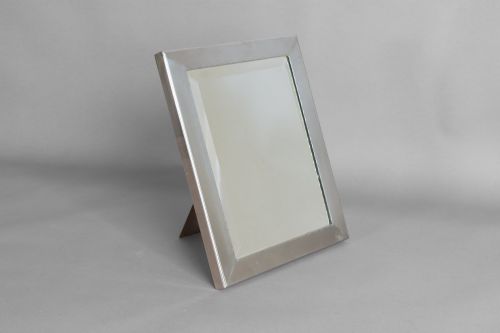
These silver plated vanity mirror pieces offer the gleaming dressing table accessories collectors want, spanning styles from Victorian to Art Deco.
Silver Plated Vanity Mirror
A silver plated vanity mirror brings functional elegance to dressing tables, appearing across periods from Victorian ornate designs to geometric Art Deco creations. Buyers seeking a silver plated vanity mirror encounter various forms including easel backs, triptych dressing table mirrors, and compacts.
The selection ranges from early Victorian heart-shaped examples and Edwardian pieces to 1930s Art Deco items and mid-century Peruvian colonial revival work. Table mirrors and mirrored trays also feature prominently among these dressing table accessories.
Materials and construction
Makers utilised silver plate over underlying metals, combining glass and mirror plate with supportive wooden backs or easel stands. Enamel work and suede linings appear in portable items like compacts.
Art Nouveau pieces demonstrate organic Secessionist metalwork, whilst Venetian and French mirrors employ specialised glass framing and etching techniques.
Some compacts include original suede linings and delicate mesh compartments, preserving miniature dressing table rituals from the 1930s.
Assessing quality
Quality rests in the crispness of metalwork details, particularly in Art Nouveau floral motifs and Art Deco geometric lines. The integrity of the silver plate and the clarity of the original mirror glass or bevelled mirror plate distinguish finer examples.
Makers such as WMF demonstrate superior manufacturing standards in their metal frames. Additional elements like applied enamel work, structural suede linings, and well-fitted easel backs elevate the standard of individual pieces.
WMF·Evans
The Silver Plated Vanity Mirror Glossary
- Easel back
- A hinged support strut attached to the reverse of a mirror allowing it to stand upright on a table. This feature is common in dressing table accessories.
- Triptych
- A mirror composed of three panels, where the two outer hinged wings can be angled. This design provides multiple viewing angles.
- Secessionist
- An artistic movement related to Art Nouveau characterised by stylised geometric forms. It appears frequently in continental metalwork.
- Mirror plate
- The flat glass sheet coated with a reflective metal backing. Older examples often display characteristic silver oxidation and bevelled edges.
- Compact
- A small portable case containing a mirror and space for powder. Some incorporate mesh surfaces and decorative enamel lids.
Silver Plated Vanity Mirror: Frequently Asked Questions
How do I date a silver plated vanity mirror?
Dating relies on stylistic clues, comparing the flowing organic lines of Art Nouveau items with the geometric symmetry of 1930s Art Deco pieces. Structural materials and construction methods also help place an item within periods like the Edwardian era or the Victorian period.
Examining the fixings, easel mechanisms, and any maker marks provides further confirmation of a piece's age. Listings often reference specific decades or broader historical eras to guide identification.
How were enamel and glass used?
Enamel provides colourful decorative panels on compacts and mirror backs, often contrasting with the surrounding silver plated metal. Coloured glass and mirror plate enhance decorative trays and frames.
Craftsmen integrated these materials to catch the light on dressing tables, combining reflective surfaces with rich tones like cobalt blue.
Are compacts considered vanity mirrors?
Compacts function as miniature vanity accessories, combining a small internal mirror with cosmetic storage. Pieces from makers like Evans incorporate decorative enamel and mesh.
They share the materials and aesthetic qualities of larger table mirrors while offering portable functionality.