
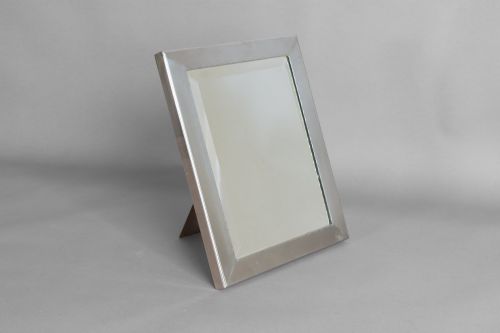
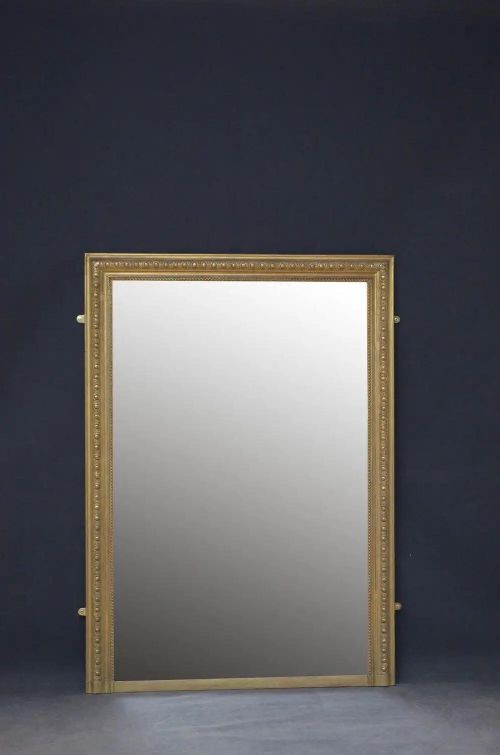
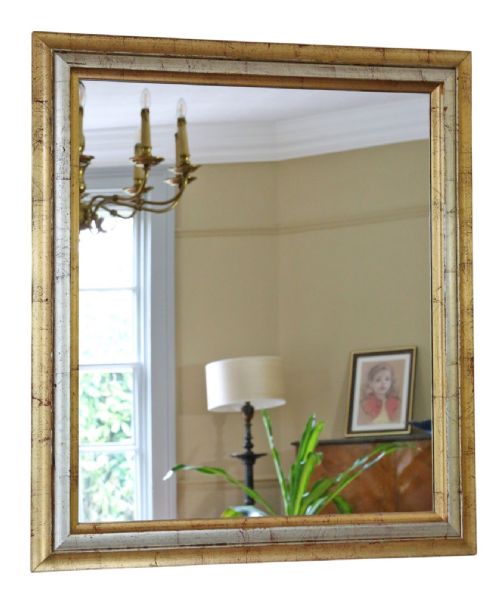


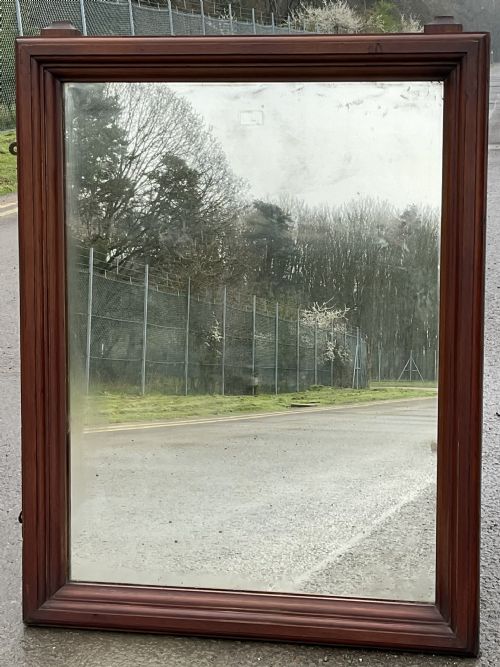


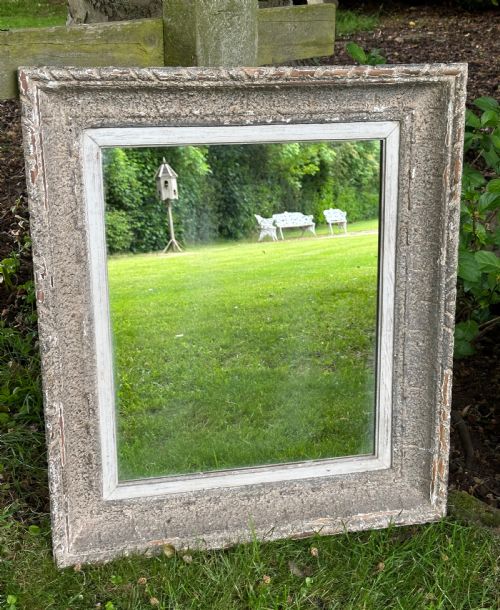

Rectangular Vanity Mirror
These rectangular vanity mirrors are functional surfaces and decorative fixtures that bring depth and period character to any dressing table or wall.
Rectangular Vanity Mirror
When you search for rectangular vanity mirrors, you are looking at items designed for personal grooming and interior reflection. The selection spans compact table models and larger hanging wall formats.
The pieces on this page draw from several distinct periods, including the Regency era, the Victorian period, and the 1930s. You will encounter dressing mirrors alongside wall-mounted examples.
Geographic origins vary across the inventory, with English and French pieces appearing alongside Anglo-Indian designs. Forms range from simple wooden frames to elaborate giltwood creations.
How they were made
Makers utilised timber frames such as mahogany, rosewood, and oak, often shaping the wood to suit the prevailing style of the period. Brass fittings and silver plate provide structural and decorative details.
Finishes include traditional gesso and giltwood applications that give the frames a metallic sheen. Certain pieces incorporate specialised techniques like brass inlay or faux bamboo carving.
Listings feature items from the Regency and Victorian periods, alongside twentieth-century examples in oak, mahogany, and giltwood.
What varies in quality
Quality in these mirrors rests upon the execution of the frame and the treatment of the materials. Finely carved gesso and crisp brass inlay demonstrate a higher level of workshop skill.
The choice of primary timber also dictates the character of the piece, with dense hardwoods like mahogany and rosewood offering greater durability and finer grain than simpler woods.
The Rectangular Vanity Mirror Glossary
- Giltwood
- Wood that has been covered with a thin layer of gold leaf. This technique was frequently utilised on Victorian and Regency frames to create a brilliant decorative surface.
- Gesso
- A plaster-like mixture applied to wood frames as a base for gilding or painting. It allows craftsmen to mould intricate relief ornamentation before applying the metallic finish.
- Silver Plate
- A thin layer of silver applied to a base metal object. This finish appears on pieces intended to provide a bright, reflective metallic appearance without solid silver construction.
- Faux Bamboo
- Wood carved and painted to imitate the segmented stalks of natural bamboo. This decorative style became popular during the late nineteenth century, particularly in French workshops.
Rectangular Vanity Mirror: Frequently Asked Questions
Where should I place a vanity mirror?
These mirrors suit dressing tables, chest tops, or walls where personal grooming or reflected light is desired.
Consider the height of the surface and the surrounding room proportions to ensure the piece sits comfortably in your space.
How do I identify a Regency mirror?
Regency pieces often display classical motifs, mahogany or rosewood frames, and specific proportions characteristic of the early nineteenth century.
Look at the construction methods and framing details to help distinguish them from later Victorian revivals.
Are these mirrors meant for walls or tables?
The inventory includes both hanging wall mirrors and dressing mirrors designed to sit on furniture surfaces.
Check the reverse of the frame for original hanging loops or supporting stands to determine its intended mounting.
What materials are common in these frames?
Wood is the primary material, with mahogany, oak, and rosewood frequently utilised by makers.
Many examples also incorporate giltwood, brass inlay, or silver plate to enhance their decorative appeal.