


Silver Plated Table Mirror
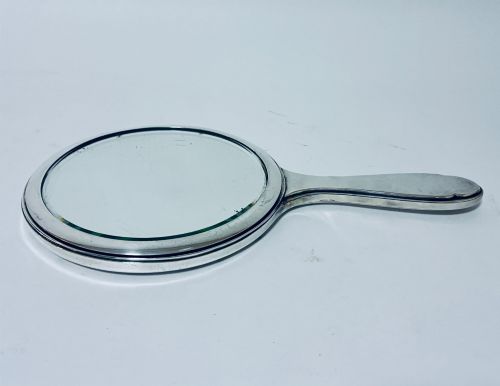
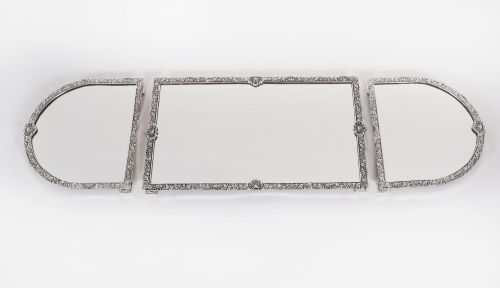
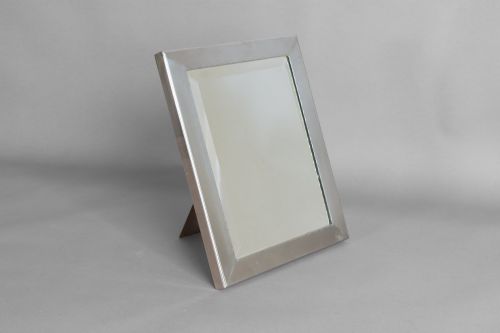
These silver plated table mirror examples combine polished glass with plated metal frames, offering functional vanity pieces for dressing tables and sideboards.
Silver Plated Table Mirror
A silver plated table mirror provides a reflective surface mounted within a supportive frame, designed to stand upright on furniture rather than hang upon a wall. These objects appear in forms such as vanity mirrors, dressing table mirrors, table plateaux, and easel back mirrors across various historical periods.
You are most likely to encounter Edwardian and Art Nouveau examples alongside pieces from the Victorian era and the 1920s or 1930s. Styles range from plain borders to elaborate figural designs, French Art Deco trays, and Peruvian Colonial Revival pieces.
The objects serve practical dressing and decorative display functions, often incorporating wooden backs, easel supports, or stepped table plateau bases. Their diverse forms reflect changing interior fashions from the late nineteenth century through to the mid-twentieth century.
How they were made
Makers constructed these pieces using glass mirror plates set into metal frames of silver plate over a base metal, frequently backed with wood to provide rigidity and weight. Techniques combined metal plating with glass cutting, etching, and occasionally figural casting for ornate frames.
Support mechanisms typically rely on hinged easel backs or heavy plateau bases that allow the mirror or tray to rest stably upon a flat surface. Etched decoration on the glass surface and embossed metal borders demonstrate the common decorative methods employed by workshops.
Some dressing table mirrors doubled as wine trays, proving that Victorians saw no issue with combining grooming and drinking.
What varies in quality
Quality differences emerge in the crispness of the metal casting and the thickness of the silver plating applied over the underlying structure. Finer pieces display intricate figural work, such as maiden and dove motifs or Secessionist styling, executed with sharp relief.
The condition of the glass plate and the integrity of the wooden backing structure also distinguish superior examples from standard ones. Substantial weight, maker marks from established firms, and balanced proportions indicate higher manufacturing standards.
WMF·Elkington
The Silver Plated Table Mirror Glossary
- Silver plate
- A thin layer of silver bonded to a base metal such as copper, brass, or Britannia metal. This technique allowed manufacturers to produce domestic items with the appearance of solid silver at a lower cost.
- Table plateau
- A mirrored tray or stand placed in the centre of a dining table or sideboard to display centrepieces, ornaments, or glassware. The reflective surface enhances the items placed upon it.
- Easel back
- A hinged prop attached to the reverse of a mirror or frame allowing it to stand unsupported at an angle on a horizontal surface. This mechanism appears frequently on dressing table accessories.
- Art Nouveau
- An international style of art and architecture prominent around 1900, characterised by organic, asymmetrical lines and motifs inspired by natural forms like plants and flowers.
- Triptych
- A mirror or artwork divided into three panels, where the two outer wings are typically hinged to fold over the larger central section.
Silver Plated Table Mirror: Frequently Asked Questions
What is a silver plated table mirror?
A silver plated table mirror is a portable reflective glass plate set within a decorated metal frame, designed to stand on a dressing table, desk, or sideboard without wall mounting.
These pieces range from simple Edwardian vanity mirrors to elaborate Art Nouveau easel backs and French sideboard trays intended for domestic use and display.
How do I date my mirror?
Dating relies on stylistic clues such as Art Nouveau floral motifs, Art Deco geometric lines, or Victorian ornamentation, alongside any registration numbers or maker marks stamped into the metal frame.
Construction details, including the type of wooden backing and the method of securing the glass, also help narrow down the period of manufacture.
How should I clean silver plate?
Silver plate requires gentle cleaning with a specialised silver polish and a soft cloth to remove tarnish without wearing away the thin layer of silver over the base metal.
Care must be taken around the edges of the mirror plate to prevent moisture or cleaning liquids from seeping behind the glass and damaging the backing.