
19th Century Urn Table
A 19th century urn table brings classical proportions and decorative presence to a room, offering a distinct surface for display.
19th Century Urn Table
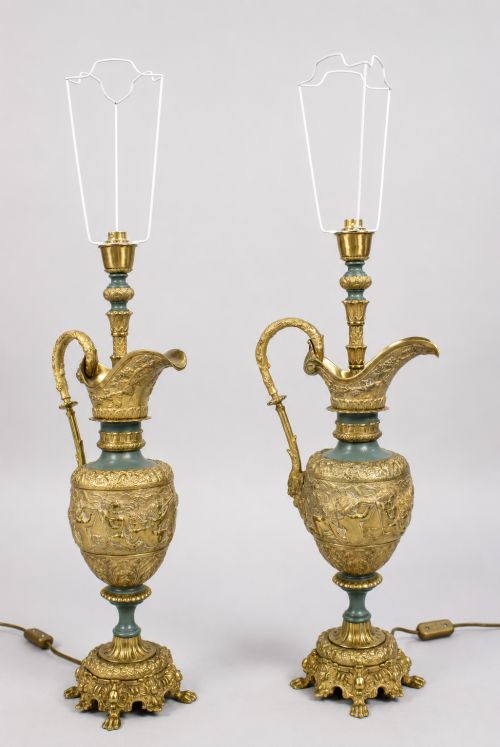
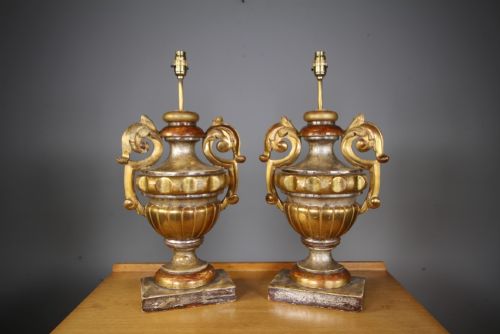
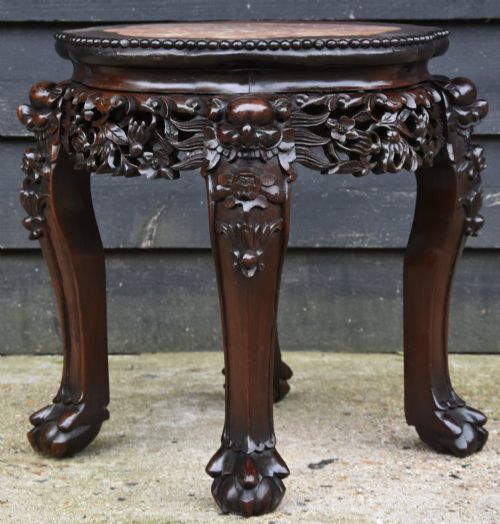
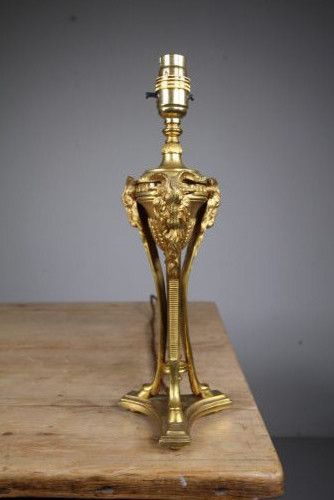
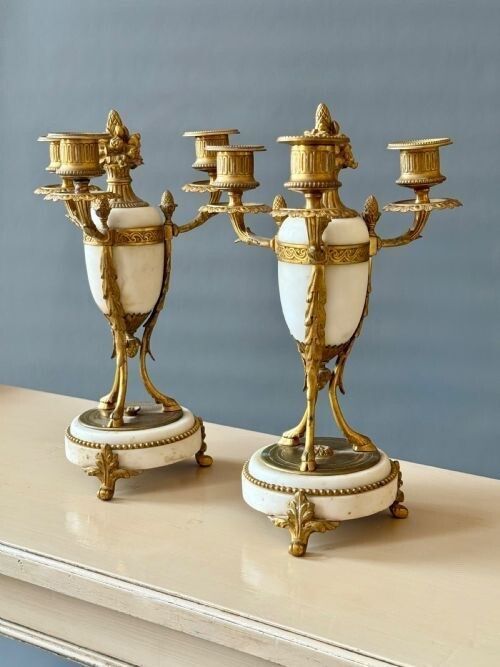
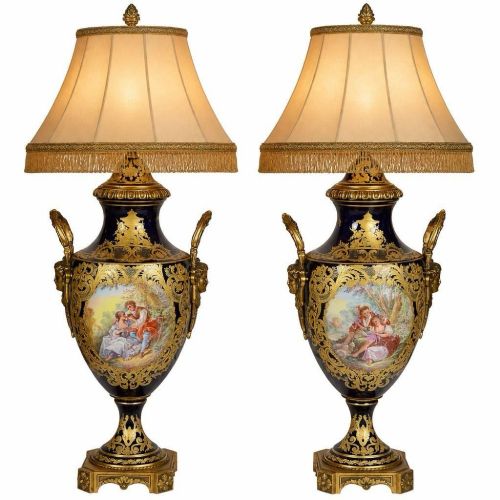
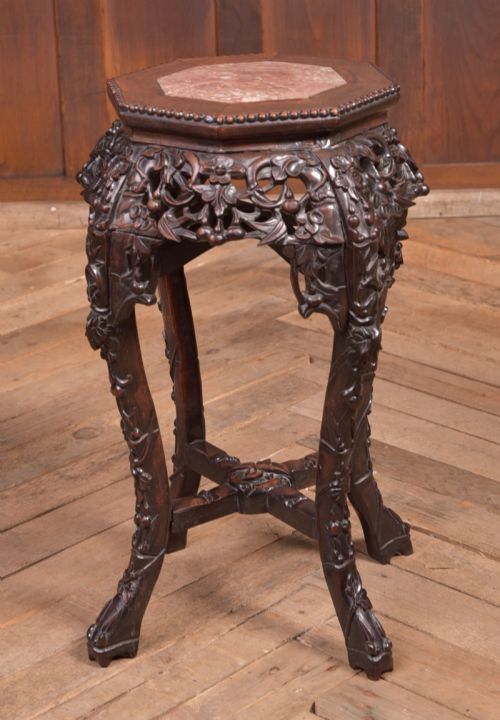
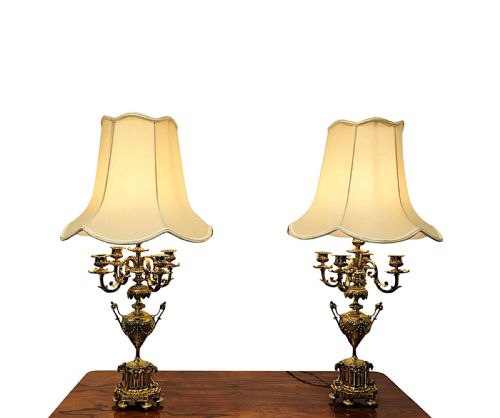
A 19th century urn table encompasses decorative stands, lamp bases formed from urns, and occasional surfaces rooted in Victorian, Regency, and Neoclassical design. Collectors searching for a 19th century urn table will encounter variations including marble-topped plant stands, gilt metal ewer forms, and carved wooden supports.
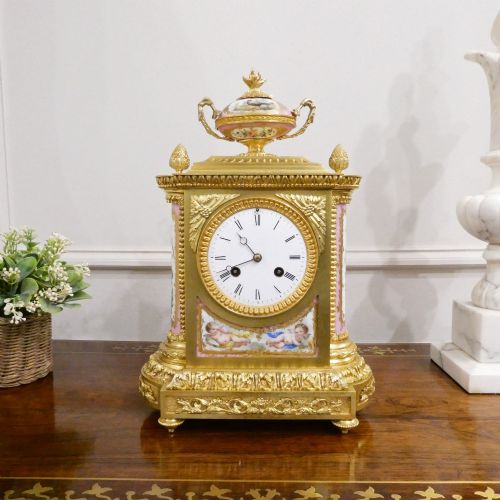
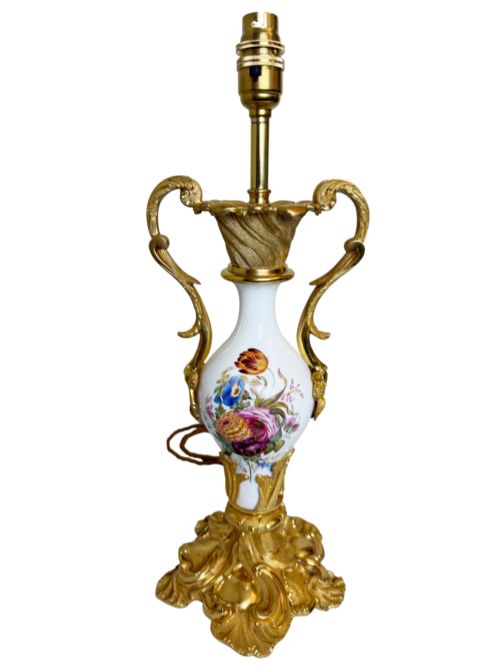
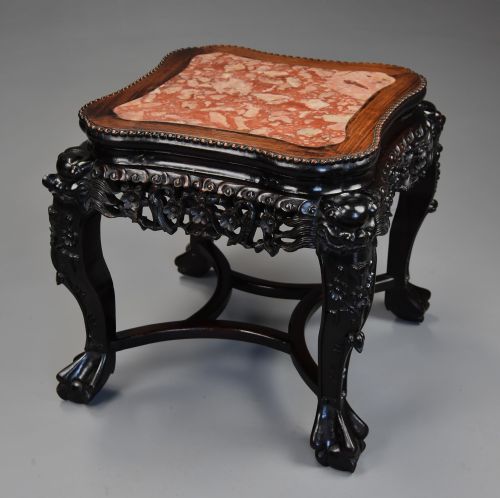
The selection ranges from French Louis XVI revival pieces mounted in ormolu to Chinese hardwood pot stands with inset marble tops. Many examples integrate converted lighting or display surfaces originating from the middle and late decades of the nineteenth century.
Materials and Construction
Maker techniques rely heavily on combining dense timbers such as rosewood, walnut, and mahogany with classical metalwork like ormolu, gilt bronze, and brass. Surfaces frequently incorporate carved pine, enamel, or inset marble panels secured within solid frames.
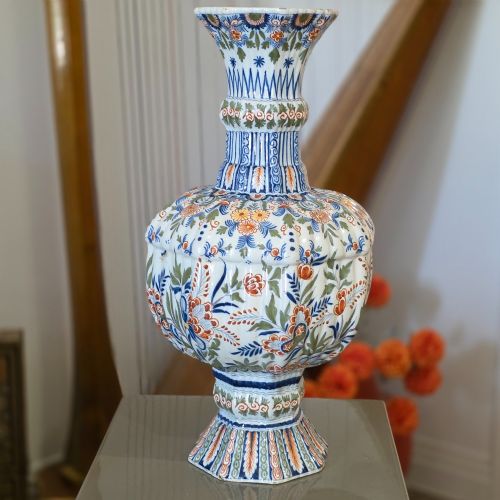
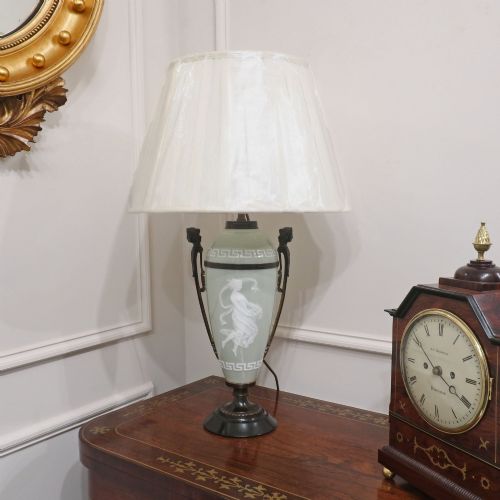
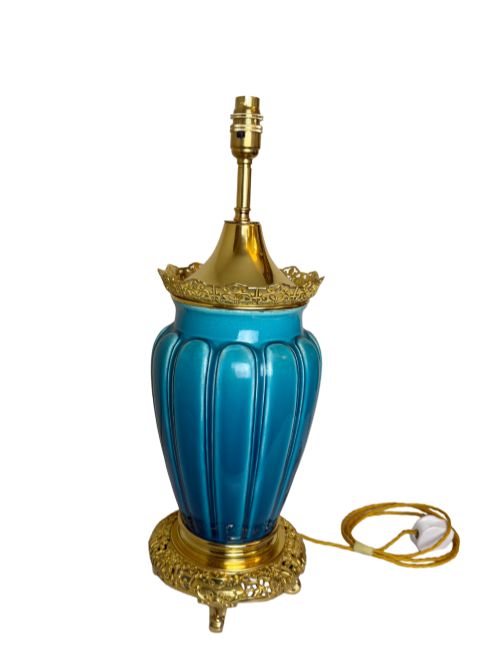
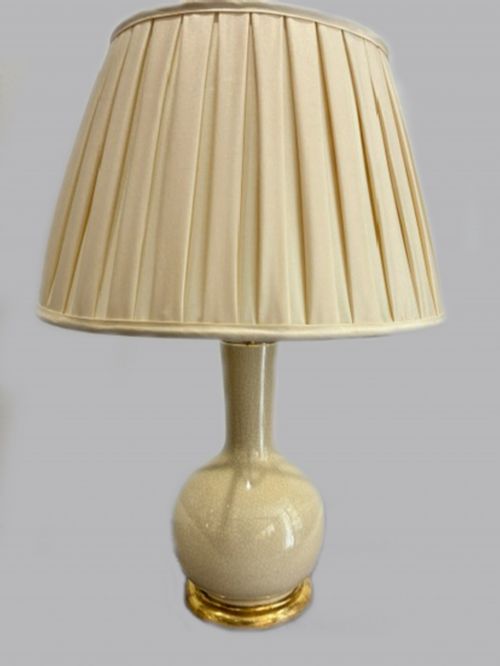
Assembly often involves turned wooden supports, detailed casting, and hand-carved ornamentation that reflect the revival styles of the period. Porcelain elements, including pate sur pate and celadon glazes, are regularly integrated alongside metal mounts.
Design influences span Qing Dynasty, Louis XVI Revival, and Regency styles.
Assessing Quality
Quality rests on the crispness of the casting in metal mounts and the depth of carving in wood. Superior examples display refined proportions where materials like marble, gilt bronze, and hardwood are integrated with precise joinery.
Condition of the original surface finish and the integrity of mounts differentiate standard items from exceptional ones. Balance between decorative detail and structural stability governs the standing of each piece.
Jean-Baptiste Delettrez·Shoolbred
The 19th Century Urn Table Glossary
- Ormolu
- Gilt bronze ornamentation applied to furniture and decorative objects. This technique creates a rich golden finish characteristic of French decorative arts.
- Jardiniere
- A decorative stand or container designed to hold plants or flowers. These items often feature marble inserts to protect the wooden or metal structure.
- Pate sur pate
- A ceramic decorating technique where layers of liquid clay are built up to create a raised relief design. This method produces a cameo-like effect on porcelain.
- Garniture
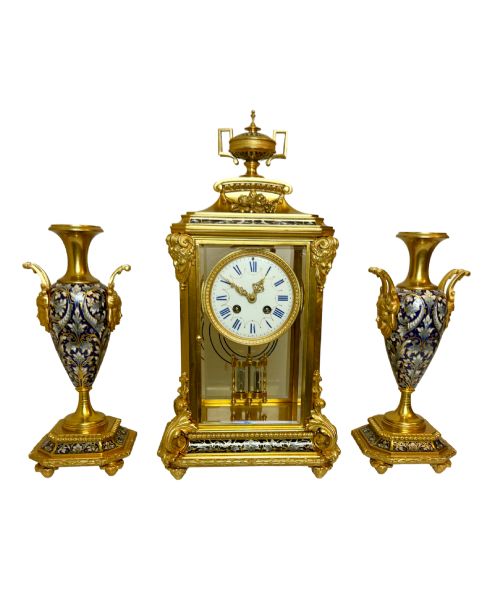
- A set of matching decorative ornaments designed for display together, commonly comprising a clock flanked by vases or candelabra.
- Torchere
- A tall stand designed to support a light fixture or candle holder. These pieces frequently feature slender turned columns.
19th Century Urn Table: Frequently Asked Questions
What is an urn table used for?
An urn table serves as a decorative display surface or a base for lighting within a room. Historically, these pieces accommodated urns, vases, or lamps to enhance interior schemes.
Today, they function as occasional tables or plant stands that highlight classical design elements in domestic spaces.
How do I identify a 19th century piece?
Identification relies on examining material composition, construction methods, and stylistic markers typical of the nineteenth century. Details such as hand-cut joinery, cast bronze mounts, and specific revival motifs provide chronological clues.
Comparative analysis with documented examples from Victorian or Neoclassical periods assists in confirming age.
Where should I place an urn table?
These tables suit corners, hallways, or living spaces where a compact display surface is required. Positioning them away from direct heat sources protects sensitive materials like wood and marble.
Pairing the stand with complementary antiques helps integrate the piece into an existing room layout.
How do I care for antique marble and bronze?
Cleaning requires soft, dry cloths to remove dust without scratching delicate metal surfaces or stone. Abrasive cleaners and excessive moisture should be avoided to preserve the original patina.
Periodic inspection of mounts ensures stability over time.