

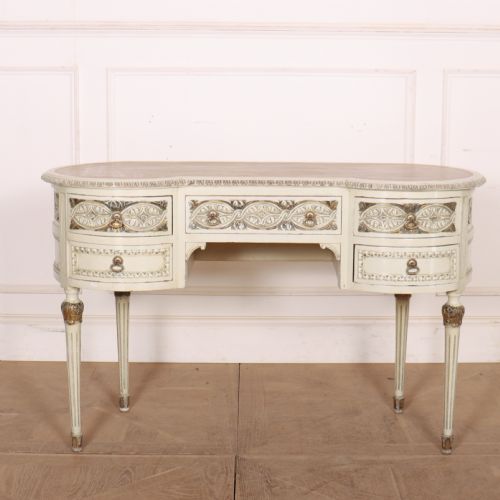


Gilded Wood Pedestal
A gilded wood pedestal brings undeniable presence to a room, lifting sculpture and lighting with polished surfaces that catch the light.
Gilded Wood Pedestal
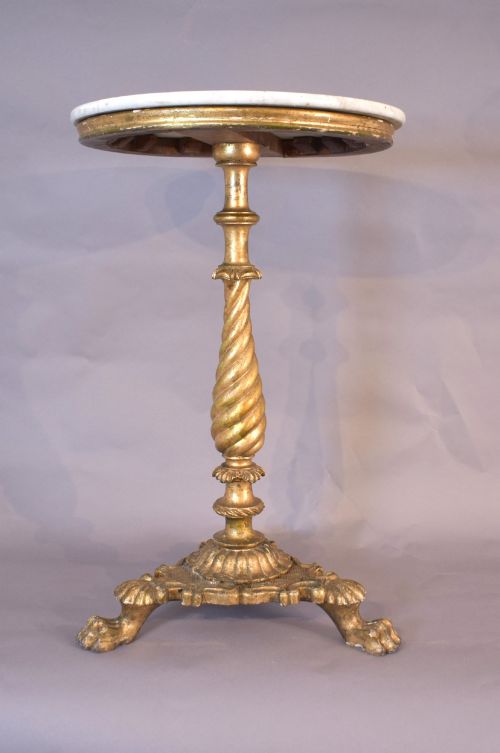
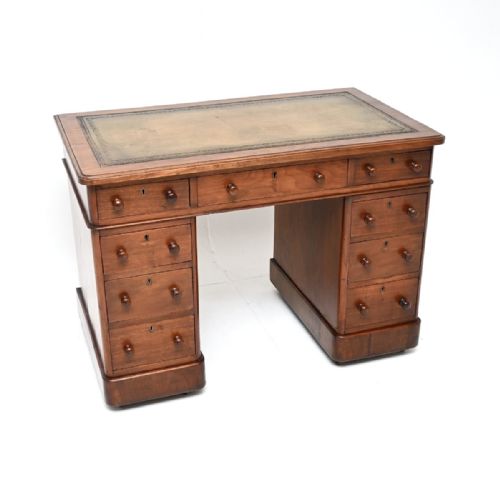
A gilded wood pedestal serves primarily as a decorative display support, often taking the form of a columnar stand, torchere or urn stand designed to elevate objects of interest. When searching for a gilded wood pedestal, buyers encounter items originating from nineteenth-century European workshops, alongside eighteenth-century Italian examples and later twentieth-century interpretations.
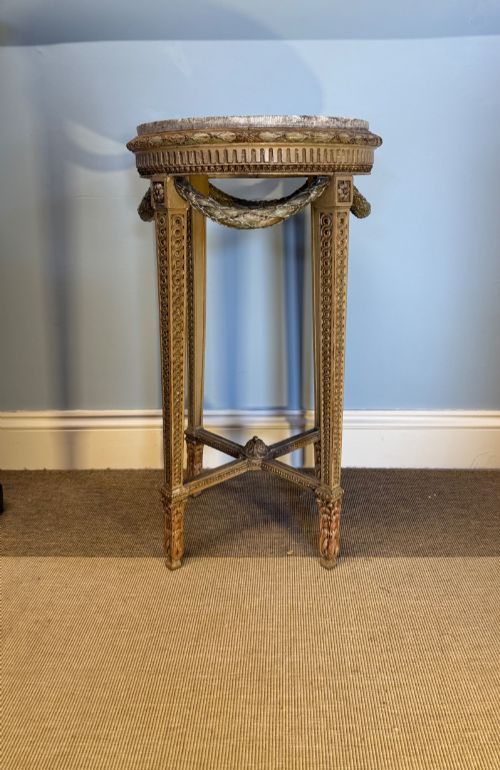
The selections span distinct stylistic traditions, notably Venetian Baroque, Regency neoclassical and French Chateau aesthetics. Forms range from classical fluted columns and tripod stands to figurative blackamoor supports and carved swan motifs.
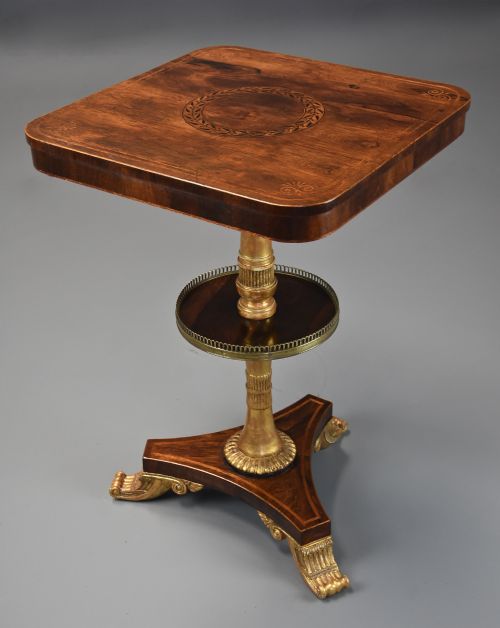
Most examples combine structural timber with decorative carving, frequently topped with marble or integrated into circular and occasional tables. These pieces function as architectural accents within a room, adding verticality and reflective metallic warmth.
How they were made
Construction relies upon carved wood foundations, utilising lime wood, rosewood, mahogany and general hardwoods shaped by hand. Artisans applied gesso as a smooth preparation layer over the timber before laying down delicate gold leaf or applying liquid gilding.
Many surfaces incorporate polychrome paintwork, parcel gilding or brass mounts to accentuate the carved details. Marble tops frequently accompany these stands, requiring precise joinery and recessed seating within the wooden frame to support the heavy stone safely.
Several Italian workshops decided carved wooden swans made excellent furniture.
What varies in quality
Depth and crispness of the hand-carved ornamentation dictate the standard of execution, separating finely rendered acanthus leaves and figurative elements from softer, mechanical mouldings. The application of the gold leaf and the preservation of the original gesso surface reveal the skill of the original workshop.
Structural integrity rests upon the stability of the central shaft and the precise balance of the base, particularly in tall torcheres and tripod designs. Superior examples maintain cohesive proportions between the decorative upper surface and the supporting column, avoiding heavy-handed repairs or mismatched elements.
The Gilded Wood Pedestal Glossary
- Giltwood
- Wood that has been coated with gold leaf or gold paint. This technique creates a luminous, reflective surface characteristic of formal European furniture.
- Torchere
- A tall ornamental stand designed to hold a light source or a decorative object. These slender supports became popular in grand interiors during the eighteenth and nineteenth centuries.
- Gesso
- A plaster-like mixture applied to wood to create a smooth surface for gilding or painting. It provides the essential base layer that holds fine carved detail before metal leaf is applied.
- Parcel gilt
- Furniture decoration where only specific portions are gilded while the rest shows painted or natural wood surfaces. This technique highlights particular carved motifs without covering the entire piece.
- Neoclassical
- A style drawing inspiration from classical antiquity, prominent during the Regency period. It emphasises symmetry, clean architectural lines and classical motifs.
Gilded Wood Pedestal: Frequently Asked Questions
Where should I place a pedestal?
These stands suit corners, entrance halls or empty wall spaces where they can elevate a bronze, a vase or a lamp without obstructing foot traffic.
Ensure the location offers stable flooring, as tall columnar stands require a level surface to support heavy stone or ceramic tops safely.
Can these stands hold heavy items?
Most sturdy pedestals and marble-topped stands easily support moderate weights such as bronze sculptures, heavy table lamps or large porcelain vessels.
Check the base stability and the attachment of the top platform before placing exceptionally heavy or top-heavy objects on slender tripod designs.
How do I identify Regency style?
Regency pieces often display restrained classical geometry, dark tropical hardwoods like rosewood or mahogany, and crisp brass mounts.
Look for architectural elements drawn from ancient Greece and Rome, including reeded columns, paw feet and carved laurel wreaths.