




Gold Urn Stand
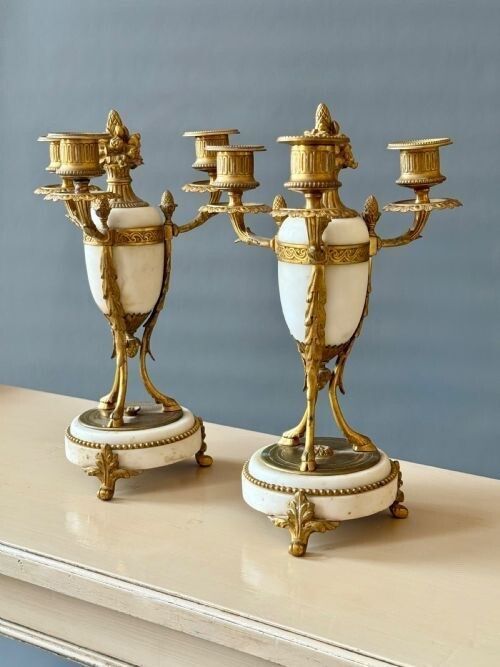
These gold urn stand pieces bring classical presence and height to a room, offering a sturdy yet decorative platform for your display.
Gold Urn Stand
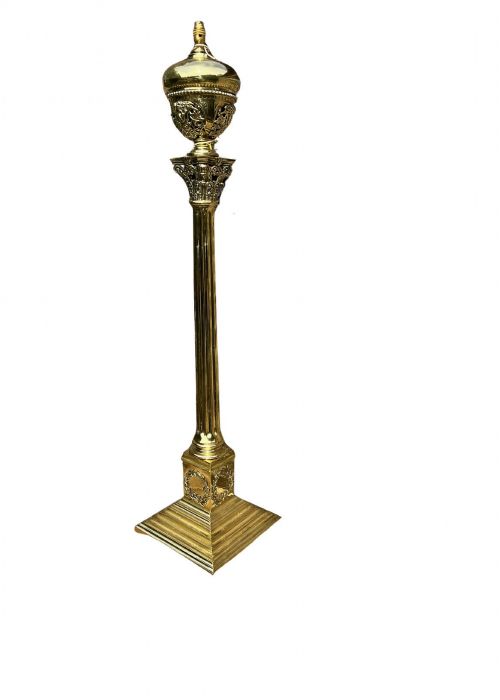
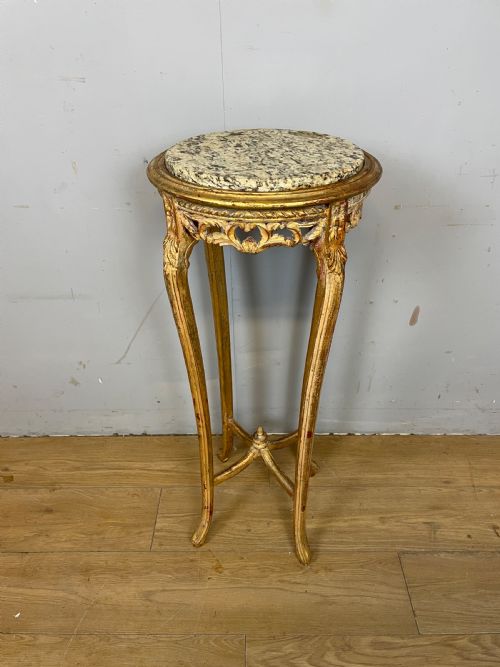
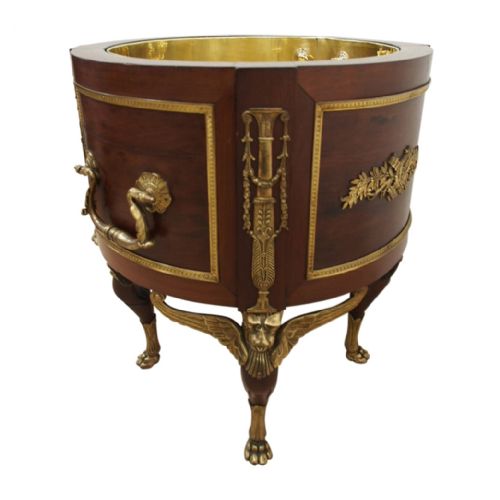
A gold urn stand provides a raised platform for heavy vessels, plants, and decorative objects. You will encounter various forms on this page, including pedestals, jardiniere stands, and torchieres.
The pieces span multiple periods from the eighteenth century through to the Edwardian era. Styles range from classical revival and French rocopco to Chinese export and aesthetic period designs.
Materials vary widely across the selection, featuring giltwood, brass, marble, and gesso. Many examples incorporate carved wood or cast metal finished in gold leaf.
How they were made
Giltwood and gesso pieces rely on traditional carving techniques applied to timber foundations, finished with applied gold leaf. Makers shaped supportive structures using brass, cast brass, and mahogany to bear substantial weight.
Marble inserts often top these stands, providing a durable and cool surface for plants or urns. Lacquer work and ormolu mounts appear on specific continental and export examples from the nineteenth century.
Materials documented across the inventory include brass, giltwood, marble, lacquer, and mahogany.
What varies in quality
The refinement of the carving and the execution of the gilding separate standard production from superior examples. Crisp detailing in the acanthus leaves or classical motifs indicates skilled workshop output.
Structural integrity matters significantly, particularly in tall torchere stands and heavy pedestals where stability is paramount. The quality of secondary materials, such as heavy marble tops or solid brass mounts, dictates the overall grade of the piece.
The Gold Urn Stand Glossary
- Torchere
- A tall stand designed to support a light or decorative urn. These slender pieces often feature carved timber or gilded finishes.
- Jardiniere
- A decorative container for holding plants or flowers, frequently paired with a dedicated stand. They appear in brass, lacquer, and ceramic variations.
- Giltwood
- Timber that has been coated with a thin layer of gold leaf. It forms the primary visual surface for many nineteenth-century display stands.
- Ormolu
- Gilded bronze mounts applied to furniture and stands. This decorative technique adds metallic detail to mahogany and hardwood structures.
- Triform
- A base or stand supported by three feet or legs. This configuration provides steady balance for tall pedestals.
Gold Urn Stand: Frequently Asked Questions
What is a gold urn stand used for?
These stands serve as elevated platforms for heavy planters, temple vases, and decorative urns. They lift display items to eye level while adding architectural interest to a room.
Historically, they also held spirit kettles, candelabra, and tabletop accessories. Their robust construction allows them to support significant weight safely.
How do I identify the period of a stand?
Stylistic clues such as classical revival motifs, aesthetic period decoration, or heavy Victorian brass work indicate the era of manufacture. Examining the wood type, construction joints, and gilding technique helps narrow down the date.
Eighteenth-century examples often feature hand-carved triform timber bases, whereas later nineteenth-century pieces may incorporate pressed brass or machine-tooled ormolu mounts.
Where should I place a torchere stand?
Torchere stands suit corners, entrance halls, or empty wall spaces that require vertical height and decorative focus. Their slender profiles allow them to fit into tighter architectural areas without dominating the floor plan.
Ensure the stand rests on a level surface, especially when supporting heavy marble tops or tall vases. Positioning them away from high-traffic pathways protects delicate giltwood and carved details.
Are these stands suitable for heavy plants?
Many of these stands were designed specifically to support jardiniere planters and heavy display vessels. Solid brass, mahogany, and sturdy pedestals offer the load-bearing capacity required for potted plants.
Protect the surface of the stand from moisture by using a liner inside your planter. This prevents water damage to marble tops, wood, and gilded finishes.