


19th Century Tribal Textile
When you examine a 19th century tribal textile, you are holding nomadic history woven from wool, silk and natural dyes.
19th Century Tribal Textile
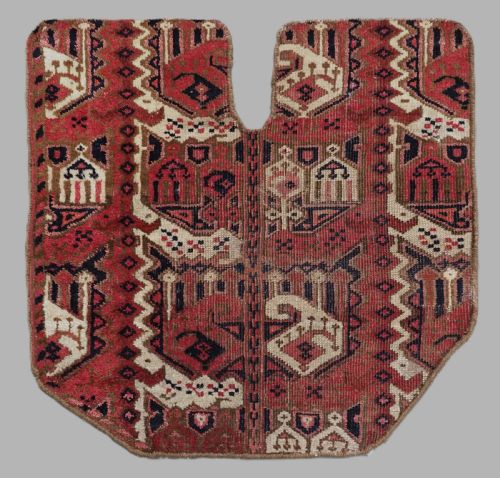
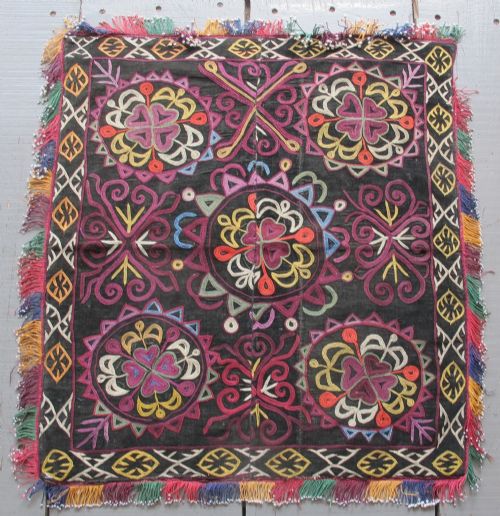
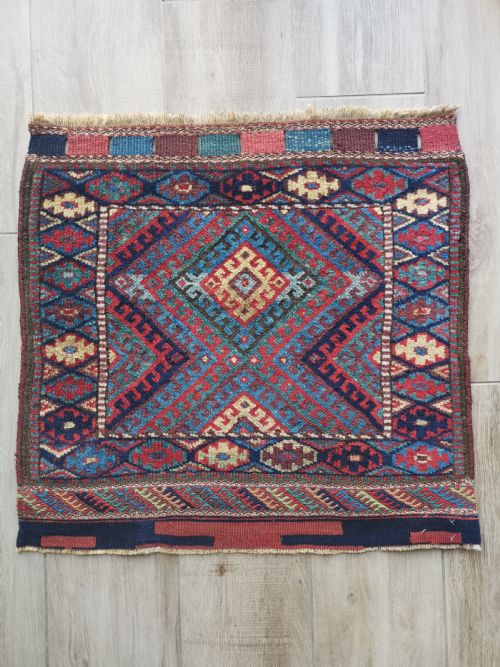
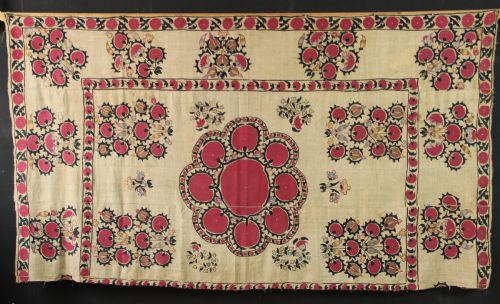
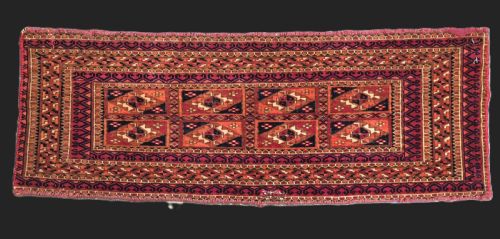
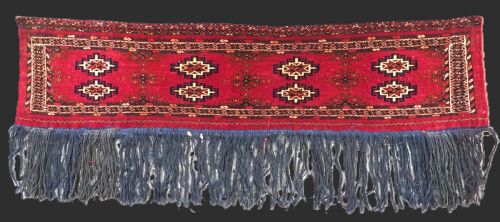
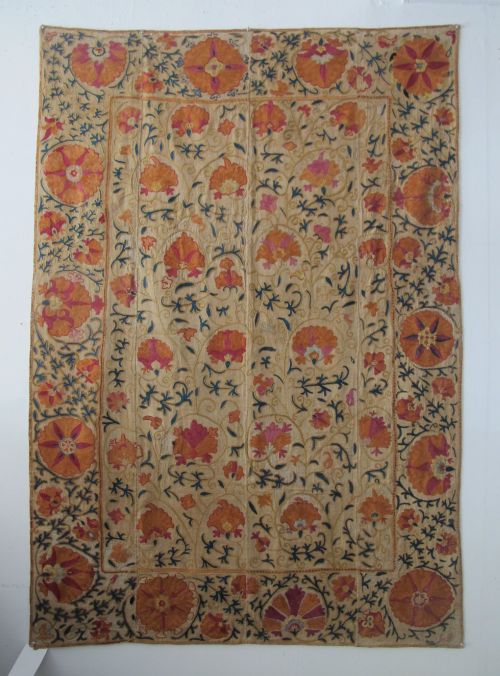
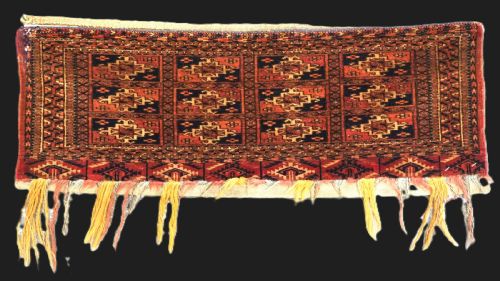
A 19th century tribal textile encompasses utilitarian household items, ceremonial weavings and garments created by nomadic and village groups across Central Asia. Buyers encountering this selection will frequently meet Turkmen torbas, saddle rugs and Uzbek suzanis dating from the middle decades to the end of the 1800s. These pieces functioned as dowry items, storage bags, wall hangings and garments, reflecting the specific tribal identities and domestic traditions of their makers.
The inventory on this page ranges from Ersari, Tekke, Saryk and Yomut Turkmen weavings to Kurdish bagfaces and Uzbek embroidered panels. Many items retain original structures such as complete backs, hanging loops or cotton foundations, showing how tribal families utilised them in daily life. Regional variations appear clearly in the recurring guls, medallion layouts and embroidery motifs characteristic of Central Asian folk art.
Materials and Techniques
Weavers constructed these textiles primarily using wool, cotton and silk foundations, embellished with silk thread embroidery and occasionally glass beads. Natural dyes provided the deep reds, ivories and contrasting shades seen across the rugs, torbas and coats.
Techniques varied between pile knotting for saddle rugs and flatweaving, alongside fine needlework executed on cotton or wool grounds for suzanis and mirror covers. Artisans utilised iron tools and spinning wheels in the preparatory stages, mounting certain delicate fragments for preservation.
19th Century Tribal Textile Retail Price Guide 2026
Typical asking prices for 19th century tribal textile among the pieces listed under this phrase on Sellingantiques today, from the lower quarter to the upper quarter. They describe what is for sale here now, not the wider market.
Pieces hail from Central Asian traditions, including Yomut, Tekke, Ersari, Saryk and Lakai tribal groups.
Factors of Quality
Quality in these textiles rests upon the density of the weave, the fineness of the drawing and the clarity of the natural dyes. Pieces with exceptionally tight knotting or intricate embroidery represent the upper echelon of tribal production, showing deliberate planning in their repeating guls.
The survival of original elements, such as complete backs on torbas, hanging loops and intact edges, elevates certain examples above fragments. Furthermore, unusual or scarce structural designs distinguish master weaver outputs from standard domestic items.
The 19th Century Tribal Textile Glossary
- Torba
- A small Turkmen storage bag traditionally hung inside a yurt or utilised in dowry processions. These items frequently display primary guls and detailed border work.
- Suzani
- A large, decorative embroidered textile from Uzbekistan, stitched with silk threads on a cotton or linen ground. Families typically created them as part of a bride's dowry.
- Gul
- A medallion or repeated octagonal motif stamped across Turkmen and Central Asian weavings. Each tribe used distinct guls to signify lineage and regional identity.
- Chuval
- A large tent storage bag produced by nomadic tribes such as the Tekke and Ersari. They feature multiple rows of guls and robust flatwoven backs.
- Jajim
- A traditional striped or patterned textile woven in narrow strips and joined together. Artisans utilised them for covers, bedding wraps and domestic storage.
19th Century Tribal Textile: Frequently Asked Questions
What is a torba used for?
Nomadic families utilised torbas as functional storage bags inside tents and yurts, often storing bedding, clothing or smaller household possessions. They formed an essential part of a bride's dowry.
Over time, collectors came to prize these hanging bags for their concentrated tribal designs and precise wool work, displaying them as wall art rather than utility items.
How do I identify a suzani?
Suzanis are large, embroidered wall hangings or covers originating from Uzbekistan, recognisable by their vibrant silk needlework on cotton foundations. They often feature large floral medallions and trailing vines.
Nomadic and village women stitched these panels in sections before joining them together, creating striking decorative centrepieces for domestic interiors.
What are tribal guls?
Guls are the repeating octagonal or geometric medallions arranged across Turkmen rugs and storage bags. Specific tribes such as the Tekke, Saryk and Ersari utilised distinct gul patterns.
These motifs served as visual markers of tribal affiliation and heritage, passed down through generations of nomadic weavers.
How should I care for a textile?
Keep antique textiles out of direct sunlight to prevent natural dyes from fading over time. Gentle vacuuming through a mesh screen helps remove dust without damaging fragile wool or silk fibres.
Mounting heavier wall hangings correctly distributes their weight evenly, protecting the structural integrity of the old foundation.