
19th Century Transferware
When you search for 19th century transferware, you step into a world of printed ceramic tableware carrying detailed landscapes, historical scenes and botanical borders.
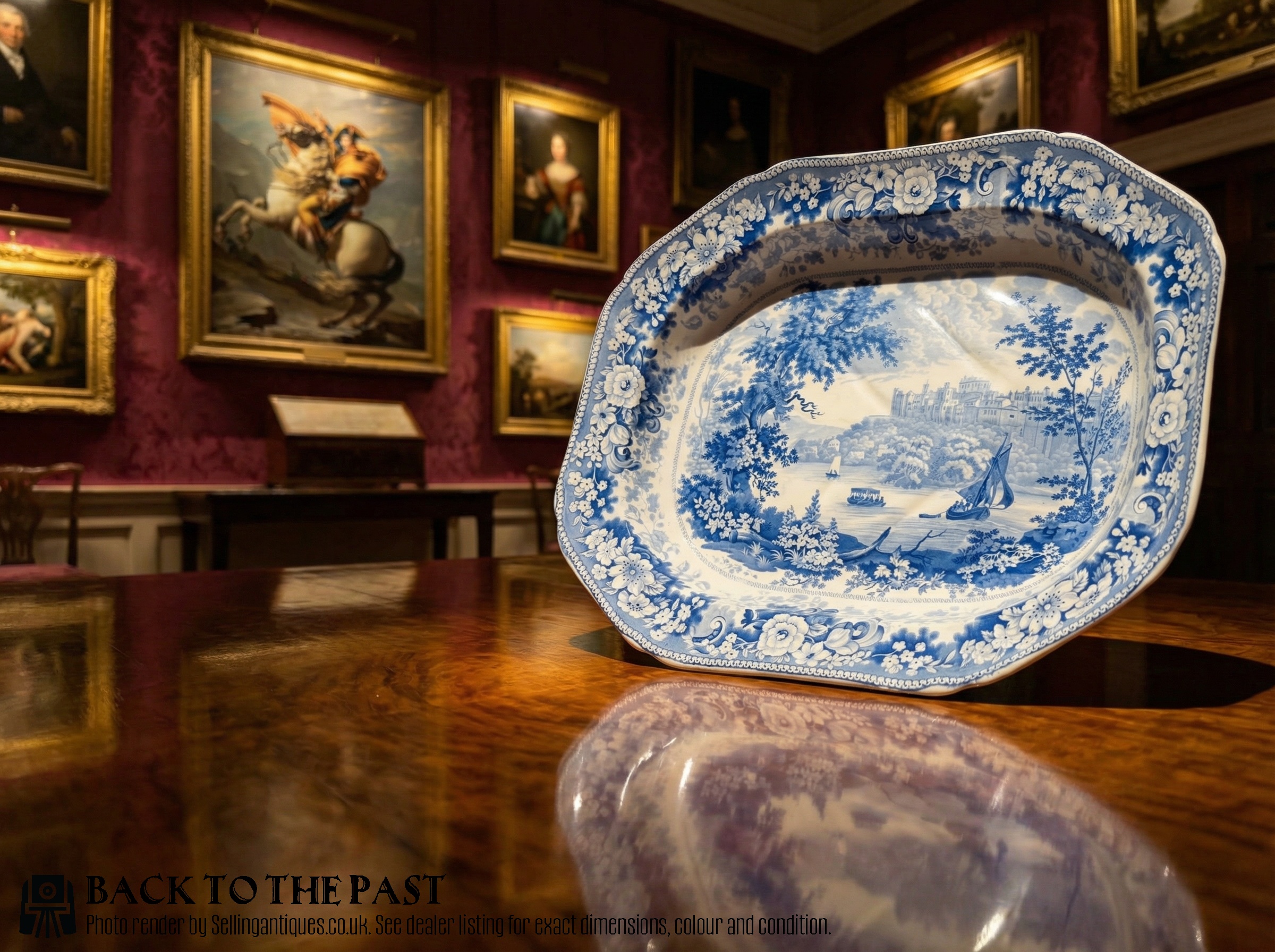
19th Century Transferware
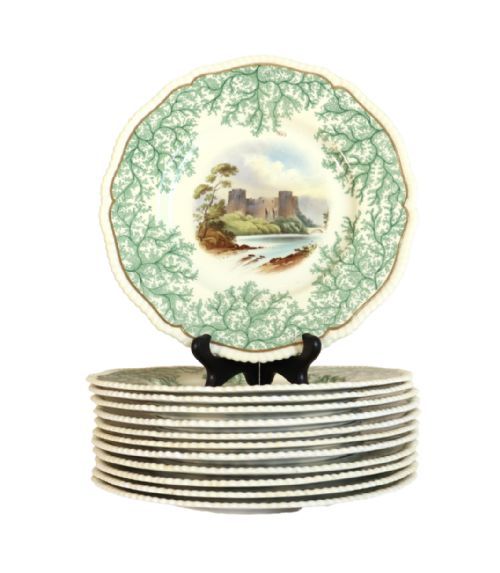
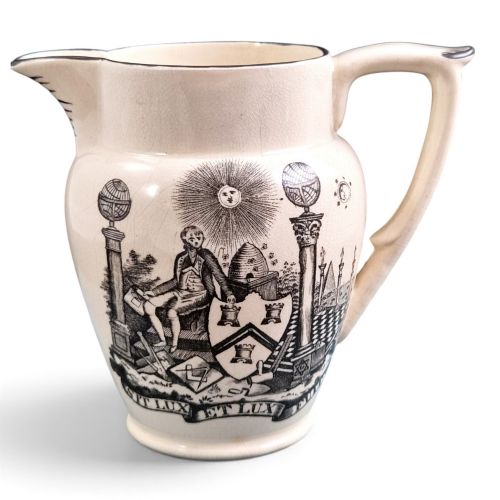
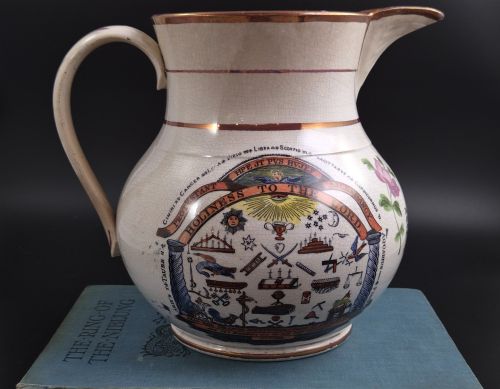
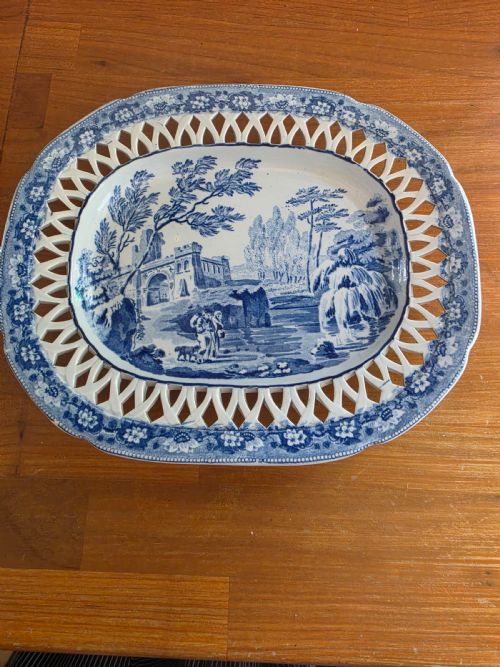
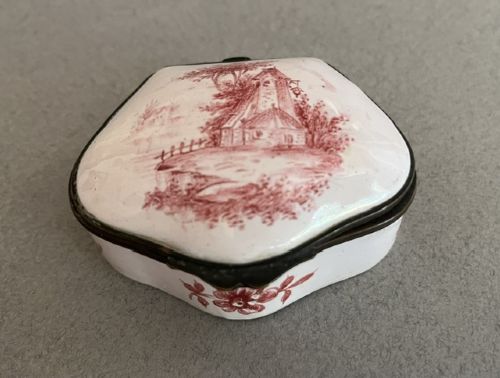
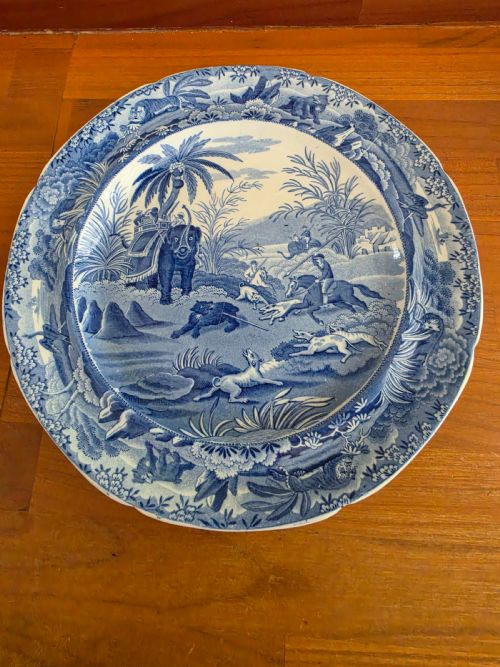
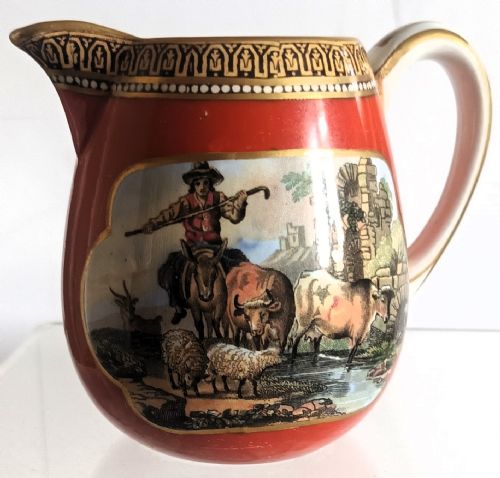
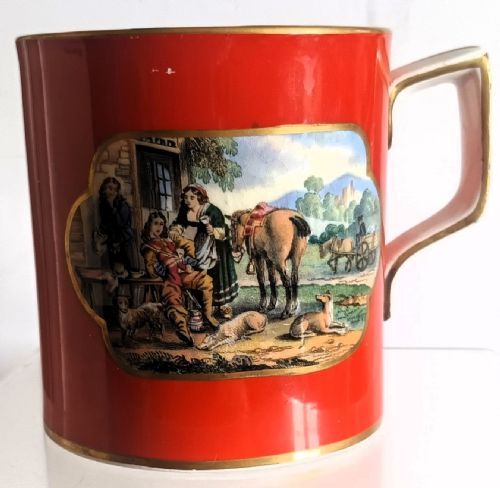
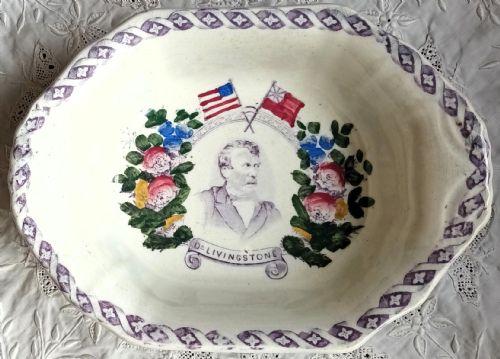
When searching for 19th century transferware, collectors encounter a vast array of serving platters, decorative plates, jugs, pitchers and mugs produced across the Georgian and Victorian eras. These functional and decorative items bring printed pictorial designs into domestic spaces, ranging from scenic landscapes and commemorative portraits to classical patterns.
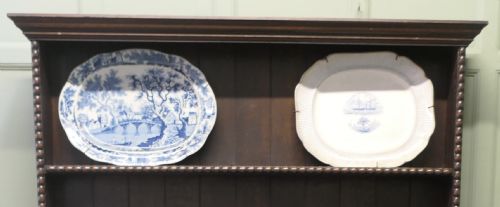
The objects appearing in this category span the entire century, reaching from early creamware and pearlware pieces through to later robust earthenware services. Dining and table items dominate the selection, with meat plates, footbaths, butter dishes and complete dinner sets forming the core of the available domestic wares.
Materials and production methods
Potters built these pieces using earthenware bodies such as creamware, pearlware and standard ceramic pastes, which were then finished with transparent or tinted glazes. Workshops applied the distinctive imagery by transferring engraved copper-plate designs onto the clay surface using tissue paper before firing.
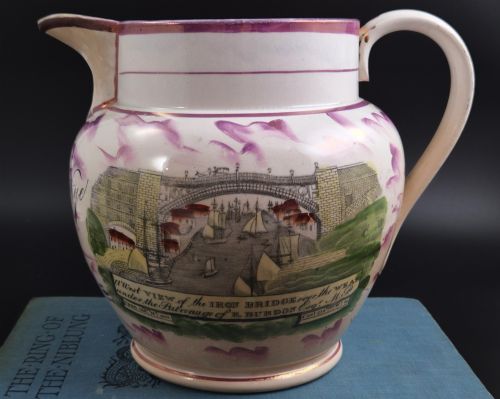
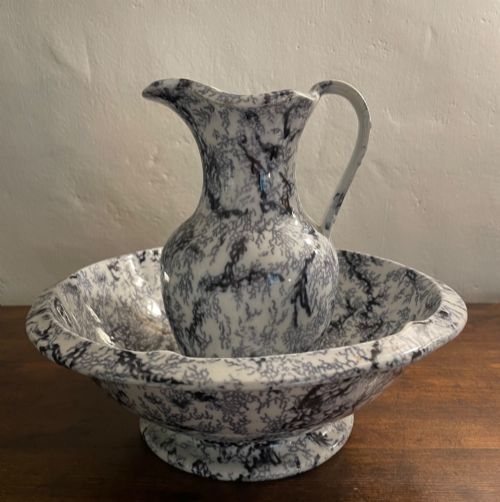
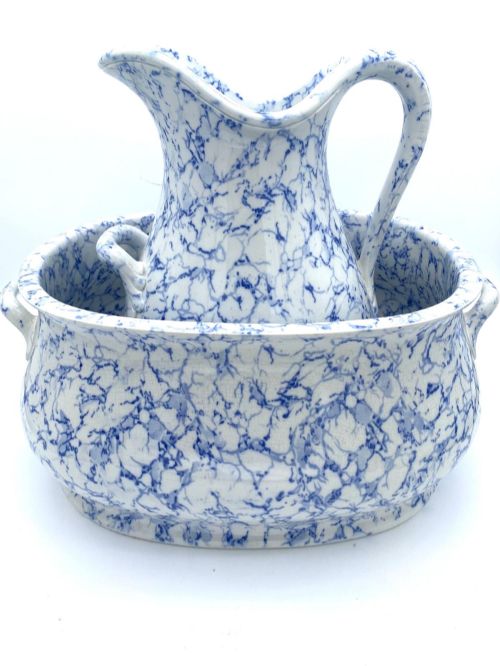
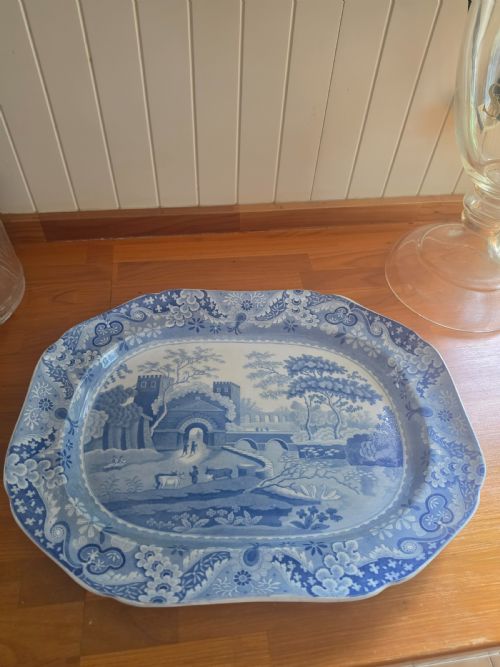
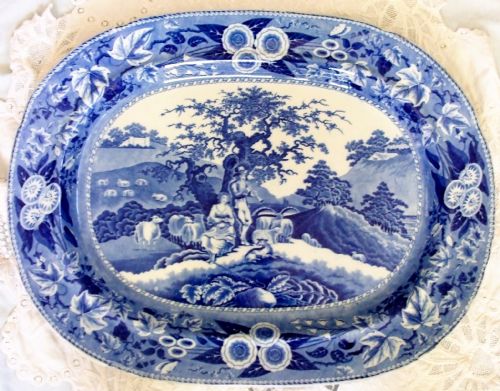
Colour palettes relied on cobalt blue for classic blue and white pieces, alongside black transfer prints, mulberry tones, and flow blue applications where the colour intentionally blurred into the glaze. Specialised effects like pink splash lustre and enamel highlights added metallic sheen and polychrome detail to commemorative jugs and mugs.
19th Century Transferware Retail Price Guide 2026
Typical asking prices for 19th century transferware among the pieces listed under this phrase on Sellingantiques today, from the lower quarter to the upper quarter. They describe what is for sale here now, not the wider market.
Several heavy drinking vessels conceal ceramic frogs inside the base, designed to surprise drinkers as the liquid receded during toast-drinking.
Distinctions in quality
Quality rests upon the clarity of the transferred impression and the precision of the engraving on the original copper plate. Finer pieces maintain crisp lines and well-aligned pattern repeats without smudging or overlapping at the seams where the paper met the ceramic surface.
The sophistication of the ceramic body and the depth of the glaze also divide standard production from superior examples. Better items exhibit smooth, evenly distributed glazes over well-modelled forms, whereas simpler wares show heavier potting and standard utilitarian finishing.
Spode·Minton·Davenport·Copeland·Ridgway·John Ridgway·Heathcote
The 19th Century Transferware Glossary
- Transferware
- Pottery decorated by printing a design from an engraved copper plate onto tissue paper and transferring the ink onto the unglazed or bisque ceramic body before glazing and firing. This technique allowed factories to mass-produce intricate pictorial patterns with consistent detail.
- Pearlware
- A refined earthenware developed in the late eighteenth century featuring a subtle bluish tinge in the glaze, designed to mimic the appearance of Chinese porcelain. It forms the body for many early nineteenth-century blue and white printed items.
- Flow Blue
- A style of Staffordshire pottery where cobalt blue ink deliberately diffused into the surrounding glaze during the kiln firing, creating a soft, misty outline around the printed pattern. This effect became particularly fashionable during the mid-nineteenth century.
- Pink Lustre
- A metallic glaze technique incorporating gold in solution to produce a coppery-pink sheen with a reflective, iridescent quality. It frequently appears on Sunderland jugs and commemorative pieces.
- Creamware
- A light-coloured refined earthenware with a warm, yellowish-buff tone developed by English potters, widely used before pearlware and white earthenwares took precedence.
19th Century Transferware: Frequently Asked Questions
How do I date 19th century transferware?
Dating relies upon examining the ceramic body, glaze characteristics, backstamps, and the style of the printed border or subject matter. Earlier pieces often utilise pearlware bodies or creamware, while later Victorian items shift toward heavier ironstone and distinct colour variations.
Makers' marks stamped or printed underneath also help narrow down the production decade when present. Comparing the registration diamonds or factory ciphers against known operational dates provides a reliable timeline for individual pieces.
What is flow blue pottery?
Flow blue pottery is a specific type of transferware where vapours of chloride of lime or ammonia were introduced into the kiln during firing to make the cobalt blue ink bleed into the surrounding white glaze. This chemical reaction created a distinctive blurred effect that gave the motifs a hazy, atmospheric depth.
This aesthetic originated in Staffordshire and reached the height of its popularity during the mid-nineteenth century. Collectors prize these items for their rich, painterly appearance compared to standard sharp-lined blue and white prints.
How were transferware jugs used?
Jugs and pitchers served multiple domestic functions in nineteenth-century households, ranging from pouring water at the washstand to serving liquids at the dining table. Larger examples held ale, cider, or water, while smaller vessels functioned as cream jugs or milk pitchers.
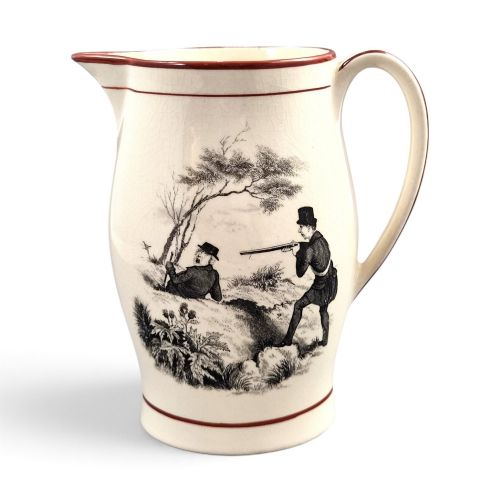
Commemorative jugs also served as presentation pieces or club items, recording specific historical events, lodges, or institutions. Their sturdy earthenware construction made them practical for daily use despite their decorative printed surfaces.
Can I use antique transferware daily?
While these pieces were originally created for practical dining and household tasks, modern usage subjects antique glazes and ceramic bodies to thermal shock and abrasive detergents. Gentle hand washing without soaking helps preserve the historic glaze and prevents the crazing from staining.
Many collectors prefer to display platters, plates, and dishes on walls or in cabinets to protect them from chips and wear. Items intended for food service should be checked for stability and lead safety if utilised for modern dining.