






19th Century Japanese Vase
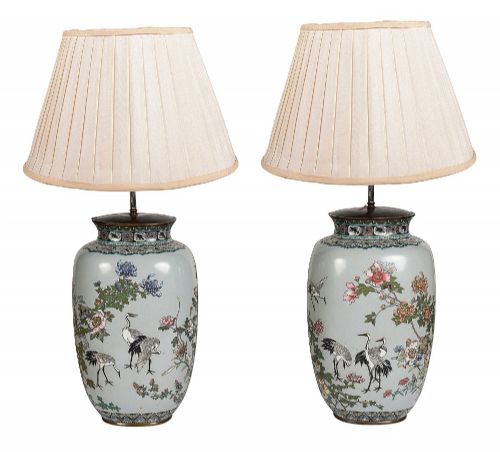
This 19th century japanese vase selection brings together Meiji period porcelain, bronze, and cloisonné crafted for international export and domestic display.
19th Century Japanese Vase
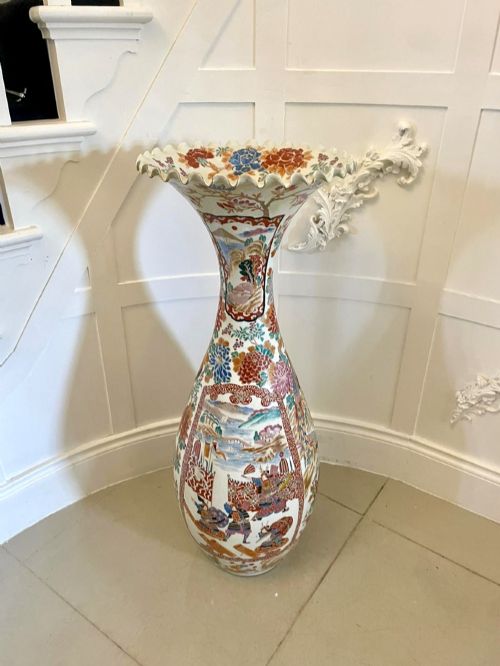
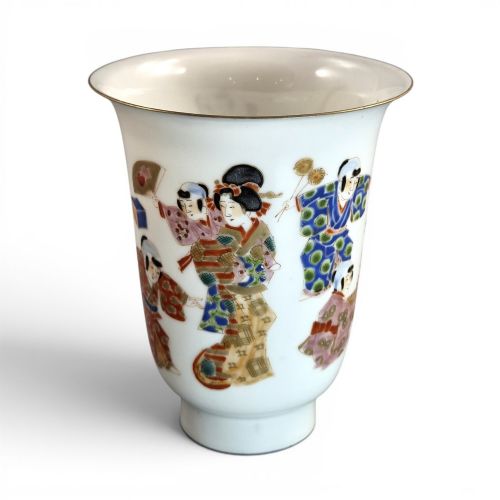
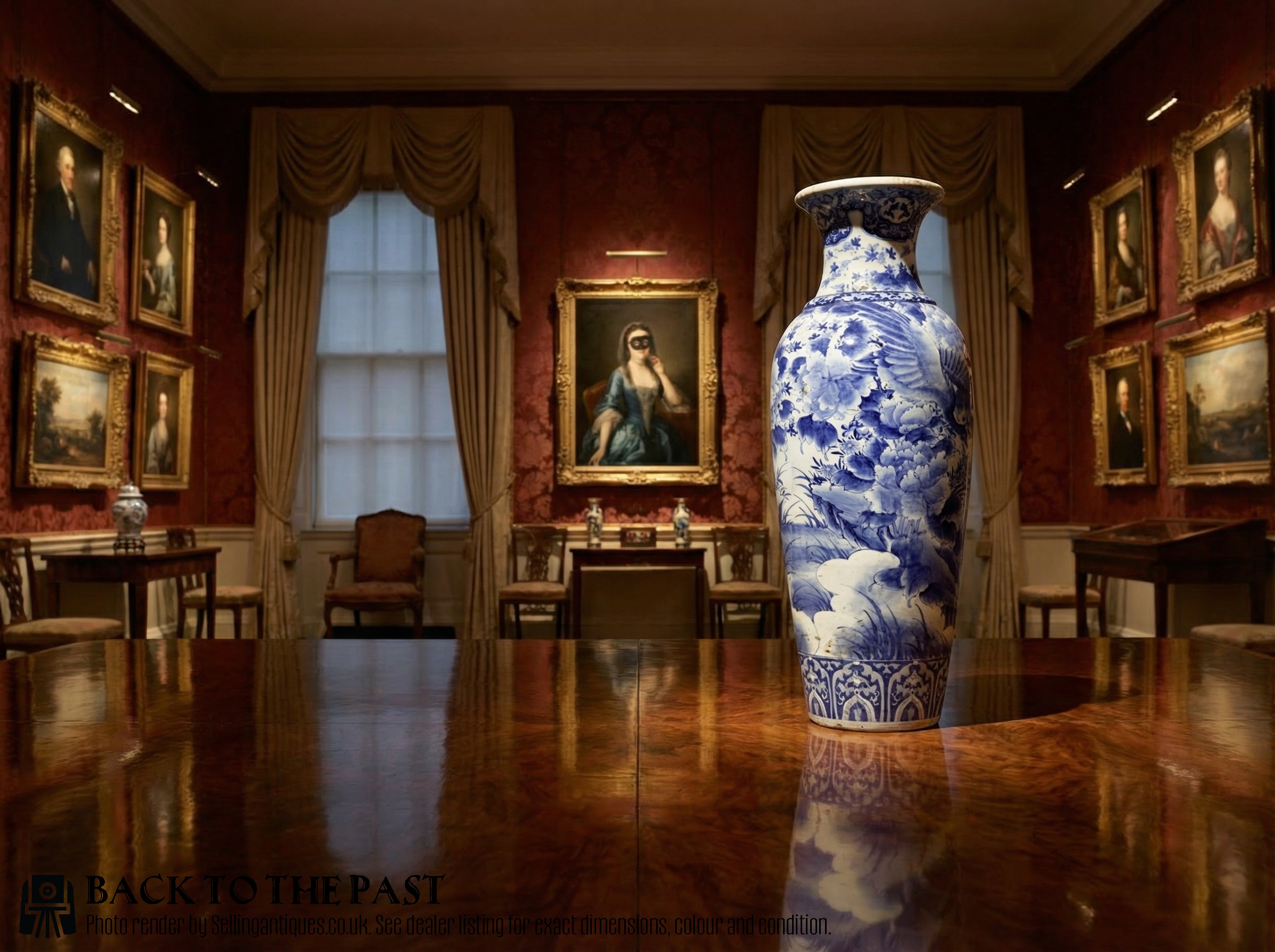
A 19th century japanese vase encompasses works produced during the Meiji period and late Edo era, spanning diverse ceramic bodies and cast metals. Buyers encounter forms ranging from large floor-standing palace jars to delicate miniature Satsuma vessels and double gourd shapes.
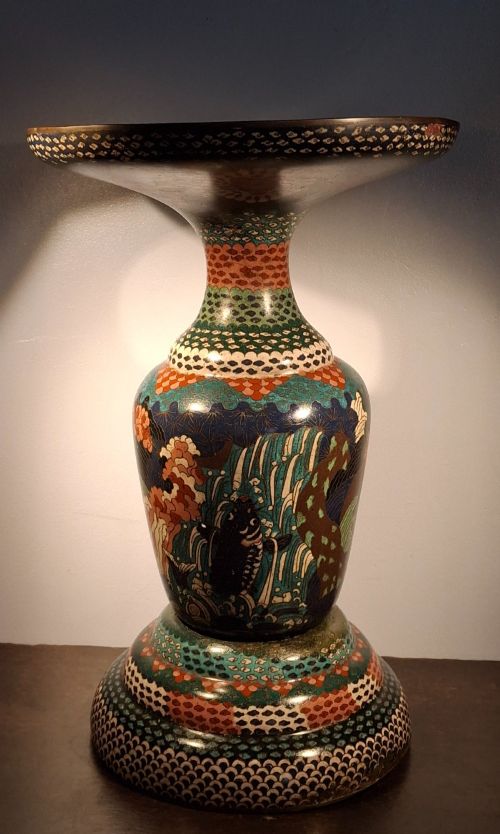
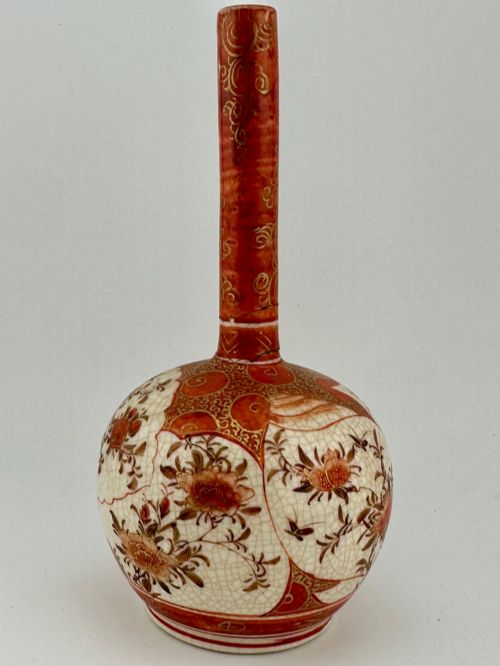
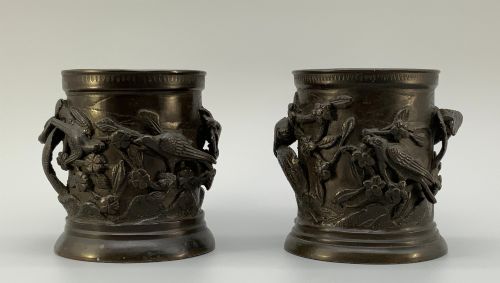
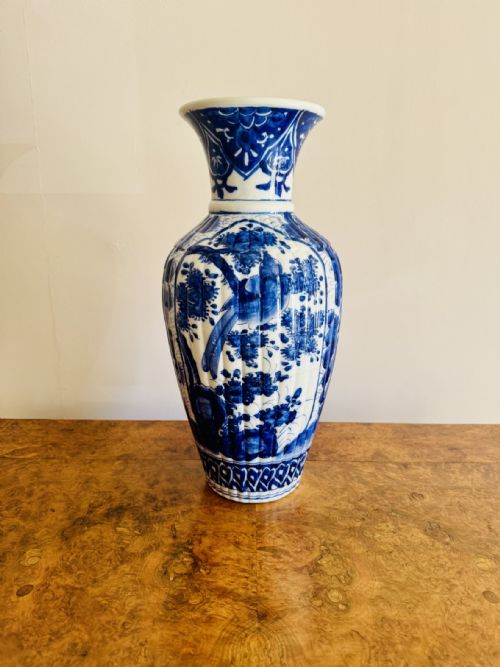
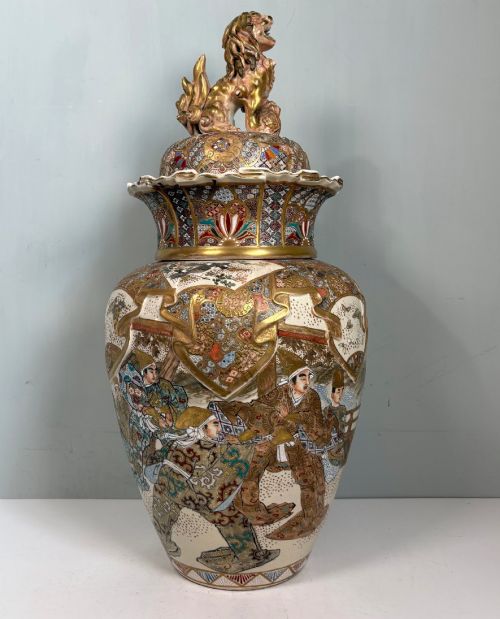
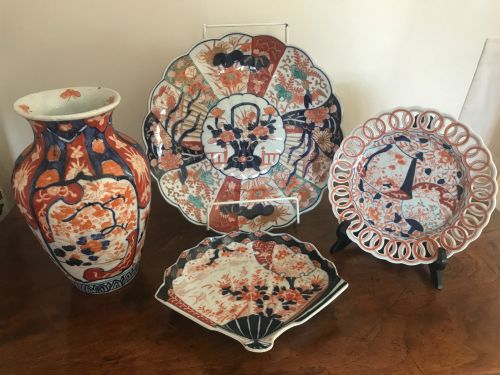
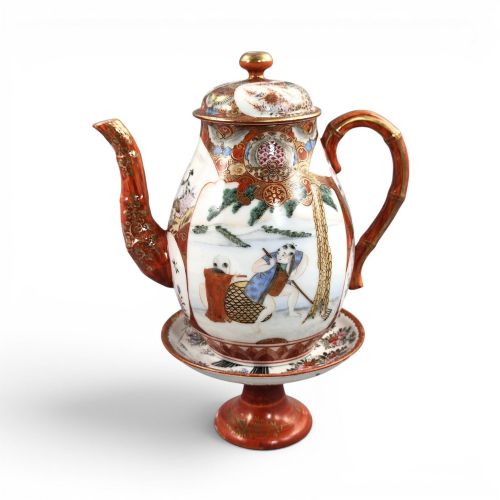
Porcelain decorated in the Imari and Kutani styles dominates the selection alongside earthenware Satsuma wares with detailed figural processions. Bronze and cloisonné enamel examples also appear frequently, often featuring bird, floral, or aquatic motifs such as koi and dragons.
Many of these objects served as decorative centrepieces or were later converted into table lamps with gilt bronze or ormolu mounts. Covered ginger jars and lidded urns provide additional variety within the ceramic groupings.
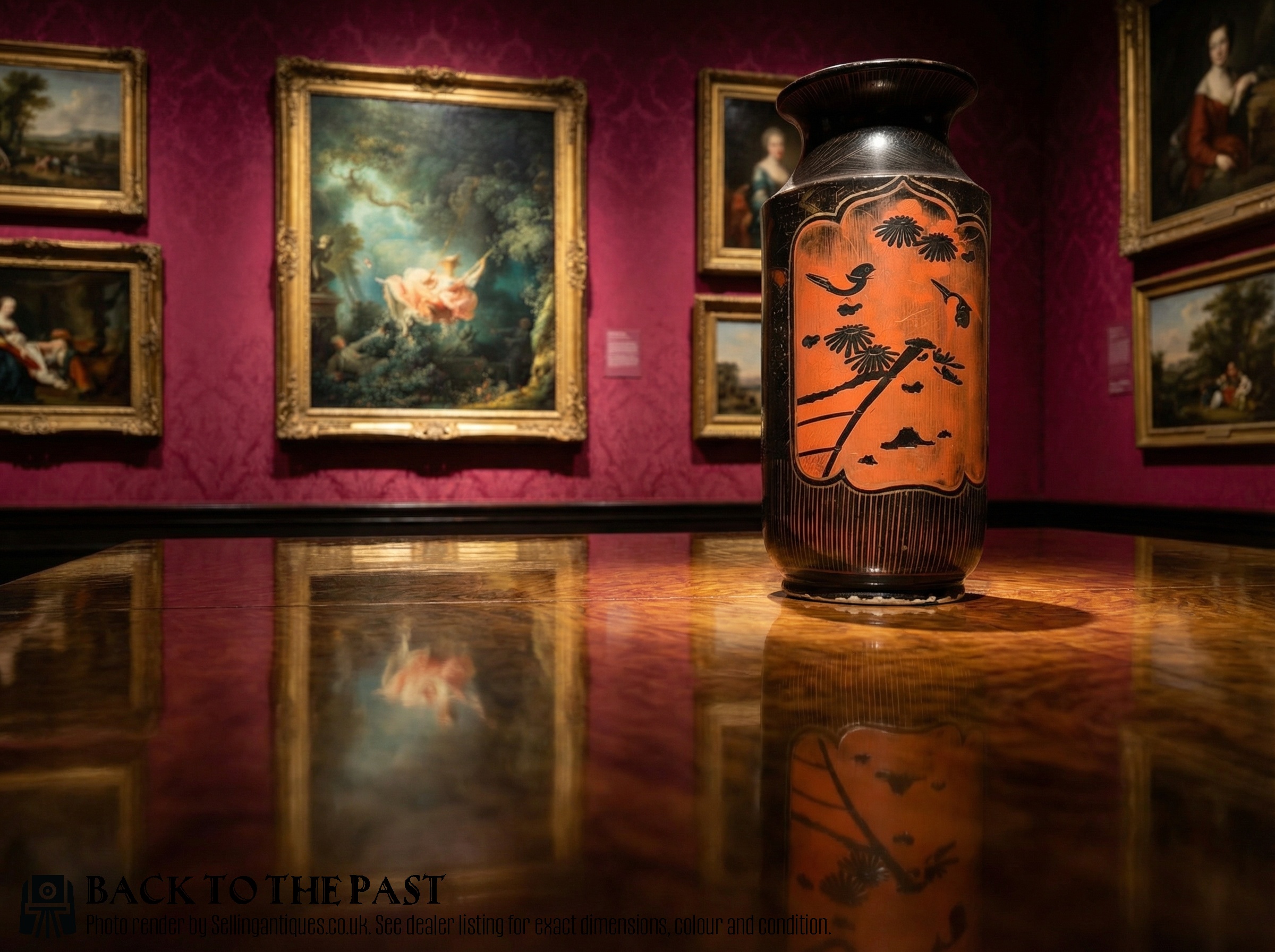
Materials and construction
Ceramic pieces utilise porcelain or earthenware bodies, often decorated with cobalt blue, iron red, and heavy gold leaf gilding. Techniques such as moriage apply slip in raised dots or lines to create tactile surface textures on Kutani and Satsuma wares.
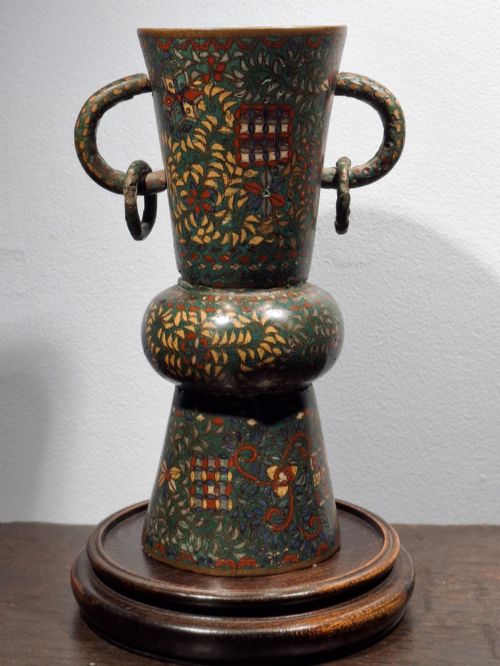
Bronze and brass vessels involve detailed casting and patination, occasionally incorporating champlevé or inlaid elements alongside applied handles shaped as dragons, birds, or elephants. Cloisonné enamel secures fine copper or bronze wires to a metal or porcelain base to form cellular compartments filled with coloured enamel pastes.
19th Century Japanese Vase Retail Price Guide 2026
Typical asking prices for 19th century japanese vase among the pieces listed under this phrase on Sellingantiques today, from the lower quarter to the upper quarter. They describe what is for sale here now, not the wider market.
The selection includes forms ranging from small eggshell porcelain tea wares to palace-scale floor vases.
Assessing the execution
Quality separates through the precision of the hand-painted enamel work and the crispness of the bronze casting or wire placement. Superior examples display intricate brushwork, well-defined gilding, and careful attention to secondary details like interior finishes and handles.
Condition and scale also distinguish individual items, with monumental floor-standing vases and undamaged lidded jars commanding greater presence. Maker signatures and attribution to specific workshops add verifiable distinction to the finer Meiji period pieces.
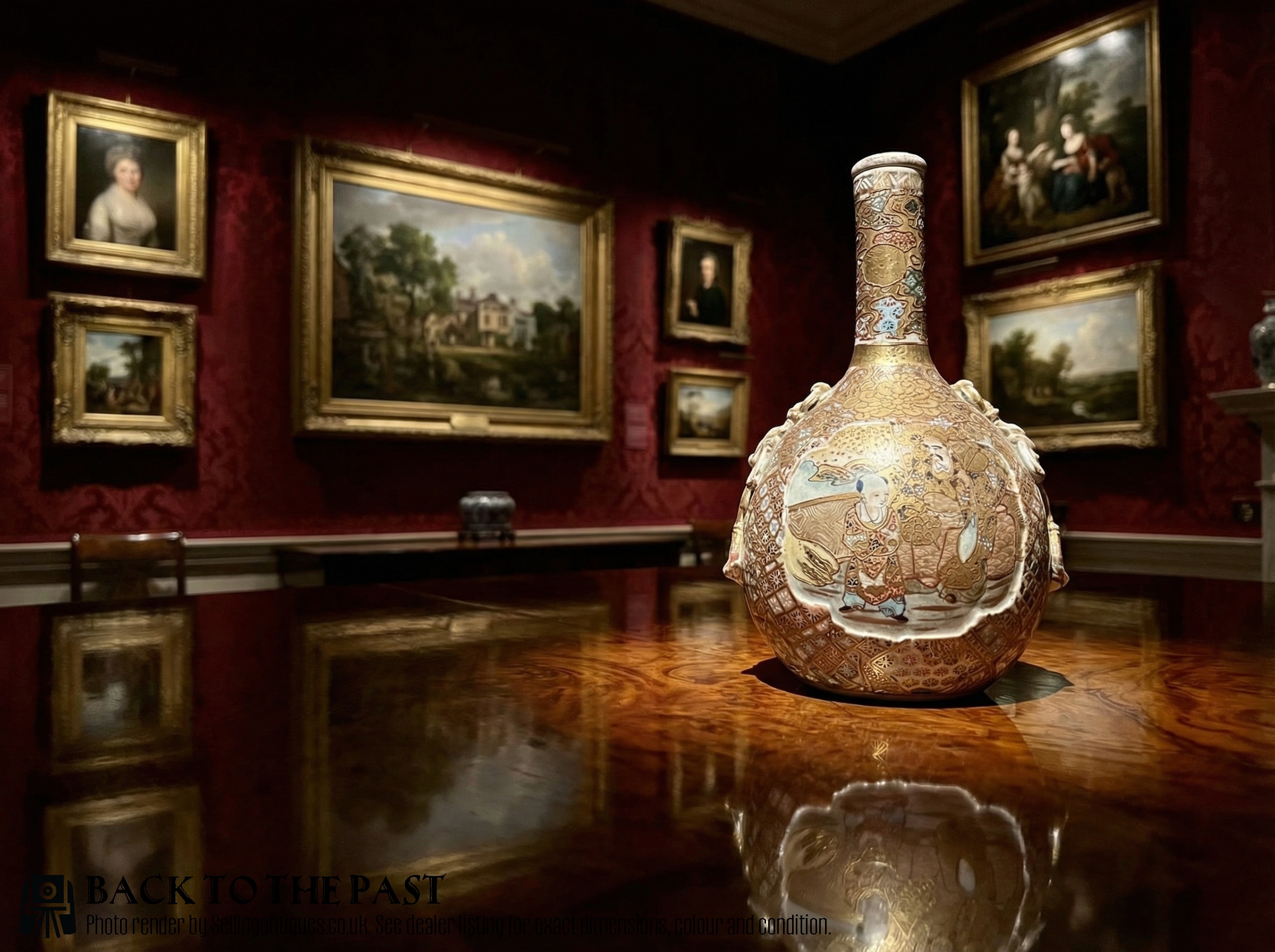
Hayakawa·Dozan·Fukagawa·Taizan·Hichozan Shinpo
The 19th Century Japanese Vase Glossary
- Imari
- A style of Japanese porcelain decorated in underglaze blue, iron red, and gilt, named after the port from which it was shipped. These pieces frequently incorporate dense floral and panel motifs.
- Satsuma
- An earthenware pottery type with a fine crackle glaze, typically decorated with polychrome enamels and raised gilding depicting figures and landscapes. The ware originated in Satsuma Province and expanded during the Meiji period.
- Cloisonné
- An enamel technique where metal wires are soldered to a base to form designs before filling with enamel paste and firing. Japanese variants include totai shippo, which applies enamel over a porcelain or transparent core.
- Kutani
- Japanese porcelain or pottery characterised by vibrant colour palettes, often featuring greens, blues, yellows, and purples with pictorial scenes. Production centres in Ishikawa Prefecture.
- Moriage
- A decorative ceramic technique using piped clay slip to build up raised patterns before glazing and firing. This method adds significant texture to floral and animal designs.
19th Century Japanese Vase: Frequently Asked Questions
How do I distinguish Satsuma from Imari?
Satsuma ware uses a cream-coloured earthenware body with a fine crackle glaze and matte enamels, whereas Imari is hard-paste porcelain featuring glossy underglaze blue and iron-red designs.
Satsuma pieces often focus on figural processions and detailed landscapes with heavy gilding, while Imari relies on symmetrical geometric and floral panels.
What is Meiji period dating?
The Meiji period spans the reign of the Emperor Meiji from 1868 to 1912, marking an era of extensive international trade and artistic output. Items from this time frequently reflect the opening of Japanese ports to Western markets.
Pieces bearing this attribution show refined technical mastery in metalwork and porcelain decoration tailored for export exhibitions.
Are bronze vases cast or hammered?
Nineteenth-century Japanese bronze vases are predominantly produced through lost-wax or sectional casting methods rather than hammering. Artisans then finished the surfaces with hand-chiselling, patination, and applied decorative elements like dragon handles.
Heavier examples often incorporate iron or bronze alloys designed for stability in large floor-standing formats.
How should I clean antique cloisonné?
Maintain cloisonné surfaces by dusting gently with a dry, soft cloth to prevent accumulation in the wire recesses. Avoid using liquid cleaners, chemical solvents, or abrasive polishes that can discolour the enamel or damage the metal wires.
Professional conservation is recommended for pieces showing structural wear or loose enamel cells.