


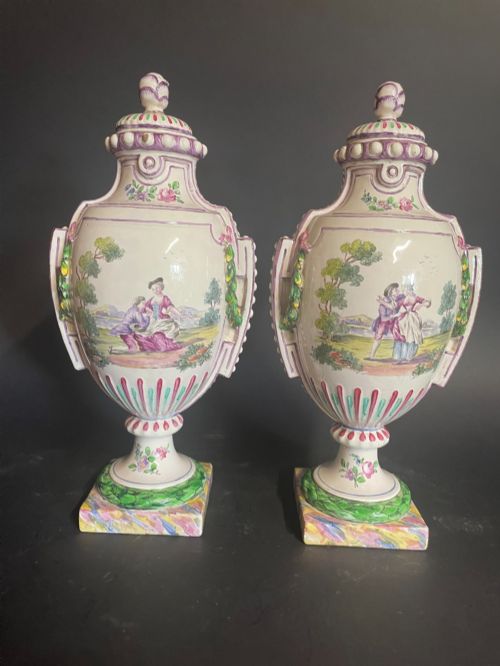
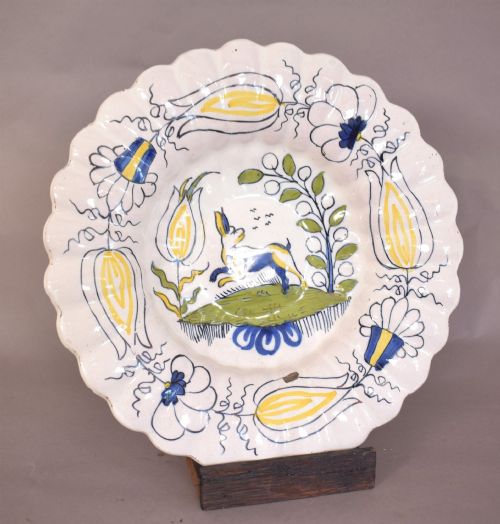
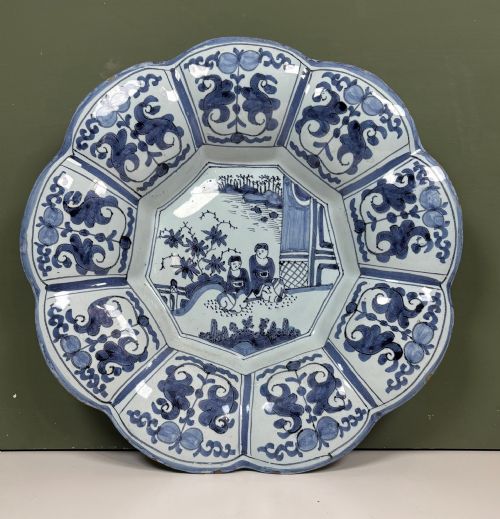
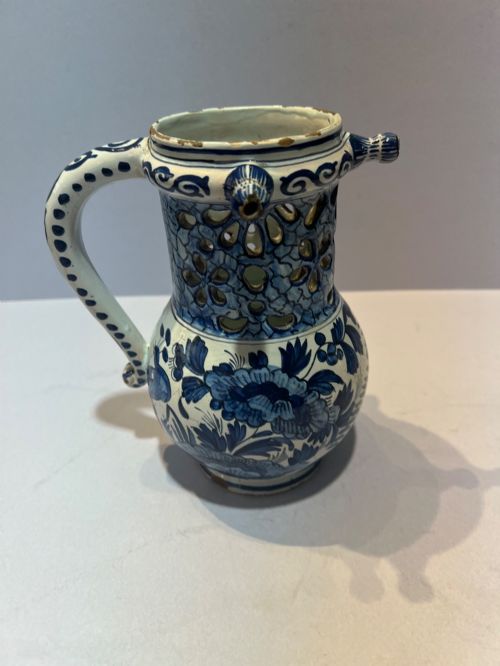
18th Century Tin Glaze
These 18th century tin glaze pieces offer vibrant ceramic artistry and historical character that elevate any traditional interior.
18th Century Tin Glaze
This collection gathers 18th century tin glaze ceramics, encompassing earthenwares shaped as chargers, apothecary jars, plates, bowls, and vases. Buyers searching this phrase look for historic earthenware covered in an opaque white glaze that supports hand-painted pigments.
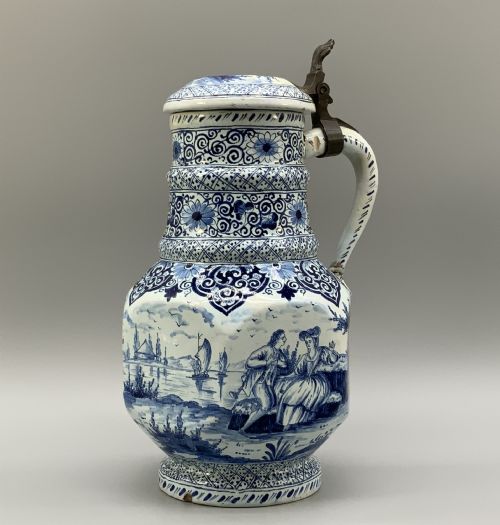
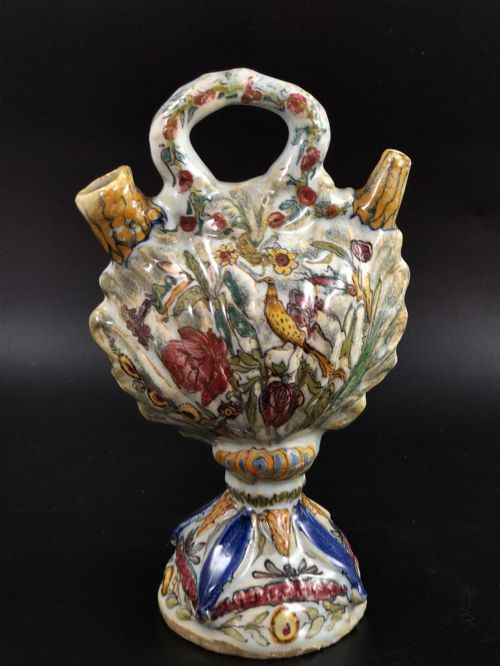
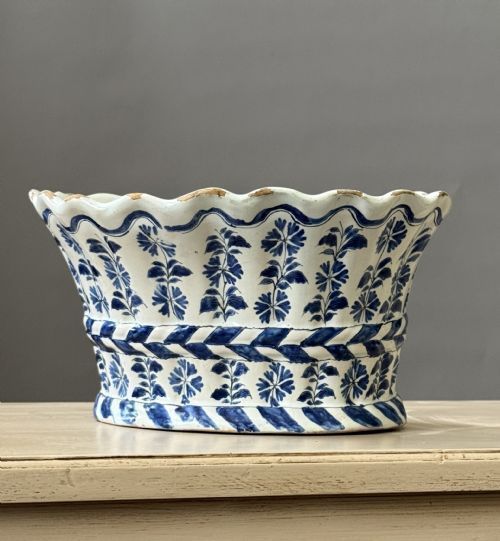
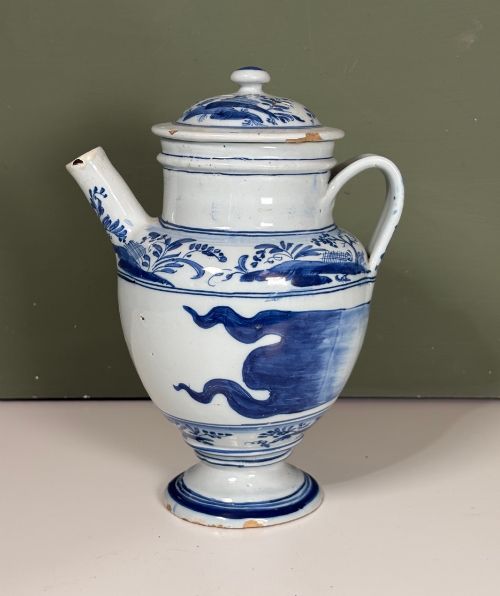
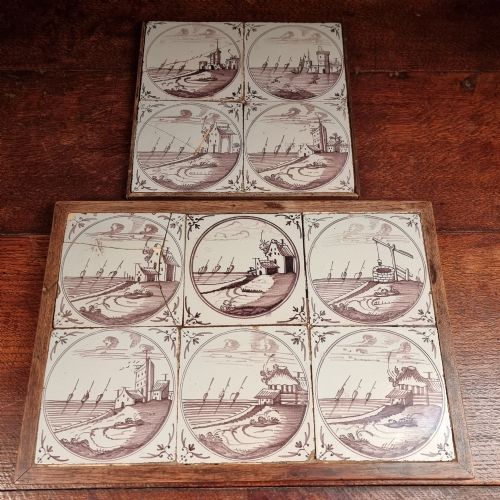
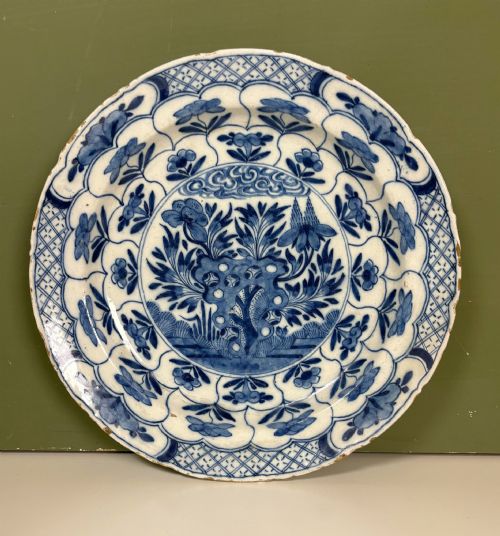
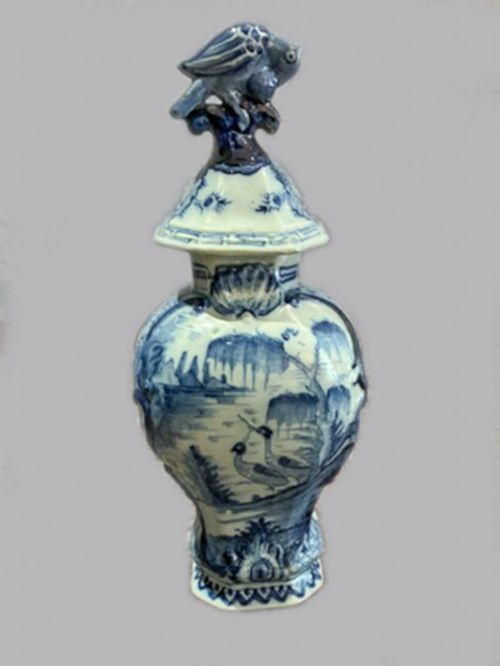
The version most commonly met on this page is Dutch Delftware, alongside English, French, Italian, and Spanish pieces. These objects range from large wall chargers and blue-and-white plates to drug jars, tiles, and lidded urns.
Materials and technique
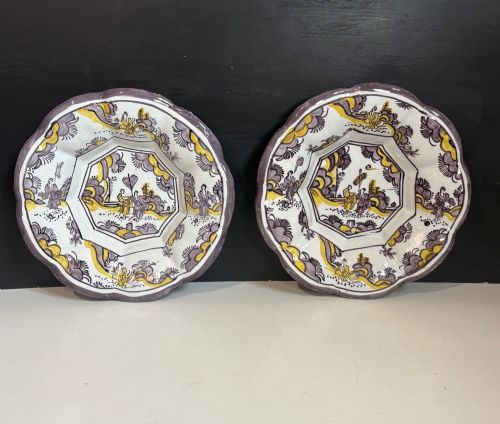
Potters formed these items from earthenware clay, coating the fired body in a tin-oxide glaze that dried to an opaque white surface. Artisans then painted directly onto this porous glaze using cobalt pigment, manganese, and polychrome colours before a final kiln firing.
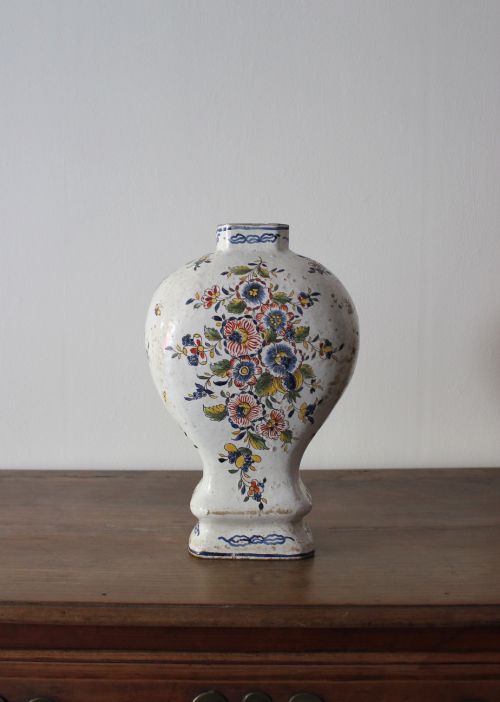
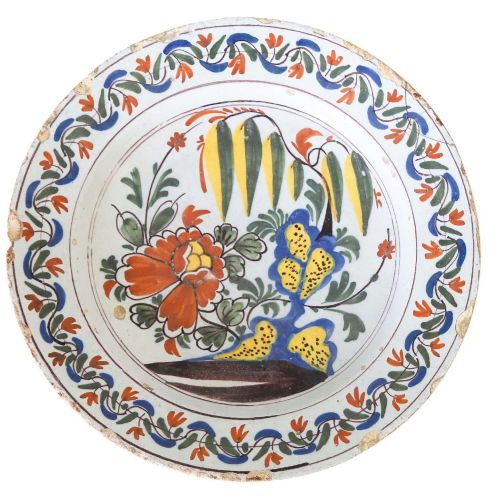
This method fused the metallic oxides into the white coating, creating the characteristic palette of blue and white, alongside manganese purples, yellows, and polychrome floral or figurative scenes.
Listings feature 18th century earthenware forms including drug jars, puzzle jugs, wall chargers, and decorative tiles.
Judging quality in tin-glazed earthenware
Quality rests upon the crispness of the hand-painted brushwork and the stability of the glaze over the earthenware body. Pieces with fluid, confident pictorial scenes or detailed apothecary inscriptions stand above standard utilitarian wares.
The richness of the cobalt or polychrome palette and the preservation of the tin glaze determine desirability. Firing flaws and glaze losses occur frequently across these historic ceramics, but a steady glaze layer maintains visual impact.
The 18th Century Tin Glaze Glossary
- Tin Glaze
- A lead glaze made opaque by the addition of tin oxide, providing a white background for painted decoration. It forms the defining surface of delftware, majolica, and faience.
- Charger
- A large earthenware plate intended primarily for display on a wall or dresser rather than for dining. These wide surfaces often carry elaborate painted narratives or floral designs.
- Polychrome
- Decoration employing multiple distinct colours, such as yellows, greens, blues, and reds, rather than a single pigment. In these ceramics, it describes multi-coloured floral or figurative painting.
- Apothecary Jar
- A ceramic vessel used by chemists and pharmacists to store dry drugs, wet balms, or medicinal liquids. They frequently feature painted labels detailing the contents.
18th Century Tin Glaze: Frequently Asked Questions
What is tin-glazed earthenware?
Tin-glazed earthenware is pottery covered in an opaque white glaze containing tin oxide. This white surface serves as a canvas for hand-painted cobalt and coloured pigments.
The technique developed across Europe during the early modern period, encompassing Dutch delft, English delftware, French faience, and Italian majolica.
How were apothecary jars used?
Apothecary jars held dry drugs, syrups, and herbal remedies in historic pharmacies and dispensaries. Their tin-glazed surfaces prevented medicinal contents from seeping into the porous earthenware body.
Label inscriptions painted onto the front of wet and dry drug jars identified the specific contents for the apothecary.
How do I display these chargers?
Large chargers were originally produced to adorn walls or sideboards during the historic period. Using appropriate plate hangers secures these heavy earthenware dishes safely against a wall.
Keeping them away from direct sunlight and damp environments protects the porous ceramic body and historic glaze layer.
How can I tell English and Dutch delft apart?
English and Dutch delft share similar tin-glaze and cobalt techniques, but differences appear in the clay bodies and glaze tones. English pieces often display slight variations in foot rims and local floral motifs.
Analysing the specific colours, such as manganese or distinct blue hues, helps identify the likely regional kiln origin.