

18th Century Dutch Ceramics
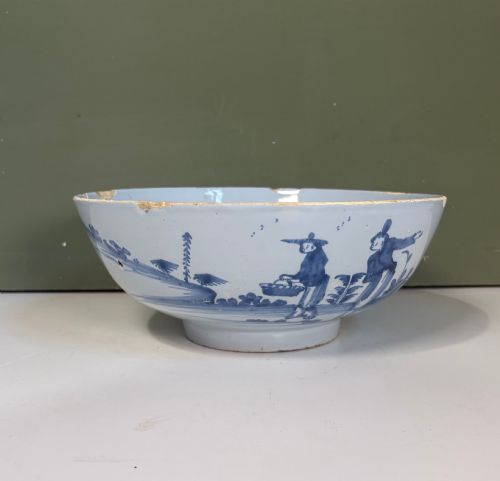
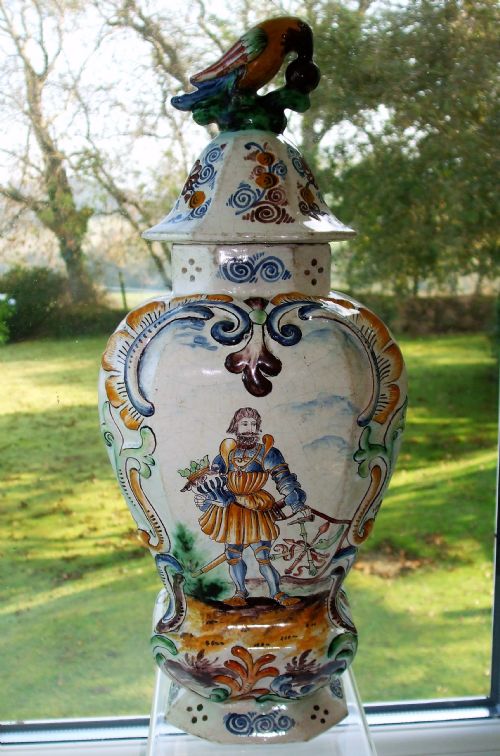
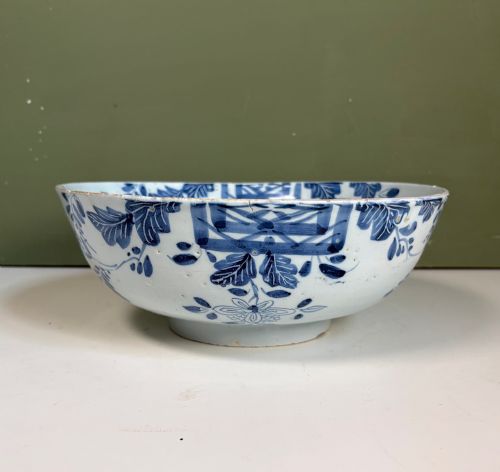
These 18th century dutch ceramics are tin-glazed earthenwares offering hand-painted blue, manganese and polychrome designs that bring historic continental artistry into your home.
18th Century Dutch Ceramics
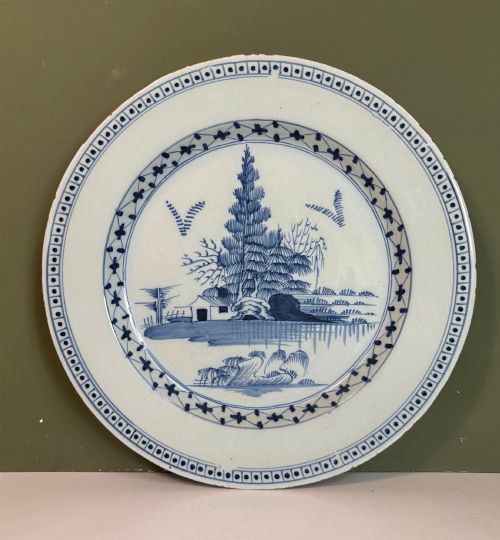
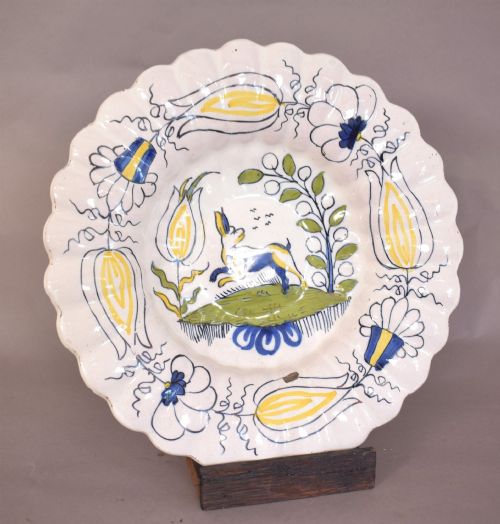
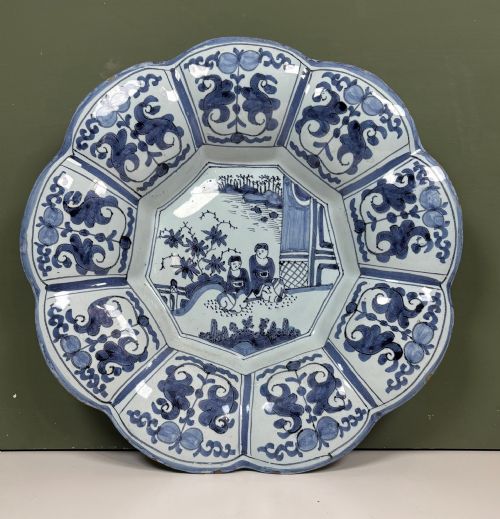
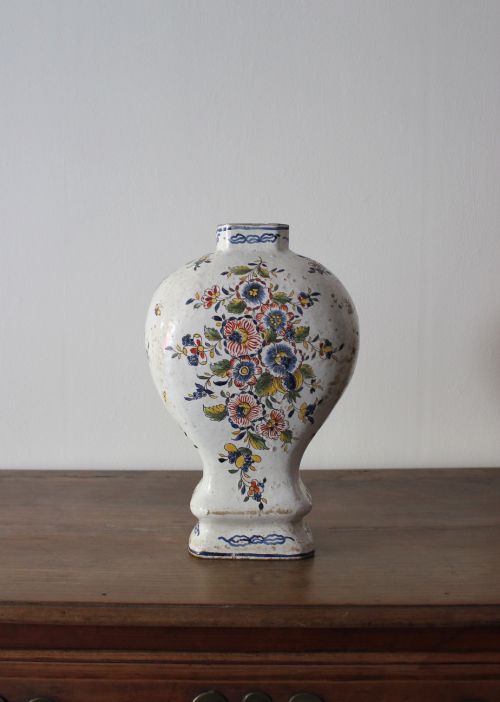
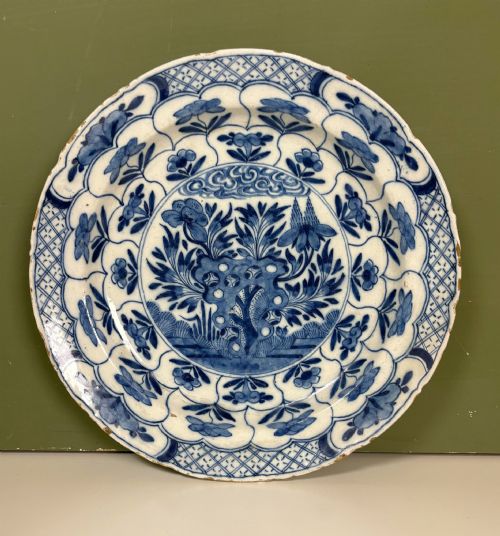
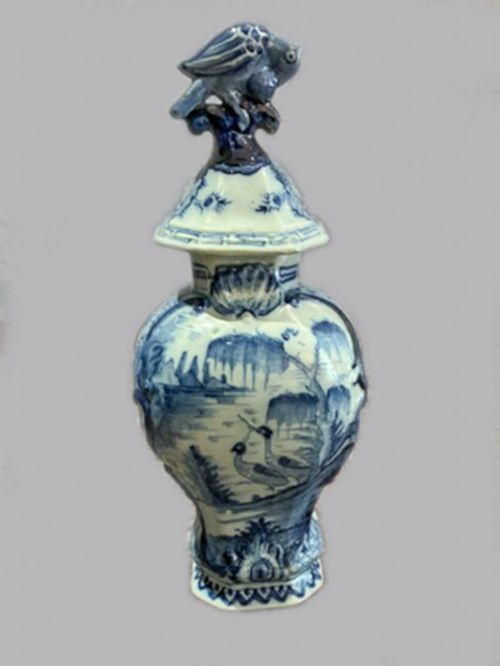
When you search for 18th century dutch ceramics, you encounter tin-glazed earthenware objects spanning domestic and decorative forms. The selection most commonly includes chargers, chargers plates, and vases originating from Dutch workshops during the seventeen-hundreds.
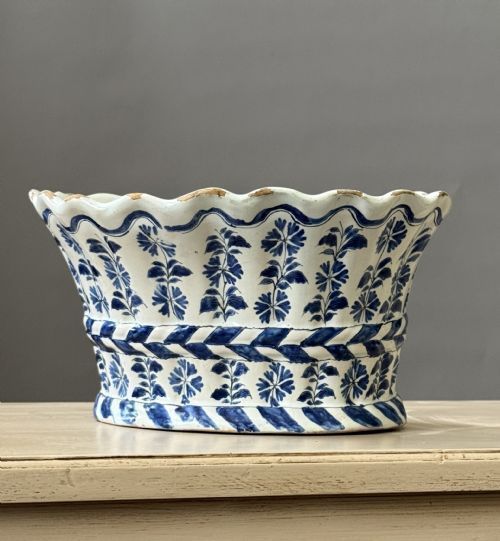
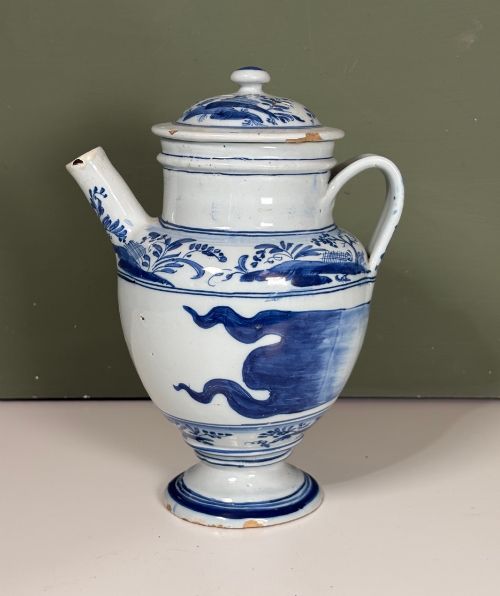
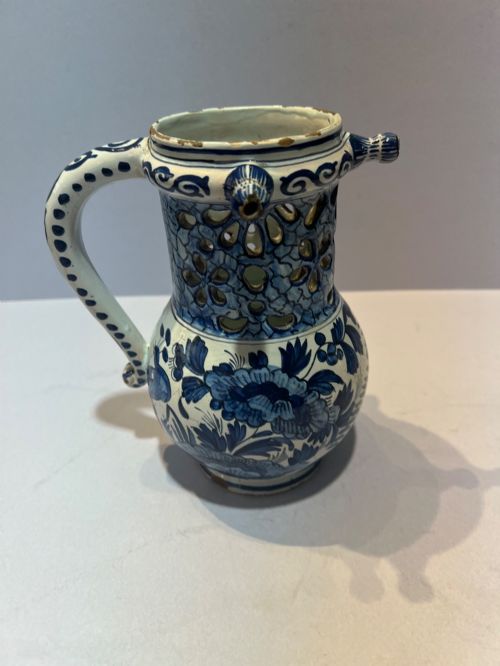
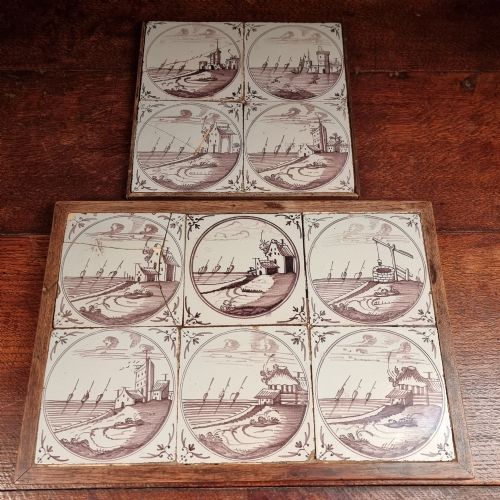
Beyond standard dishes, the inventory yields specialised domestic pieces such as puzzle jugs, posset pots, apothecary jars, barber's bowls, and bough pots. Architectural tiles and figurative candlesticks also appear, reflecting the wide scope of historic pottery production.
Styles range from straightforward blue and white designs to intricate polychrome and manganese applications. Pieces frequently display influences from Dutch Baroque alongside adaptations of imported Asian porcelain motifs.
How They Were Made
Potters formed these items from earthenware clay, coating the fired body in an opaque white tin glaze to create a smooth canvas for painting. Artisans applied cobalt pigment, manganese, and polychrome oxides directly onto the porous surface before a final glazing and firing process.
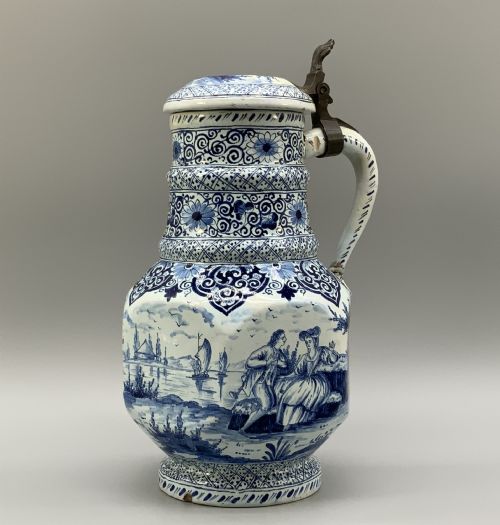
Certain functional items incorporated additional media, such as pewter lids fitted to jugs, or brass components integrated into lighting conversions. Workshops also utilised hand-thrown techniques for hollowware alongside moulded methods for plates, chargers, and tiles.
Puzzle jugs challenge drinkers with secret spouts, proving historic households enjoyed a clever practical joke with their evening ale.
What Varies in Quality
The sophistication of the hand-painted brushwork dictates the visual success of each piece, distinguishing hurried factory output from careful studio execution. Linework clarity and pigment saturation across blue and white or polychrome surfaces reveal the painter's competence.
The stability and coverage of the tin glaze over the earthenware body determine structural integrity and surface uniformity. Surviving original lids, mountings like pewter, and overall preservation of the ceramic edges elevate the standing of individual examples.
The 18th Century Dutch Ceramics Glossary
- Tin-Glazed Earthenware
- Earthenware pottery covered with a lead glaze made opaque by the addition of tin oxide. This coating provides the white background typical of delftware.
- Charger
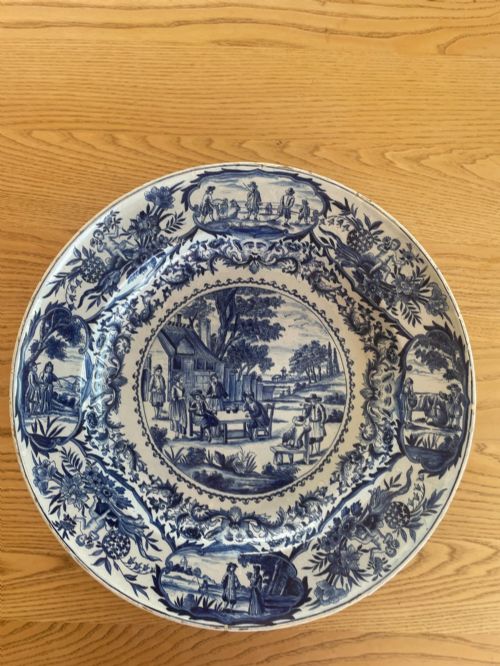
- A large decorative plate intended for display on a wall or sideboard rather than daily dining use. These large earthenware circles often showcase the most ambitious painted scenes.
- Manganese
- A purple-brown metallic oxide used by potters for pigment application. It yields distinct warm purple tones alternative to standard cobalt blue.
- Polychrome
- Decoration employing multiple distinct colours on a single ceramic object. Dutch painters used a palette of contrasting hues alongside traditional blue.
- Puzzle Jug
- A vessel with a pierced neck designed to confound drinkers, requiring liquid to be sucked through hidden spouts. These clever pieces demonstrate playful ceramic engineering.
18th Century Dutch Ceramics: Frequently Asked Questions
How were charger plates displayed?
These large dishes were traditionally hung on walls or stood on sideboards to showcase painted narratives and decorative floral motifs within domestic interiors.
Their substantial diameter made them prominent display pieces in historic Dutch homes, acting as focal points in formal rooms.
What is a posset pot?
A posset pot served spiced hot milk curdled with wine or ale, consumed during celebrations or as a medicinal remedy.
These vessels typically feature multiple handles and a spout, allowing groups to share the contents during communal gatherings.
Can these ceramics be used daily?
Tin-glazed earthenware is porous and fragile, making these historic items unsuitable for regular modern dining or dishwasher cleaning.
Displaying them securely on walls, mantels, or within cabinets preserves the fragile glaze and historic body from accidental damage.
How do I spot manganese decoration?
Manganese decoration appears as distinctive purple, plum, or brownish-purple painted lines and washes rather than standard cobalt blue.
This pigment creates a softer, warmer visual tone across tiles and chargers produced during the seventeen-hundreds.