

17th Century Carved Oak
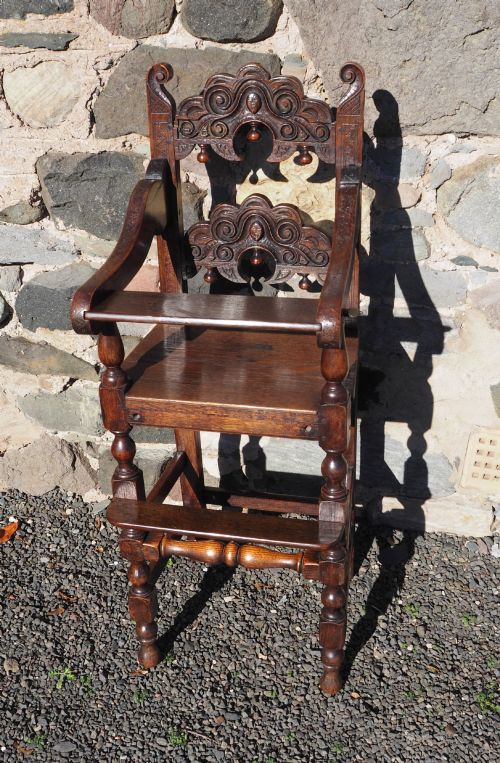
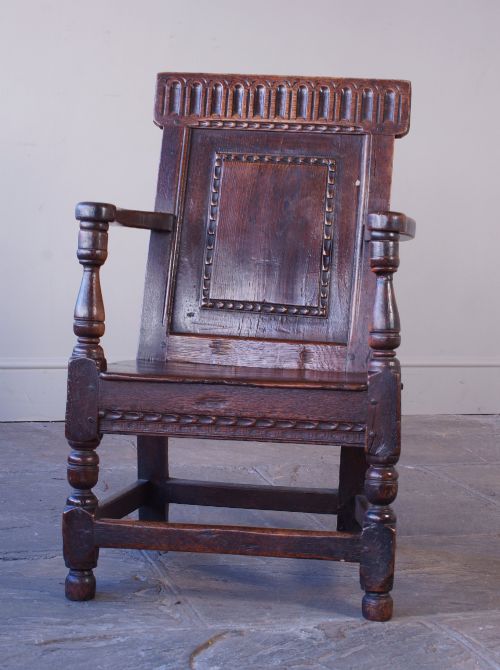
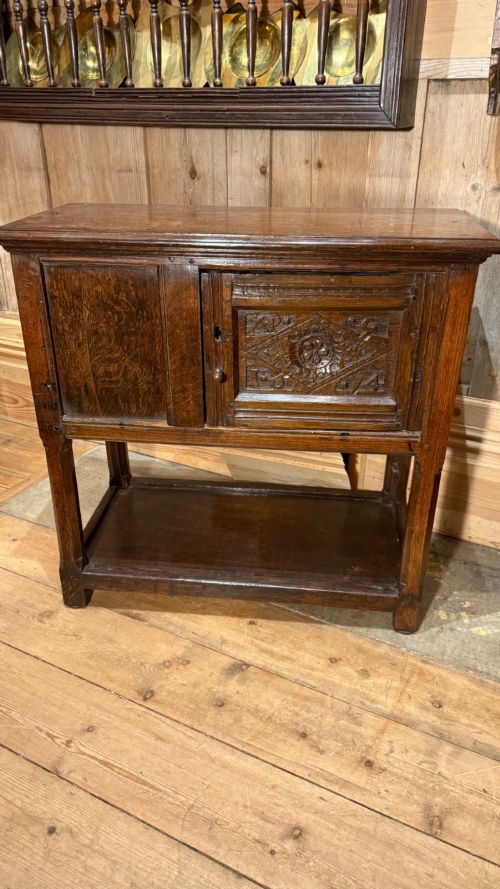
Searching for 17th century carved oak brings up sturdy domestic timber furniture and architectural panels made to last generations.
17th Century Carved Oak
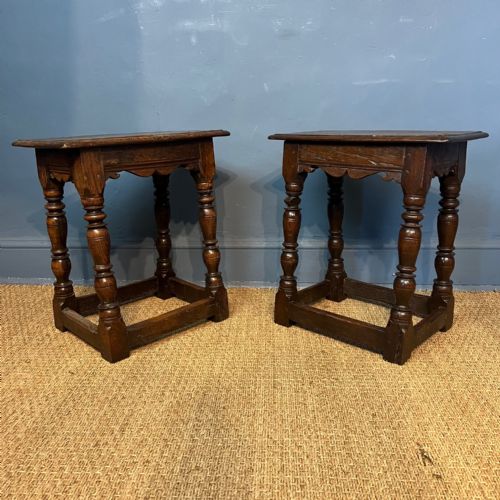
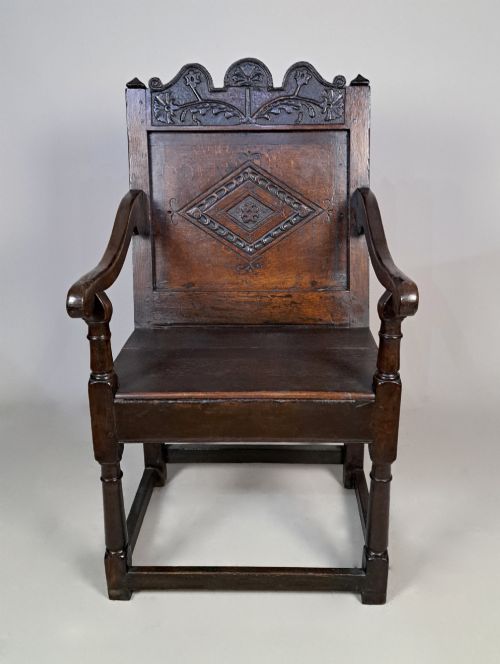
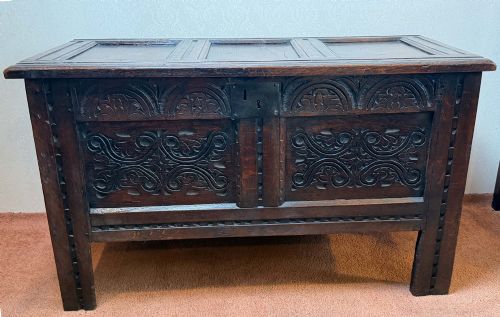
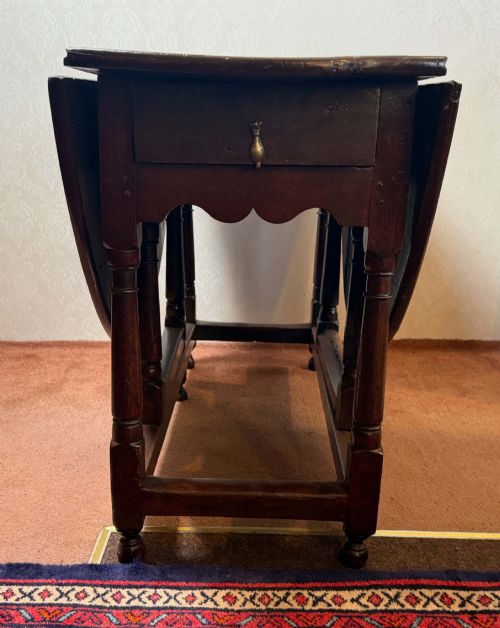
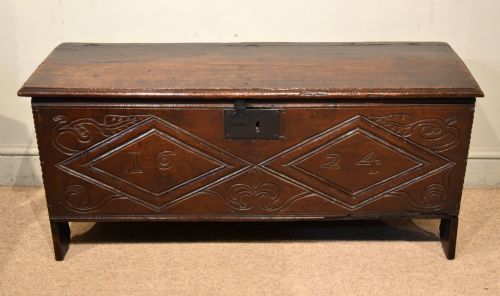
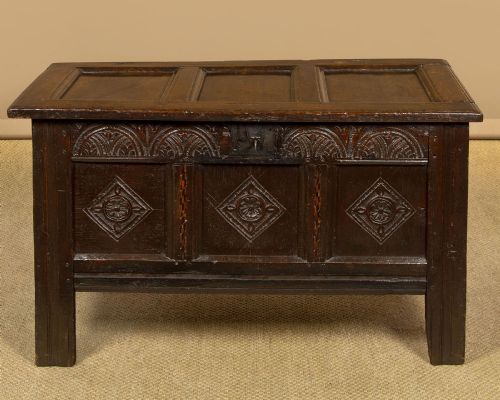
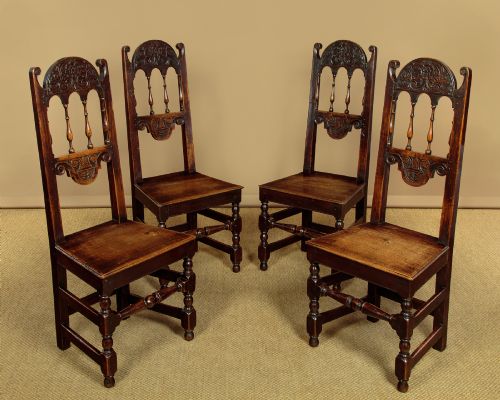
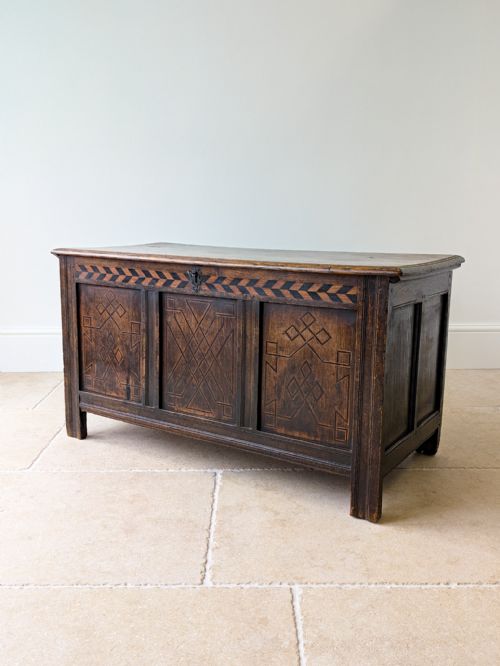
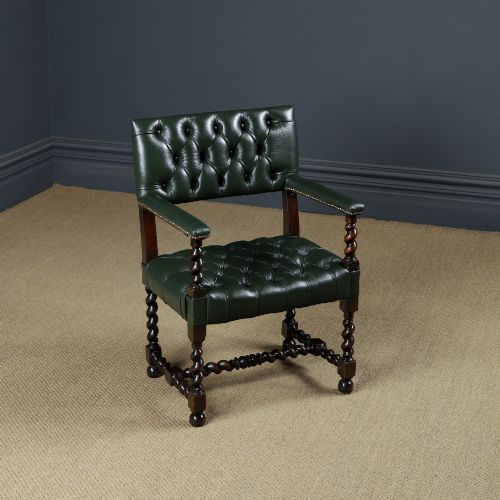
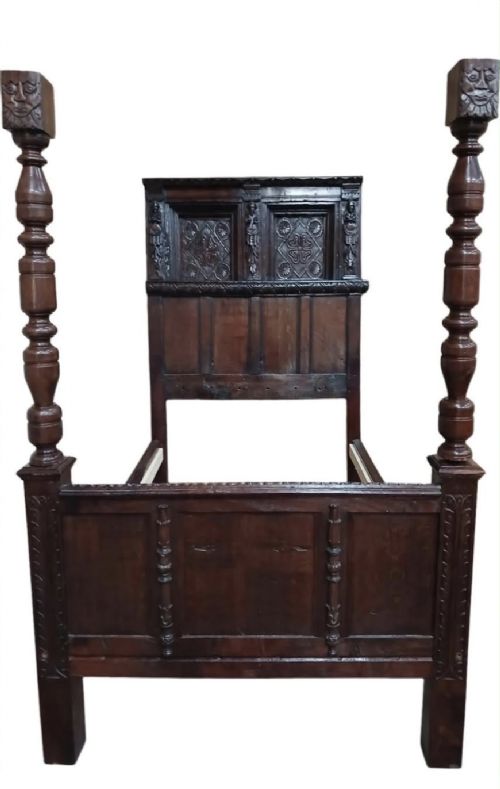
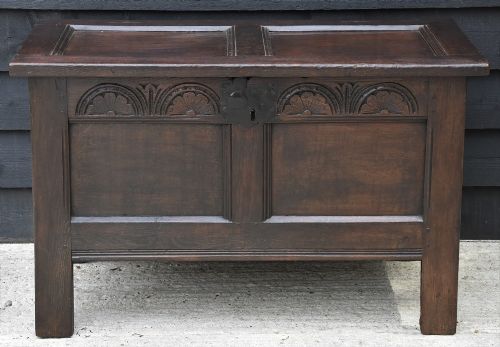
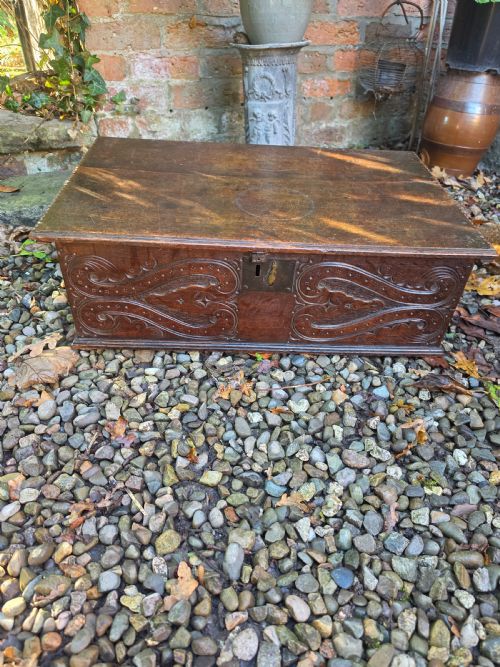
When hunting for 17th century carved oak, buyers most frequently encounter utilitarian storage pieces like coffers, chests, and mule chests alongside joined dining tables, side tables, and chests of drawers.
The material spans genuine period pieces from the 1600s, including James I, Charles II, Cromwellian, and William and Mary eras, alongside later revival pieces produced during the Victorian period and the early 20th century.
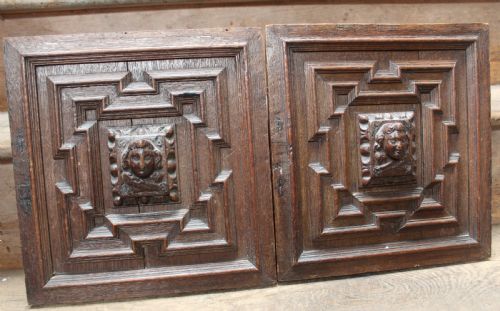
Beyond furniture, the category encompasses architectural fragments, such as carved oak panels, ceiling bosses, and figurative carvings depicting subjects like Joan of Arc or Tudor roses.
Materials and Construction
Cabinet makers built these items primarily using solid oak, sometimes combining secondary woods like beech, sycamore, walnut, or exotic veneers like rosewood and ebony for inlay work.
Joinery relied on traditional techniques such as mortise and tenon frames, panel construction, and chip carving, supplemented by iron or brass hardware for hinges and locks.
17th Century Carved Oak Retail Price Guide 2026
Typical asking prices for 17th century carved oak among the pieces listed under this phrase on Sellingantiques today, from the lower quarter to the upper quarter. They describe what is for sale here now, not the wider market.
Listings include solid oak alongside beech, walnut, and iron hardware across periods spanning the 16th century to the 1930s.
Judging Quality
The distinction between ordinary and exceptional pieces lies in the depth and crispness of the hand carving, the selection of figured timber, and the integrity of the original construction.
Pieces featuring intricate pictorial panels, geometric marquetry inlay, or untouched period surfaces command greater appreciation than plain utilitarian boxes or later revival items.
The 17th Century Carved Oak Glossary
- Coffer
- A large wooden chest used for storage, typically featuring a hinged lid and panelled construction. These sturdy boxes formed a central part of early household furnishings.
- Mule chest
- A storage chest featuring one or two drawers at the base beneath the main compartment. This form bridges the evolution between simple coffers and full chests of drawers.
- Joint stool
- A sturdy wooden stool constructed using pegged mortise and tenon joinery rather than turned legs inserted into a seat. They provided flexible seating around early dining tables.
- Draw leaf table
- A dining table with pull-out extension leaves stored beneath the main surface. This clever mechanism allowed households to expand table capacity for feasts.
- Marquetry
- The art of applying decorative veneer pieces in wood to form geometric or pictorial designs. Craftsmen utilised contrasting timbers like ebony and walnut to create visual depth.
17th Century Carved Oak: Frequently Asked Questions
How do I spot a genuine period piece?
Examine the construction methods, tool marks, and timber shrinkage to determine age. Genuine 17th-century items display hand-riven wood, peg construction, and period-appropriate wear patterns.
Revival pieces from the Victorian era or later often utilise machine-sawn timber and lack the accumulated patina of centuries of domestic use.
What was a coffer used for?
Households utilised coffers as secure storage receptacles for valuable textiles, documents, silver, and personal belongings. Their heavy timber construction and iron locks provided essential security in early homes.
They also functioned as seating benches or tables when space was limited in domestic interiors.
How should I care for antique oak furniture?
Maintain stable humidity and temperature levels in your home to prevent the solid oak from splitting or warping. Avoid placing timber pieces near direct heat sources or in harsh sunlight.
Apply a traditional beeswax polish occasionally to nourish the surface and preserve the historic patina without sealing the wood.