


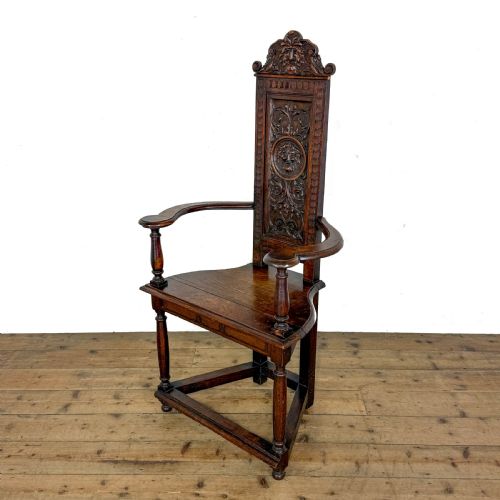

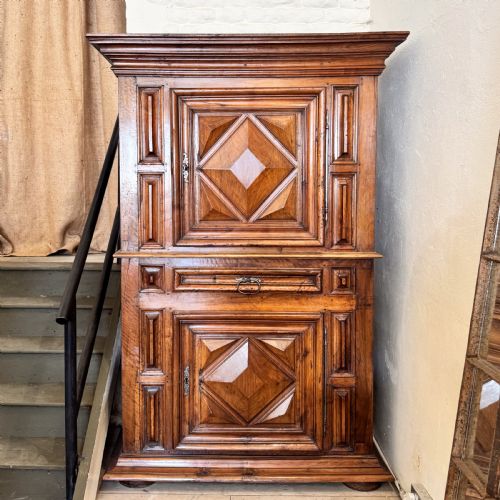
Renaissance Carved Panel
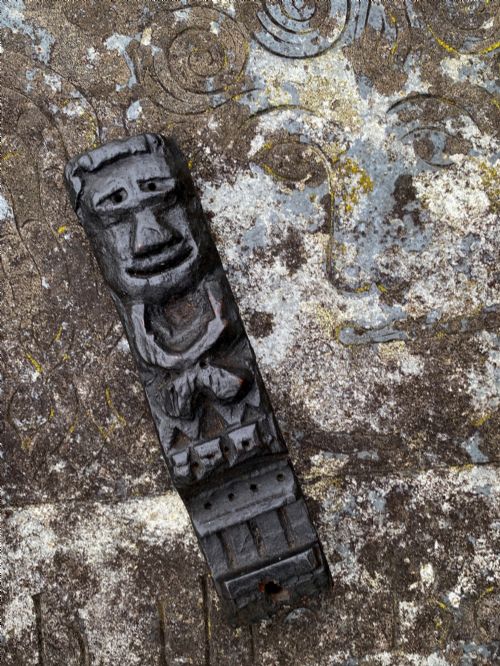
These pieces of renaissance carved panel bring centuries of timber craftsmanship and bold figural relief directly into domestic interiors.
Renaissance Carved Panel
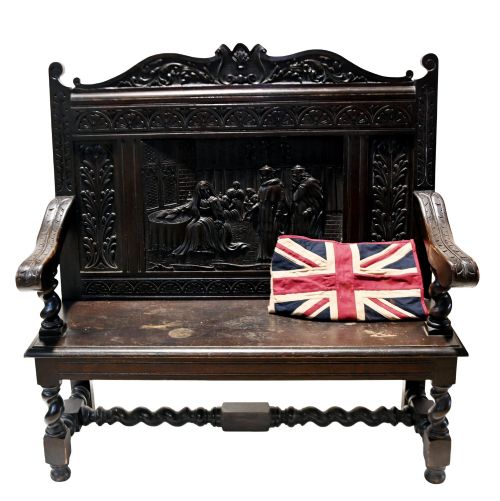
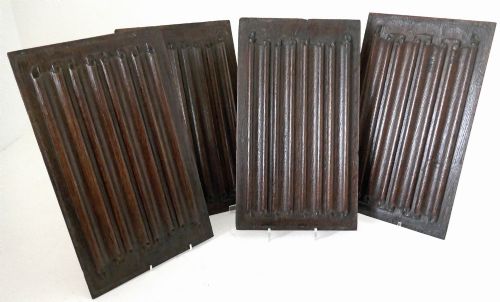
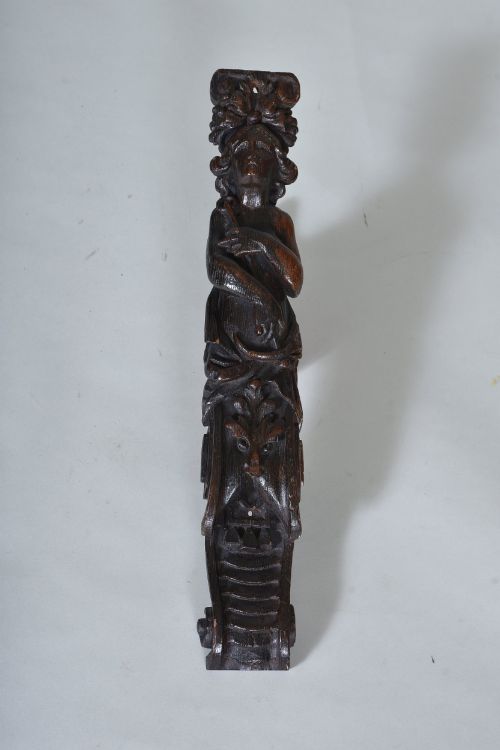
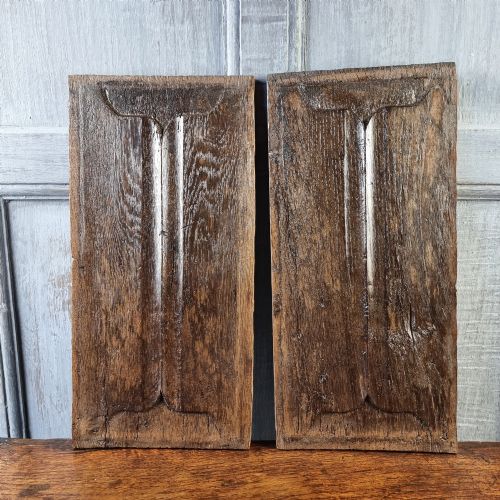
A renaissance carved panel represents centuries of architectural salvage, furniture components, and wall reliefs originating primarily from sixteenth and seventeenth-century European workshops. Buyers encounter these items fashioned from robust hardwoods, taking the form of linenfold motifs, religious groupings, and mythical creatures.
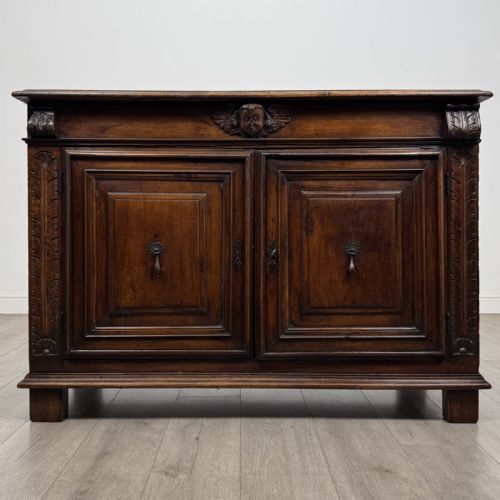
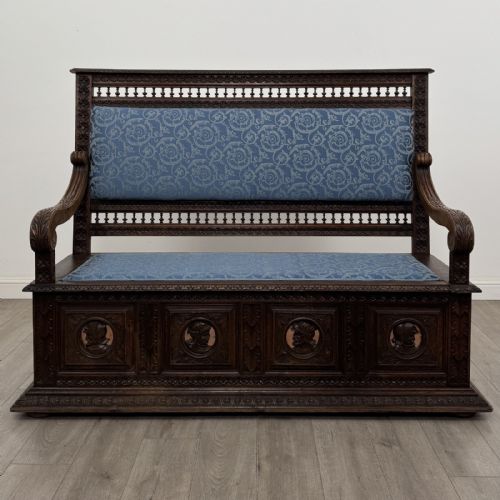
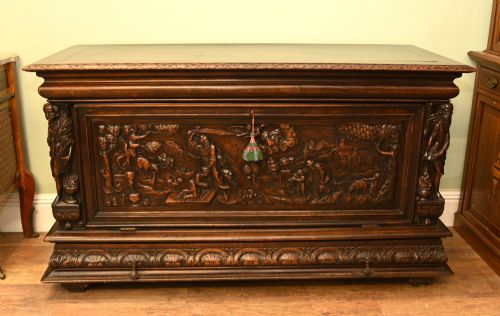
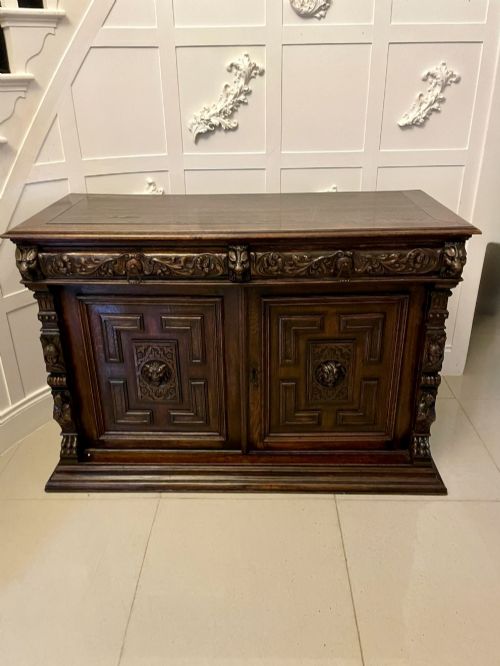
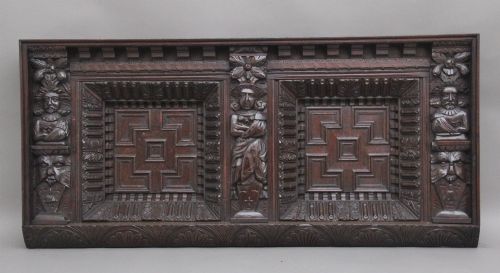
The most frequent examples appearing on this page include sixteenth and seventeenth-century oak and walnut fragments, alongside nineteenth-century revival interpretations. These works often survive as isolated wall panels, coffer fronts, or cabinet doors integrated into later architectural settings.
How they were made
Carvers worked primarily in dense native hardwoods like oak and walnut, utilising chisel and gouge to achieve high-relief depth and intricate detail. Surfaces occasionally received supplementary decoration through gold leaf or polychrome paint, enhancing the dimensionality of figures.
Joinery techniques such as pegged mortise and tenon framed many of these panels, allowing timber to expand and contract within architectural surrounds. Later nineteenth-century revival pieces applied similar hand-tool methods to replicate earlier styles.
Renaissance Carved Panel Retail Price Guide 2026
Typical asking prices for renaissance carved panel among the pieces listed under this phrase on Sellingantiques today, from the lower quarter to the upper quarter. They describe what is for sale here now, not the wider market.
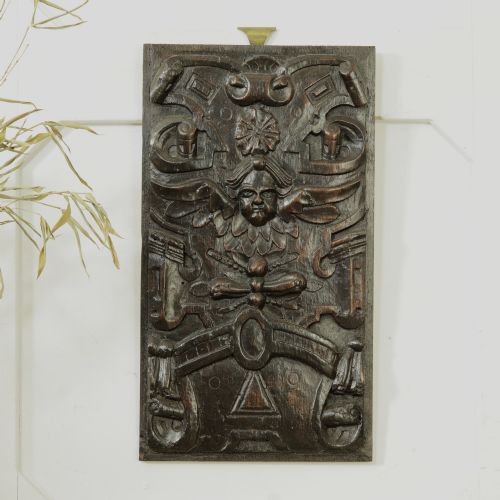
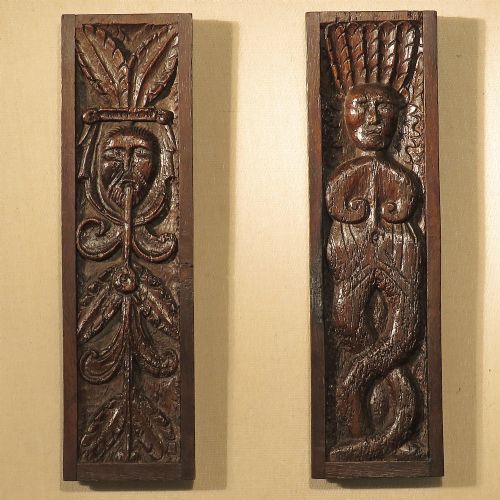
Look closely for mischievous mythical sea monsters and horned satyrs hiding among the scrolling foliage of sixteenth-century panels.
What varies in quality
The distinction between ordinary and exceptional carving lies in the crispness of the chisel work and the anatomical proportions of figures such as putti, angels, or green men. Superior examples display deep undercut relief and dynamic movement rather than flat, mechanical repetition.
Material selection also dictates overall merit, with dense, finely grained walnut and early sixteenth-century oak commanding greater artistic presence than later soft-wood alternatives or heavily restored surfaces.
Hugues Sambin·Ambrious Benson
The Renaissance Carved Panel Glossary
- Linenfold
- A style of wood moulding resembling folded parchment or linen, common on sixteenth-century panels. This geometric carving technique creates a textured surface across domestic furniture.
- High-Relief
- Sculpture where figures project significantly from the background plane. This method creates strong shadows and three-dimensional depth on architectural panels.
- Green Man
- A decorative motif carved as a human face surrounded by or sprouting foliage. It symbolises rebirth and appears frequently in early wood carving.
- Putto
- A figure of a small child, often winged, depicted in classical and renaissance art. These plump figures frequently populate decorative borders and religious scenes.
- Coffer
- A large wooden chest used for storage, often featuring elaborately carved front panels. These robust receptacles served practical and decorative functions in early homes.
Renaissance Carved Panel: Frequently Asked Questions
How were these panels originally used?
Carpenters and joiners integrated these timber elements into larger architectural schemes, church furniture, and domestic wall panelling. They served to decorate important rooms and furniture facades.
Over subsequent centuries, many panels were salvaged from dismantled buildings or altered furniture and converted into standalone decorative items for wall hanging.
How do I tell sixteenth-century work from nineteenth-century revival pieces?
Early pieces display authentic tool marks, natural timber oxidation, and structural wear consistent with centuries of age. The grain patterns and joinery methods reflect period manufacturing techniques.
Revival pieces often utilise machine preparation, exhibit uniform colouring, or employ timber treatments that mimic historical surfaces without genuine wear.
How should I clean and maintain carved wood panels?
Dust surfaces gently with a dry, soft brush to remove debris from deep recesses without disturbing the timber. Avoid liquid cleaners, oils, or modern polishes that can degrade old finishes.
Keep panels away from direct heat sources and strong sunlight to prevent the timber from drying out, cracking, or warping over time.
Can I hang heavy wooden panels on modern walls?
Proper installation requires assessing the weight of the dense oak or walnut against the load-bearing capacity of the wall structure. Using professional brackets or French cleats distributes the load safely.
Consult a structural specialist if the panel incorporates heavy framing or integrated shelving to ensure secure mounting.