

Antique 2 Door Cabinet
An antique 2 door cabinet provides practical storage whilst bringing period warmth and craftsmanship into a room.
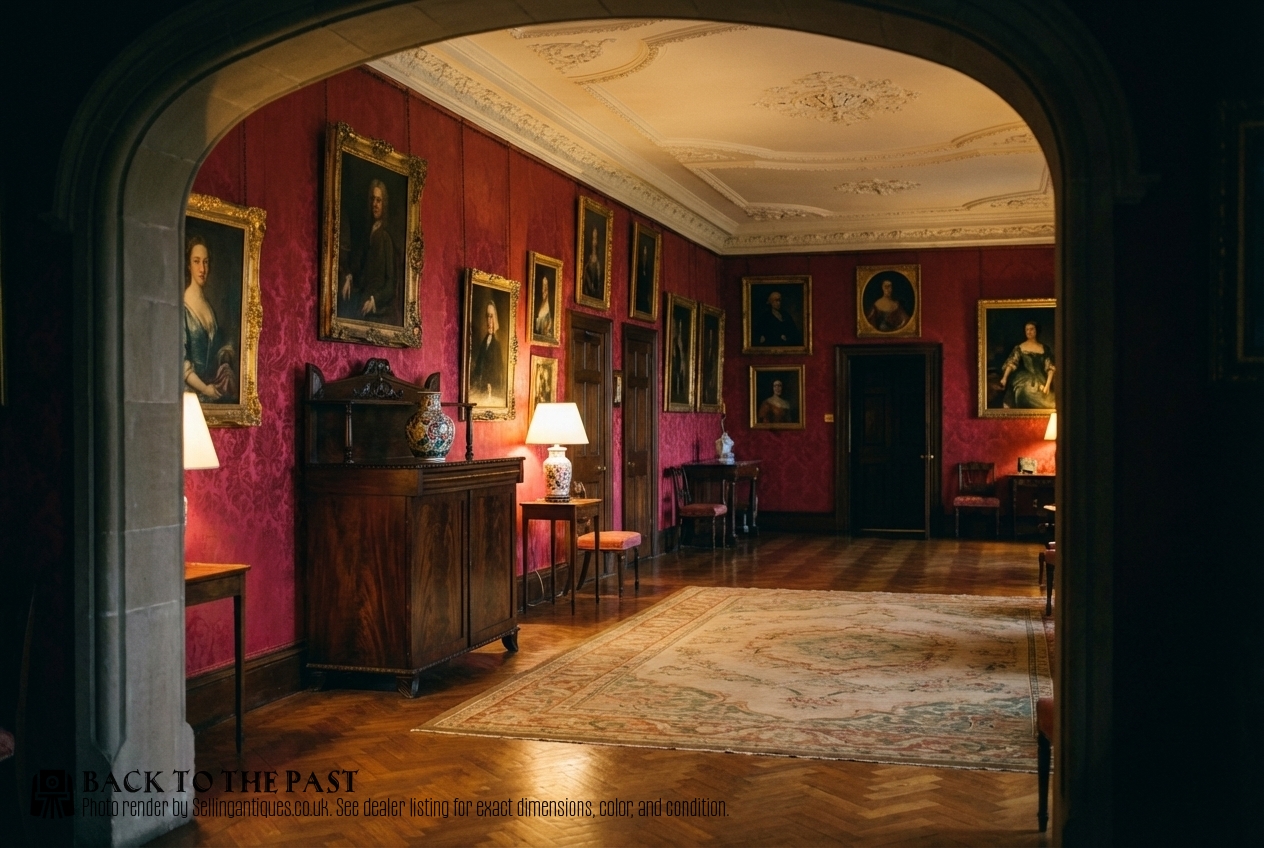
Antique 2 Door Cabinet
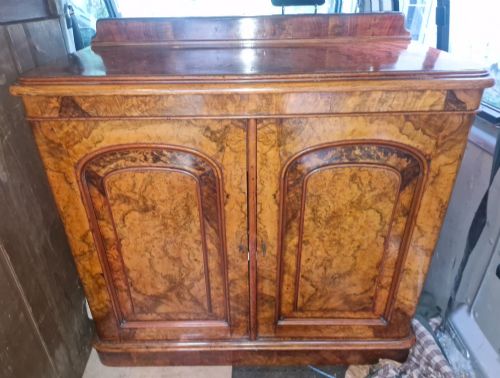
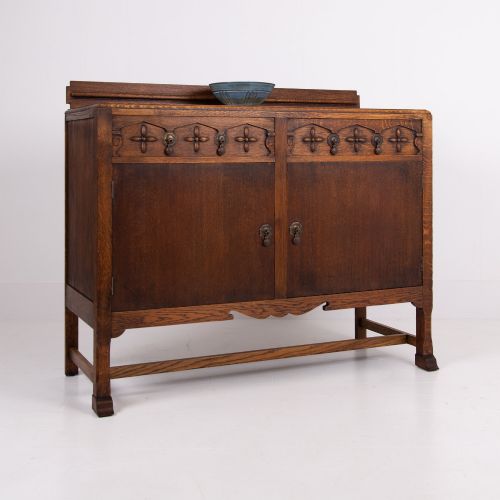
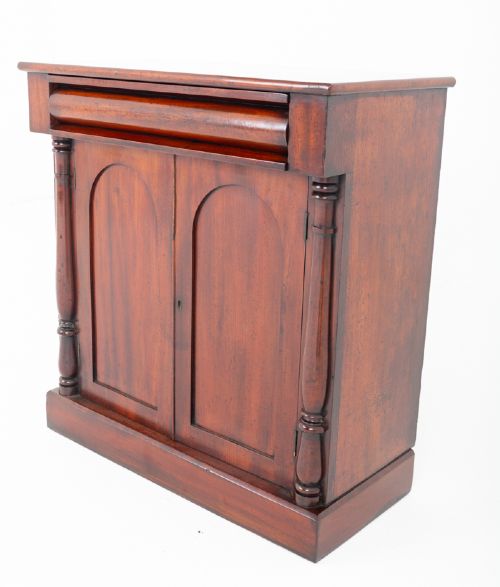
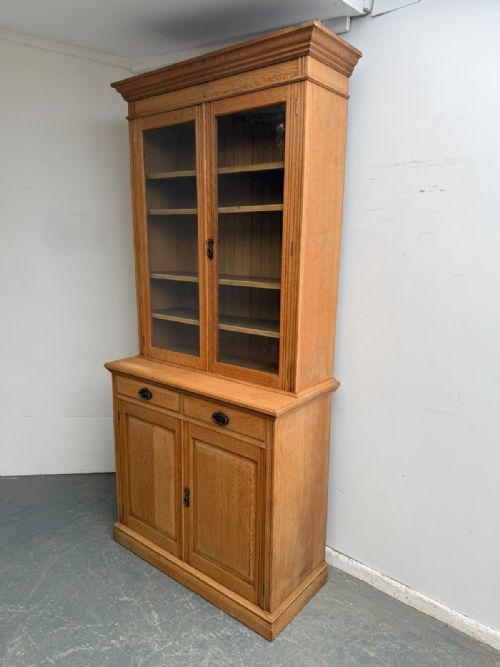
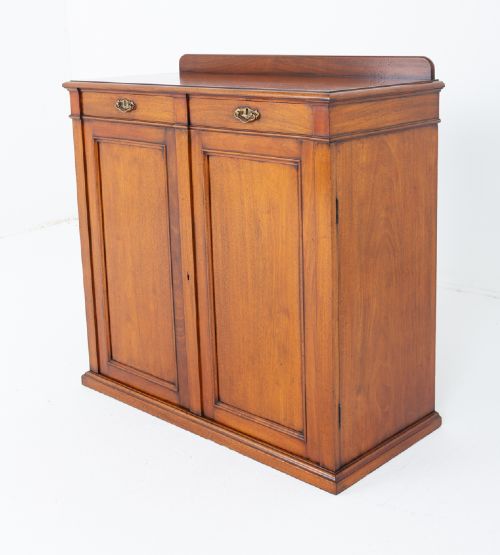
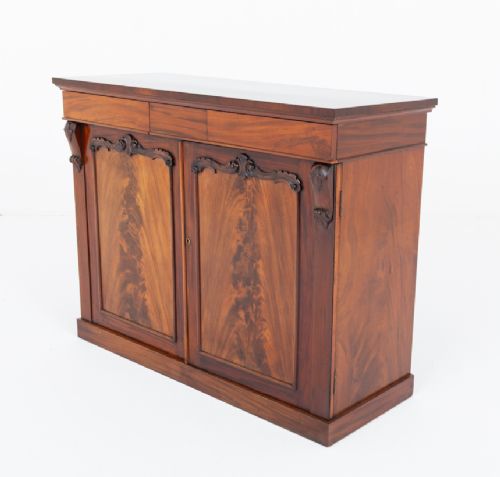
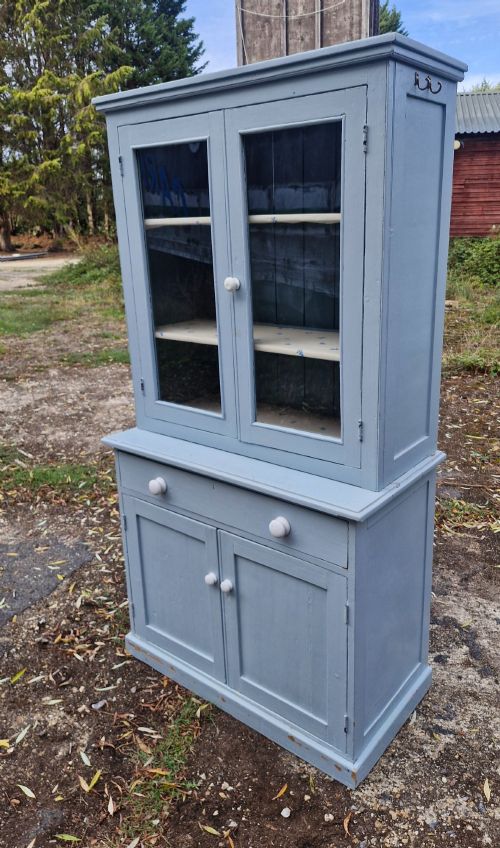
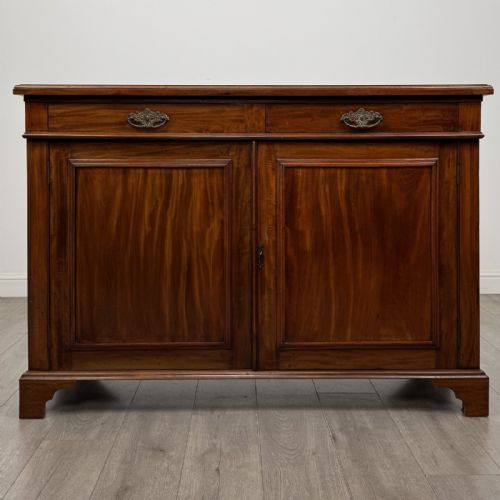
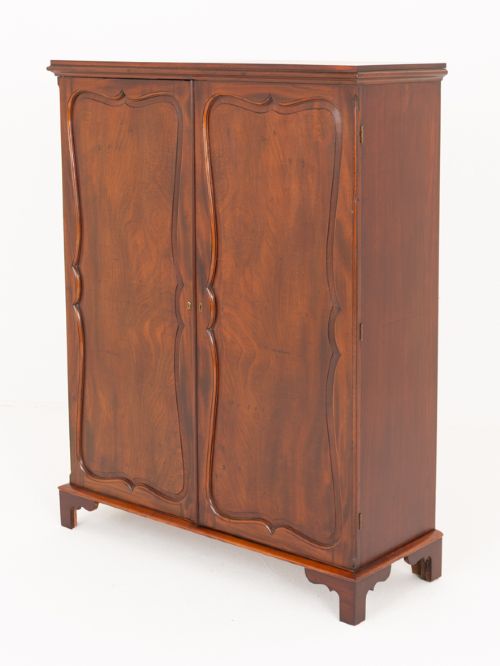
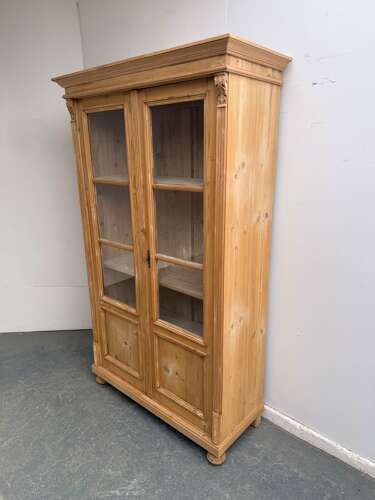
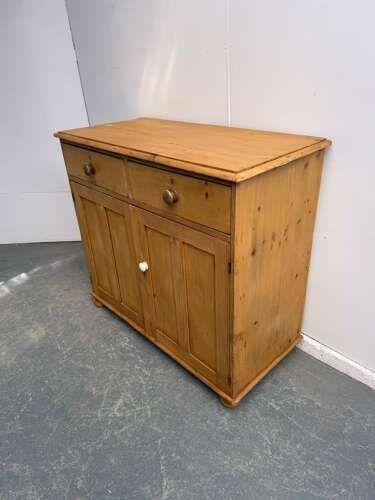
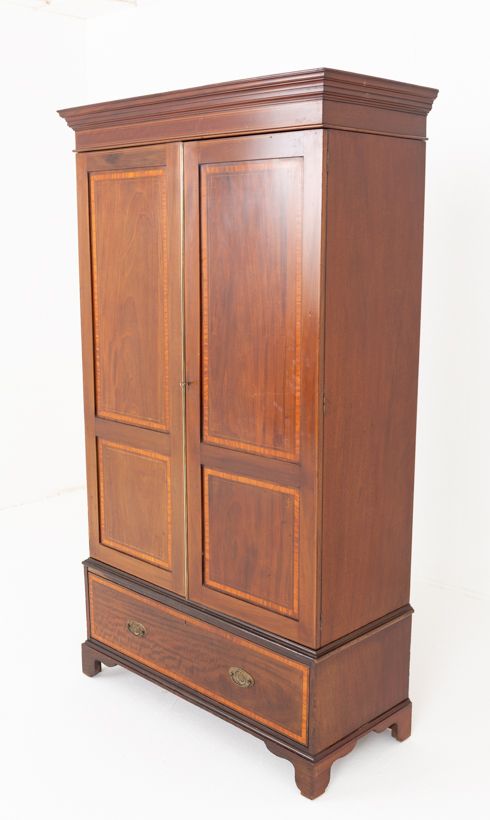
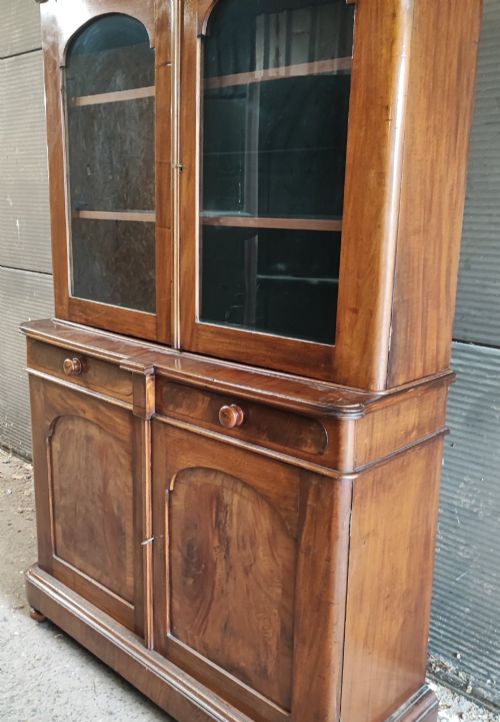
An antique 2 door cabinet encompasses a diverse group of domestic furniture designed for storage and display, appearing across several centuries from the Georgian era through to the 1930s. Buyers searching this phrase commonly encounter side cabinets, display cabinets, bookcases, wardrobes, and cupboards adapted for various rooms in the home.
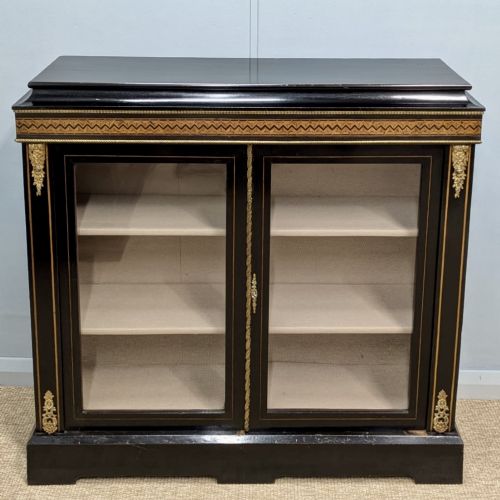
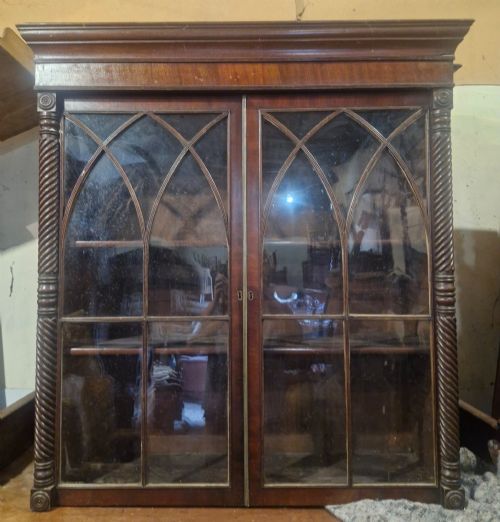
The materials and styles span simple pine kitchen pieces and sturdy oak cupboards to refined Victorian burr walnut credenzas and mahogany bookcases. Pieces range from straightforward utilitarian storage lockers and school library shelving to heavily decorated revival pieces featuring inlay, ormolu mounts, and glazed doors.
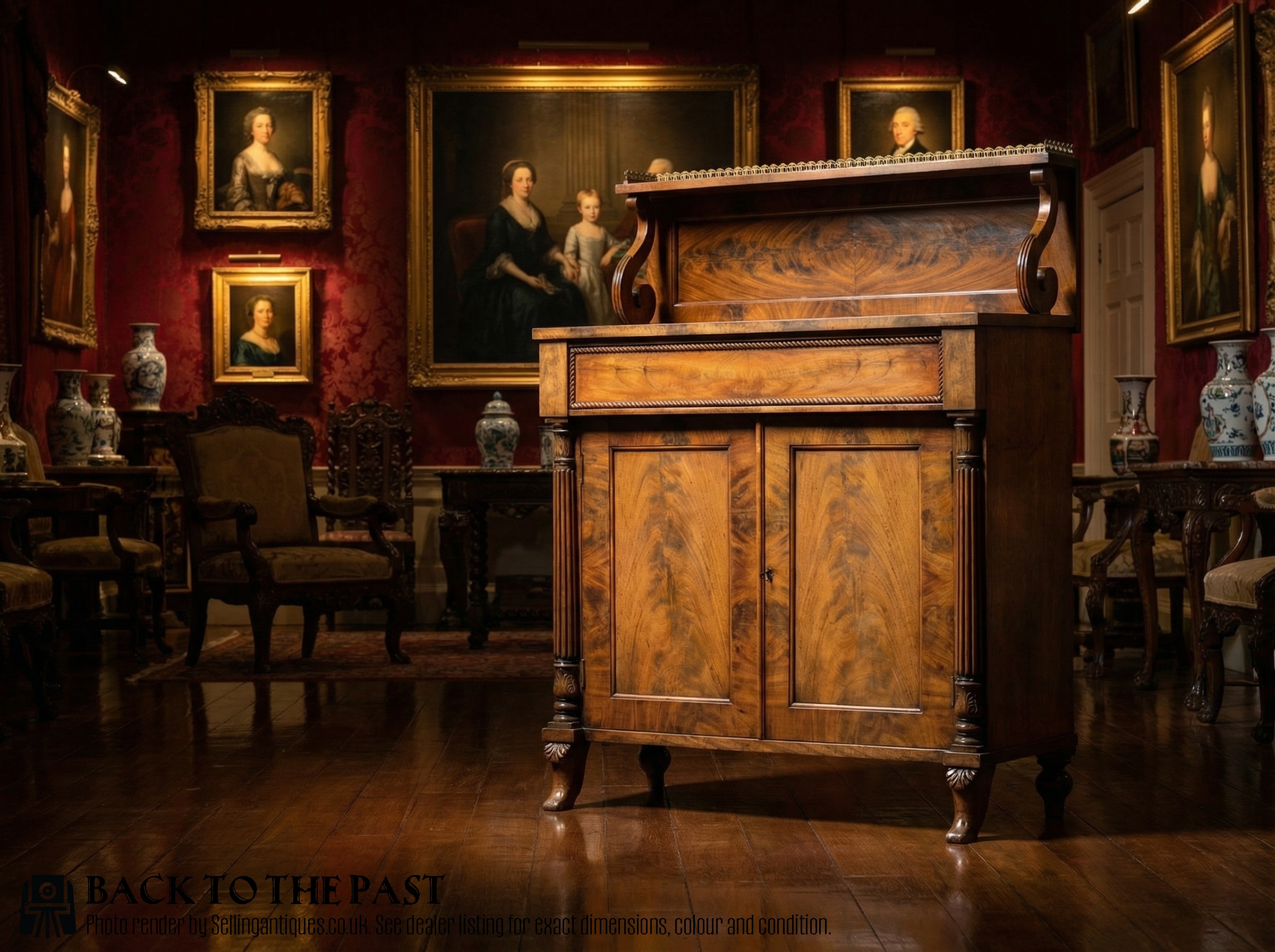
Materials and Construction
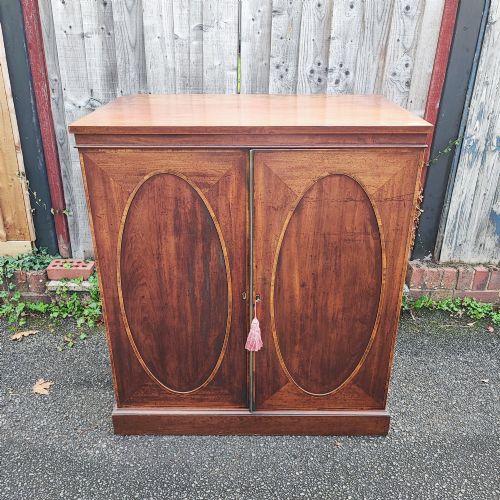
Cabinet makers utilised a dependable range of timbers including mahogany, oak, walnut, burr walnut, satinwood, rosewood, and pine. Hardwoods like mahogany and oak provide structural longevity, while burr walnut and satinwood serve as decorative veneers for visible surfaces.
Construction techniques involve traditional joinery methods suited to the period, supplemented by decorative elements such as brass hardware, glass panels, and hand-carved details. Surface treatments range from wax and natural polish to painted finishes and ebonisation.
Antique 2 Door Cabinet Retail Price Guide 2026
Typical asking prices for 2 door cabinet among the pieces listed under this phrase on Sellingantiques today, from the lower quarter to the upper quarter. They describe what is for sale here now, not the wider market.
Smokers pipe cabinets prove that even the smallest antique cupboards deserve a dedicated storage space.
Judging Quality
Quality rests primarily on the selection of timber, the precision of the joinery, and the refinement of decorative details. Pieces featuring choice veneers like burr walnut or carefully selected flame mahogany sit at the higher end, alongside those exhibiting crisp carving and quality metal mounts.
Proportion and execution distinguish finer items from simpler utilitarian pieces. The handling of secondary woods, the integration of glazed or astragal doors, and the subtlety of any inlay dictate the overall standing of an individual cabinet.
The Antique 2 Door Cabinet Glossary
- Astral Glazed
- Glass doors divided by wooden framing bars into smaller panes. This technique allows light into display spaces while maintaining structural integrity.
- Credenza
- A sideboard or display cabinet originating in the Victorian period. These pieces frequently feature elaborate mounts and burr walnut veneers.
- Ormolu
- Gilded bronze applied as an ornamental mount on furniture. It adds metallic contrast to dark woods during the Victorian era.
- Chiffonier
- A low sideboard or cabinet equipped with drawers and doors. They became popular in nineteenth-century interiors for dining and living rooms.
- Breakfront
- A piece of furniture with a central section that projects forward from the flanking sides. This creates architectural depth and visual weight.
Antique 2 Door Cabinet: Frequently Asked Questions
What rooms suit an antique 2 door cabinet best?
These cabinets adapt easily to living rooms, dining spaces, and hallways depending on their internal configuration and depth. Glazed display versions work well for china and books, while solid wooden cupboards hide everyday clutter.
Smaller formats function effectively as bedside tables or corner units, making them useful in bedrooms and compact spaces.
How do I identify the period of a cabinet?
Dating relies on observing the combination of timber, construction methods, and stylistic cues such as Georgian proportions or Victorian revival carving. Secondary woods inside drawers and the type of fixings also offer reliable clues to the decade of manufacture.
Comparing the decorative vocabulary against established revival styles helps narrow down pieces produced in the nineteenth and early twentieth centuries.
Are these cabinets suitable for modern homes?
Their enduring appeal lies in combining functional storage with traditional craftsmanship that adds character to contemporary interiors. The variety of timbers, from warm oak to dark mahogany, allows them to mix easily with modern decor.
Internal shelving depths and configurations can accommodate modern media equipment or everyday household items while concealing them behind period doors.
How should I care for timber surfaces?
Routine maintenance involves dusting with a soft dry cloth and applying traditional beeswax periodically to nourish the wood. Avoiding direct sunlight and sudden temperature changes prevents the timber and veneers from drying out.
Careful handling of brass hardware and glass doors ensures the original fittings remain secure and undamaged over years of use.