
A 2026 Guide by Sellingantiques
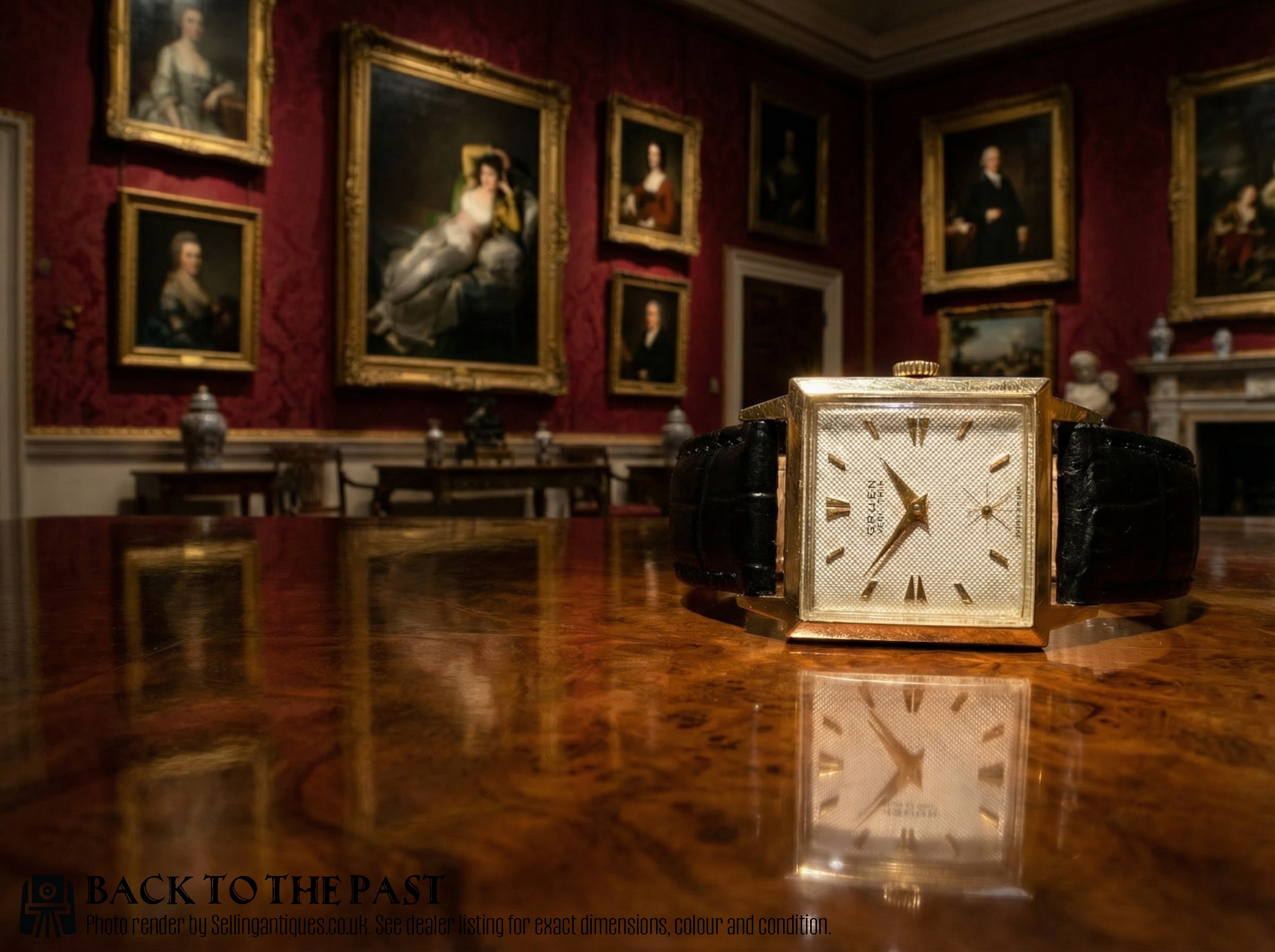
Gents 1950s Gruen Veri-thin Wrist Watch, 1950
Priced at £175 from The Vintage Wrist Watch Company
Soldiers first drove the transition from pocket to wrist. Strapping a timepiece to the forearm proved much safer in a trench than fumbling through uniform layers.
Women wore them long before men. Nineteenth-century bracelet watches existed as jewellery, while gentlemen strictly preferred chains.
Look at the early twentieth century for the shift in public perception. Pilots finding them useful helped shed the feminine association.
Standardised military issues pushed production volumes up during wartime. Factories had to supply robust antique wristwatches for field operations.
Wilsdorf and Davis registered the Rolex name in London in nineteen-o-eight. Their early antique wristwatches often carry Aegler movements imported from Switzerland.
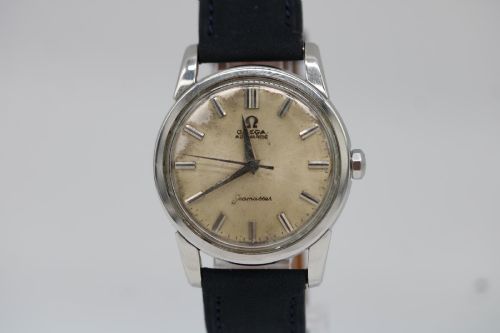
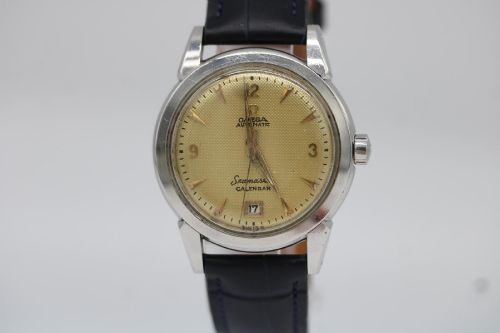
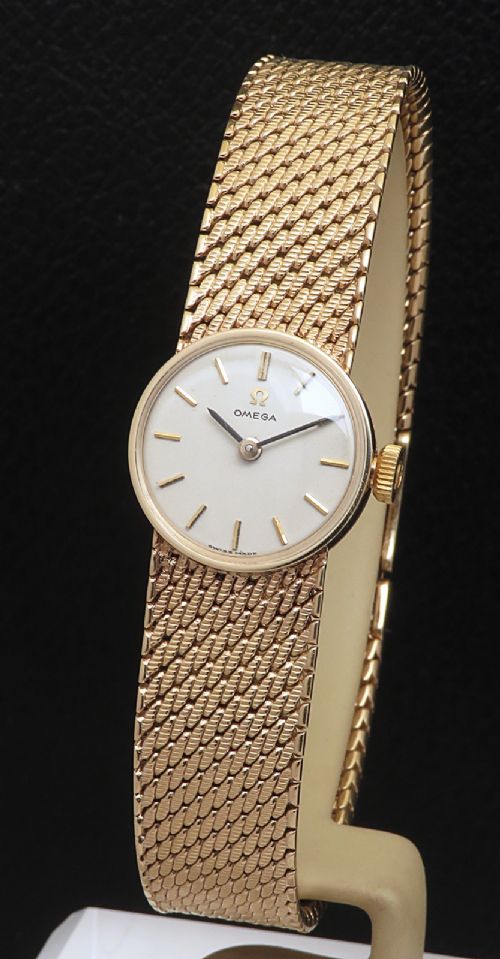
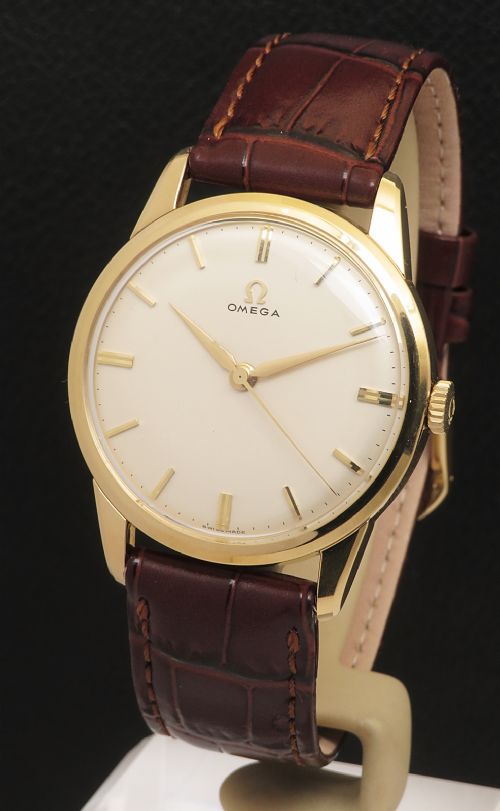
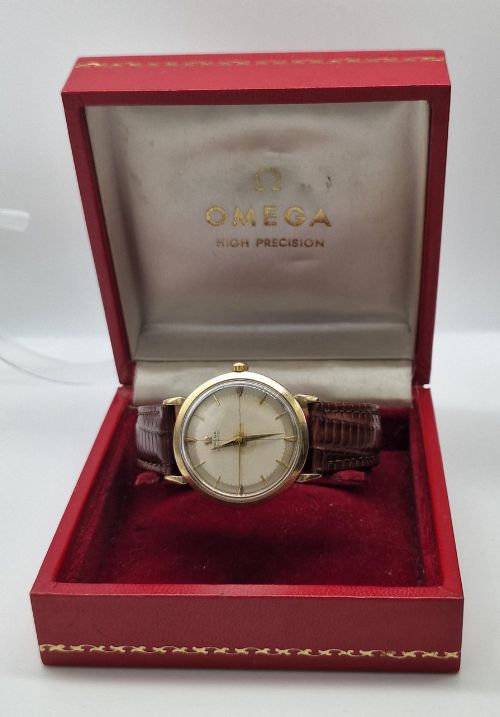
Omega produced substantial numbers of military and civilian models. You will often see their reliable calibres cased in locally hallmarked gold or silver.
Cartier shaped the market before nineteen twenty. They supplied distinctive square and rectangular designs directly to the carriage trade in Paris and London.
The 2026 retail price guide for Antique Wristwatches is drawn from a proprietary archive of over 1.1 million retail prices indexed by Sellingantiques since 2003. This guide relies exclusively on their own internal data; no external sources or auction records are used.
Analysing nearly 25 years of UK antique market history alongside current retail values, the data indicates that typical UK retail prices for Antique Wristwatches range between £400 and £1,800. Entry-level prices generally fall under £400 and premium examples upwards of £1,800.
Fixed wire lugs tell you a lot. These early attachments required a one-piece pull-through strap rather than two separate halves with spring bars.
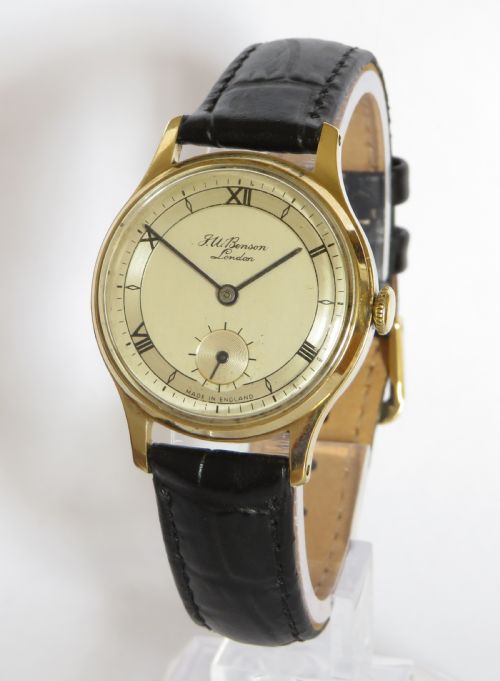
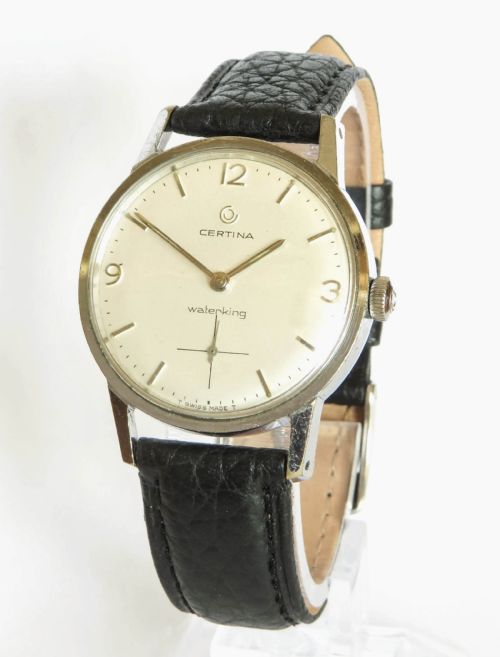
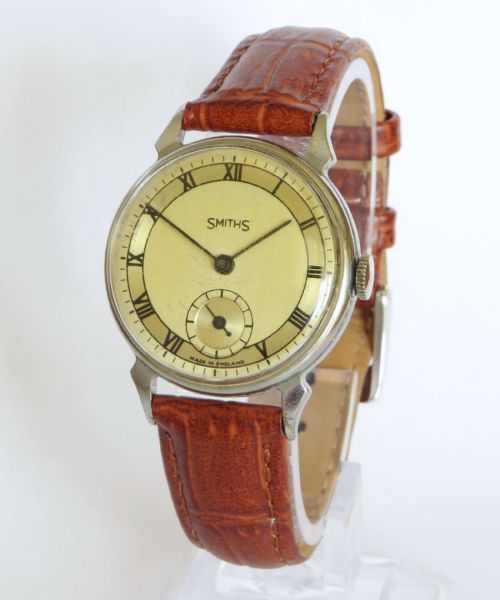
Sub-seconds dials sit at the bottom. A small separate hand ticking at the six o'clock mark remained standard for decades.
Radium paint glows green. Makers painted numerals thickly with it for night legibility.
Hand finishing defined the earliest movements. Craftsmen bevelled the bridges and polished the screw heads using simple lathes and abrasive files.
Stamped cases replaced cast metal. Machine presses allowed faster output of complex shapes while maintaining thin profiles.
Adding jewels reduced friction. Tiny synthetic rubies pressed into the metal plates act as smooth bearings for the gear pivots.
"Dust covers provide an extra layer of protection. Many hinged case models hide an inner dome of metal over the movement."
"Snail-cam regulators allowed incredibly precise timing adjustments. Craftsmen fitted these star-shaped discs to balance cocks on the better movements."
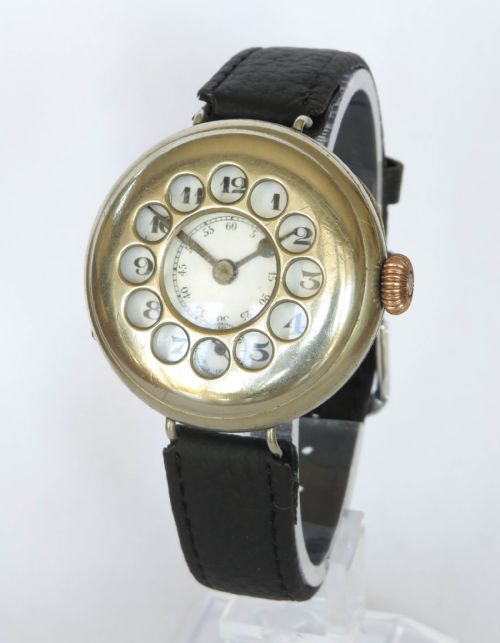
"Trench watch covers exist in many designs. Silver grilles snapped over the glass to block shrapnel while leaving the numbers visible."
Based on almost 25 years of Sellingantiques UK antique market data, Antique Wristwatches appeared 1605 times (out of 1,100,000 antiques) which gives it a rarity score of 73/100.
This score measures scarcity within the Sellingantiques archive only and is not a survey of the entire antiques market, so these statistics may not be indicative of the general availability of Antique Wristwatches elsewhere.
Wind it once a day at the same time. This keeps the tension in the mainspring even, which helps the timekeeping stay consistent. Do it in the morning before putting it on your wrist.
Stop turning the crown when you feel firm resistance. Forcing it past that point will snap the spring.
Leave the hands alone. Forcing the crown will strip the gears or break the setting lever. Old oils congeal into a glue-like substance over decades, and forcing movement just shears the metal teeth off the wheels.
A watchmaker needs to strip the mechanism down. They wash the hardened grease away in an ultrasonic tank before applying fresh synthetic oils.
Keep antique wristwatches far away from water.
The original gaskets perished decades ago. A splash from a tap will rust the steel pinions inside.
Acrylic crystals polish up easily. A watchmaker uses a mild abrasive paste to buff out shallow scuffs on plastics. Deep gouges usually require a full replacement crystal, which is a routine job.
Mineral glass is another matter. Scratches in early glass crystals rarely polish out without distorting the view. Those usually need replacing with a custom-cut piece.
Please note: This Antique Wristwatches guide and its associated pricing data are provided for general informational purposes only. It does not constitute formal financial, investment, or appraisal advice and should not be relied upon as the sole basis for any commercial activity, purchasing, or sales decisions. Sellingantiques.co.uk accepts no liability for any actions taken in reliance on this information. Always consult with a qualified professional or independent appraiser.
