
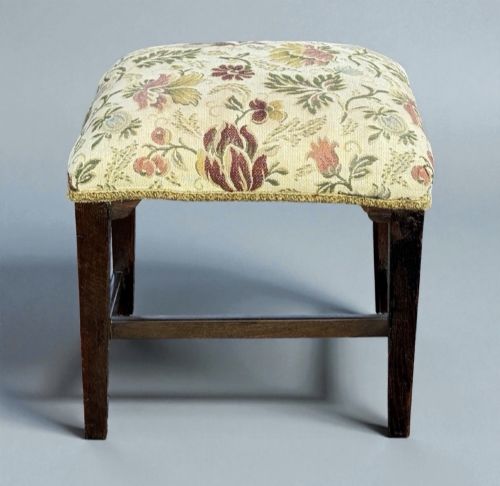
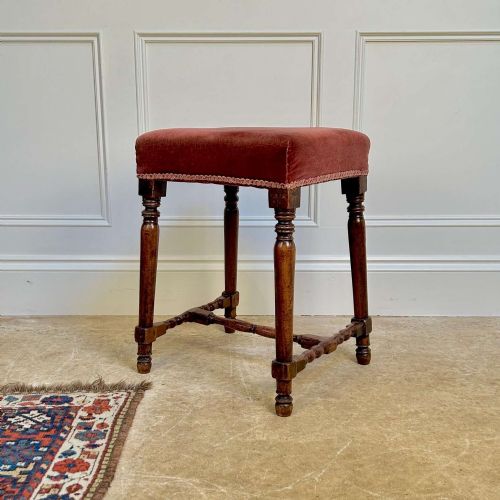
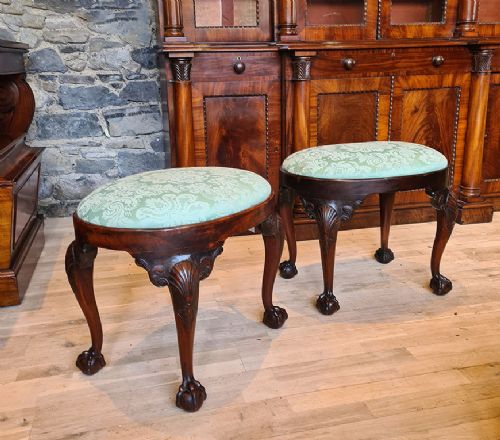


A 2026 Guide by Sellingantiques
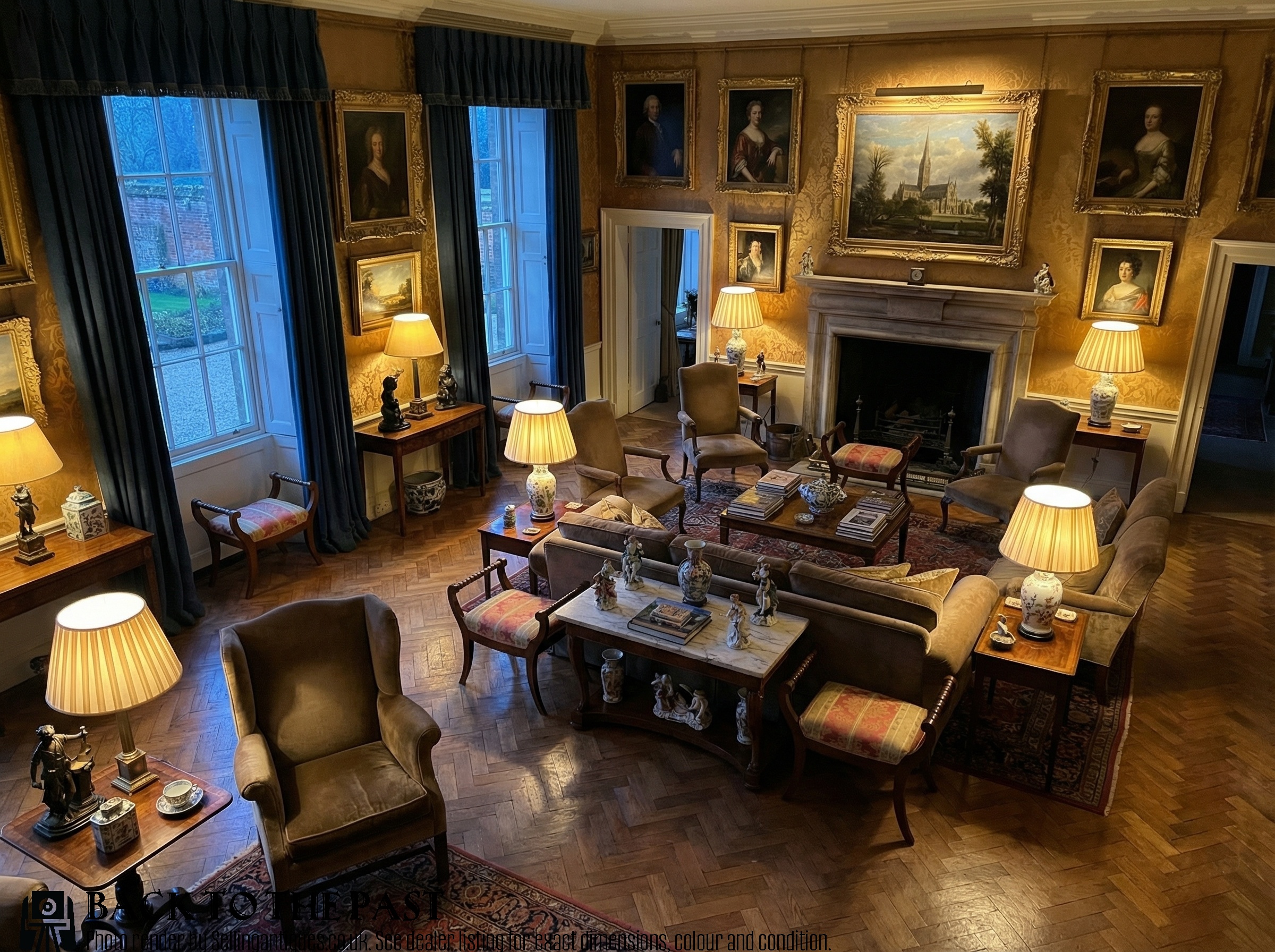
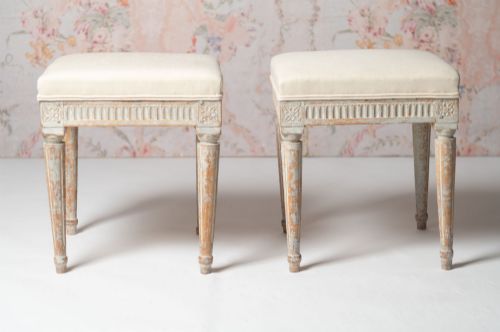
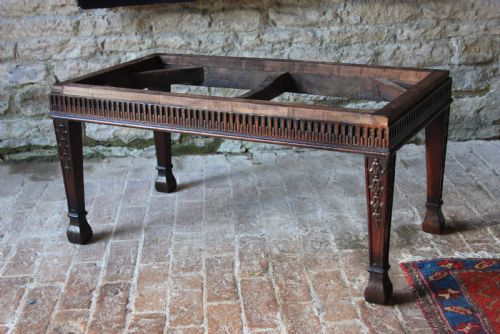
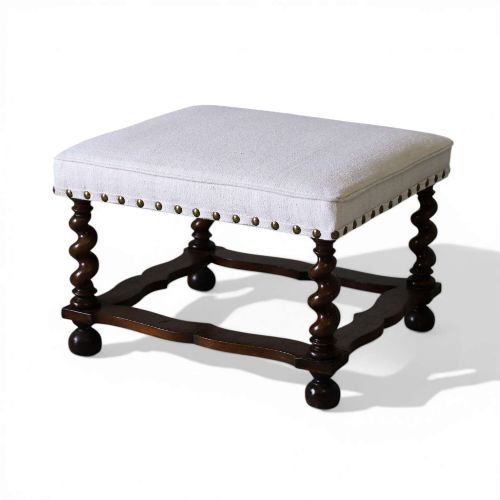
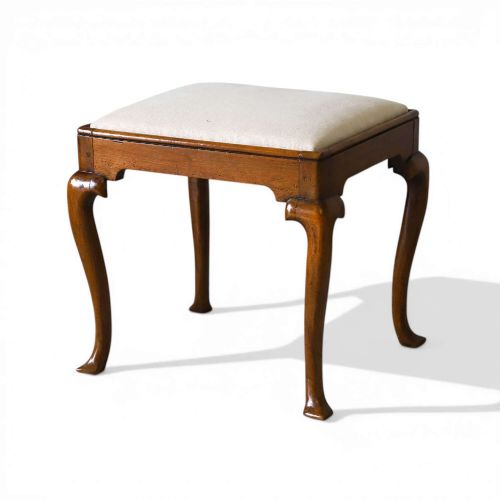
Rare Set of 4 Early C19th Mahogany Framed Dressing Stools or Window Seats ., 19th Century
Priced at £2,200 from M Lees and Sons
Antique dressing stools emerged as dedicated bedroom furniture during the eighteenth century.
Before this time, women simply pulled up any standard side chair to their table.
The introduction of kneehole vanity units demanded a lower seat without a back.
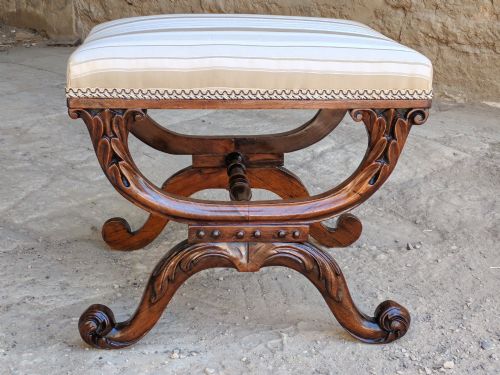
Look for the shift toward x-frame designs during the Regency period.
Edwardian examples often feature lighter proportions to match the delicate bedroom suites of the era.
Thomas Chippendale supplied matching dressing stools alongside his elaborate vanity tables.
Gillows of Lancaster produced fine mahogany examples through the late eighteenth century.
Regional provincial makers copied these London patterns using local ash or elm.
Victorian Rosewood Stool., 1860
Priced at £495 from Philip Hunt Antiques
The 2026 retail price guide for Antique Dressing Stools is drawn from a proprietary archive of over 1.1 million retail prices indexed by Sellingantiques since 2003. This guide relies exclusively on their own internal data; no external sources or auction records are used.
Analysing nearly 25 years of UK antique market history alongside current retail values, the data indicates that typical UK retail prices for Antique Dressing Stools range between £300 and £1,300. Entry-level prices generally fall under £300 and premium examples upwards of £1,300.
Drop-in seat pads are common, making it easy to change the upholstery.
Stretchers connect the legs on earlier Georgian models for stability.
Proportions stay relatively consistent, kept small enough to clear a drawer apron.
Traditional mortise and tenon joints secure the shaped legs to the rails.
Corner blocks get glued and screwed inside the frame for added rigidity.
Upholsterers built up the seats using stitched horsehair over tightly stretched canvas.
"Many early models were sold as part of a larger suite and share matching carved motifs with the bed frame."
"Some Victorian designs incorporate hidden storage compartments directly beneath the seat pad."
"The lack of a back rest encourages better posture while applying cosmetics."
Based on almost 25 years of Sellingantiques UK antique market data, Antique Dressing Stools appeared 1116 times (out of 1,100,000 antiques) which gives it a rarity score of 80/100.
This score measures scarcity within the Sellingantiques archive only and is not a survey of the entire antiques market, so these statistics may not be indicative of the general availability of Antique Dressing Stools elsewhere.
Most antique dressing stools have a drop-in seat. You push it up from underneath and the whole pad pops out of the frame.
Taking this to an upholsterer is a simple job. You avoid the cost of transporting the wooden frame and there is no risk of damaging the polished timber during the work.
Dressing stools sit lower by design. They need to slide right under a kneehole table, which typically has a central drawer that hangs down and reduces the clearance.
Dining chairs are built for eating at a standard table height. If a stool matches a dining chair, it will trap your legs against the vanity apron. Check the bottom of the feet. If the turning finishes naturally, the legs are original.
Dust the frame with a dry cloth.
If the surface is dull, apply a thin coat of clear beeswax polish. Avoid aerosol sprays because they leave a cloudy silicone residue.
Sagging webbing means the tension has gone. The old tacks eventually rust or pull out of the wooden rails under the weight of daily use.
An upholsterer will strip the bottom layer and tension fresh jute webs across the frame. They do not usually need to touch the top cover or the horsehair stuffing if those are still in good condition.
Please note: This Antique Dressing Stools guide and its associated pricing data are provided for general informational purposes only. It does not constitute formal financial, investment, or appraisal advice and should not be relied upon as the sole basis for any commercial activity, purchasing, or sales decisions. Sellingantiques.co.uk accepts no liability for any actions taken in reliance on this information. Always consult with a qualified professional or independent appraiser.
