





A 2026 Guide by Sellingantiques
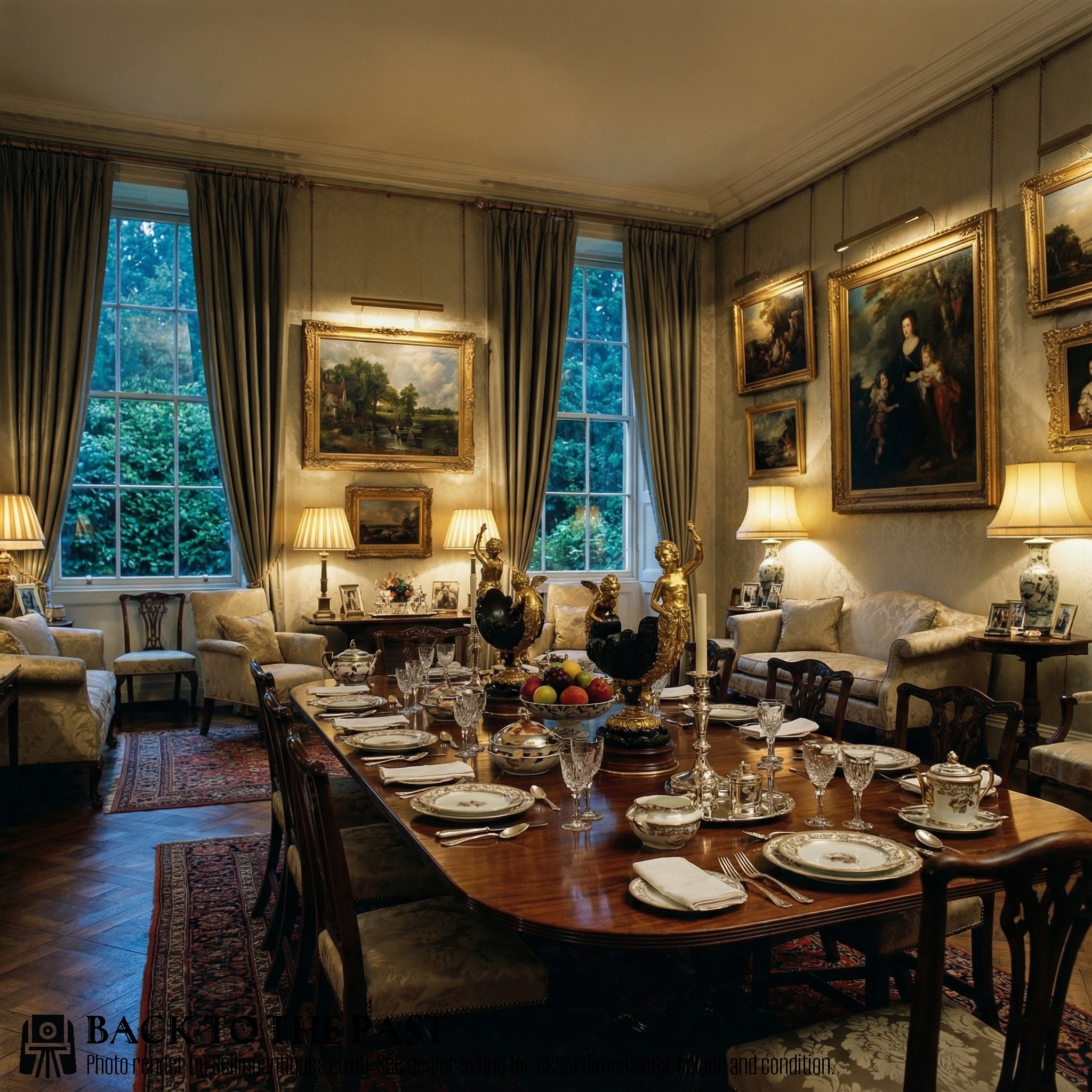
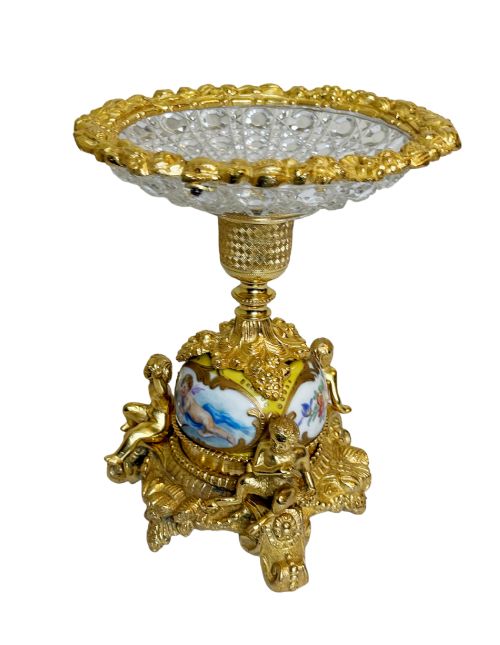
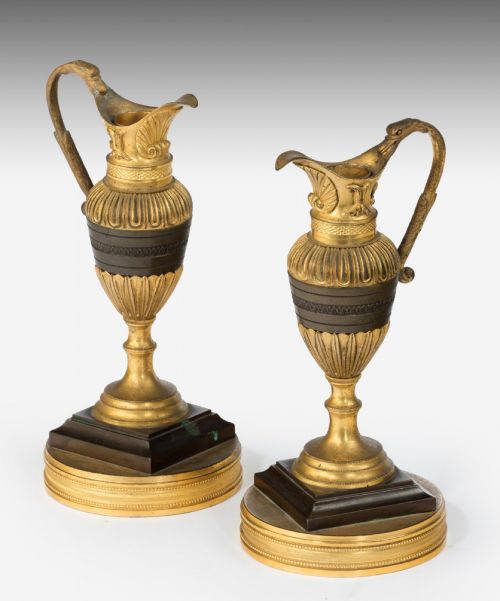
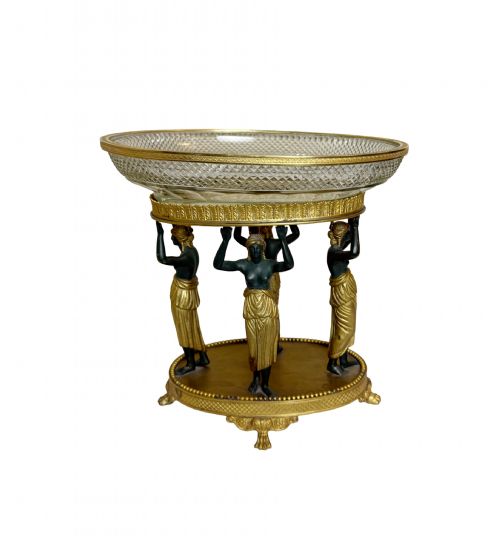
Pair of French Ormolu & Bronze Centrepieces, 1880
Priced at £3,650 from Tim Saltwell Antiques
French craftsmen dominated the trade during the eighteenth century. Paris guilds strictly controlled who could cast the bronze and who applied the gold.
Production of antique ormolu peaked under Louis XV and Louis XVI.
Mercury gilding was eventually banned due to the severe health risks to the workers. Electroplating replaced the technique in the mid-nineteenth century.
Look for these mounts on clocks, candelabra, and fine cabinet furniture.
English makers imported vast quantities of French mounts before setting up their own domestic workshops in Birmingham.
André-Charles Boulle produced complex mounts in the late seventeenth and early eighteenth centuries. He held a royal warrant allowing him to both cast and gild in one workshop.
Jacques Caffieri worked during the mid-eighteenth century. His rococo mounts often feature flowing, asymmetrical natural forms.
Pierre Gouthière dominated the neoclassical period under Louis XVI. You see his signature matte finishes on important clock cases and vase mounts.
The 2026 retail price guide for Antique Ormolu is drawn from a proprietary archive of over 1.1 million retail prices indexed by Sellingantiques since 2003. This guide relies exclusively on their own internal data; no external sources or auction records are used.
Analysing nearly 25 years of UK antique market history alongside current retail values, the data indicates that typical UK retail prices for Antique Ormolu range between £900 and £6,000. Entry-level prices generally fall under £900 and premium examples upwards of £6,000.
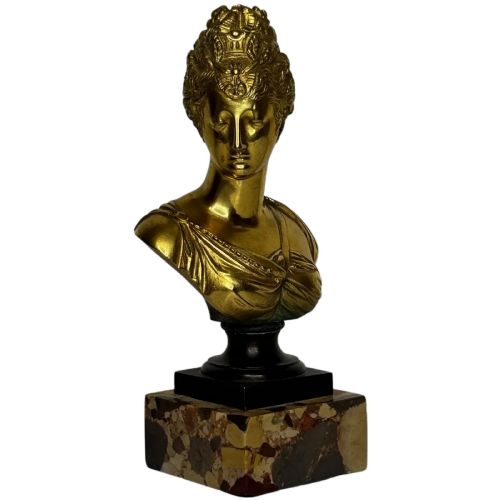
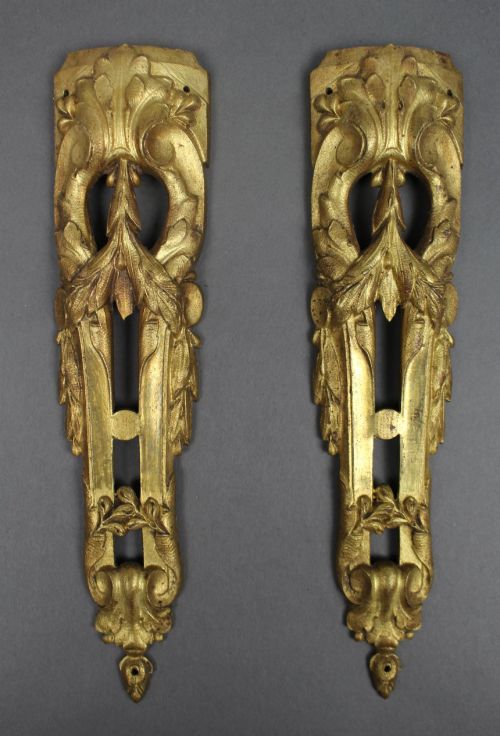
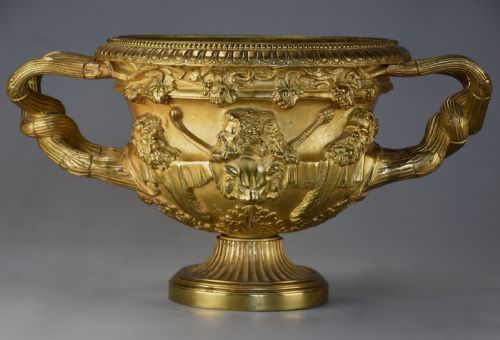
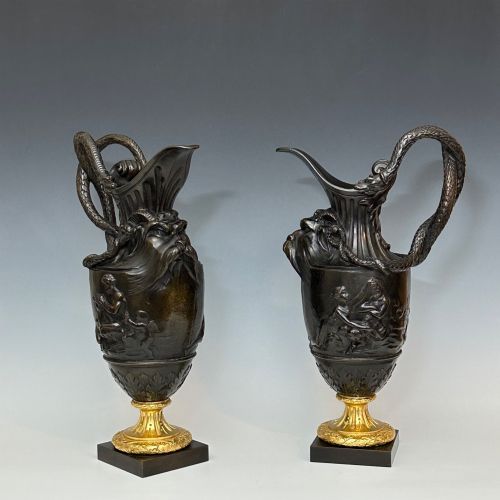
Notice the sharp chasing on the metal surface. Tools cut into the cold bronze to create textures like fur, leaves, or architectural mouldings.
Antique ormolu has a distinct warm tone that sets it apart from simple polished brass.
Matte areas frequently contrast with highly burnished sections. A play of light for a dark room.
Foundries poured molten bronze into sand moulds. The rough cast that came out required hours of filing to remove the seams.
Master chasers used steel punches to hammer texture into the cold metal. This process is called ciselure.
Agate stones polished the high points after gilding. Burnishing compresses the gold layer and makes it highly reflective.
"Ormolu translates literally as ground gold. It refers to the powdered gold used in the original mercury amalgam."
"Some pieces were washed in a weak acid bath after gilding. This altered the tone and created a soft, lemon-coloured finish."
"Small loose mounts were sometimes sold in sets by catalogues. Provincial cabinetmakers bought these to dress up their own local furniture."
Based on almost 25 years of Sellingantiques UK antique market data, Antique Ormolu appeared 10380 times (out of 1,100,000 antiques) which gives it a rarity score of 13/100.
This score measures scarcity within the Sellingantiques archive only and is not a survey of the entire antiques market, so these statistics may not be indicative of the general availability of Antique Ormolu elsewhere.
Dust it with a soft dry brush. Never use liquid metal polishes or abrasive cloths. The chemicals will strip the thin gold layer right down to the base bronze.
If the dirt is heavy, a cotton swab lightly dampened with warm water and a neutral soap can lift surface grime. Dry it immediately with a soft towel.
That contrast is intentional. Eighteenth and nineteenth-century makers used a technique where some areas were left matte and others were highly burnished with an agate stone.
This play of light helped give the figures depth and movement. It is a sign of good quality casting and chasing.
Finding an exact match from the period is difficult. Ormolu mounts were often cast for specific pieces of furniture or clock cases, making their dimensions and curves unique.
A good restorer can take a silicon mould of a surviving mount and cast a replacement in brass or bronze. They then electroplate it to match the colour of the original mercury gilding.
They are safe to handle. The danger of mercury gilding was solely to the craftsmen who made them. When they heated the gold amalgam over a fire, the mercury vaporised and was inhaled by the workers in the foundry.
By the time the piece was finished, the mercury had evaporated. Only the gold remained fused to the bronze surface. You are just touching gold and bronze.
Please note: This Antique Ormolu guide and its associated pricing data are provided for general informational purposes only. It does not constitute formal financial, investment, or appraisal advice and should not be relied upon as the sole basis for any commercial activity, purchasing, or sales decisions. Sellingantiques.co.uk accepts no liability for any actions taken in reliance on this information. Always consult with a qualified professional or independent appraiser.
