



A 2026 Guide by Sellingantiques
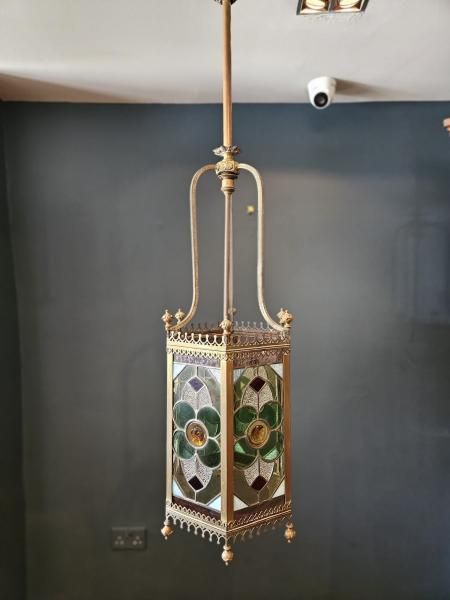
Gas lighting drove the first major demand for glass shades during the nineteenth century. The flame needed protecting from draughts.
Early electric bulbs were painfully bright. Shades became essential for softening the glare in domestic rooms.
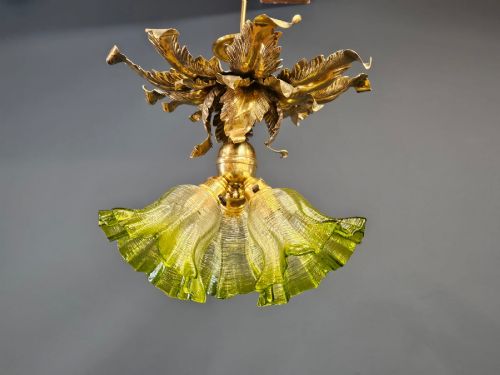
Look at the shift in shapes around the Edwardian period. Downward-facing tulip forms took over from upright gas globes.
Workshops adapted fast when electricity spread. Many early twentieth-century antique light shades fit standard bayonet or screw fittings we still use.
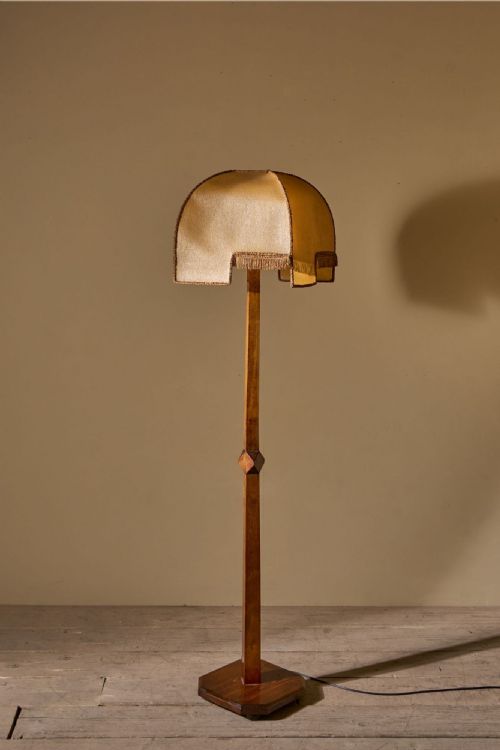
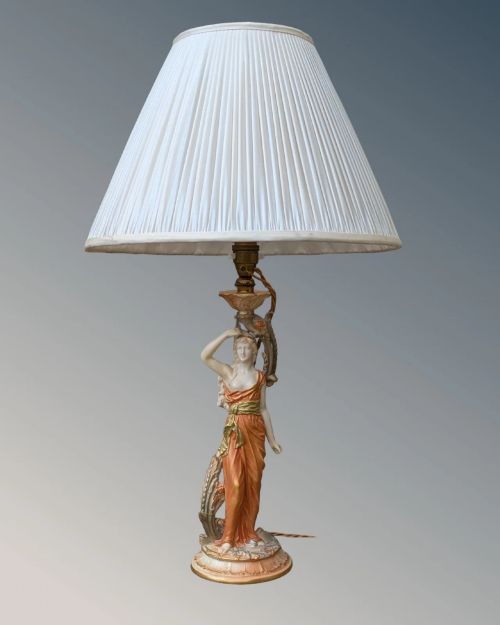
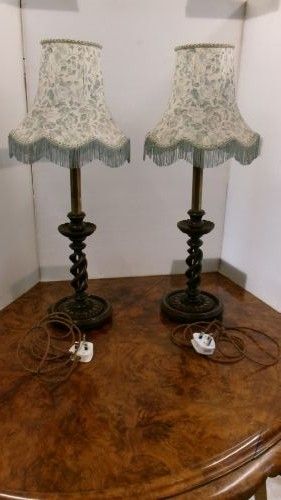
Fringe drops on silk shades grew longer as the 1920s progressed.
James Powell & Sons produced distinctive blown glass shades at the Whitefriars factory in London. They supplied many Arts and Crafts architects.
W.A.S. Benson designed pierced copper and brass shades during the late nineteenth century. Most feature his characteristic mechanical joints.
Steuben Glass Works in America made heavy iridescent shades. Their aurene glass remains easy to spot.
The 2026 retail price guide for Antique Light Shades is drawn from a proprietary archive of over 1.1 million retail prices indexed by Sellingantiques since 2003. This guide relies exclusively on their own internal data; no external sources or auction records are used.
Analysing nearly 25 years of UK antique market history alongside current retail values, the data indicates that typical UK retail prices for Antique Light Shades range between £300 and £1,600. Entry-level prices generally fall under £300 and premium examples upwards of £1,600.
Fluted edges are common on Victorian glass shades. They help cast a patterned shadow across a ceiling.
The fitter rim or neck sits inside the gallery. It is usually left unpolished with rough edges from the glassblower's pontil.
Acid-etched patterns let light through while hiding the harsh filament of a bulb.
Glassblowers used a method called casing to layer coloured glass over a white interior. This reflects light downwards while showing colour outside.
Look at the heavy moulded glass shades from the 1930s. Factories pressed molten glass into metal moulds for uniform thickness.
Wire frames for silk shades were silver-soldered by hand. Makers bound the wire in cotton tape before stitching the silk panels on.
"Many opalescent glass shades change colour depending on whether the bulb is turned on or off. The shift from milky blue to warm orange is a clever optical trick."
"The weight of a quality pressed glass shade acts as a natural stabiliser. It stops suspended pendant lights from swinging in a breeze."
"Original fringing on fabric shades was meant to cast a soft moving shadow on the walls. It gives a room a gentle kinetic feel."
Based on almost 25 years of Sellingantiques UK antique market data, Antique Light Shades appeared 2708 times (out of 1,100,000 antiques) which gives it a rarity score of 58/100.
This score measures scarcity within the Sellingantiques archive only and is not a survey of the entire antiques market, so these statistics may not be indicative of the general availability of Antique Light Shades elsewhere.
Yes, modern LED bulbs are better for antique light shades than old incandescent ones. They run at a much lower temperature.
Old tungsten bulbs got hot enough to crack delicate cased glass or scorch silk. An LED solves the heat problem and protects the fragile fittings.
Keep it simple. Wash them in a sink of warm water with a mild dish soap.
Never put them in a dishwasher. The heat cycles and harsh detergents will strip the surface finish and ruin any painted details. Dry them with a soft cotton cloth.
You need to measure the internal diameter of the metal gallery. That tells you the fitter size required for the shade.
Loosen the three screws on your fitting and measure straight across the opening. Standard sizes are often two and a quarter, three, or four inches across. The neck of the glass shade must be slightly smaller than this measurement to slide in easily.
A soft brush is the safest tool for old silk. Work gently downwards from the top ring towards the fringe.
Vacuum cleaners have too much suction for fragile antique textiles and will pull the weave apart. If the dust is stubborn, a hairdryer set to a cool low speed can blow the loose particles out of the fabric.
Please note: This Antique Light Shades guide and its associated pricing data are provided for general informational purposes only. It does not constitute formal financial, investment, or appraisal advice and should not be relied upon as the sole basis for any commercial activity, purchasing, or sales decisions. Sellingantiques.co.uk accepts no liability for any actions taken in reliance on this information. Always consult with a qualified professional or independent appraiser.
