
A 2026 Guide by Sellingantiques
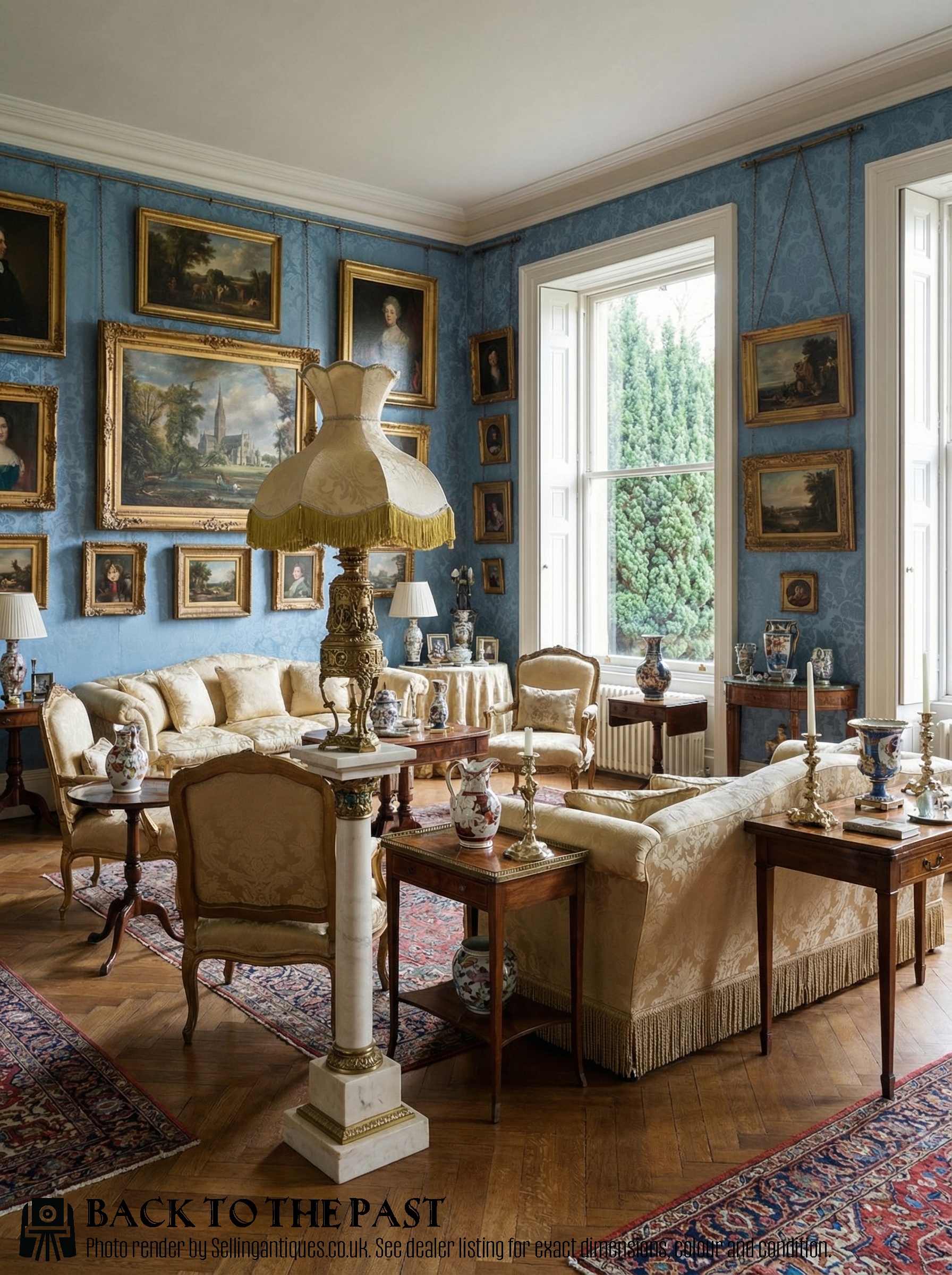
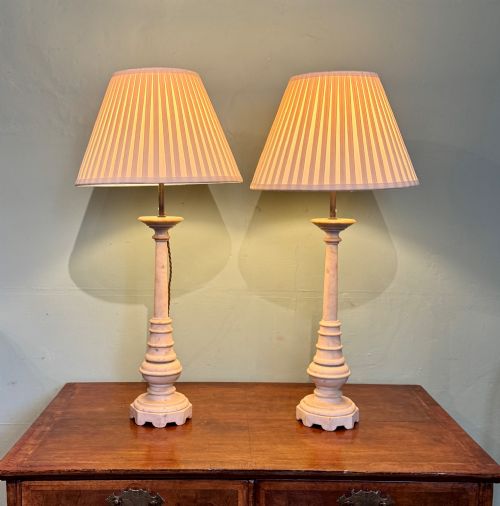
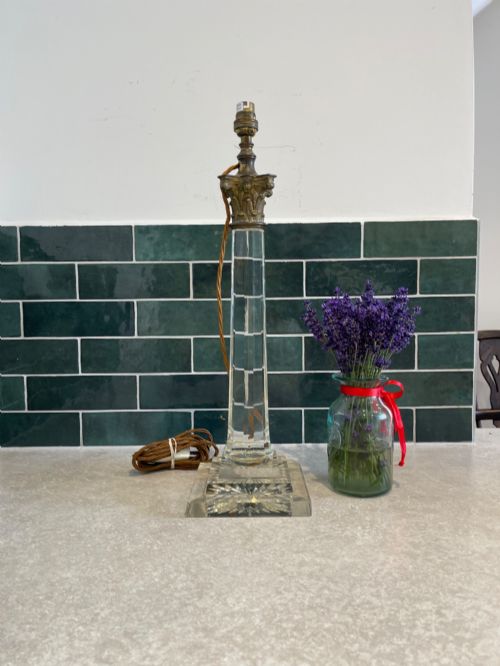
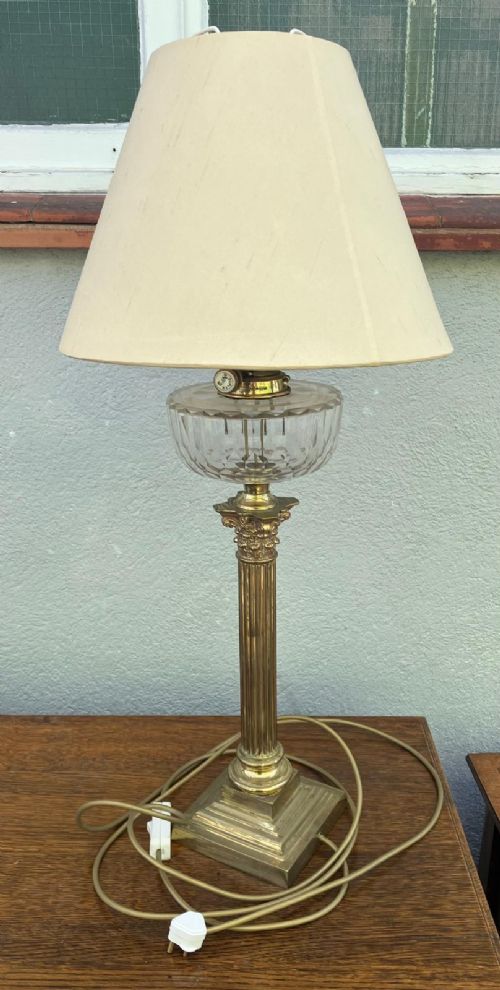
Stunning Marble Column with Brass Lamp, Victorian
Priced at £995 from Fernyhough Antiques Ltd
Whale oil fuelled domestic antique lamps during the early nineteenth century before cheaper alternatives emerged.
Colza oil came next, requiring a heavy gravity-fed reservoir above the burner to keep the thick liquid flowing.
Kerosene transformed the lighting market by the 1860s, burning brighter and travelling up cotton wicks without needing a top-heavy base.
Electricity began replacing combustible fuels in wealthy households just before the turn of the twentieth century.
Look for early electric conversions where a gas pipe or oil tank was drilled to take new wiring.
Tiffany Studios produced leaded glass electric shades in New York from the late 1890s through the 1920s.
W.A.S. Benson pioneered domestic electrical fittings in Britain during the Arts and Crafts movement using copper and brass.
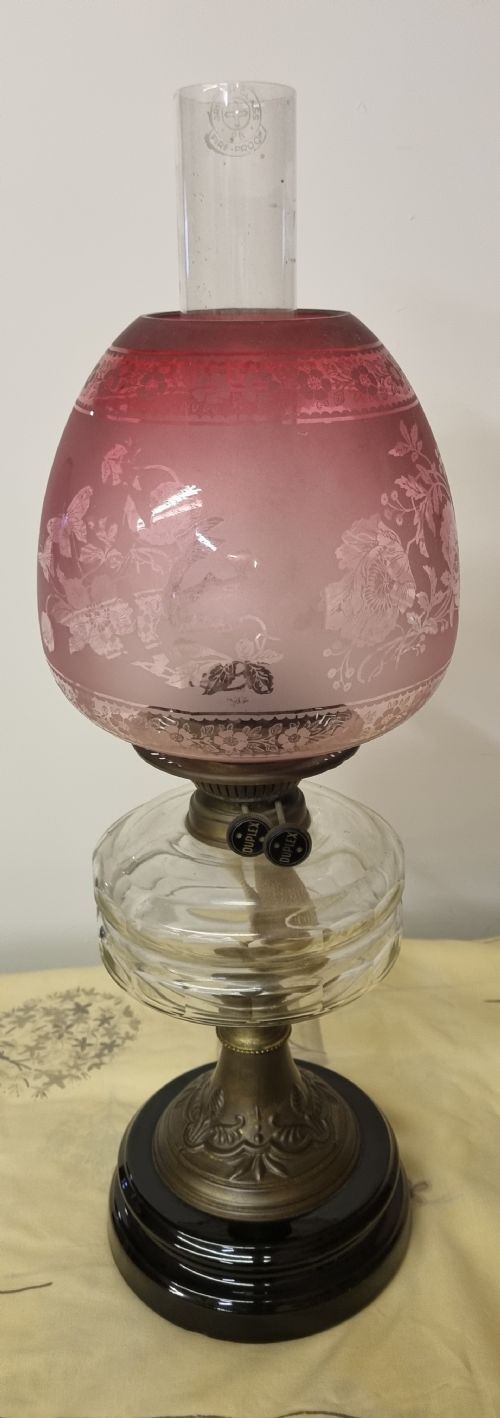
Hinks and Son patented the duplex burner in 1865. The design used twin wicks to generate a wider, brighter flame.
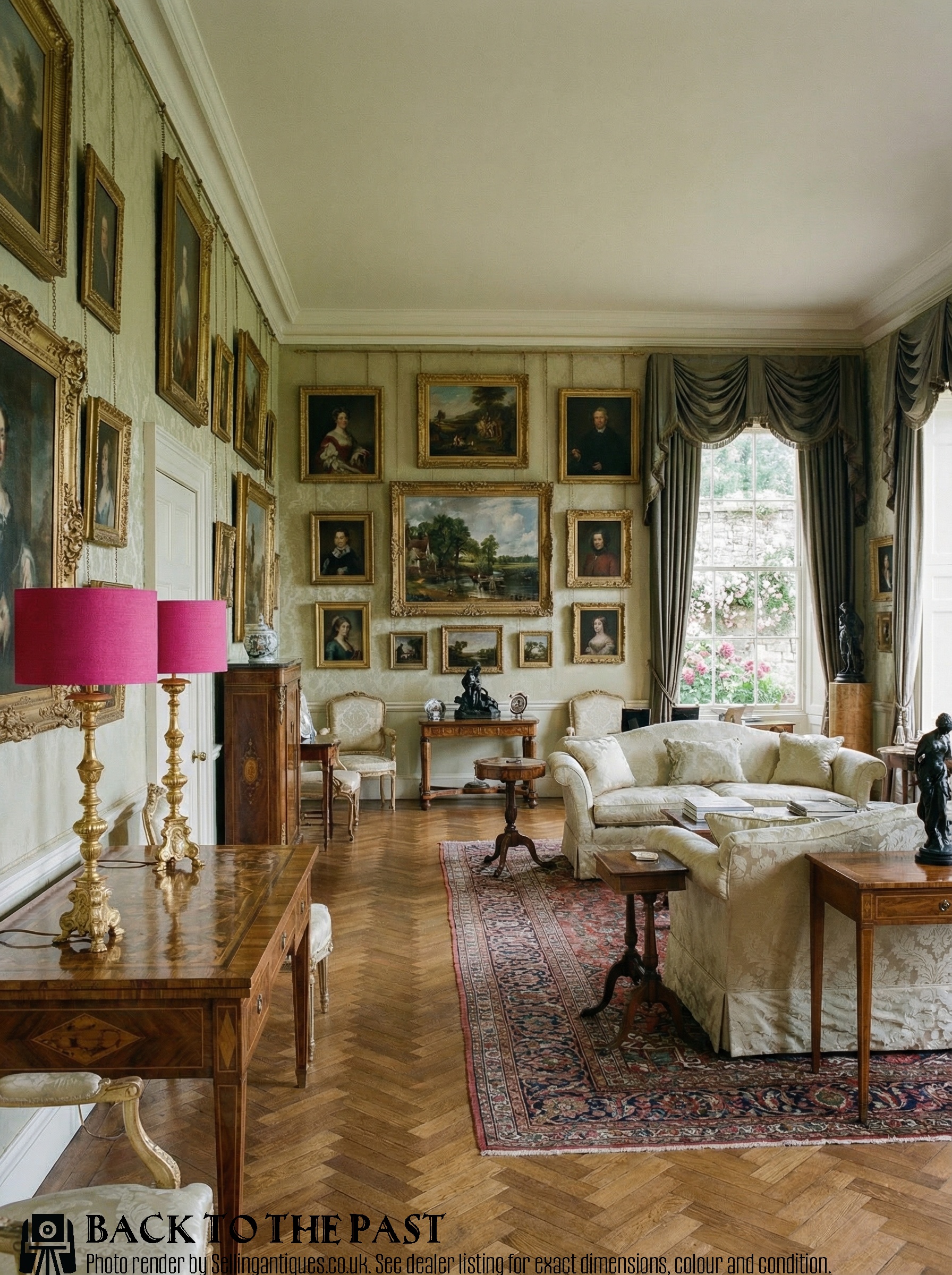
Early 20th Century Pair of Baroque Style Brass Candlesticks, 1930
Priced at £295 from Rupert Landen Antiques
The 2026 retail price guide for Antique Lamps is drawn from a proprietary archive of over 1.1 million retail prices indexed by Sellingantiques since 2003. This guide relies exclusively on their own internal data; no external sources or auction records are used.
Analysing nearly 25 years of UK antique market history alongside current retail values, the data indicates that typical UK retail prices for Antique Lamps range between £300 and £1,600. Entry-level prices generally fall under £300 and premium examples upwards of £1,600.
Thumb wheels on the side of the burner adjust the wick height to control the flame size.
Glass chimneys sit tight around the burner. They draw air up through the base and stop the flame flickering in draughts.
Cast iron weights sit hidden inside many tall antique lamp bases to stop them tipping over on a desk.
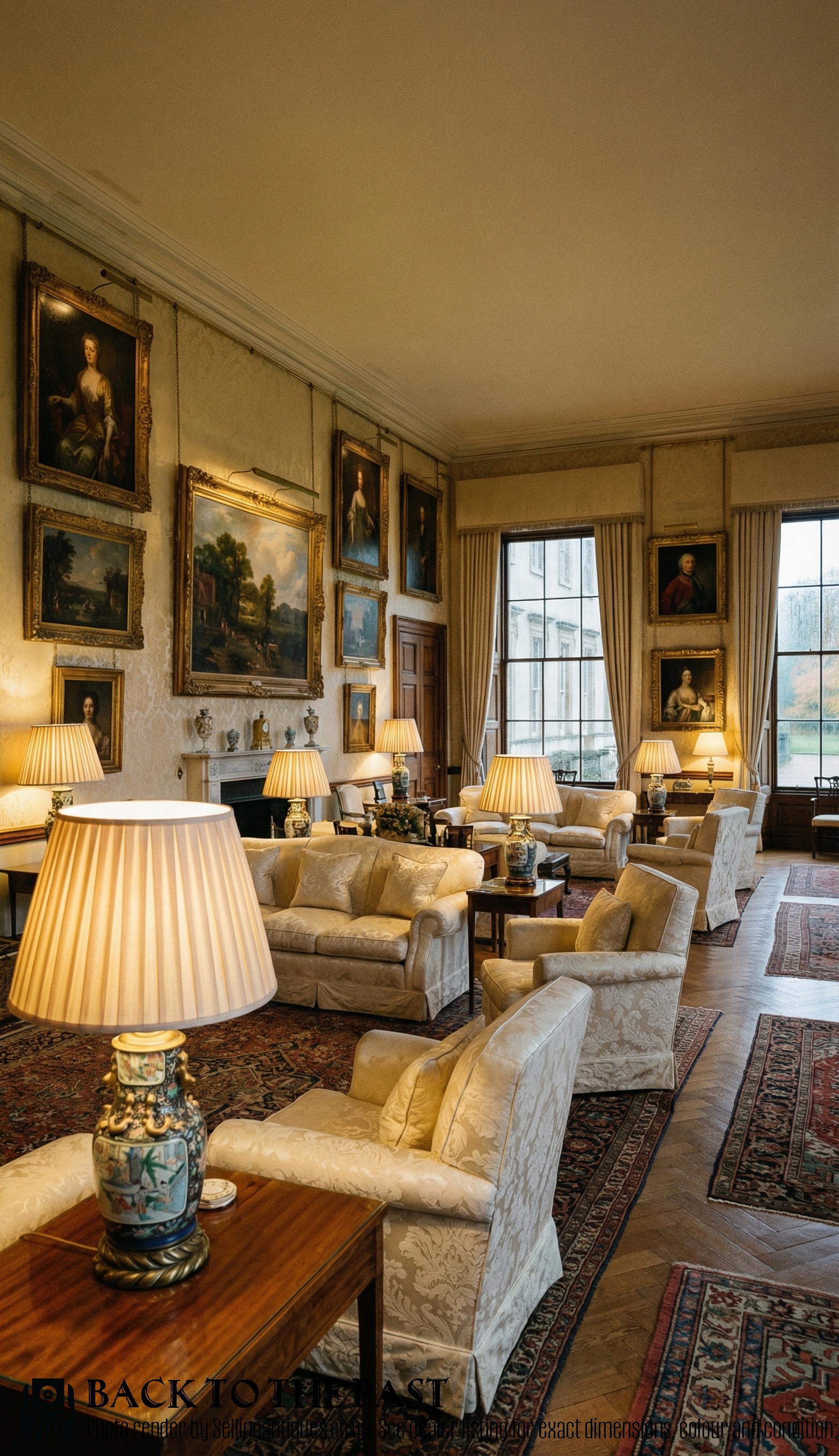
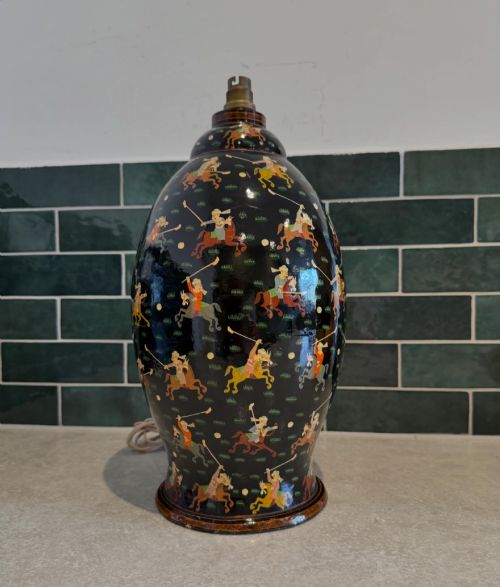
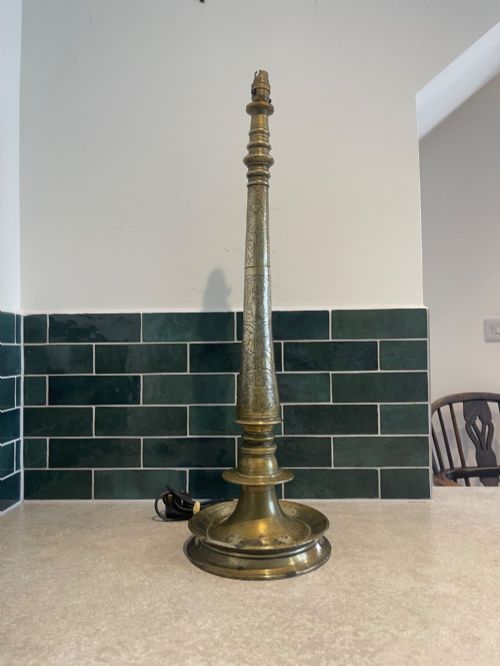
19th Century Chinese Vase Lamp, 19th Century
Priced at £1,145 from Shackladys Antiques
Early brass stems were cast in solid sections and threaded together by hand on a lathe.
Spinners later formed hollow bodies by pressing flat sheets of copper or brass over a wooden chuck as it turned.
Notice how shade makers soldered individual pieces of cut glass into copper foil frameworks rather than relying on heavy lead cames.
"Slag glass shades gained their swirled colours from coal ash mixed into the molten batch during firing."
"Some Victorian oil bases detach from their tall stands. They become shorter table lamps for reading."
"Bankers lamps with green glass shades cast a white light on the desk while keeping the room gently shadowed."
Based on almost 25 years of Sellingantiques UK antique market data, Antique Lamps appeared 24023 times (out of 1,100,000 antiques) which gives it a rarity score of 1/100.
This score measures scarcity within the Sellingantiques archive only and is not a survey of the entire antiques market, so these statistics may not be indicative of the general availability of Antique Lamps elsewhere.
Never plug a vintage light fitting directly into a modern wall socket without having it checked first.
Old wiring often features rubber or fabric insulation that turns brittle and flakes away inside the brass stem. A qualified electrician can rewire the piece using period-appropriate braided flex that meets current safety standards.
The cotton wick has likely dried out and fused to the inside of the burner tube. Decades of old oil can turn into a sticky residue that locks the brass cogs in place.
You can unscrew the burner unit from the font and soak it in warm soapy water to dissolve the hardened oil. Once the old wick is removed, the winding gears usually turn freely again.
Dust the base with a soft dry cloth first. Avoid liquid metal polishes if the surface retains any original lacquer.
Bare brass takes a mild polishing wad. Many collectors prefer to leave the dark patination untouched.
Glassmakers call this technique cased glass. They blow a gather of white glass first and then dip it into molten green glass to fuse the two layers together.
The inner white layer acts as a reflector to push maximum light down onto your reading surface. If the shade was solid green glass, the light on the desk would have a harsh tint that tires the eyes.
Please note: This Antique Lamps guide and its associated pricing data are provided for general informational purposes only. It does not constitute formal financial, investment, or appraisal advice and should not be relied upon as the sole basis for any commercial activity, purchasing, or sales decisions. Sellingantiques.co.uk accepts no liability for any actions taken in reliance on this information. Always consult with a qualified professional or independent appraiser.
