

Antique Fobs
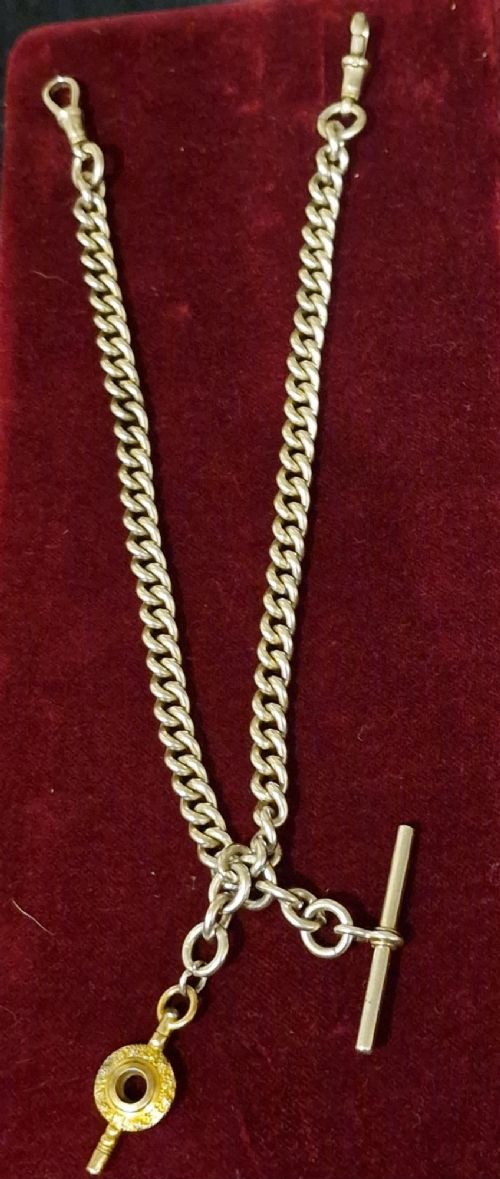
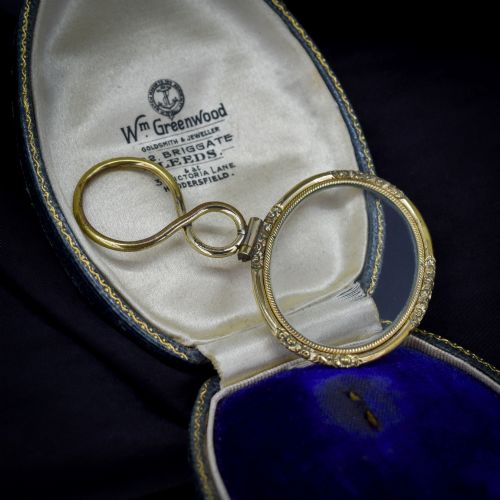
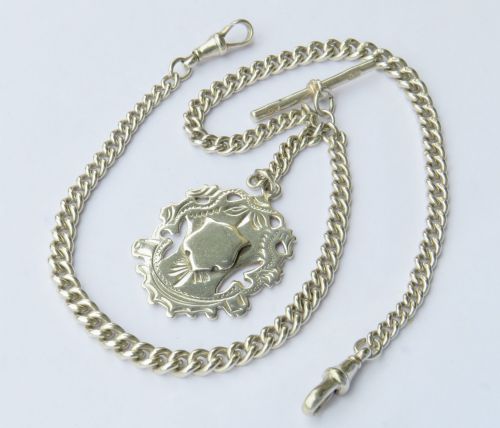
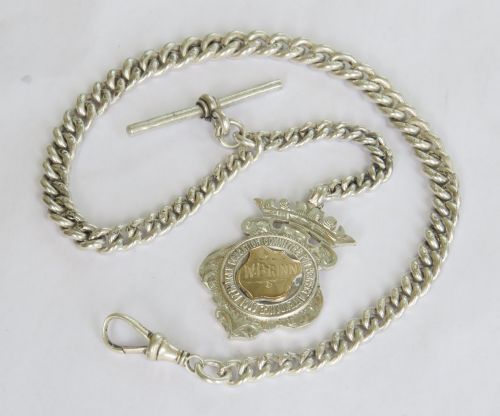
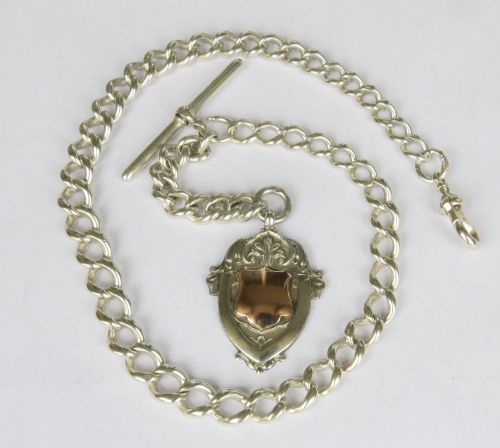
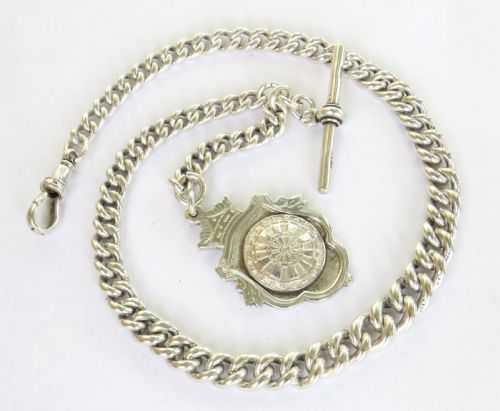
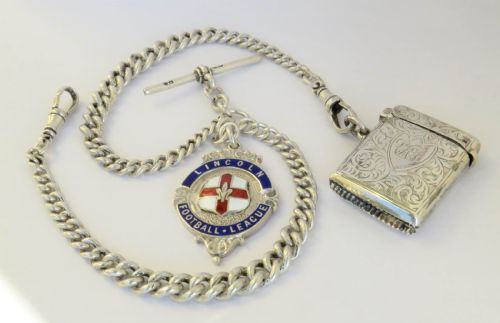
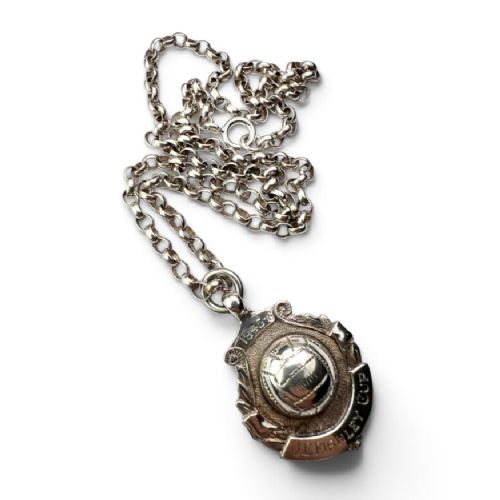
A fob is the small seal, spinner or struck medallion that hung at the free end of a pocket-watch chain, worn where a waistcoat could show it.
Antique Fobs
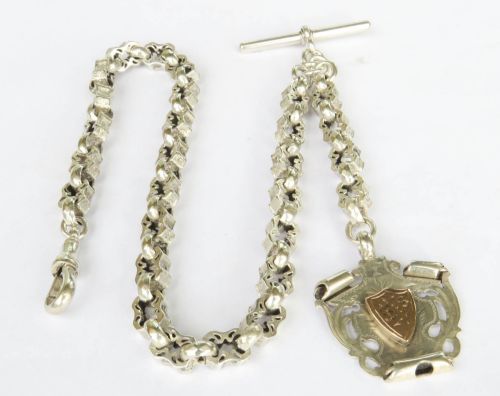
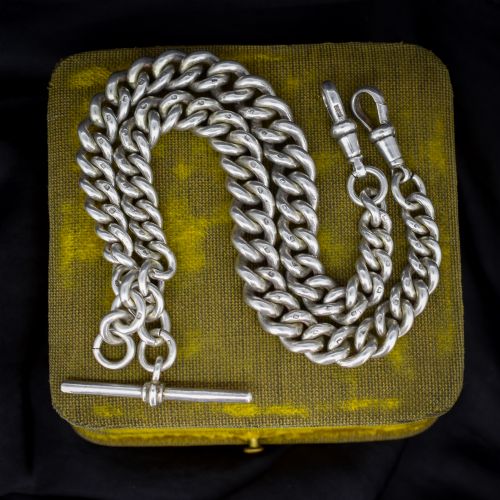
Half the listings on Sellingantiques are watch chains with the fob still attached rather than fobs on their own. Silver appears in 156 titles, watch in 154, chain in 151, and the albert or double albert accounts for a large slice of that. A title reading "antique silver watch chain and fob" recurs dozens of times.
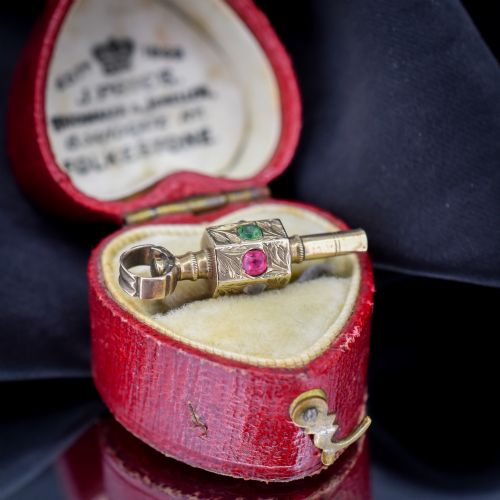
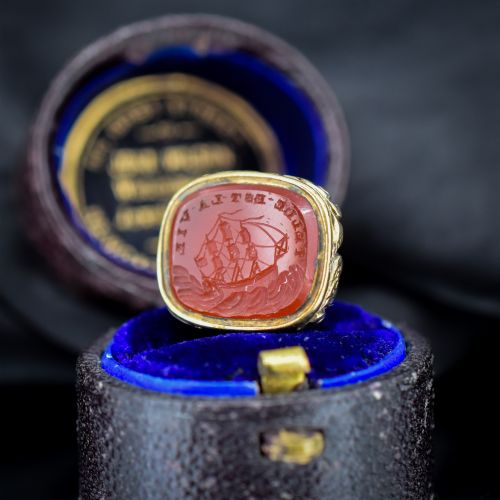
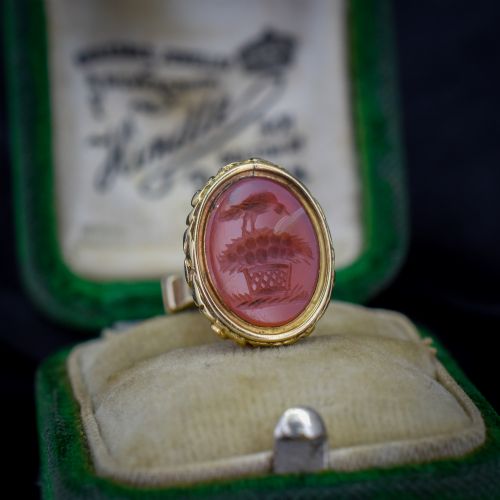
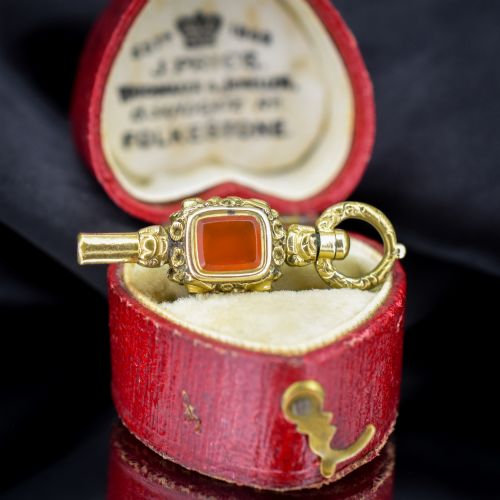
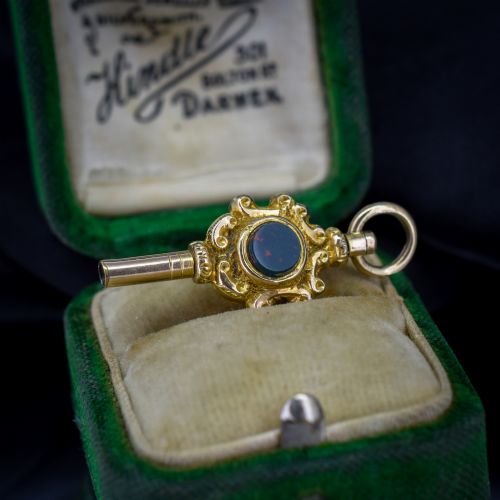
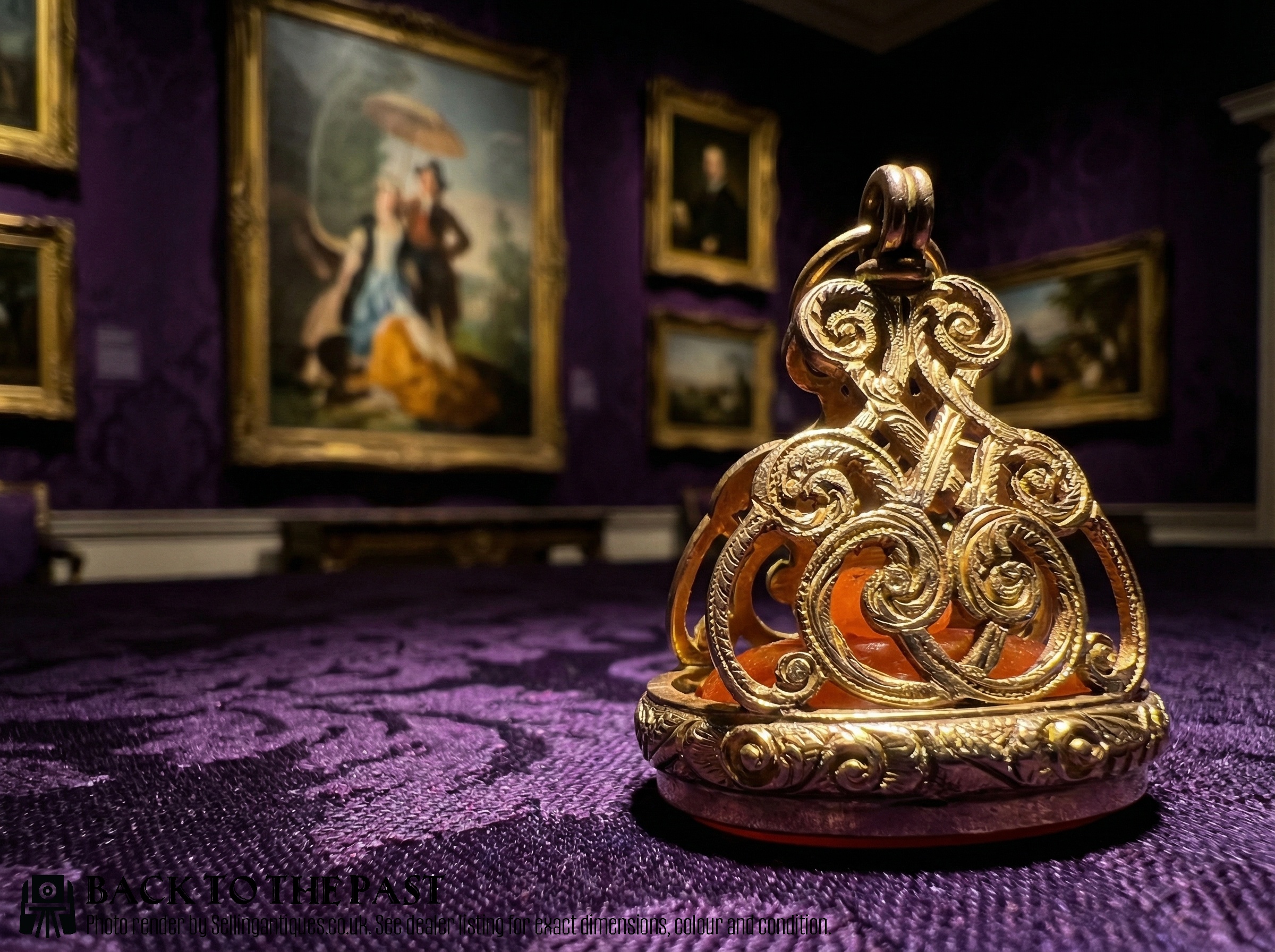
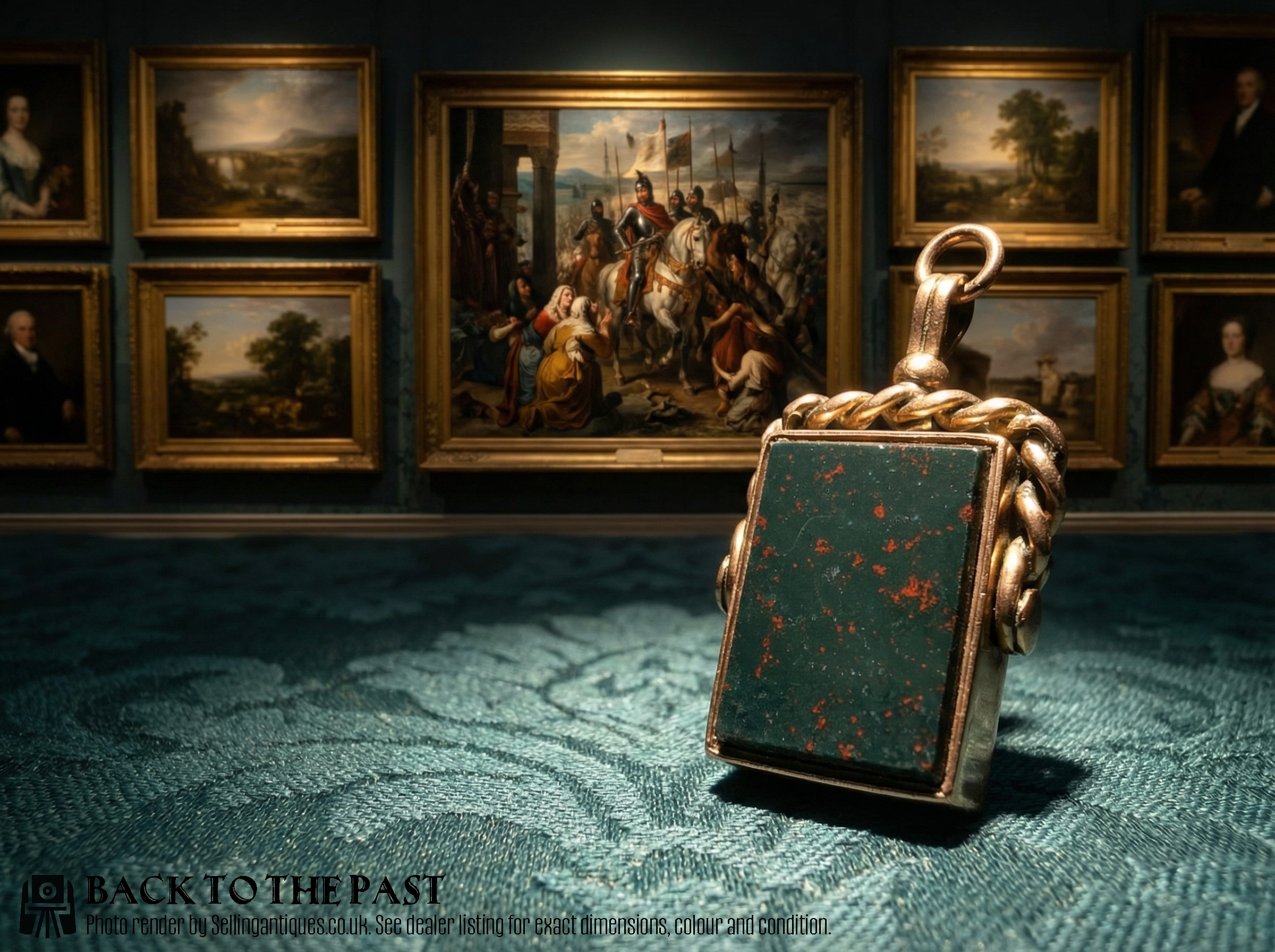
The fobs proper split two ways. Hardstone seals and swivel spinners carry bloodstone, carnelian, citrine or agate, sometimes two or three stones in one turning head. Struck and enamelled medallions cover the other side: sports clubs, regiments, railways, Masonic lodges, town associations. Sport alone runs from football and cricket through darts, chess and tug of war.
Gold trails silver at 133 titles, with 9ct the usual standard and rose gold a recurring note. Rolled gold and gilt metal turn up too. Dates run 1800 to 1960, but the mass sits between 1890 and 1930, and many titles quote a hallmark year, which is the tightest dating the category offers.
A fifth of stock is now offered as pendants, charms or lockets on a modern chain rather than as watch-wear, and that share is rising in what's currently listed. Around 41 fobs and fob chains come to market in a year, spread across 36 different dealers.
Where The Range Splits
Metal sets the floor and the ceiling. Rolled gold and gilt metal sit at the bottom; plain silver fobs sit low too. Move up through 9ct gold alberts to the 15ct and 18ct chains and you're at the top of the sampled range. Weight and length work the same way: titles quoting grams and inches cluster well above the middle, and heavy and large each appear in a dozen titles.
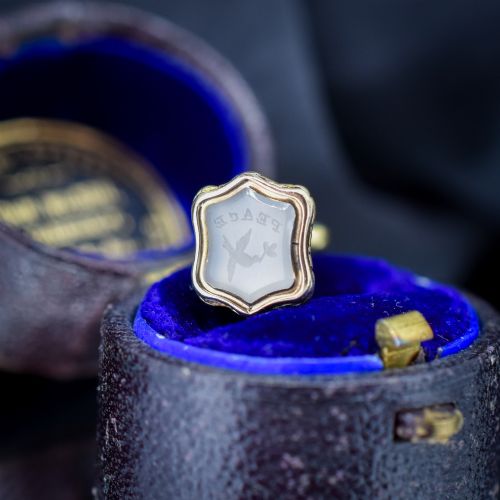
On the fobs themselves, the work in the stone does the lifting. A plain silver drop is one thing; a carved intaglio seal, a portrait or armorial matrix, or a spinner set with two or three stones that turns to show each face is another. Bloodstone leads at 22 titles, carnelian at 19, citrine at 12, and the three are regularly combined in one head.
Specifics beat generalities. A fob naming a railway, a regiment, a fire brigade or a curling club, with a presentation date engraved, carries more than an anonymous medallion. Chain construction follows the same logic: graduated links, trombone link, love knot, belcher and curb are the ones named at the higher end.
Antique Fobs Retail Price Guide 2026
Typical UK retail prices for fobs, calculated from the Sellingantiques database of over a million retail prices indexed since 2003. This retail price guide relies exclusively on Sellingantiques data; no external sources or auction records are used, so the figures do not describe the wider market.
The 1900s is the period listed most often for fobs on Sellingantiques, with the 1910s next and Victorian third.
The Antique Fobs Glossary
- Albert
- A pocket-watch chain worn across the waistcoat with a T-bar at one end. It appears in 52 titles and is the single most-named chain type.
- Double albert
- A chain with two drops, one for the watch and one for a fob or vesta. Thirty-four titles say double.
- T-bar
- The bar at the chain's end that anchors it through a waistcoat buttonhole. The dog clip is the spring clip at the other end, for the watch or fob.
- Spinning fob
- A swivel head set with two or three stones that turns to show each face. Twenty-two titles say spinning, eleven say swivel.
- Fob seal
- A fob with an engraved matrix, usually hardstone, cut for sealing wax. Intaglio means the design is cut into the stone rather than raised.
- Albertina
- A shorter ladies' chain, often finished with a tassel fob. Rolled gold, seen in 14 titles, is a bonded gold layer over base metal.
Antique Fobs: Frequently Asked Questions
Are fobs sold with the chain?
Often, yes. Roughly half the listings are albert or double-albert watch chains with the fob still attached, and the title usually names both.
Standalone fobs, seals and spinners make up the rest, along with a group now presented as pendants or charms on a modern chain.
What stones turn up in spinning fobs?
Bloodstone is the commonest at 22 titles, then carnelian at 19 and citrine at 12. Agate and sardonyx also appear.
The three main stones are regularly combined in a single spinner, so one turning head can show a different colour on each face.
How old are most fobs on the market?
The dated field runs 1800 to 1960, with 208 of 310 listings carrying a clean year. The mass sits between 1890 and 1930.
Other pieces are filed under period tags: Victorian, Edwardian, 19th Century, Georgian. Those are labels rather than dates, and 19th Century in particular stretches from Georgian seals to late Victorian spinners.
Georgian and 18th-century seals are the scarcest group, at roughly a dozen listings.
Which gold standards are usual?
9ct dominates, named in 71 titles and given as "9ct gold" in 49 of them. Rose gold appears in 20.
18ct, 15ct and 10ct show up in smaller numbers, and the 15ct and 18ct chains sit at the upper end of the range.
What subjects appear on medal fobs?
Sport is the largest group: football, cricket, tennis, table tennis, golf, boxing, gymnastics, swimming, cycling, darts, chess, dominoes and tug of war.
Institutions follow, with the GWR and GER railways, the Royal Navy, the Kings Regiment, Masonic lodges and the RAOB. Towns and clubs cover Dewsbury, Oldham, Salford, Bristol, Cheltenham, Aberdeen, Mitcham and Muswell Hill among others.
Do fobs carry maker's names?
Not in this evidence. The listings name assay offices rather than firms, and Birmingham is the one quoted most often in titles, with Chester turning up occasionally.
What you'll see instead is a hallmark year: 1892, 1897, 1906, 1912, 1919, 1921, 1929. That date is the firmest dating the category gives.