


A 2026 Guide by Sellingantiques

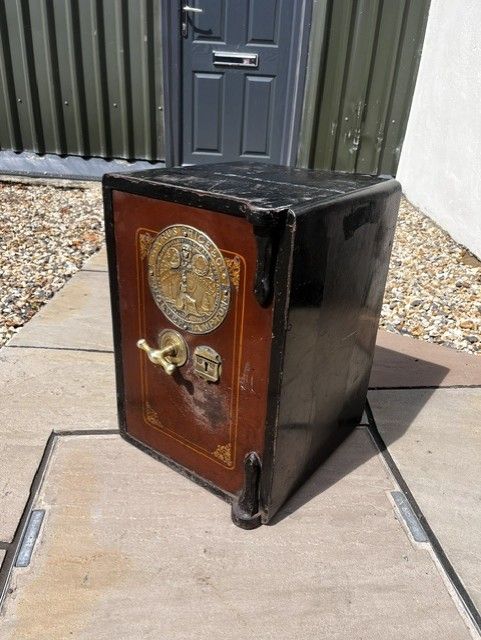
Victorian Age Darkened Pine Carpenters Box, Victorian
Priced at £690 from Elmgarden
Look at the shift in bedroom habits. Built-in wardrobes were rare, making freestanding storage essential for expanding middle-class wardrobes.
Industrial progress across the century. Steam-powered saws and veneer peelers sped up workshop output for a growing market.
Victorian chests got steadily taller as the era wore on, offering deeper bottom drawers to hold thick blankets.
Holland & Sons supplied substantial domestic furniture to government buildings and private houses throughout the nineteenth century.
Gillows of Lancaster. They stamped their name on drawer edges and shipped well-made pieces across Britain.
Notice how most Victorian chests carry no maker's mark at all. Regional cabinetmakers supplied the bulk of the domestic trade.
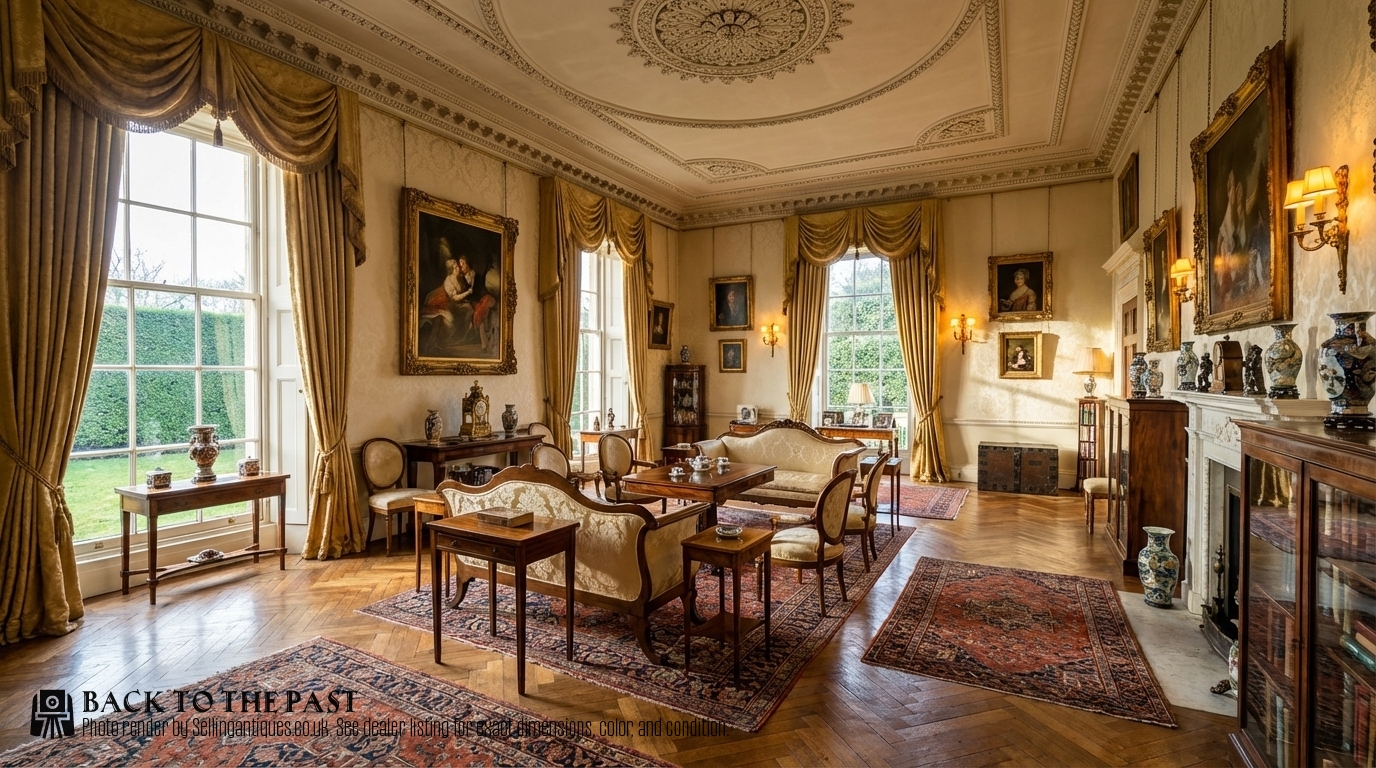
Good Sized Mid 19th Century Oak Silver Chest., 1850
Priced at £295 from Rupert Hitchcox Antiques
The 2026 retail price guide for Victorian Chests is drawn from a proprietary archive of over 1.1 million retail prices indexed by Sellingantiques since 2003. This guide relies exclusively on their own internal data; no external sources or auction records are used.
Analysing nearly 25 years of UK antique market history alongside current retail values, the data indicates that typical UK retail prices for Victorian Chests range between £400 and £1,700. Entry-level prices generally fall under £400 and premium examples upwards of £1,700.
Pull a drawer open. You'll often find wooden knob handles fastened with wooden threads, though brass drops turn up later.
Plinth bases or turned bun feet. They support the heavy carcase and keep the bottom drawer clear of deep carpets.
Rounded corners soften the front edges on many mid-century examples.
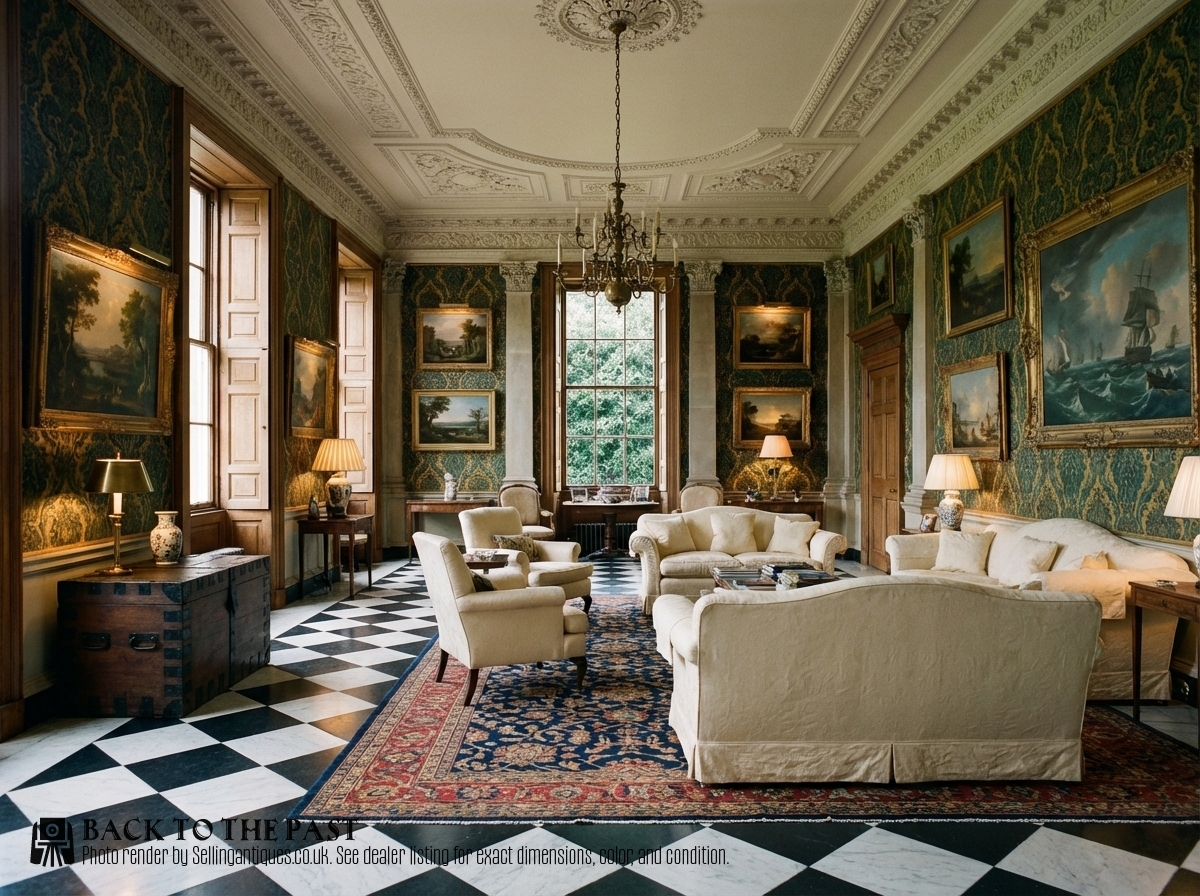
Victorian Oak and Metal Bound Silver Chest., Victorian
Priced at £265 from Rupert Hitchcox Antiques
Inspect the drawer sides. Hand-cut dovetails give way to machine-cut joints as late-century mechanisation took hold.
Thick veneers from early decades get thinner later. Circular saws replaced hand-sawing, yielding more sheets from a single log.
Applied mouldings and carved corbels. These replaced simple flat fascias to suit heavier tastes in the 1870s.
"The deep bottom drawer sometimes incorporates the plinth base to offer extra storage volume without changing the external profile."
"Feel behind the top edge. Secret frieze drawers sometimes hide in the deep moulding right under the top board."
"Split carcases. Some tall examples divide into two halves to navigate narrow cottage staircases."
Based on almost 25 years of Sellingantiques UK antique market data, Victorian Chests appeared 11838 times (out of 1,100,000 antiques) which gives it a rarity score of 9/100.
This score measures scarcity within the Sellingantiques archive only and is not a survey of the entire antiques market, so these statistics may not be indicative of the general availability of Victorian Chests elsewhere.
Sticking drawers often result from worn runners inside the carcase. The wood grinds down over a century of use, letting the drawer drop and catch on the frame below.
Rubbing a candle stub along the running edges helps reduce friction in mild cases. Wax acts as a dry lubricant without swelling the timber.
Severe wear needs attention from a restorer. They splice fresh timber onto the worn surfaces to restore a level running action.
Most mid-century keyhole surrounds are shaped from brass or turned from bone. Brass plates sit flush with the drawer front, pinned directly into the wood.
Mother-of-pearl turning up on darker timbers adds a flash of contrast. Later decades saw stamped brass plates applied over the wood face rather than inset.
That deep top drawer often held top hats or ladies' bonnets. Standard folded linen went into the shallower drawers below.
Headwear required rigid storage to prevent crushing the felt or silk frames. Deep drawers provided a dust-free space away from the main bedroom traffic.
The back boards are supposed to look rough. Cabinetmakers rarely wasted expensive mahogany or polishing time on surfaces facing a wall.
Wide pine planks shrank as central heating dried out modern homes, causing those gaps. The makers nailed them straight onto the carcase rebates while the wood still held moisture.
A rough back indicates standard workshop practice for the period.
Please note: This Victorian Chests guide and its associated pricing data are provided for general informational purposes only. It does not constitute formal financial, investment, or appraisal advice and should not be relied upon as the sole basis for any commercial activity, purchasing, or sales decisions. Sellingantiques.co.uk accepts no liability for any actions taken in reliance on this information. Always consult with a qualified professional or independent appraiser.
