




A 2026 Guide by Sellingantiques
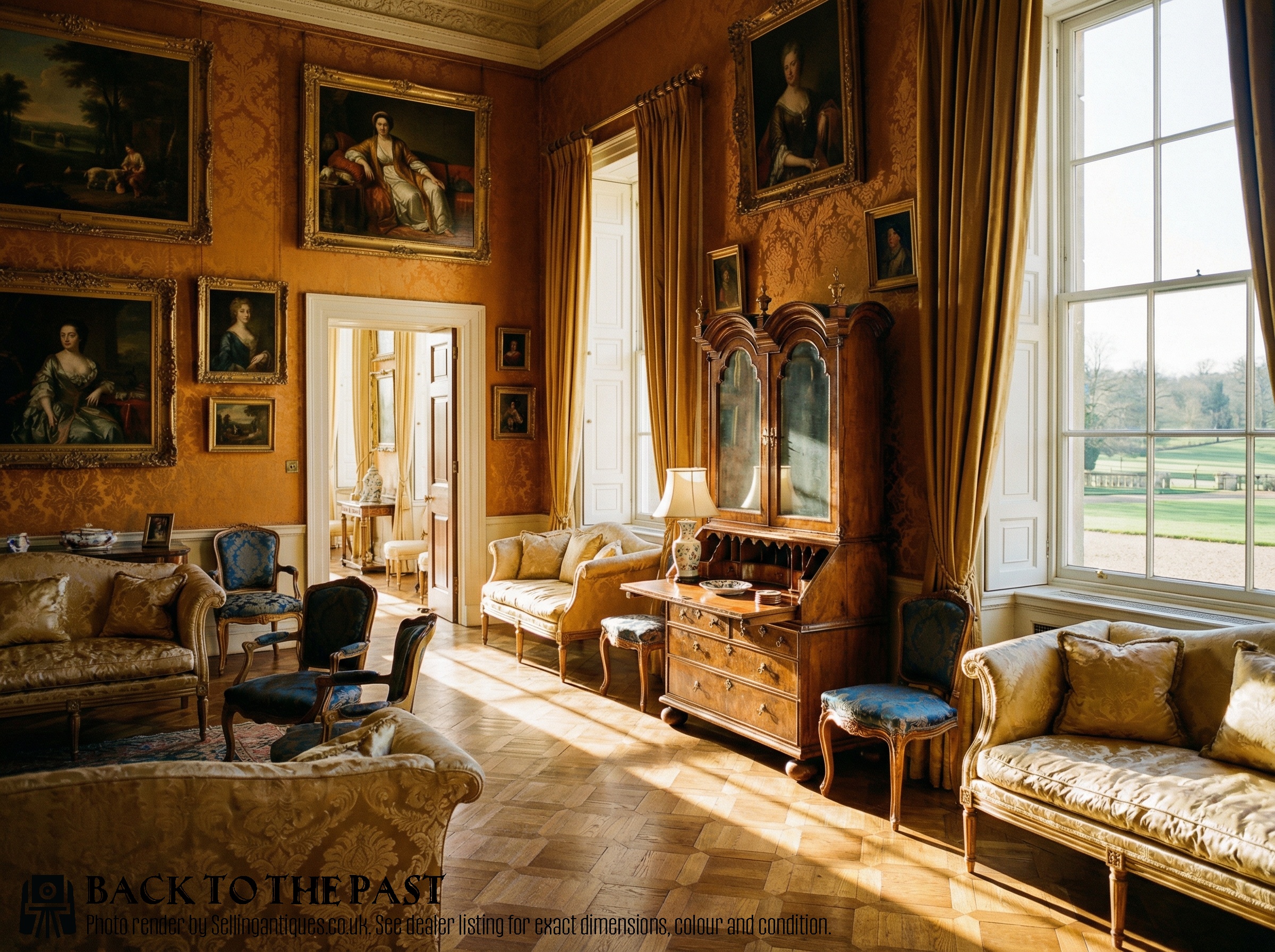
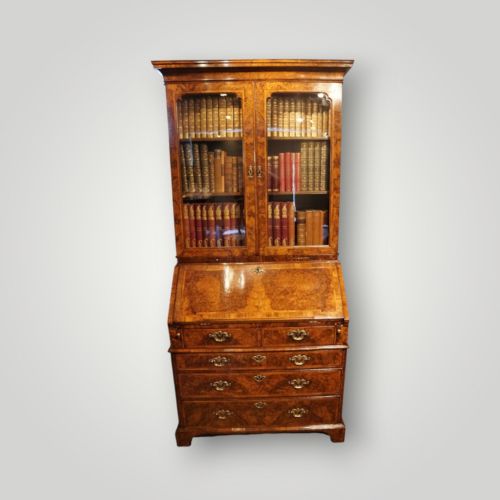
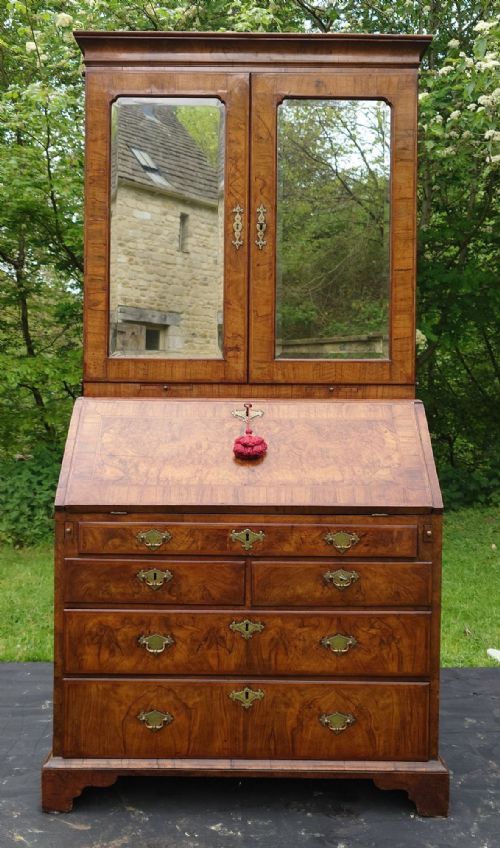
Walnut Double Dome Bookcase, 18th Century
Priced at £42,000 from Park Lodge Antiques
The sloped front evolved from portable writing boxes placed on chest stands during the late seventeenth century.
Became a standard piece of domestic furniture in England before mahogany took over the trade.
Look at early eighteenth-century examples to see how the antique walnut bureau replaced standalone tables for managing estate accounts.
Demand grew as the postal system expanded and letter writing became a daily habit for merchant classes.
Giles Grendey ran a major London workshop in Clerkenwell and produced high-end walnut furniture during the George II period.
Regional cabinetmakers built the vast majority of surviving bureaus without ever signing or stamping their work.
Documented pieces by specific craftsmen are scarce, leaving dealers to attribute origins based on construction quirks rather than names.
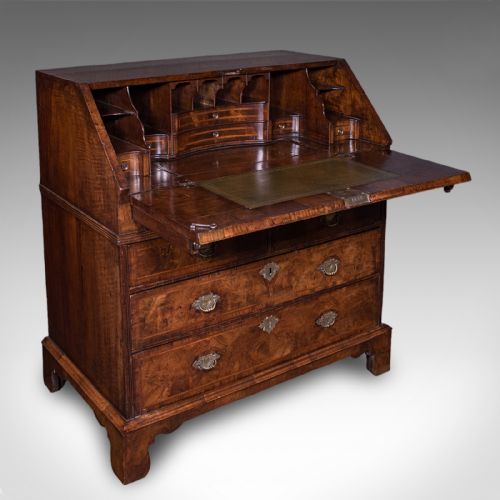
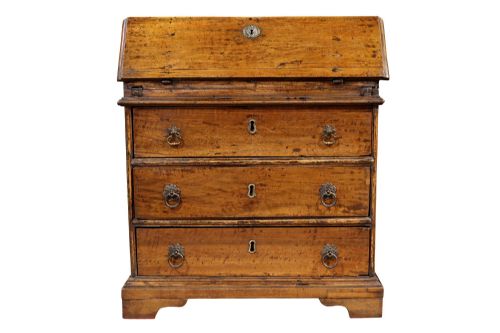
Desk French Stunning Walnut Desk 18th Century C1740, Georgian
Priced at £1,850 from Cloverleaf Home Interiors
The 2026 retail price guide for Antique Walnut Bureau is drawn from a proprietary archive of over 1.1 million retail prices indexed by Sellingantiques since 2003. This guide relies exclusively on their own internal data; no external sources or auction records are used.
Analysing nearly 25 years of UK antique market history alongside current retail values, the data indicates that typical UK retail prices for Antique Walnut Bureau range between £1,000 and £8,500. Entry-level prices generally fall under £1,000 and premium examples upwards of £8,500.
A hinged sloping fall opens to rest on two pull-out lopers, creating a flat writing surface.
The fitted interior reveals a stepped arrangement of pigeonholes, small drawers and sometimes a central cupboard.
Find graduated drawers in the lower section, arranged either as three long drawers or two short over two long.

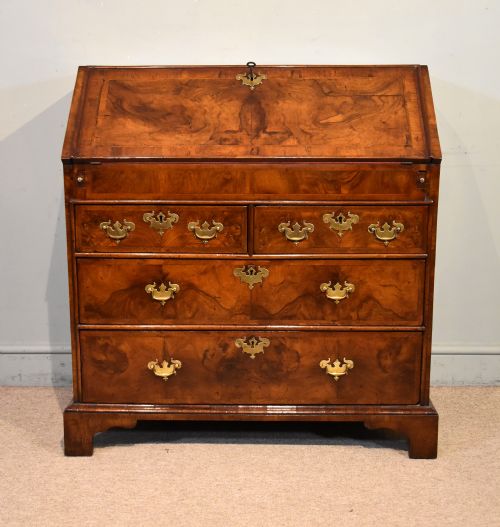
Queen Anne Walnut Bureau, 1700
Priced at £1,950 from Walton House Antiques
Cabinetmakers sawed the thin walnut veneers by hand before gluing them down onto the softer pine carcase.
Hand-cut dovetails secure the drawer corners, showing slight irregularities where the saw and chisel did their work.
Check the interior fittings to see blind-dovetailed small drawers and sliding panels made with precise friction fits.
"Hidden compartments often sit behind the central interior cupboard, operated by pressing a concealed wooden spring."
"The burr walnut grain on costly pieces was created by slicing through knotty growths at the base of the tree."
"Craftsmen matched the figuring across adjacent drawers so the wood grain appears to flow unbroken down the front."
Based on almost 25 years of Sellingantiques UK antique market data, Antique Walnut Bureau appeared 2627 times (out of 1,100,000 antiques) which gives it a rarity score of 59/100.
This score measures scarcity within the Sellingantiques archive only and is not a survey of the entire antiques market, so these statistics may not be indicative of the general availability of Antique Walnut Bureau elsewhere.
Use a soft brush attachment on a vacuum cleaner to draw out decades of dust from the pigeonholes. You'll find a clean, dry artist's paintbrush helps dislodge dirt from tight corners.
Avoid liquid cleaners or polishes inside those small compartments. The unvarnished secondary timbers will soak up moisture, which causes the thin drawer linings to swell and jam in their runners.
The brass hinges have stretched over time, or the wooden lopers that support the flap are worn down. Pull the lopers all the way out and check if their top edges are grooved from years of the heavy fall sliding across them.
A cabinetmaker can pack the hinges or glue a thin strip of matching timber to the top of the lopers. This raises the fall back to a level position and takes the strain off the hinge screws.
Provincial makers used whatever secondary timber was cheap and close to hand. Pine was plentiful and easy to work.
A pine carcase isn't a sign of poor quality. It just points to a different regional origin.
Older locks are relatively simple mechanism designs. A local locksmith can usually pick them open on site using basic tension tools without damaging the walnut veneers or the brass escutcheons.
Do not try to force the drawers open with a lever. The brass lock bolts are engaged directly into slots cut into the wooden carcase, and prying will split the wood apart.
Once the unit is open, the locks can be unscrewed from the inside. You can then take them to a specialist to have fresh keys cut to match the original levers.
Please note: This Antique Walnut Bureau guide and its associated pricing data are provided for general informational purposes only. It does not constitute formal financial, investment, or appraisal advice and should not be relied upon as the sole basis for any commercial activity, purchasing, or sales decisions. Sellingantiques.co.uk accepts no liability for any actions taken in reliance on this information. Always consult with a qualified professional or independent appraiser.
