



A 2026 Guide by Sellingantiques
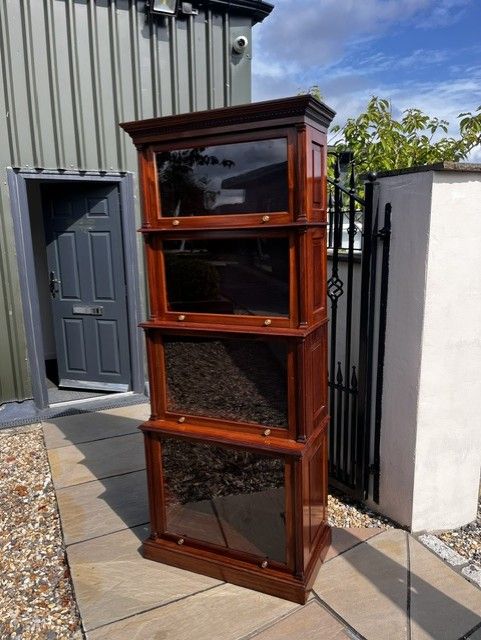
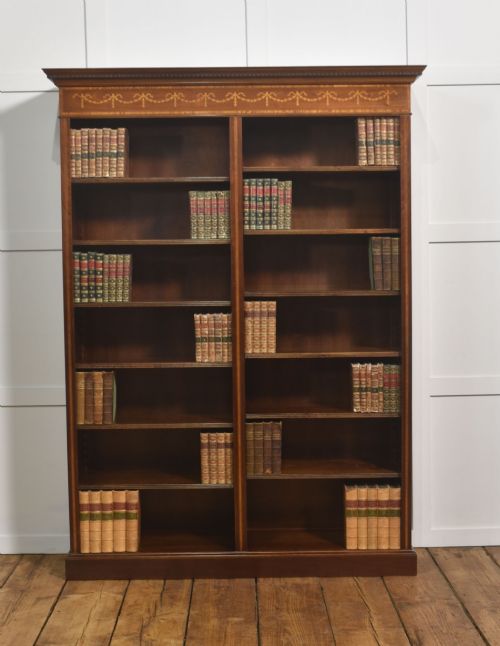
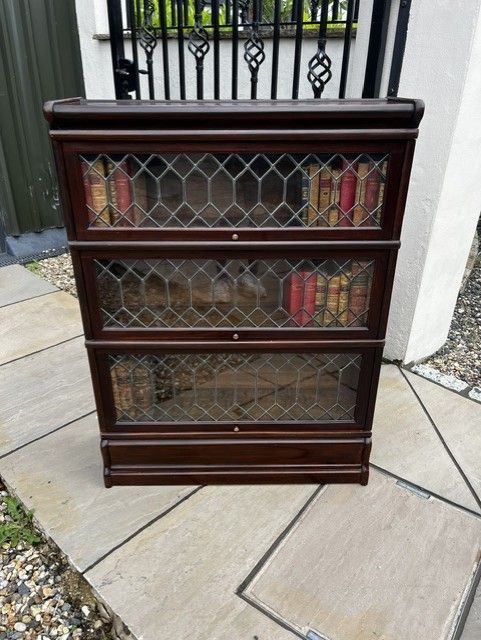
Wylie and Lochhead Ltd Edwardian Mahogany Bookcase, Edwardian
Priced at £950 from Sinclairs Antiques and Interiors
The Edwardian era saw a boom in mass publishing. More people bought novels, so middle-class homes needed dedicated storage for them.
Edwardian bookcases often scaled down older Victorian designs. Rooms were getting smaller, so massive library walls gave way to compact freestanding units.
Look at the shifts in trade catalogues of the time. The transition from heavy carving to lighter inlaid forms happened fast.
Revolving bookcases gained traction in this period. Buyers placed them next to armchairs for quick access to reference volumes.
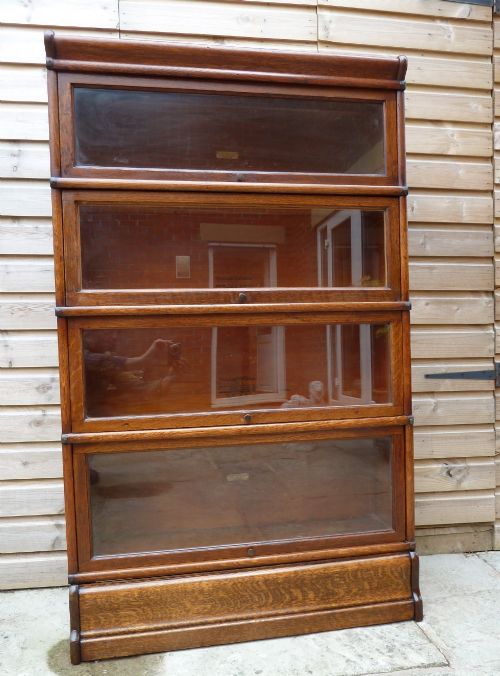
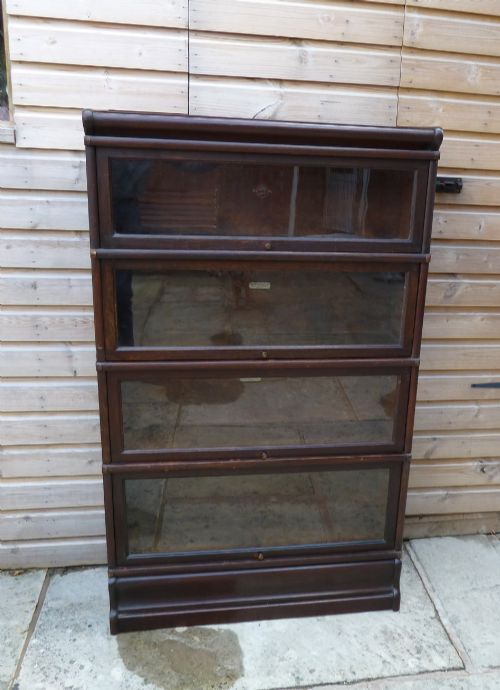
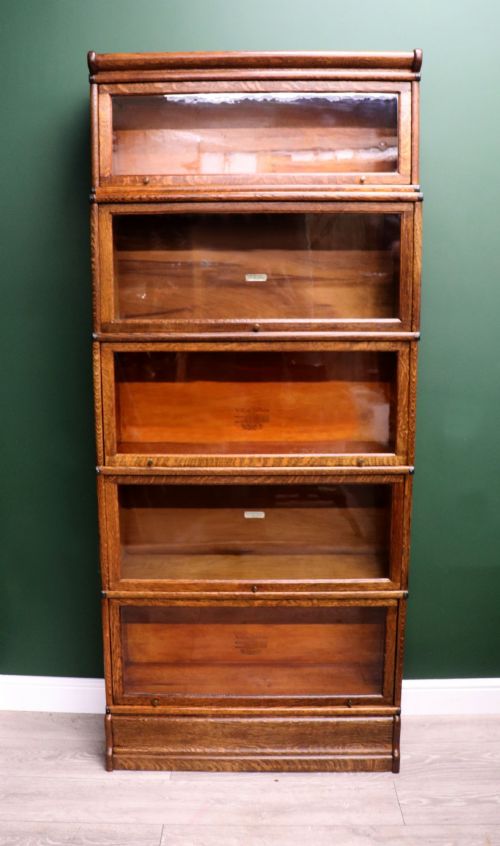
Globe Wernicke popularised the stacking sectional bookcase in this era. Their modular designs allowed buyers to add tiers as libraries grew.
Maple & Co produced thousands of these. Look for their stamped plates on the top edges of cabinet doors or drawer linings.
Heal & Son offered lighter unvarnished oak versions. Their output leaned towards the Arts and Crafts aesthetic rather than standard revival styles.
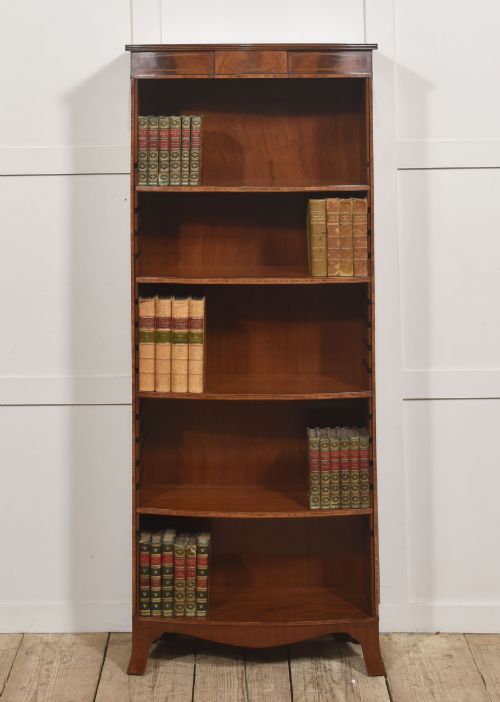
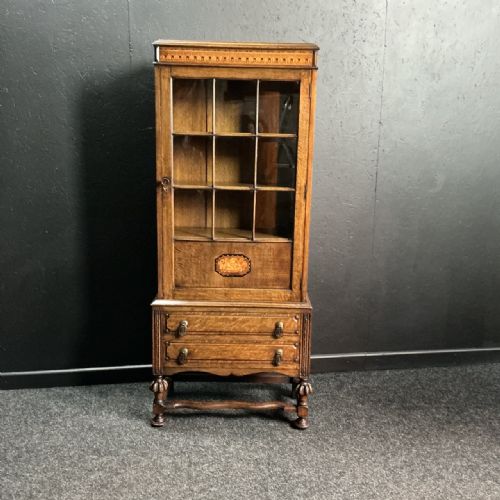
Edwardian Mahogany Waterfall Cupboard Bookcase, Edwardian
Priced at £1,250 from Church Street Antiques & Interiors
The 2026 retail price guide for Edwardian Bookcases is drawn from a proprietary archive of over 1.1 million retail prices indexed by Sellingantiques since 2003. This guide relies exclusively on their own internal data; no external sources or auction records are used.
Analysing nearly 25 years of UK antique market history alongside current retail values, the data indicates that typical UK retail prices for Edwardian Bookcases range between £400 and £1,800. Entry-level prices generally fall under £400 and premium examples upwards of £1,800.
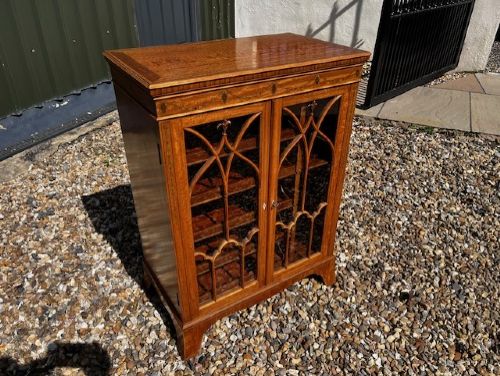
Glazing bars on the upper doors form geometric patterns. Thirteen-pane grids were a standard layout across the trade.
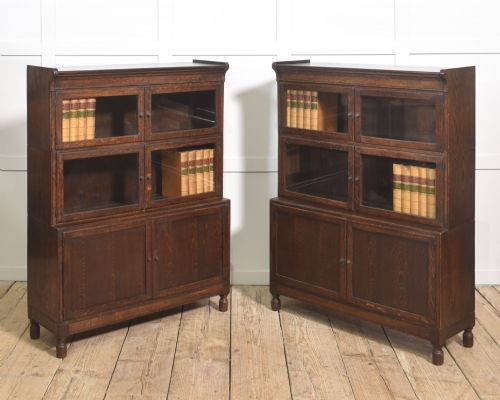
A projecting lower section is common. It usually holds blind panelled doors or a stack of drawers for hidden storage.
Examine the shelves. They usually sit on wooden cleats or metal strips, making the spacing adjustable for different book heights.
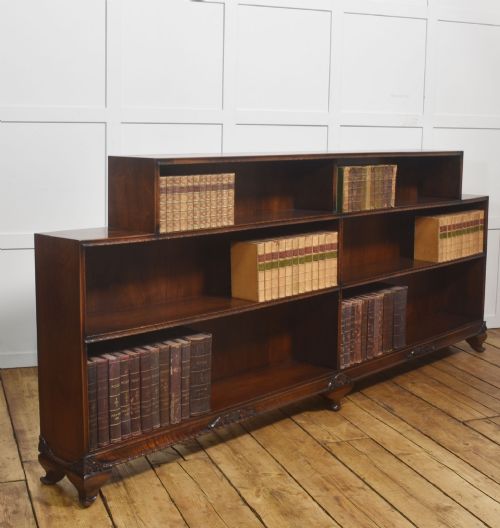
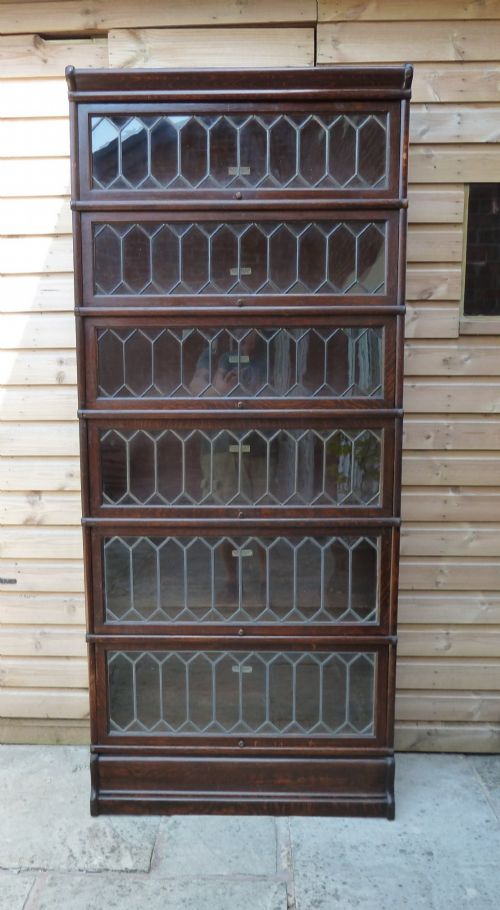
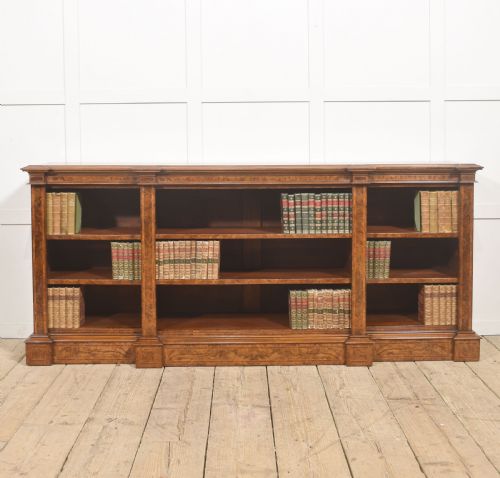
Edwardian Oak Library Bookcase, 1900
Priced at £2,450 from Harrison Antique Furniture
Edwardian cabinet makers relied heavily on veneering. They applied thin sheets of expensive timber over stable pine carcases to prevent warping.
Machine-cut dovetails became standard. Factories used routers to cut precise joints for the base drawers at a faster rate.
Turn the piece around. Backboards are usually tongue and groove pine boards, nailed straight into the rear frame.
"Some Edwardian bookcases conceal secret compartments. Small hidden drawers behind the cornice moulding kept personal papers safe from visitors."
"The introduction of standardized shelf heights meant these designs fit the most popular publisher series perfectly."
"Many modular versions broke down into flat sections. This made them easy to move between rented city flats."
Based on almost 25 years of Sellingantiques UK antique market data, Edwardian Bookcases appeared 4843 times (out of 1,100,000 antiques) which gives it a rarity score of 38/100.
This score measures scarcity within the Sellingantiques archive only and is not a survey of the entire antiques market, so these statistics may not be indicative of the general availability of Edwardian Bookcases elsewhere.
Most rely on a system called Tonks fittings. Two metal strips sit flush inside each side panel. They have rectangular slots cut into them at regular intervals.
You push a small metal wedge into four slots at the same height. The wooden shelf then rests directly on top of these wedges.
The gap is normal. Cabinet makers designed these doors with a slight clearance to stop the wood binding when humidity changes. If they fit tight, a damp summer would swell the timber and jam the door shut.
Some versions had a slim strip of velvet tacked along the meeting edge. This acts as a dust baffle. You can add a strip yourself if dust is a problem in your room.
You can, though preparing the surface takes effort. The original polish needs a thorough sanding before primer will grip properly.
Stripping the old finish off first yields a better result. Keep in mind that heavy sanding risks burning straight through the thin veneer down to the pine carcase beneath.
Almost all tall Edwardian bookcases come apart into at least two sections. The glazed upper cabinet just rests on the deeper solid base. Gravity holds it in place, sometimes aided by hidden wooden dowels.
You should always separate the halves before lifting. Dragging them as one unit strains the side panels. Lift the top section straight up and carry it separately.
Please note: This Edwardian Bookcases guide and its associated pricing data are provided for general informational purposes only. It does not constitute formal financial, investment, or appraisal advice and should not be relied upon as the sole basis for any commercial activity, purchasing, or sales decisions. Sellingantiques.co.uk accepts no liability for any actions taken in reliance on this information. Always consult with a qualified professional or independent appraiser.
