
A 2026 Guide by Sellingantiques
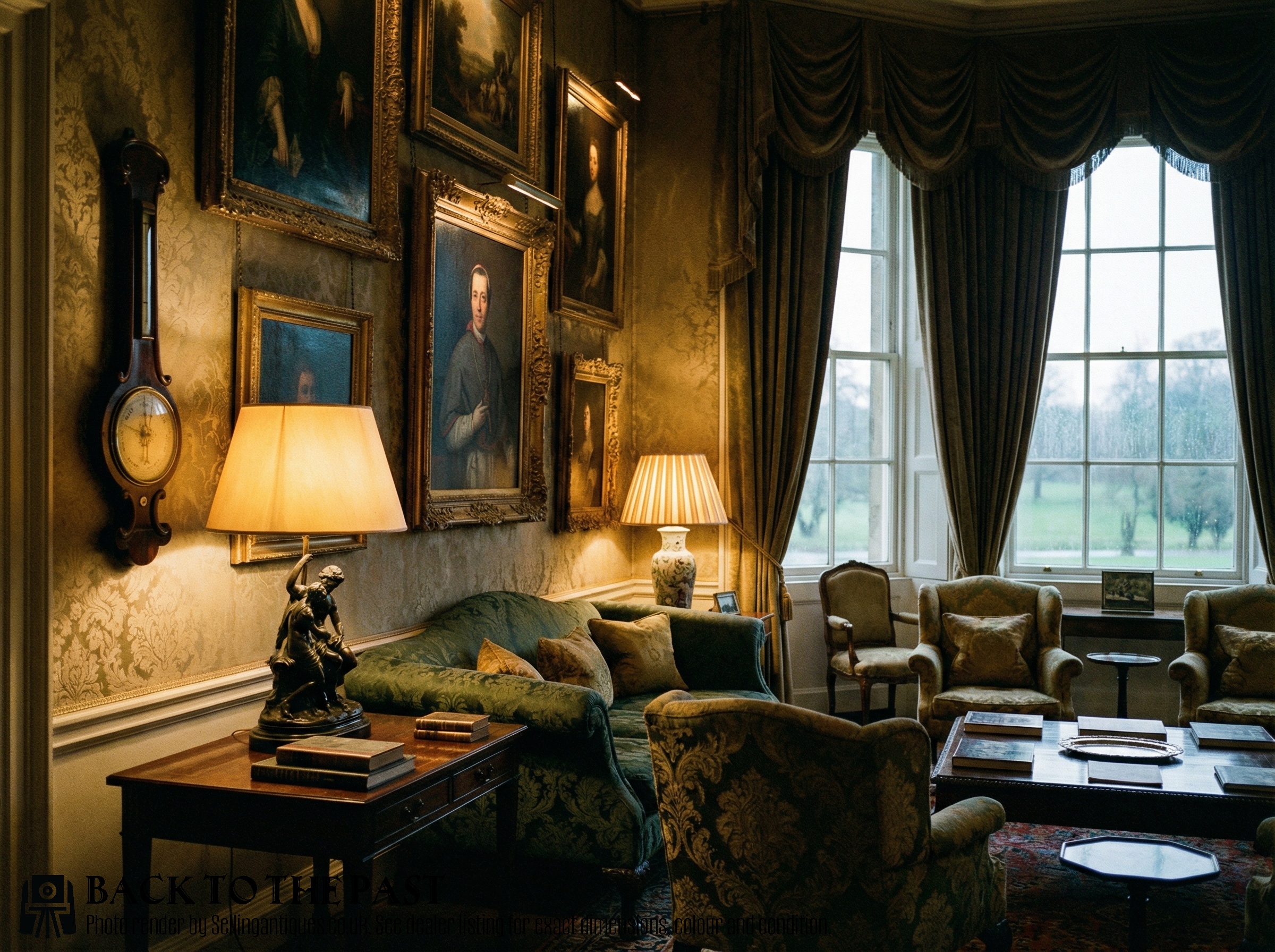
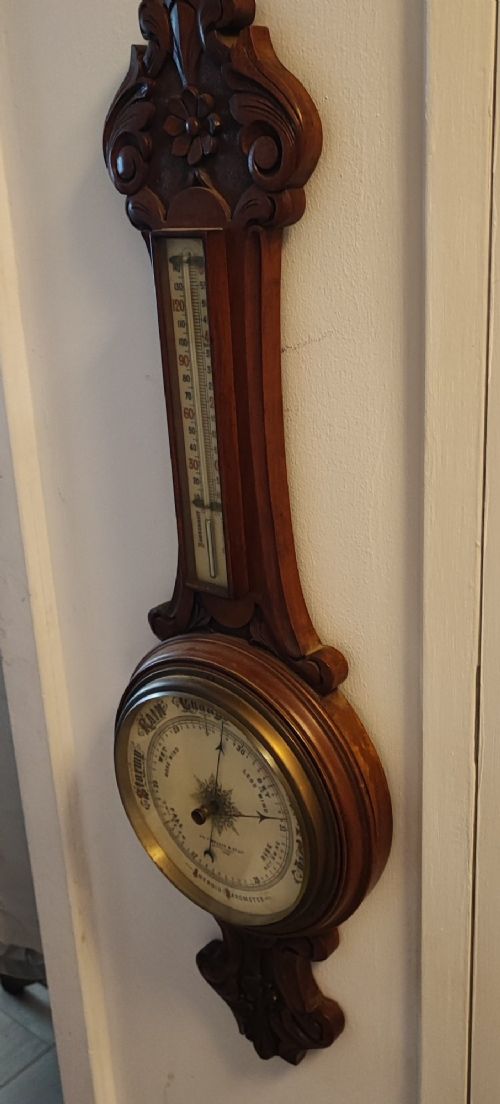
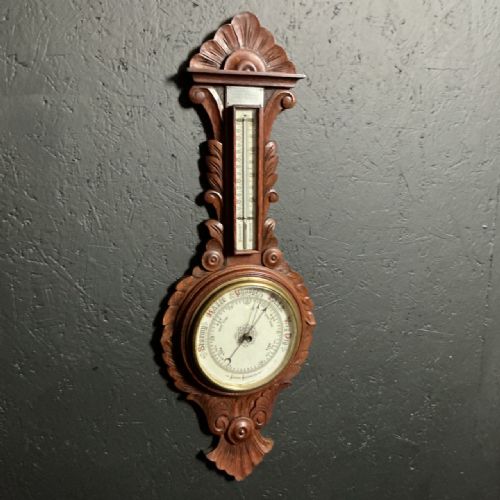
Antique Victorian Quality Mahogany Banjo Barometer, 1860
Priced at £945 from Unique Antiques by Emma Jade
Admiral FitzRoy reformed weather forecasting in the mid-nineteenth century. His public storm warnings drove domestic demand for Victorian barometers.
Earlier Georgian examples hung in grand hallways. By the 1860s, expanding middle classes wanted a weather station in their own drawing rooms.
Look at the shift from mercury to aneroid systems. Hauling liquid mercury up mountains proved difficult, prompting explorers to favour new dry mechanisms.
Mass production techniques expanded during this era. Industrial workshops turned out carved wooden cases much faster than previous generations managed.
Negretti & Zambra dominated the London trade from 1850 onwards. They supplied precision instruments to the Royal Observatory and thousands of domestic models.
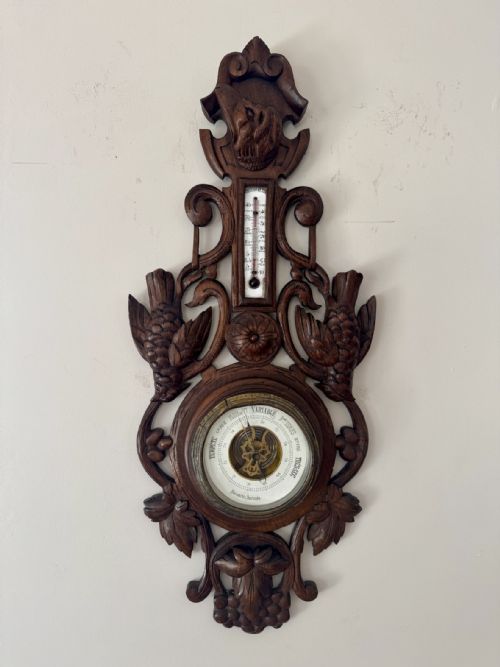
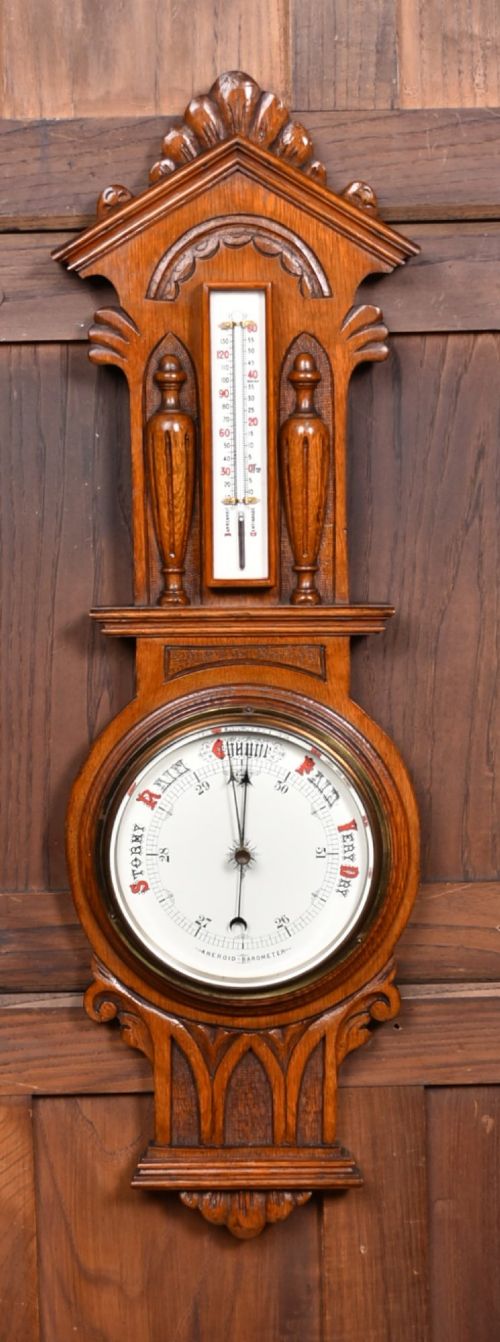
Check the dial for John Barker of Kensington. This late-century retailer stamped their name on hundreds of carved oak Victorian barometers.
Provincial clockmakers sometimes assembled the final pieces. You frequently spot regional retailer names painted on standard factory-made ceramic dials.
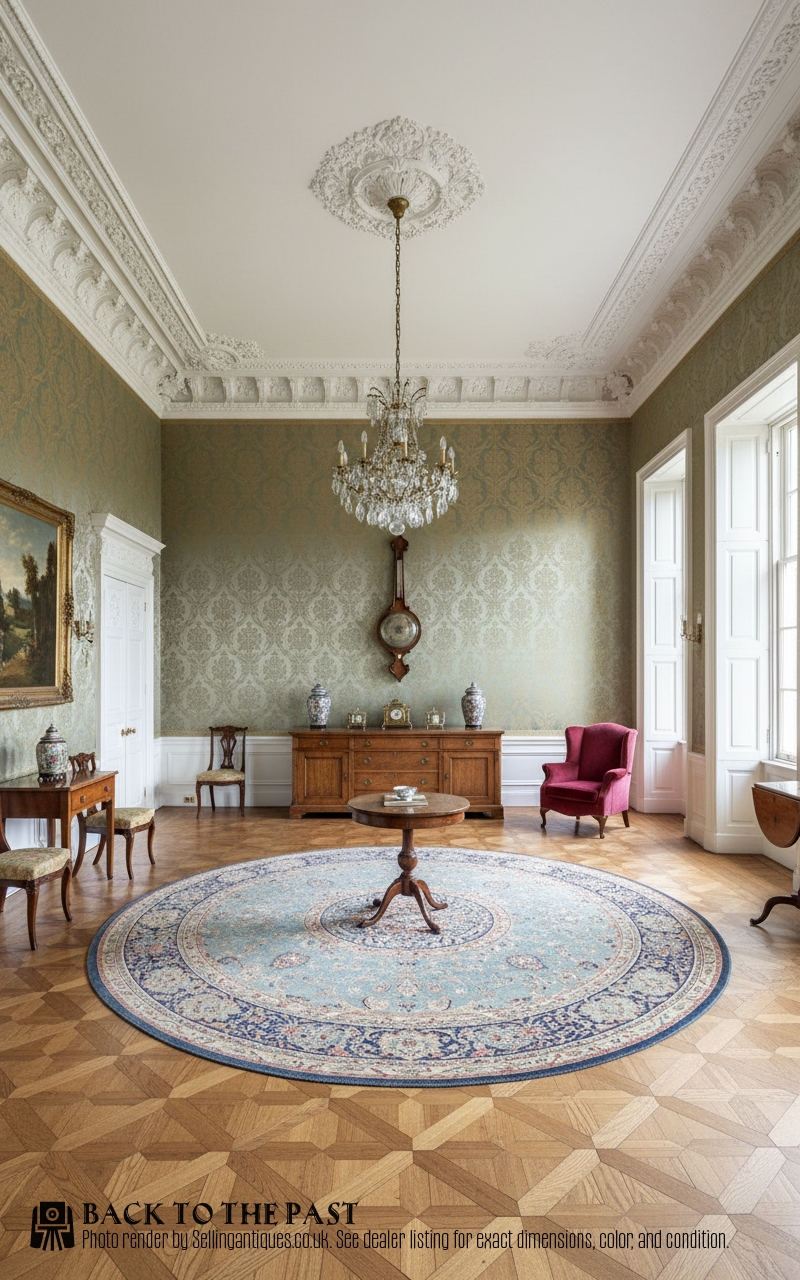
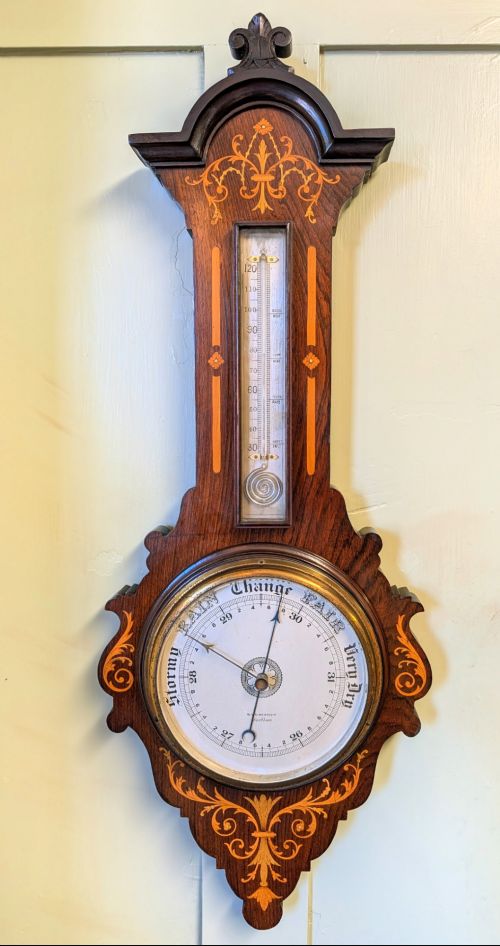
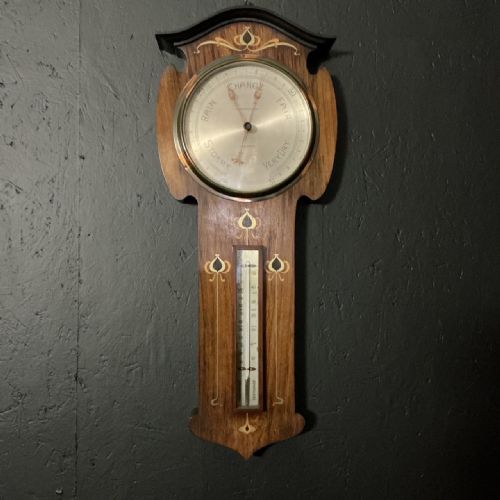
Large Antique Victorian Quality Rosewood Banjo, 1860
Priced at £985 from London City Antiques
The 2026 retail price guide for Victorian Barometers is drawn from a proprietary archive of over 1.1 million retail prices indexed by Sellingantiques since 2003. This guide relies exclusively on their own internal data; no external sources or auction records are used.
Analysing nearly 25 years of UK antique market history alongside current retail values, the data indicates that typical UK retail prices for Victorian Barometers range between £200 and £1,100. Entry-level prices generally fall under £200 and premium examples upwards of £1,100.
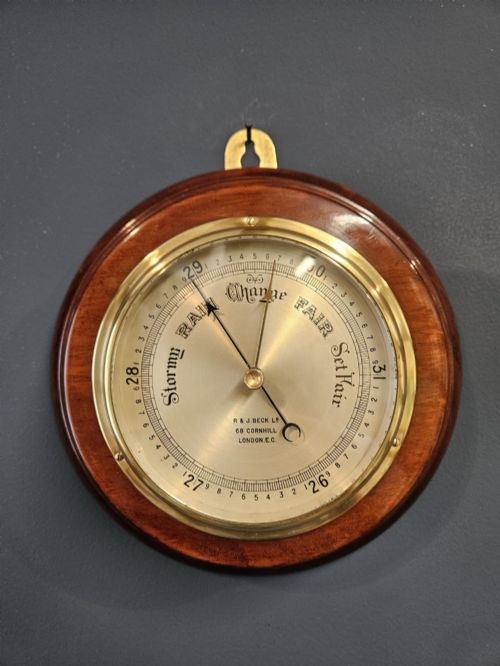
A manual setting hand sits on the outside of the glass. Turning the central knob lets you mark current pressure to track tomorrow's movement.
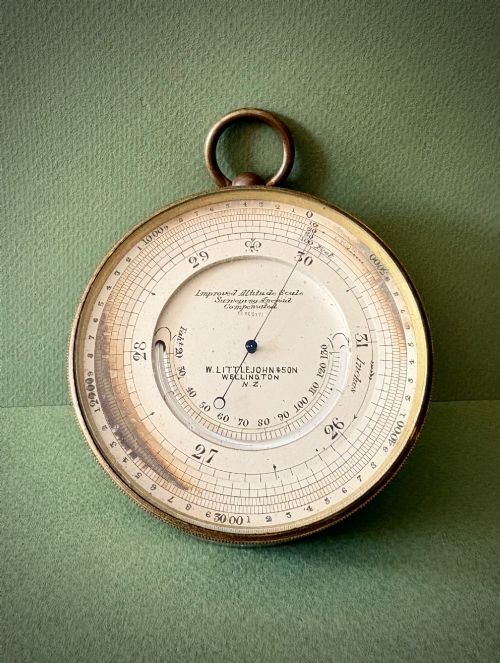
Vernier scales slide up and down the main register. These small secondary plates allow a careful reader to record tiny fractions of an inch.
Aneroid vacuum chambers expand and contract. This hidden metal bellows drives the main pointer across the dial via a delicate linked chain.
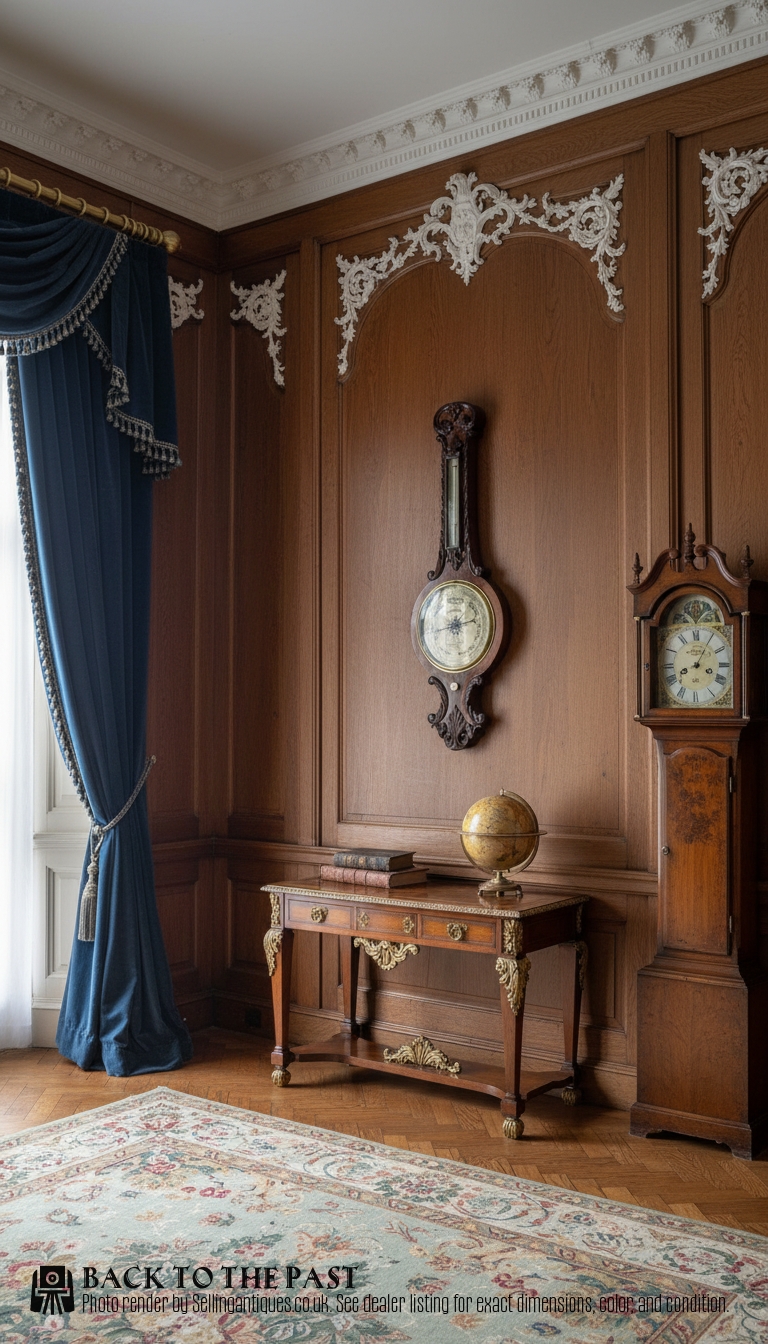
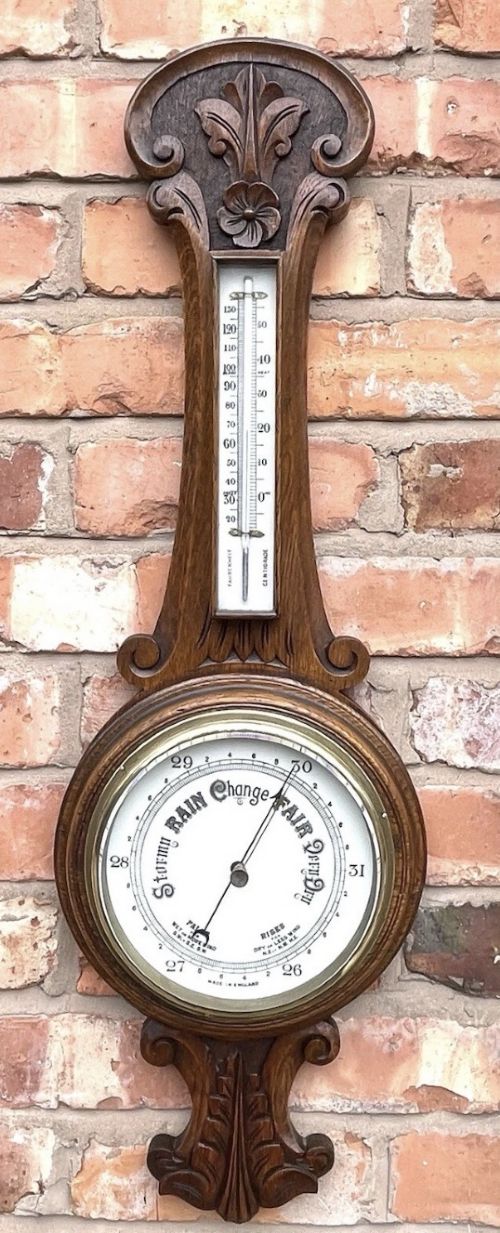
Quality Antique Victorian Burr Walnut Carved Banjo Barometer, 1860
Priced at £1,495 from London City Antiques
Carving machines changed case production in the 1880s. Workshops quickly routed out repeated rope-twist borders and heavy foliate scrolls.
Chain links connecting an aneroid movement require tiny hand-assembled pins. Watchmakers often transferred their skills to build these miniature brass linkages.
Notice the thick bevelled glass protecting the dial. Workmen cast and polished these heavy lenses by hand to fit each brass bezel.
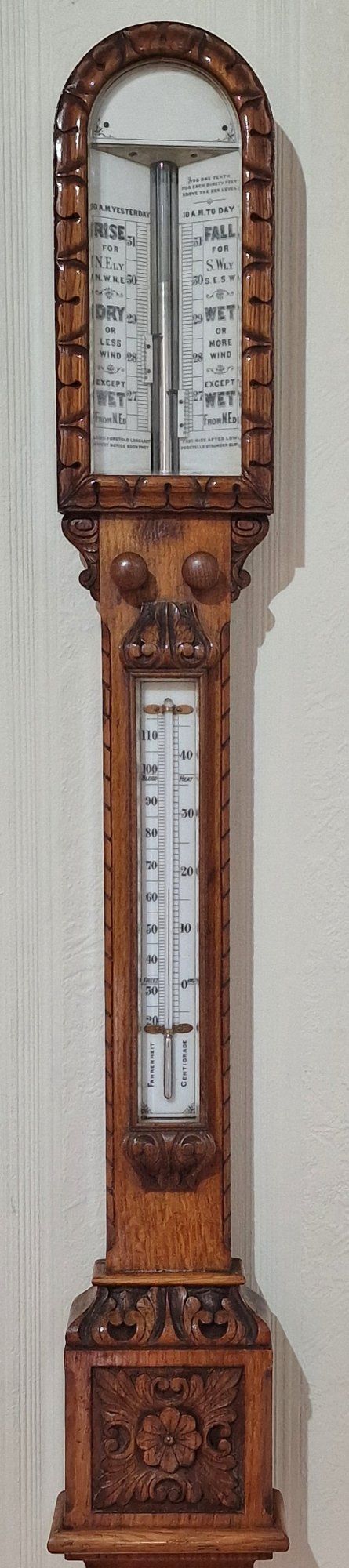
"Some examples feature a hidden spirit level. Makers built them into the bottom of stick models to ensure the instrument hung straight on the wall."
"The aneroid capsule inside responds to altitude changes. You can watch the needle move just by walking a Victorian barometer up a few flights of stairs."
"FitzRoy specific models include detailed instructions printed directly on the backing paper. He wanted every household to understand how temperature affected atmospheric pressure."
Based on almost 25 years of Sellingantiques UK antique market data, Victorian Barometers appeared 1518 times (out of 1,100,000 antiques) which gives it a rarity score of 74/100.
This score measures scarcity within the Sellingantiques archive only and is not a survey of the entire antiques market, so these statistics may not be indicative of the general availability of Victorian Barometers elsewhere.
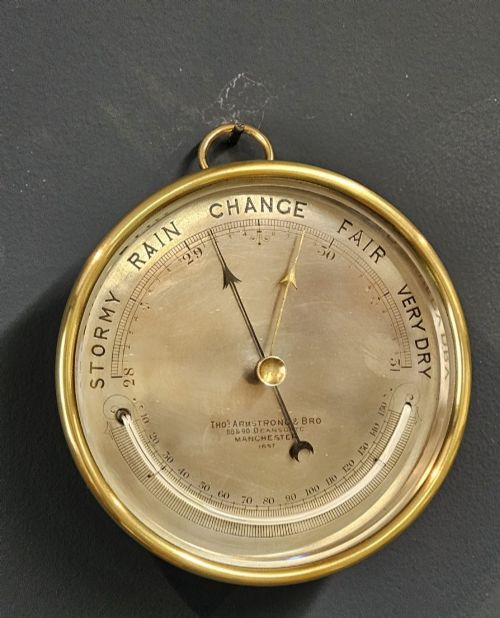
The main black needle connects to the internal mechanism. It moves automatically as the atmospheric pressure rises or falls.
You move the brass setting hand yourself using the knob on the glass front. Align it directly over the black needle today, and tomorrow you'll see exactly which direction the pressure shifted.
There is usually a small adjustment screw on the metal backplate. Turning this gently recalibrates the internal spring tension to match your local pressure.
You need to know your current local barometric pressure first. Check a local weather station report online, then tap the glass lightly before turning the screw to dial in the correct reading.
Transporting mercury requires great care. Keep the case at a forty-five degree angle during transit.
Don't lay it flat. The heavy liquid will rush to the top of the tube and shatter the glass.
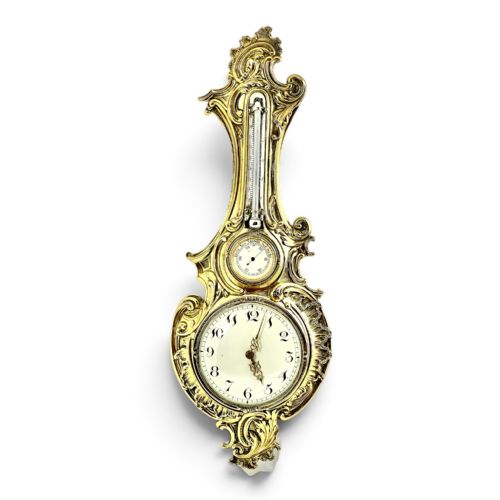
That is a standard alcohol thermometer. Makers frequently built these into the neck of banjo-shaped cases to provide an integrated domestic weather station.
The red dye makes the clear spirit visible against the printed background scale. It tells you the ambient temperature in your hallway rather than having any direct mechanical link to the main Victorian barometer dial below it.
Read it separately from the pressure dial.
Please note: This Victorian Barometers guide and its associated pricing data are provided for general informational purposes only. It does not constitute formal financial, investment, or appraisal advice and should not be relied upon as the sole basis for any commercial activity, purchasing, or sales decisions. Sellingantiques.co.uk accepts no liability for any actions taken in reliance on this information. Always consult with a qualified professional or independent appraiser.
