


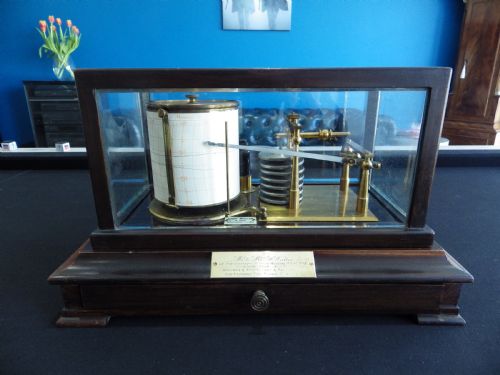

A 2026 Guide by Sellingantiques
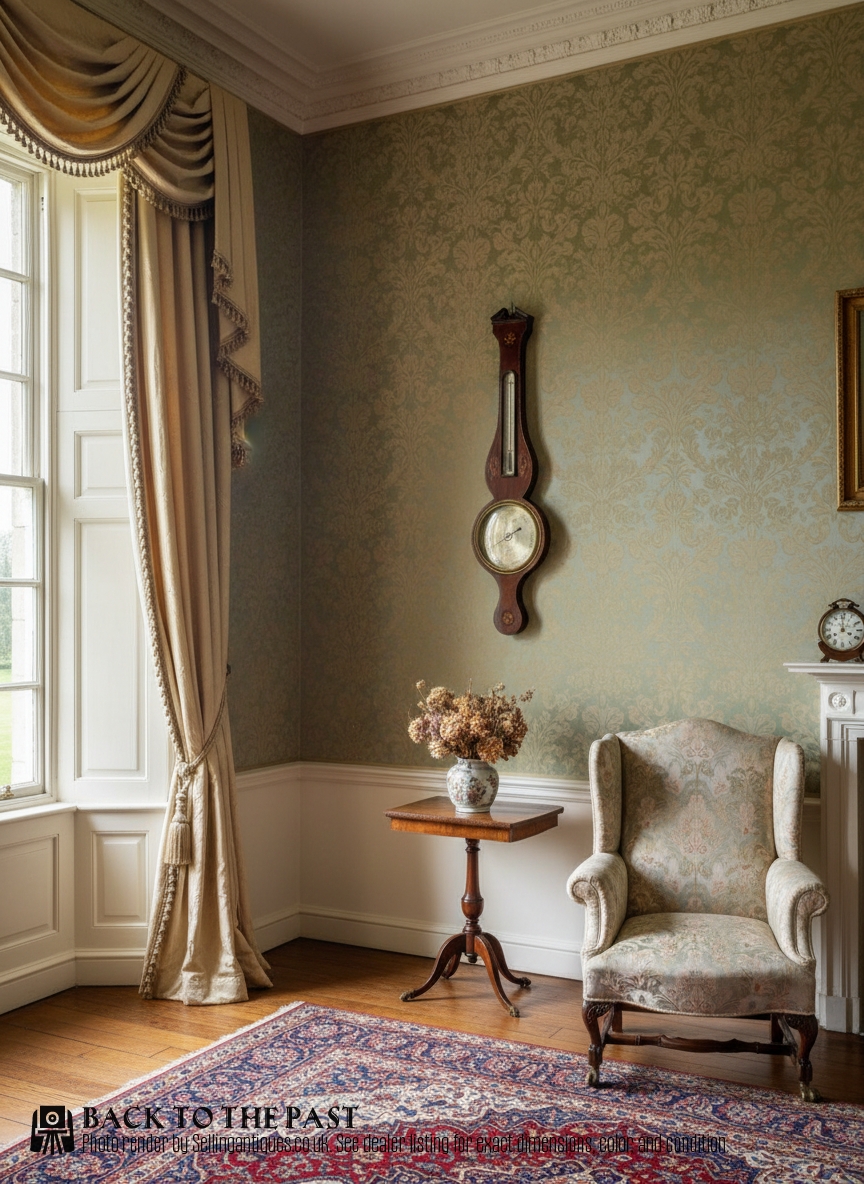
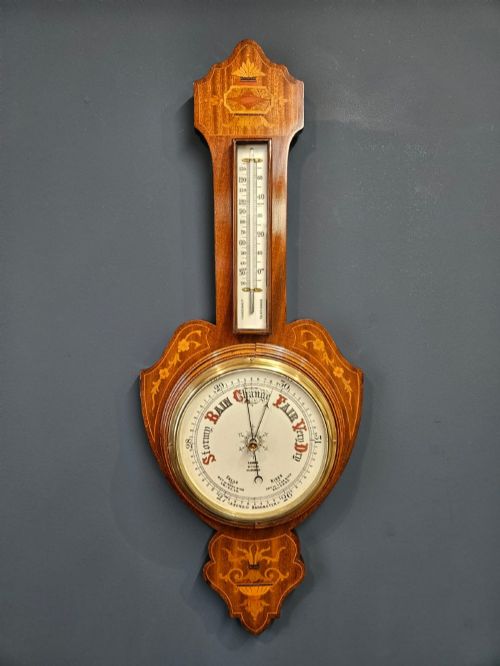
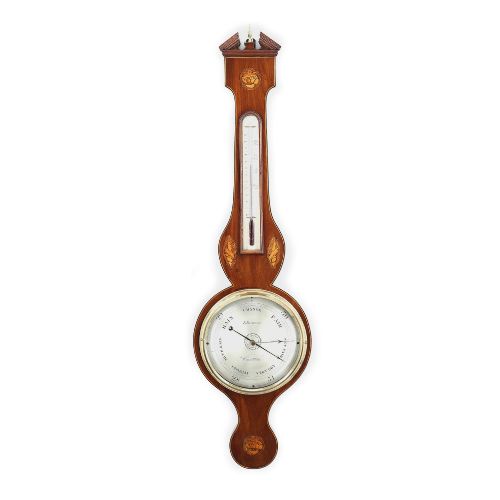
Antique George III Quality Mahogany Shell Inlaid Banjo Barometer, 1800
Priced at £1,185 from London City Antiques
Developed initially as laboratory instruments before finding wider domestic popularity.
Italian immigrants dominated the English trade during the late eighteenth century, bringing glassblowing skills vital for these instruments.
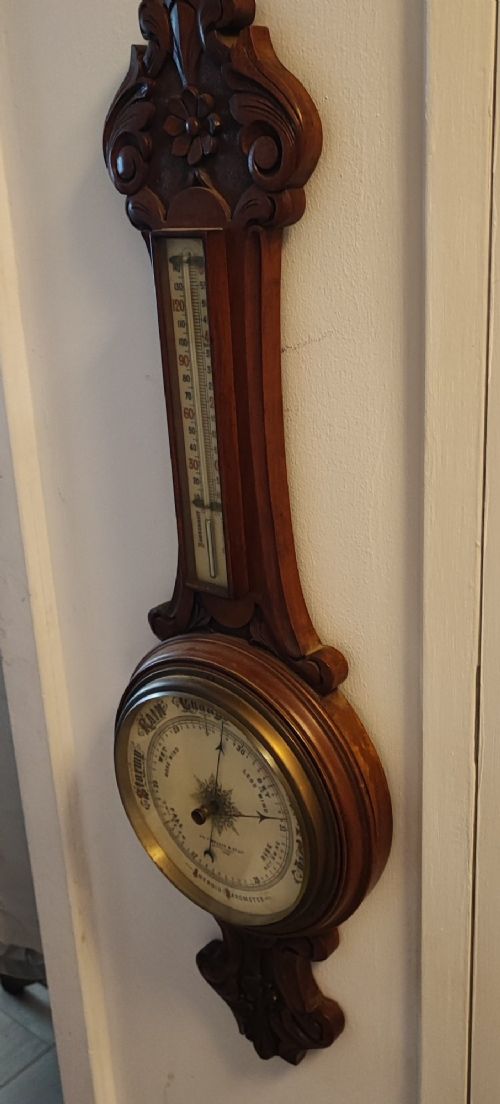
Note the shift in use. Antique mahogany barometers moved into hallways as households wanted daily weather forecasts.
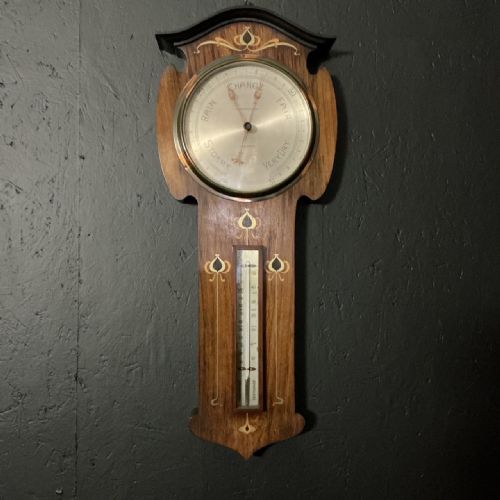
Wheel forms became the standard layout by 1800 because the large dial was easier to read than a straight column.
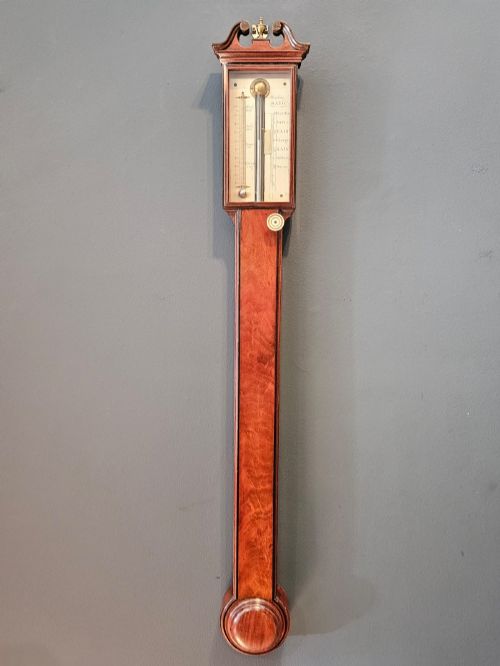
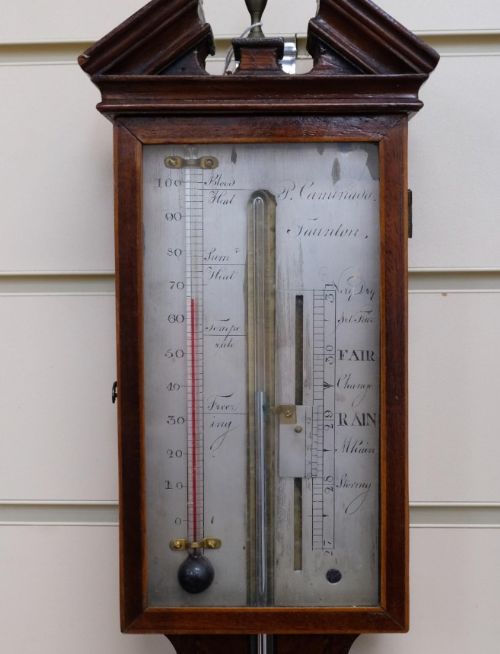
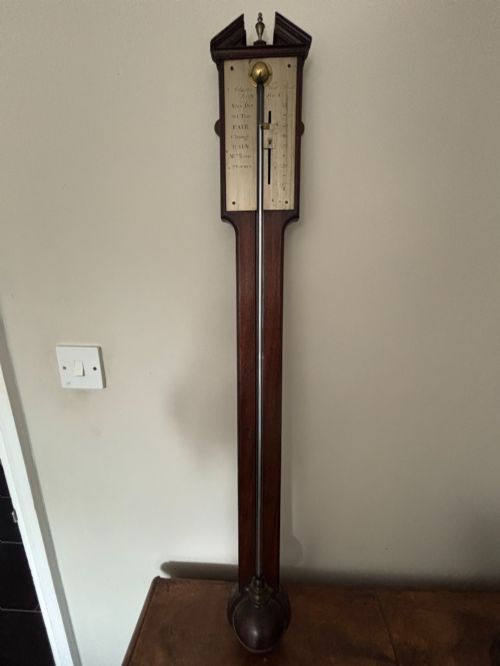
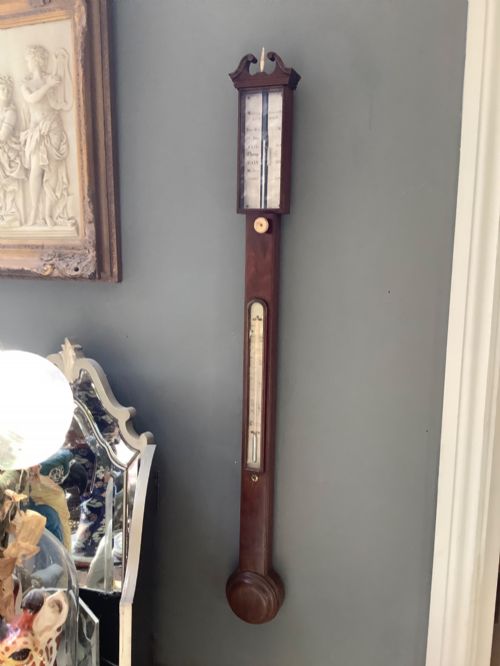
Stick barometers remained popular for marine and agricultural use where accuracy mattered more than decoration.
John Russell of Falkirk produced stick types during the late Georgian period.
The Somalvico family worked in London across several generations, supplying both components and finished antique mahogany barometers.
Search the dial for signatures. Pastorelli is another name frequently found on good quality early nineteenth-century examples.
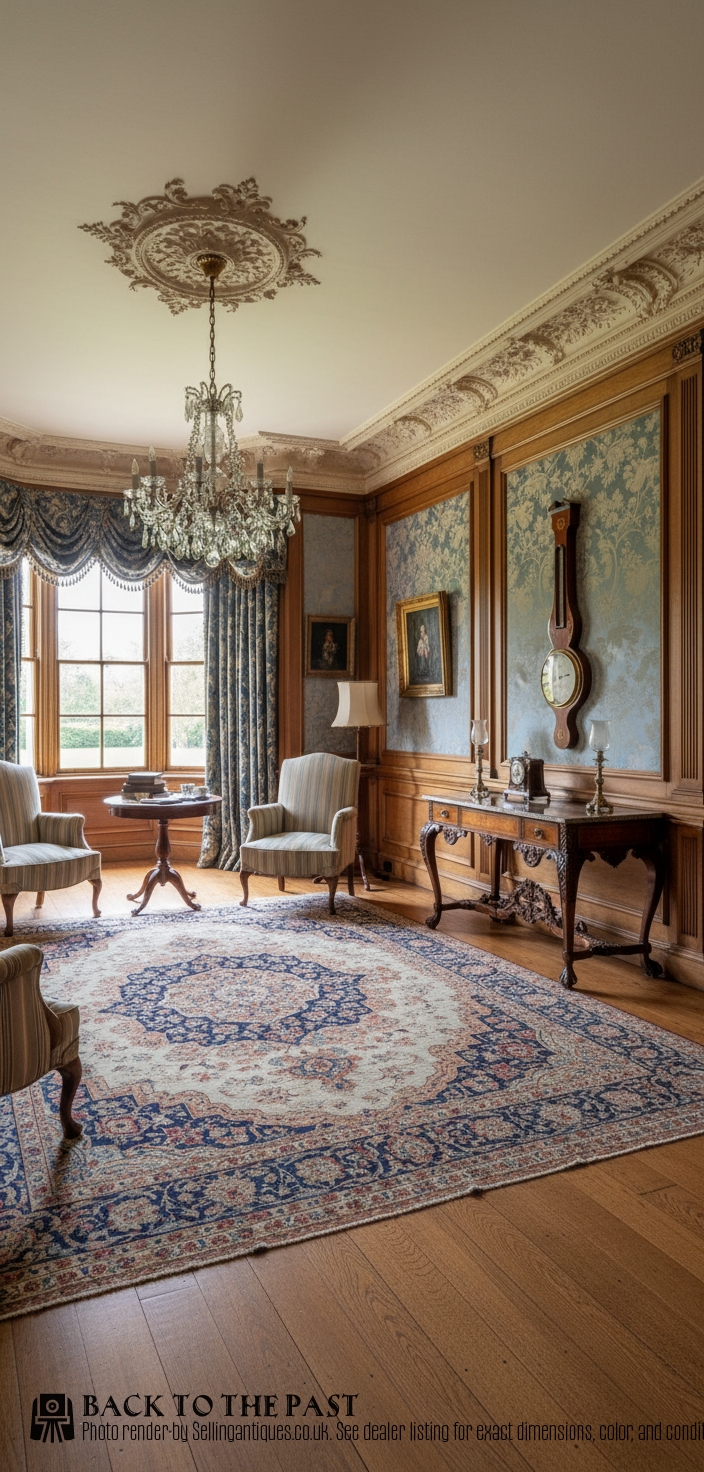
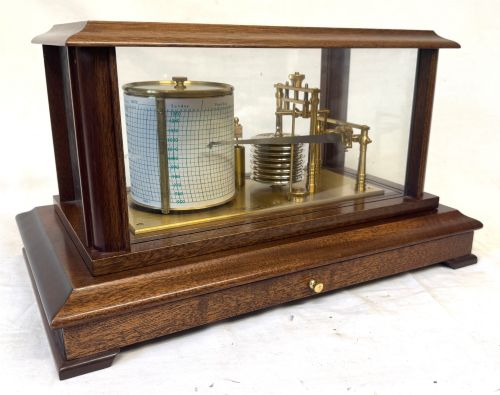
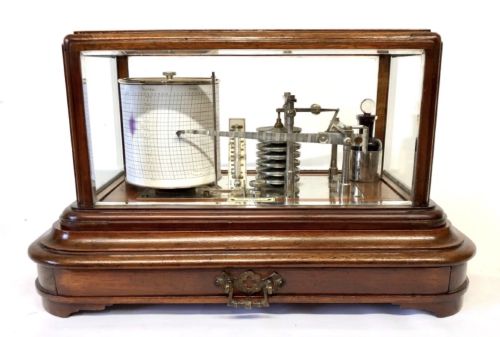
Antique George III Quality Mahogany Banjo Barometer, 18th Century
Priced at £1,185 from London City Antiques
The 2026 retail price guide for Antique Mahogany Barometers is drawn from a proprietary archive of over 1.1 million retail prices indexed by Sellingantiques since 2003. This guide relies exclusively on their own internal data; no external sources or auction records are used.
Analysing nearly 25 years of UK antique market history alongside current retail values, the data indicates that typical UK retail prices for Antique Mahogany Barometers range between £500 and £2,000. Entry-level prices generally fall under £500 and premium examples upwards of £2,000.
A glass cistern at the base holds the mercury supply for the main reading tube.
Swan neck or broken pediments top the case, often framing a central brass finial you'll want to inspect.
Check the additional instruments set into the neck. Most wheel styles include an alcohol thermometer and sometimes a hygrometer.
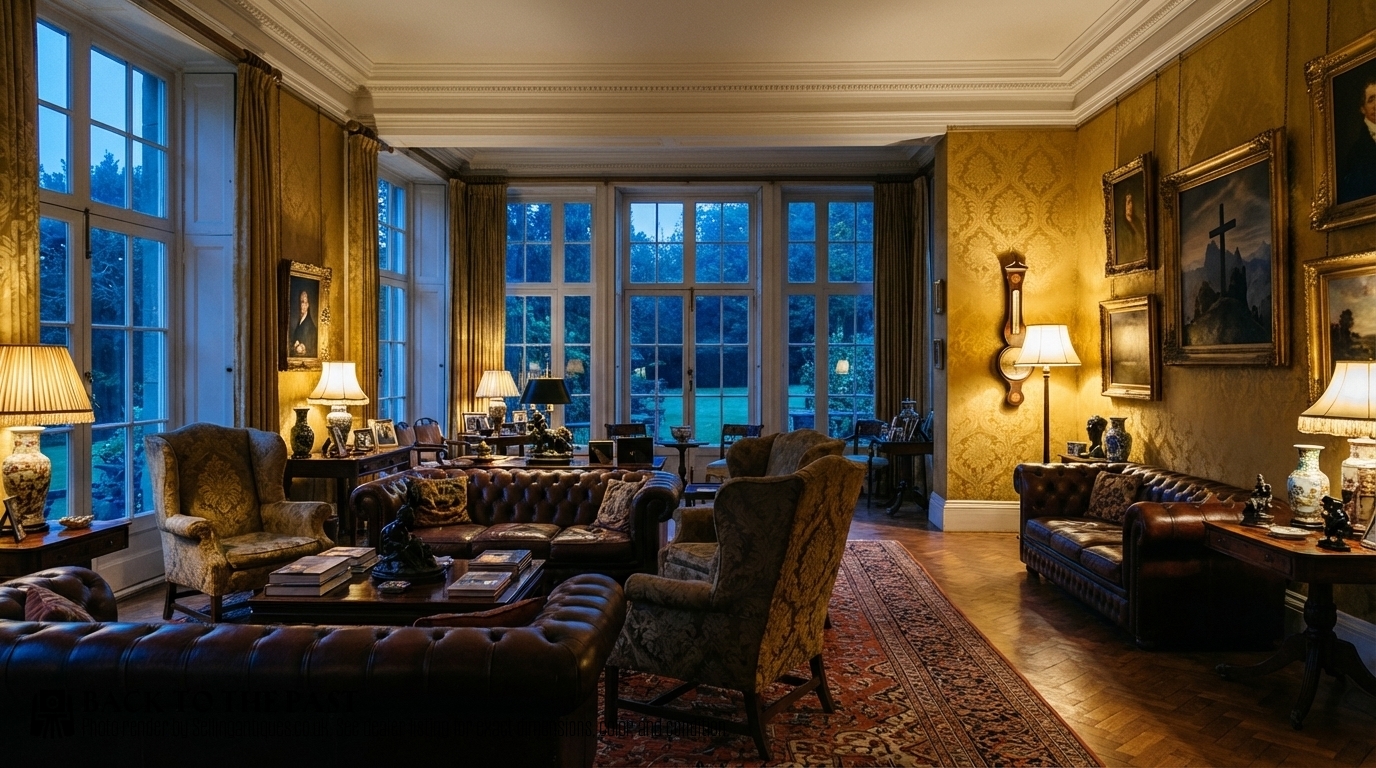
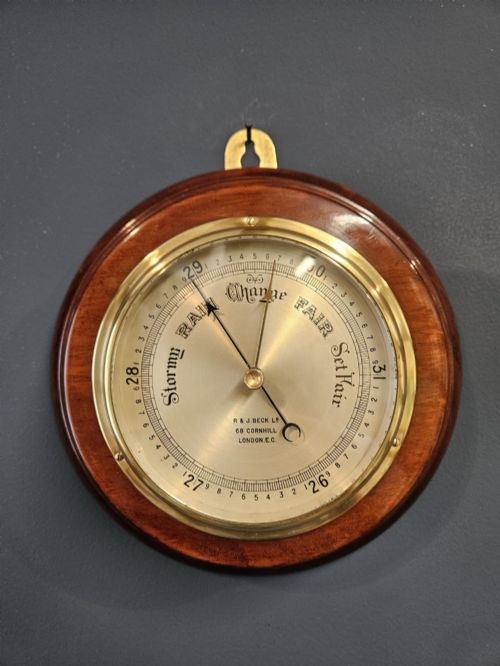
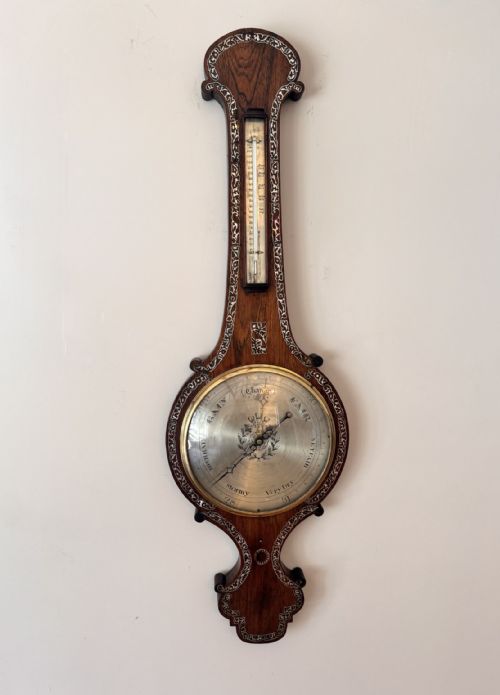
19th Century Mahogany Banjo Barometer, 19th Century
Priced at £820 from Mytton Antiques - Jerrard Nares
Early cases were built from solid timber before cabinetmakers shifted to using dense mahogany veneers over cheaper pine backboards.
Hand-blown glass tubes with sealed tops required specialist heat work to bend the u-shape at the bottom.
Notice the brass bezels holding the convex glass over the dial. These were cast and turned by hand to fit each specific case.
"The small ivory or bone knob at the base of a wheel barometer connects to a pulley system that turns the central hands."
"Hidden mechanisms exist. A small spirit level often sits at the very bottom to ensure the case hangs straight for accurate readings."
"Appreciate the boxwood and ebony shell motifs inlaid on many Georgian antique mahogany barometers."
Based on almost 25 years of Sellingantiques UK antique market data, Antique Mahogany Barometers appeared 780 times (out of 1,100,000 antiques) which gives it a rarity score of 86/100.
This score measures scarcity within the Sellingantiques archive only and is not a survey of the entire antiques market, so these statistics may not be indicative of the general availability of Antique Mahogany Barometers elsewhere.
Air sometimes gets trapped in the tube during transit. This breaks the solid column of mercury and causes inaccurate readings.
Restoring the column means tipping the case carefully to coax the air bubble out. A specialist handles this task best.
Most have a brass hanging loop at the top. Secure a sturdy hook into a wall stud or use a heavy masonry fixing.
Keep them away from direct heat sources. Radiators can warp the carcase and throw off the thermometer readings.
A light tap overcomes surface tension in the mercury tube.
It frees the internal float to settle at the current atmospheric pressure without damaging the instrument.
That is a hygrometer for measuring humidity. It relies on a piece of prepared oat beard that twists and untwists as moisture in the air changes.
The twisting moves a small needle across the dial. They rarely still work after two hundred years, but they finish the instrument panel nicely.
Please note: This Antique Mahogany Barometers guide and its associated pricing data are provided for general informational purposes only. It does not constitute formal financial, investment, or appraisal advice and should not be relied upon as the sole basis for any commercial activity, purchasing, or sales decisions. Sellingantiques.co.uk accepts no liability for any actions taken in reliance on this information. Always consult with a qualified professional or independent appraiser.
