





A 2026 Guide by Sellingantiques
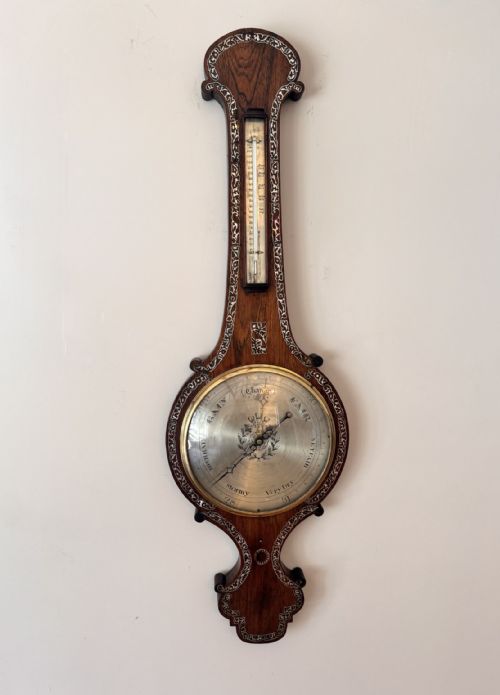
C19th Rosewood Mercury Barometer by Joseph Somalvico & Co, 19th Century
Priced at £895 from Fernyhough Antiques Ltd
Look to seventeenth-century Italy for the earliest experiments with atmospheric pressure.
They're known to have evolved from scientific novelties into domestic instruments by the Georgian period.
Antique mercury barometers eventually became standard fixtures in prosperous British hallways.
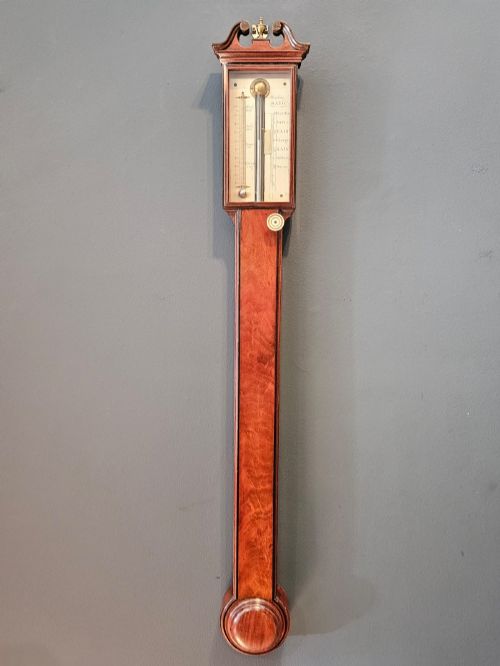
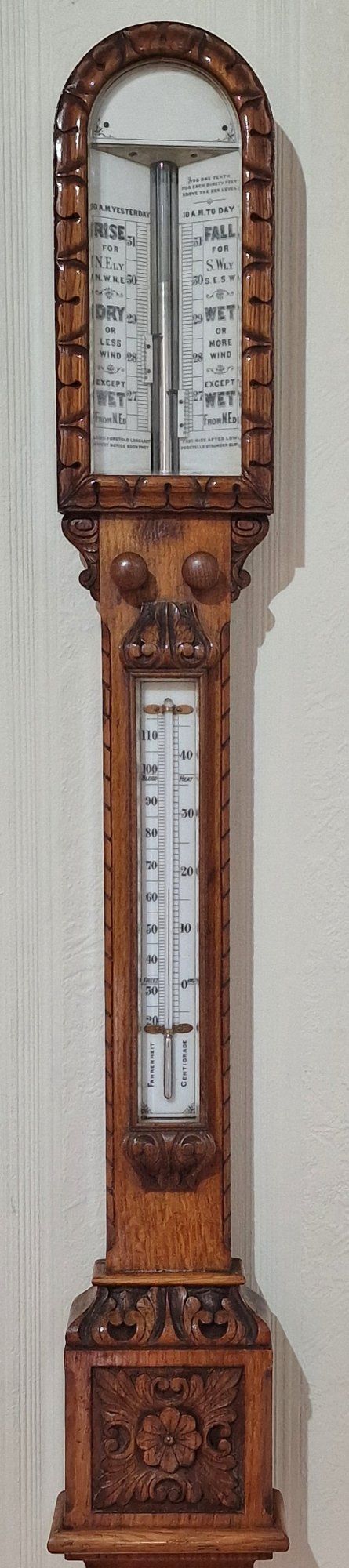
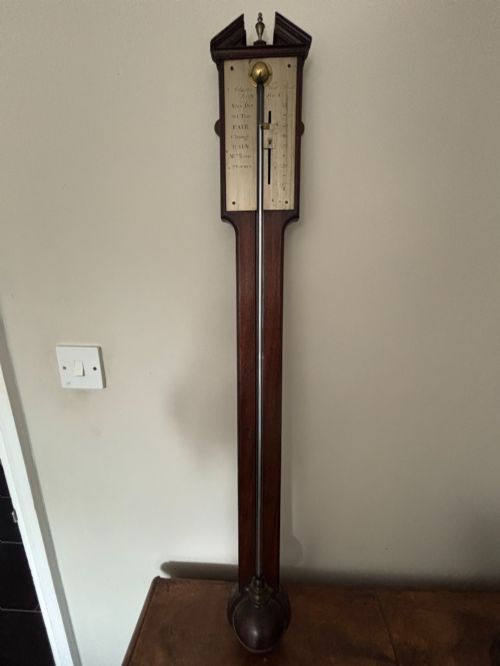
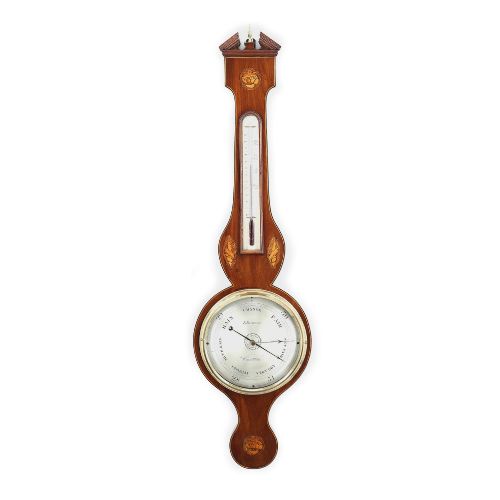
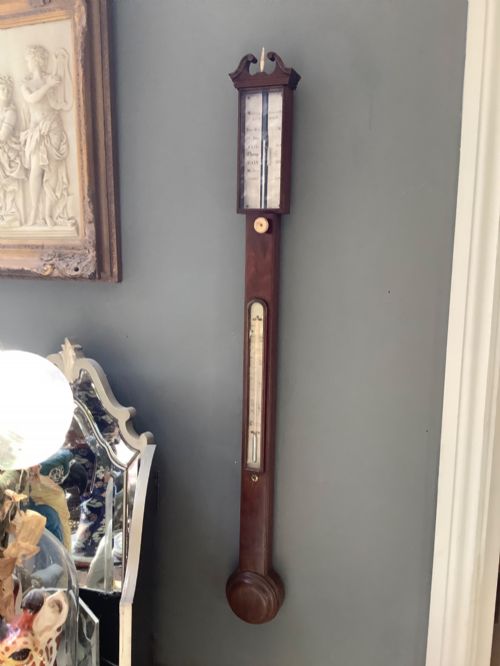
The stick form appeared first before wheel models gained popularity during the late eighteenth century.
Italian immigrants established major barometer workshops across England throughout the Victorian era.
Negretti & Zambra dominated the late nineteenth-century trade with their highly accurate weather instruments.
Earlier stick models occasionally bear the signature of Daniel Quare from the late seventeenth century.
The 2026 retail price guide for Antique Mercury Barometers is drawn from a proprietary archive of over 1.1 million retail prices indexed by Sellingantiques since 2003. This guide relies exclusively on their own internal data; no external sources or auction records are used.
Analysing nearly 25 years of UK antique market history alongside current retail values, the data indicates that typical UK retail prices for Antique Mercury Barometers range between £500 and £2,200. Entry-level prices generally fall under £500 and premium examples upwards of £2,200.
A visible glass cistern sits at the base to hold the liquid.
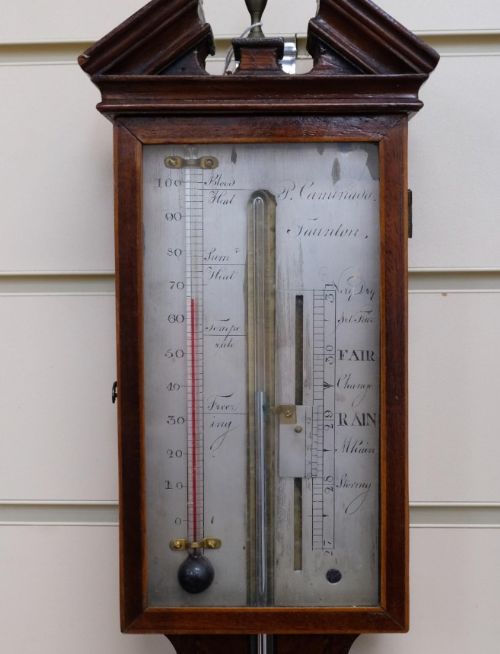
Find a sliding vernier scale positioned near the top to record daily changes.
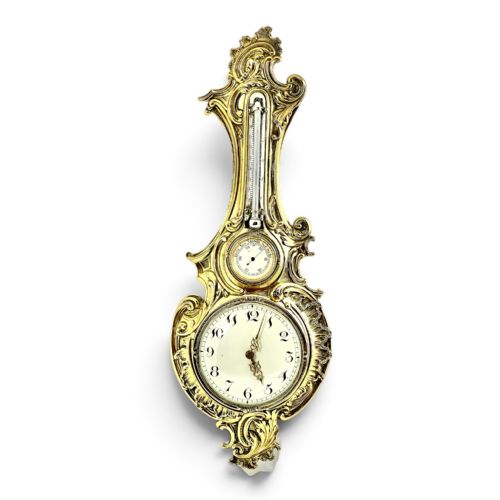
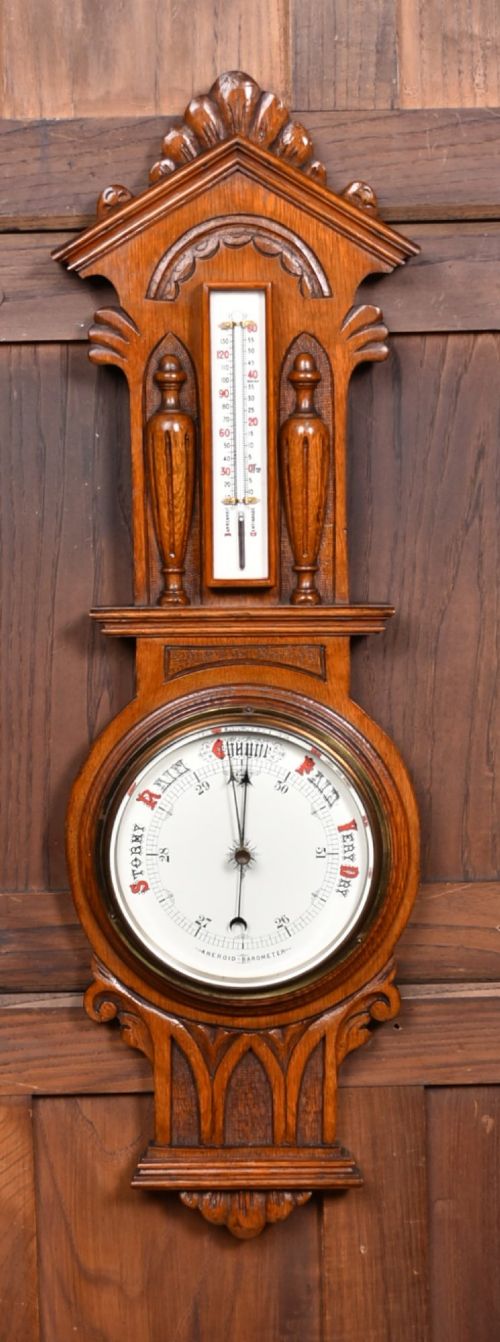
Many wheel types feature supplementary dials for thermometers or hygrometers.
Specialist glassblowers shaped the main internal tubes by hand over open flames.
Cabinetmakers employed crossbanded veneers to decorate the flat fronts of early cases.
Engraving the silvered plates required a skilled hand resting a sharp burin on copper.
"The liquid metal expands slightly in warmer rooms, which these instruments naturally handle."
"Regional workshops often shared casing templates while adding their own distinct dial flourishes."
"Some models include a carved wooden finial designed purely to balance the overall proportions."
Based on almost 25 years of Sellingantiques UK antique market data, Antique Mercury Barometers appeared 304 times (out of 1,100,000 antiques) which gives it a rarity score of 94/100.
This score measures scarcity within the Sellingantiques archive only and is not a survey of the entire antiques market, so these statistics may not be indicative of the general availability of Antique Mercury Barometers elsewhere.
You must keep the tube upright at all times. Don't tip the case. Tipping allows the heavy liquid to rush up the tube and smash the top glass.
Wrap the case in blankets. Keep the instrument vertical in the footwell of a car during transit.
The element is safely contained within the sealed glass tube and cistern. Normal use presents no risk to a household, provided the case remains attached to the wall.
Spills only occur if the glass breaks. Should a breakage happen, you need to clear up the droplets wearing gloves and dispose of them through local hazardous waste channels.
They react to atmospheric changes just as well today.
You read the current pressure and compare it to yesterday's position to forecast local shifts.
That operates the brass set hand on the dial face. You turn it to align with the main indicator hand.
Checking it the next day reveals whether the main hand has moved up or down. It acts as a mechanical memory for your last reading.
Please note: This Antique Mercury Barometers guide and its associated pricing data are provided for general informational purposes only. It does not constitute formal financial, investment, or appraisal advice and should not be relied upon as the sole basis for any commercial activity, purchasing, or sales decisions. Sellingantiques.co.uk accepts no liability for any actions taken in reliance on this information. Always consult with a qualified professional or independent appraiser.
