
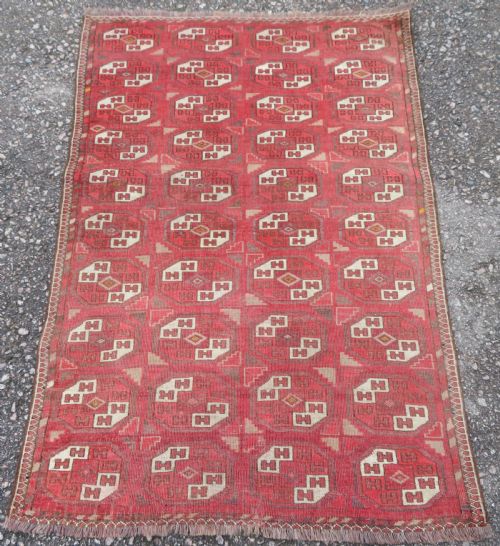
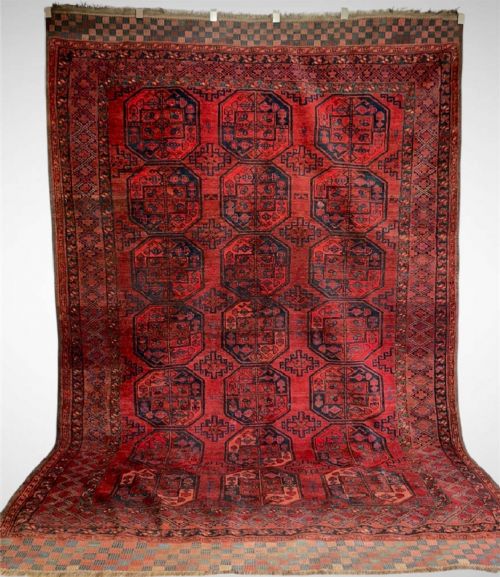


Wool Ersari Rug
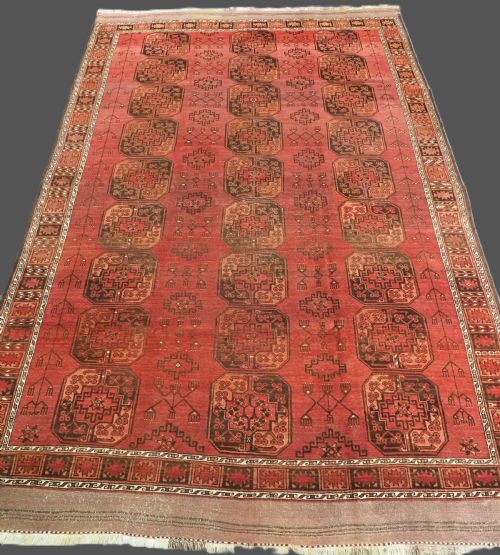
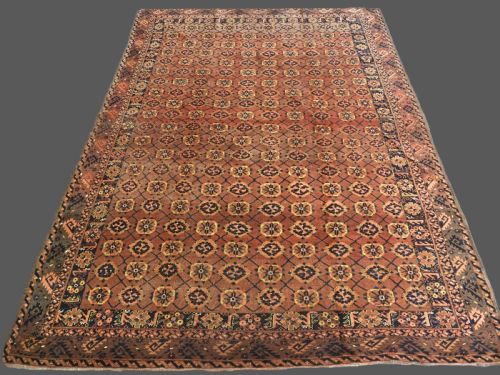
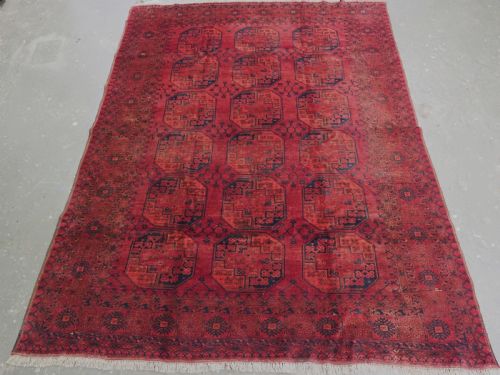
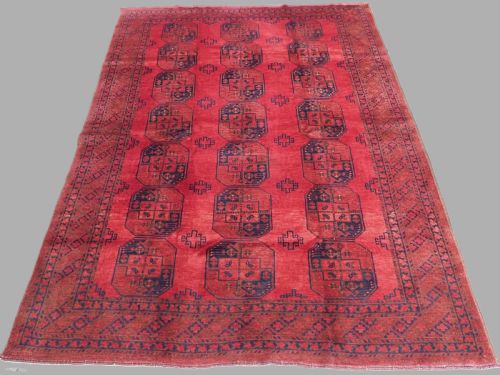
When you select a wool ersari rug, you bring home a piece of Central Asian tribal heritage defined by rich red tones and geometric guls.
Wool Ersari Rug
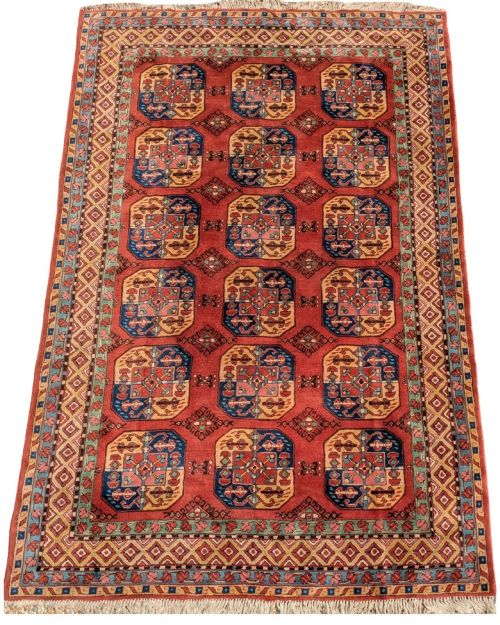
A wool ersari rug represents tribal weaving traditions from Central Asia, specifically originating from Turkmen and Afghan makers. These pieces span the nineteenth and early twentieth centuries, encompassing formats from large main carpets down to smaller utility items.
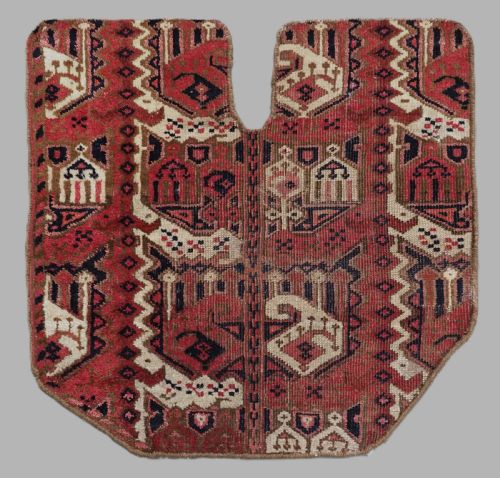
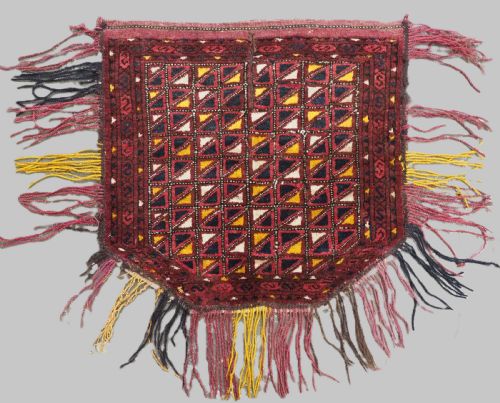
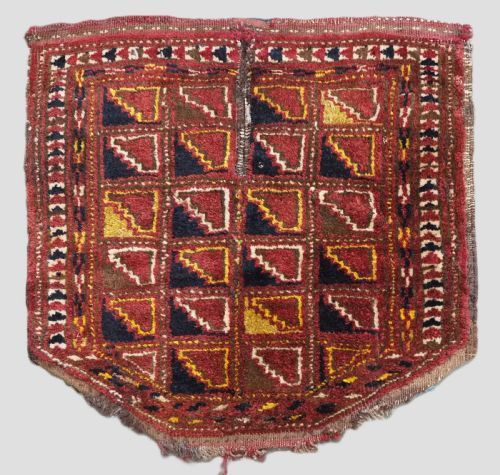
Buyers will encounter diverse formats across these listings, including large country house carpets, long runners, and smaller domestic items such as torba storage bags, saddle covers, kapunuk tent door hangings, and chuval faces. Many items display traditional gul motifs, ivory grounds, or specific regional designs associated with Beshir and Kizil Ayak groups.
The practical application of these textiles historically ranged from floor coverings in tents and houses to camel bags and door surrounds. Today, collectors utilise them as statement floor coverings or wall hangings that anchor a room with deep warmth.
What Varies In Quality
The distinction between standard examples and superior pieces rests largely in the handling of the wool and the depth of the natural dyes. Softer, finer wool combined with vibrant or nuanced colour palettes elevates an individual weaving.
Structural integrity and the survival of original details, such as tassels, complete backs, and tent hanging fixtures, separate well-preserved textiles from heavily altered examples. The complexity and precision of the tribal gul design or pictorial elements also indicate the weaver's skill.
Several antique saddle covers survive with their original tassels intact, ready for a camel that has long since retired.
The Wool Ersari Rug Glossary
- Gul
- A repeating medallion or octagonal motif central to Turkmen and Ersari design. These geometric patterns often identify the specific tribal group or sub-tribe that created the weaving.
- Torba
- A small storage bag or wall hanging produced by nomadic weavers. They commonly feature highly detailed geometric faces and were traditionally used inside tents for household storage.
- Kapunuk
- A specialised tent door rug or portiere hanging designed to frame an entrance. These architectural textiles often display intricate decorative panels and hanging flaps.
- Chuval
- A large tent bag utilised for storing bedding and household goods. Collectors prize these pieces for their expansive layouts of multiple guls.
- Beshir
- A regional style associated with Ersari weavers noted for distinct ikat-inspired patterns, prayer designs, and varied palette choices. These rugs diverge from strict tribal geometry into more fluid motifs.
Wool Ersari Rug: Frequently Asked Questions
How were these rugs originally used?
Nomadic and village weavers produced these textiles for daily functional utility inside tents and traditional houses. Large carpets covered the earthen or felt-lined floors, while smaller bags and covers stored household belongings.
Specialised pieces served specific architectural or transport roles, functioning as door surrounds or animal trappings on horses and camels.
What is a gul design?
A gul is a repeating octagonal medallion pattern used extensively in Central Asian tribal weaving. Different tribes and clans utilised distinct gul variations to signify their specific lineage.
Recognising these geometric motifs helps collectors identify the origins and period of individual carpets and torbas.
How do I care for an antique rug?
Protect antique textiles by placing them in areas away from direct, harsh sunlight to preserve the natural dyes. Regular gentle vacuuming without a rotating brush roll prevents dust accumulation in the wool pile.
Rotate the rug periodically to ensure even wear patterns from foot traffic and furniture placement.
How do I date an antique weaving?
Dating relies on assessing the quality of the hand-spun wool, the composition of the natural dyes, and the structural weave density. Earlier nineteenth-century examples typically show softer colour integration and specific tribal wool characteristics compared to twentieth-century pieces.
The presence of original finishes, such as tassels and complete backs, also assists in determining the age and authenticity of the textile.