


Wooden Chime Clock
A wooden chime clock brings precise mechanical movement and resonant sound together inside a fitted timber case.
Wooden Chime Clock
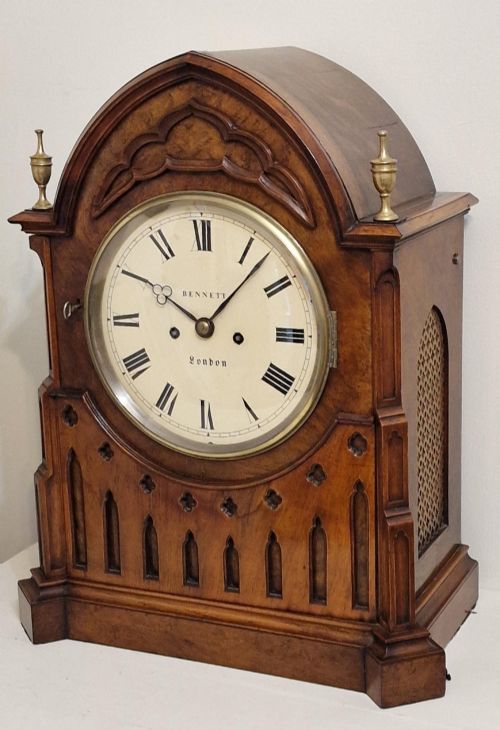
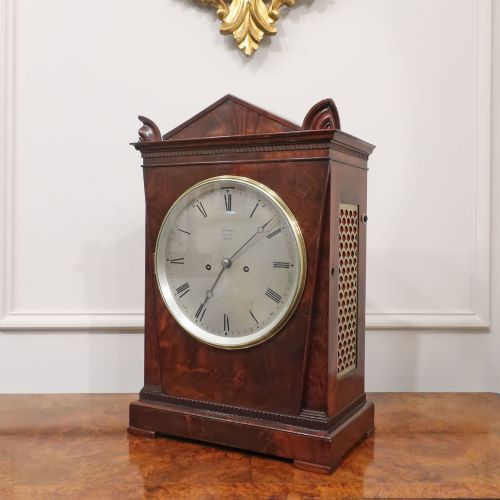
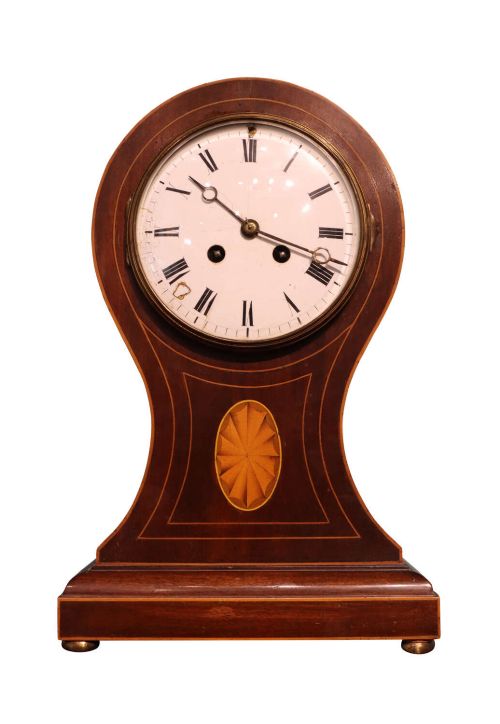
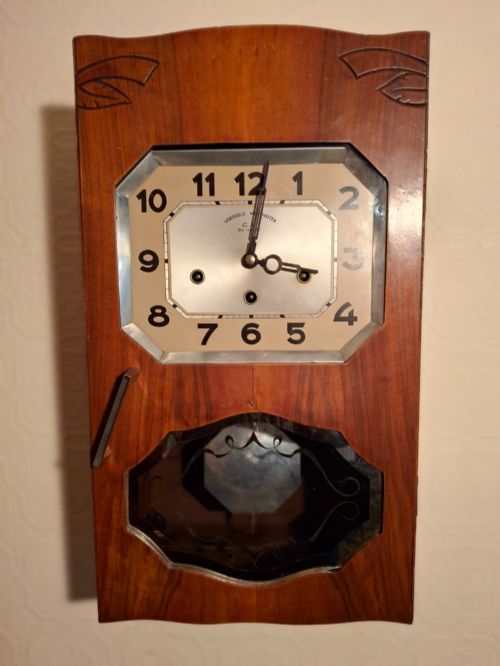
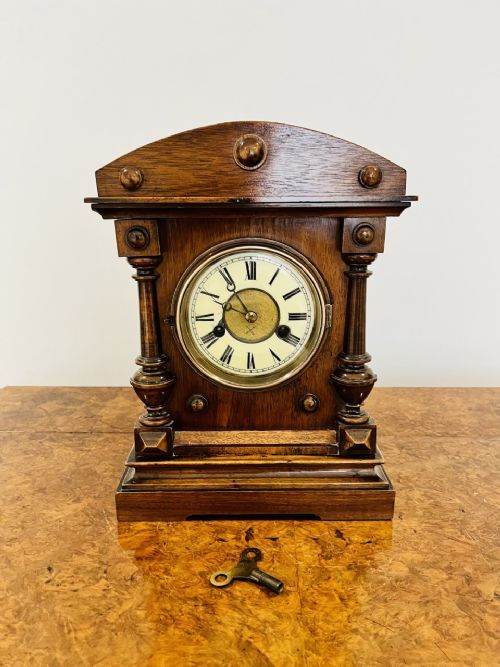
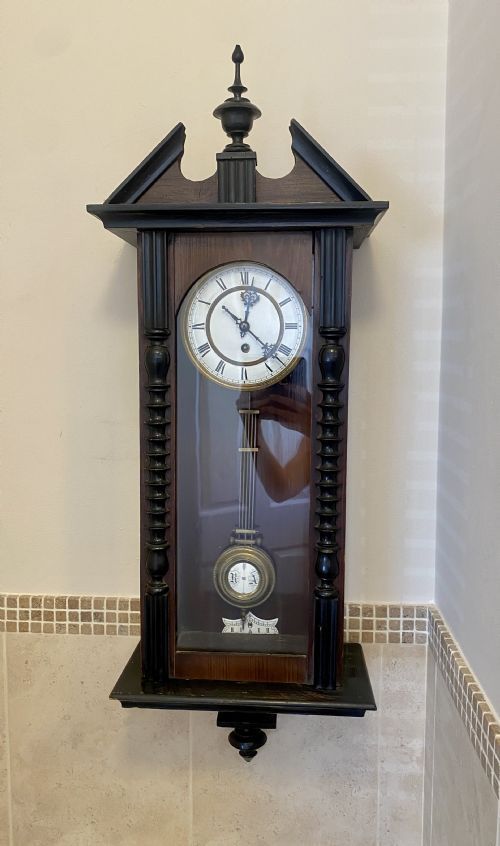
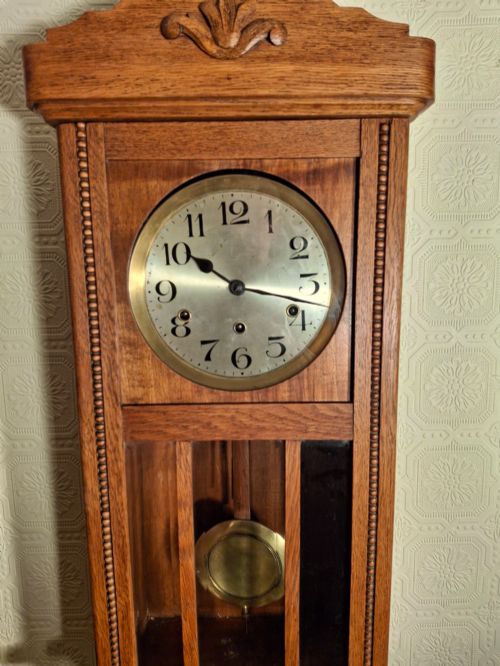
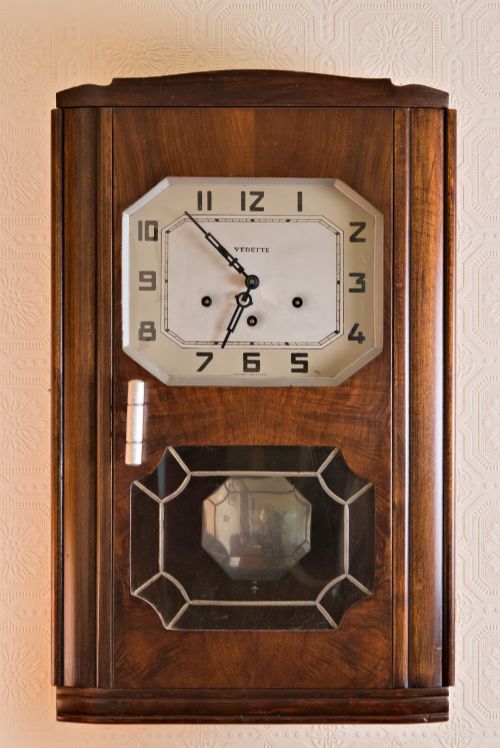
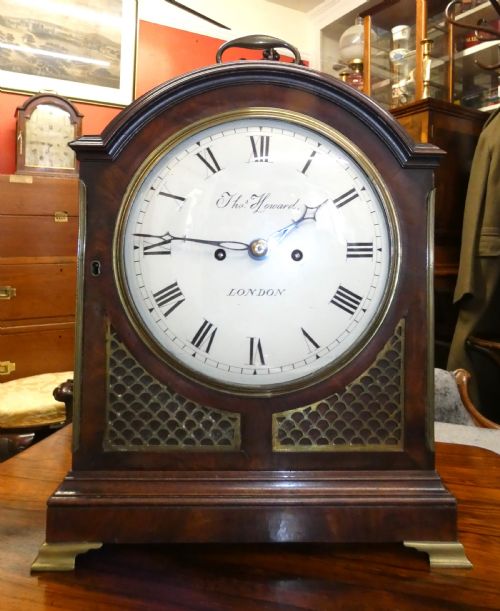
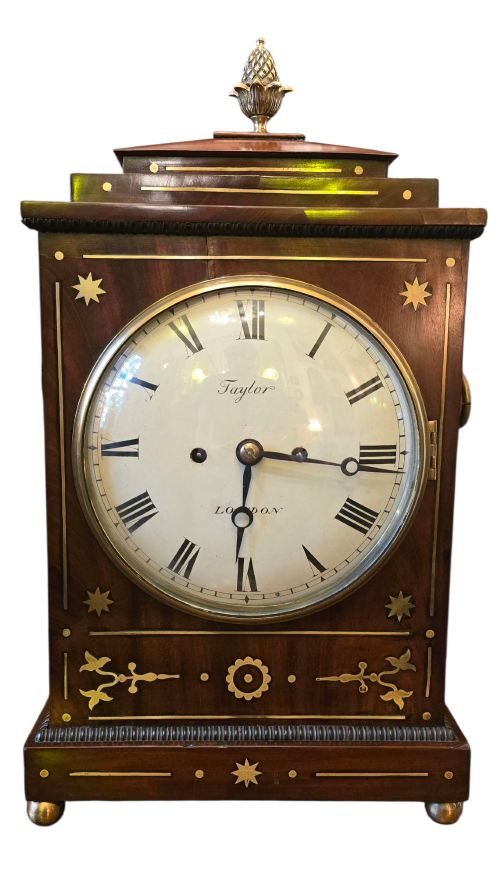
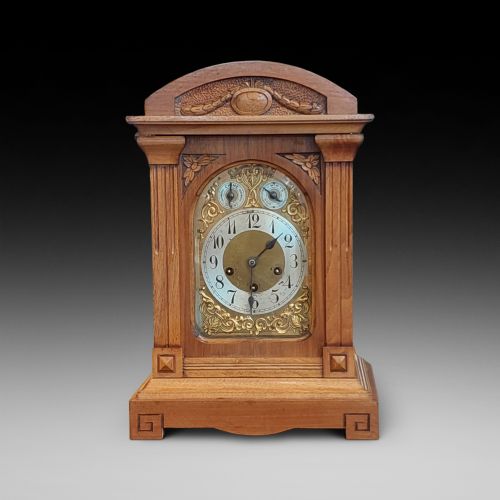
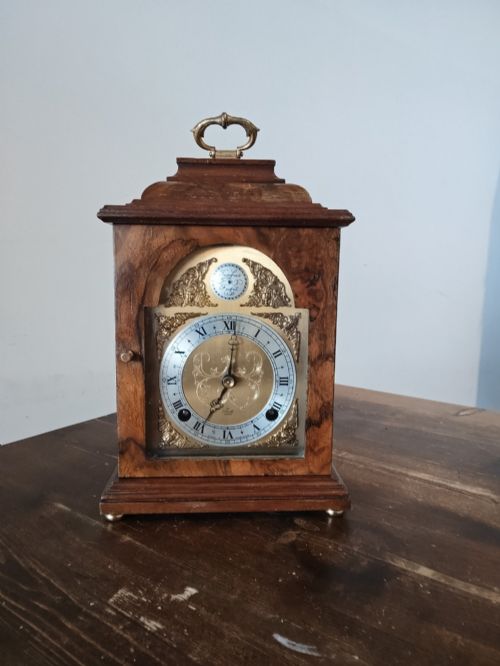
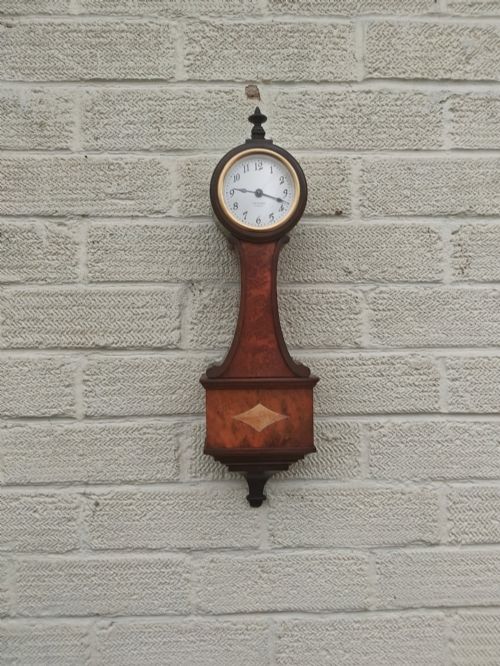
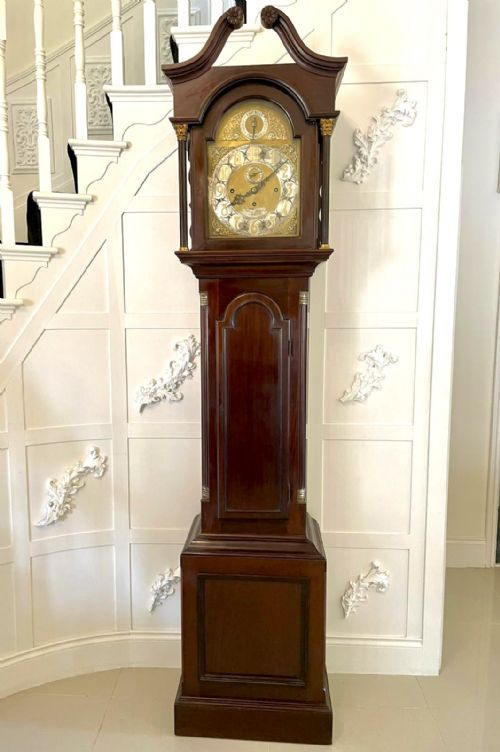
A wooden chime clock covers a broad group of timepieces housed in timber cases, including wall-hung dials, bracket clocks, mantel clocks, and tall case grandfather clocks. The pieces you encounter most often on this page span the Victorian, Edwardian, and Art Deco periods, drawing on Georgian and Regency forms.
Makers housed these movements in cases shaped from various woods such as mahogany, walnut, and golden oak, often fitted with glass panels and brass dials or bezels. The examples listed here range from small desk and table models to imposing longcase clocks.
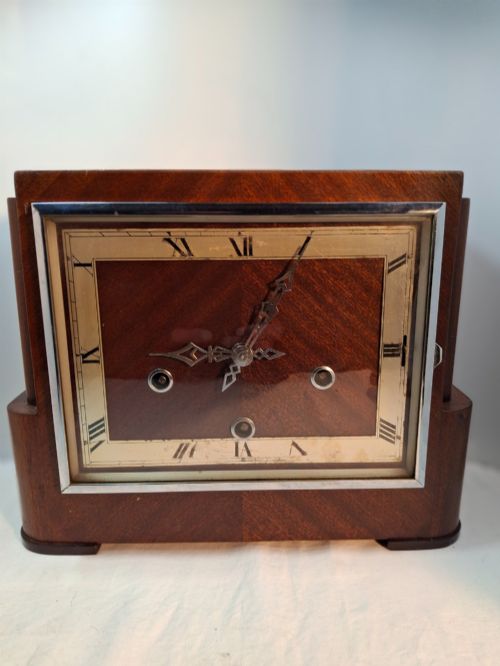
The architectural styles vary from classical Georgian mahogany bracket designs to ornate Victorian walnut cases and streamlined Art Deco wall pieces. Each variation reflects the prevailing taste of its decade, from intricate carving to clean geometric lines.
Materials and construction
Clockmakers built these timber housings using solid and veneered woods, selecting mahogany, walnut, oak, and burr walnut for their grain and stability. Cases were constructed with fitted glass windows to display the dial and movement, complemented by brass bezels, handles, and cast feet.
The internal movements combined brass plates and wheels with steel arbors and springs or weights, driving striking mechanisms and chime rods. Dials utilised enamel, brass, or painted metal, marked with Arabic or Roman numerals and paired with delicate hands.
Wooden Chime Clock Retail Price Guide 2026
Typical asking prices for wooden chime clock among the pieces listed under this phrase on Sellingantiques today, from the lower quarter to the upper quarter. They describe what is for sale here now, not the wider market.
Judging quality in a wooden chime clock
The standard of a timepiece rests on the precision and finish of the internal movement, particularly the craftsmanship of makers who signed their dial plates or backplates. Superior examples feature complex chiming mechanisms, such as multiple gongs or bells, operating with smooth mechanical reliability.
Cabinetwork distinguishes the finer pieces, seen in the selection of figured burr veneers, crisp carving, and well-fitted doors with original glass and brass hardware. The integration of the wooden case with a clear, resonant acoustic chamber elevates the overall construction.
Taylor of London·Thomas Howard·H.A.C.·Seth Thomas·Winsor Bishop Norwich·Charles Pratt London·Vedette·Haller·Winterhalder and Hofmeier·Mappin and Webb·Cording of London·Garrards
The Wooden Chime Clock Glossary
- Bracket clock
- A portable clock originally designed to sit on a wall bracket or a table. These pieces usually feature a carrying handle on top and a glass-fronted door.
- Fusee
- A conical pulley inside a clock movement that ensures even tension on the gear train as the mainspring unwinds. This device helps maintain consistent timekeeping accuracy.
- Longcase clock
- A tall pendulum clock housed in a tall wooden case standing directly on the floor. These are frequently referred to as grandfather or grandmother clocks depending on their height.
- Westminster chime
- A melodic sequence of four notes played on quarters of the hour, named after the chime pattern of the clock tower at the Palace of Westminster. It remains a common sound in twentieth-century striking clocks.
Wooden Chime Clock: Frequently Asked Questions
How do I wind a wooden chime clock?
Most spring-driven models require a key inserted into winding holes on the dial face to tension the mainsprings. Care must be taken not to overwind the mechanism.
Weight-driven longcase clocks are wound by pulling the chains or cords to raise the hanging weights back up inside the case.
Why does the clock chime incorrectly?
The striking train can get out of sequence with the time if the minute hand is moved backward or if the clock stops running down completely. Allowing the chime to finish its sequence or resetting the hands usually corrects the issue.
Environmental shifts in temperature and humidity can also affect the internal levers and the release mechanism of the chime train.
Where should I place a chime clock?
These clocks perform best on stable, level surfaces or securely fixed to solid walls away from direct sunlight and damp conditions. A stable placement ensures the pendulum swings evenly and the escapement ticks consistently.
Placing the clock in a room where the acoustic resonance can be appreciated allows the chime to sound clearly without distortion.
How do I distinguish an Art Deco chime clock from a Victorian one?
Victorian examples rely on dark walnut or mahogany with carved details, architectural pillars, and ornate brass mounts. They lean towards traditional revival styles and heavier ornamentation.
Art Deco pieces utilise geometric shapes, streamlined silhouettes, and contrasting veneers such as burr walnut, reflecting the design trends of the 1930s.