





Retro Wooden Wall Clock
A retro wooden wall clock brings genuine mid-century and earlier character to a room through rich timber grains and striking dials.
Retro Wooden Wall Clock
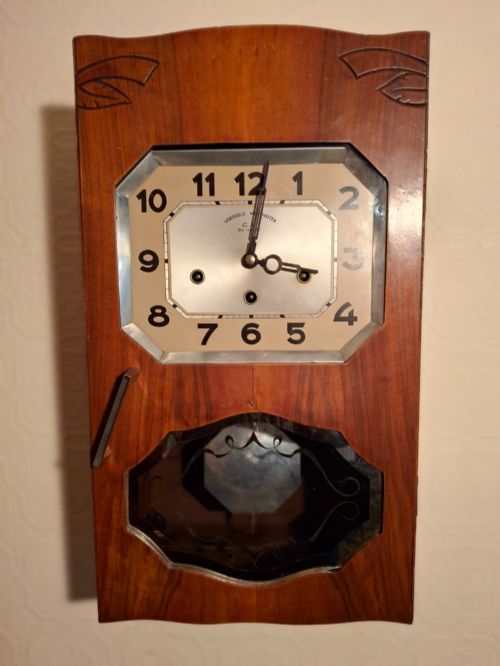
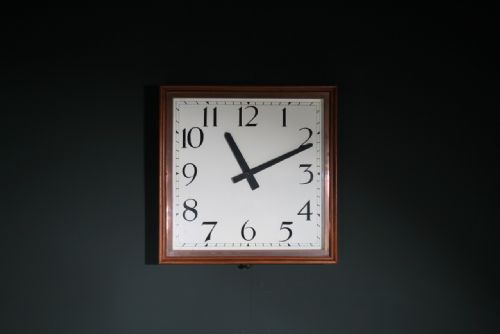
A retro wooden wall clock spans several decades of craftsmanship, appearing frequently in forms influenced by Art Deco and industrial design. These pieces combine functional timekeeping with warm timber cases, ranging from English octagonal formats to continental striking clocks.
The materials visible across these objects include walnut, oak, elm, glass, brass, copper, and chrome. Buyers encounter French carillon models, Japanese Tokyo wall clocks, and English examples originating across the 1920s, 1930s, 1940s, and 1950s.
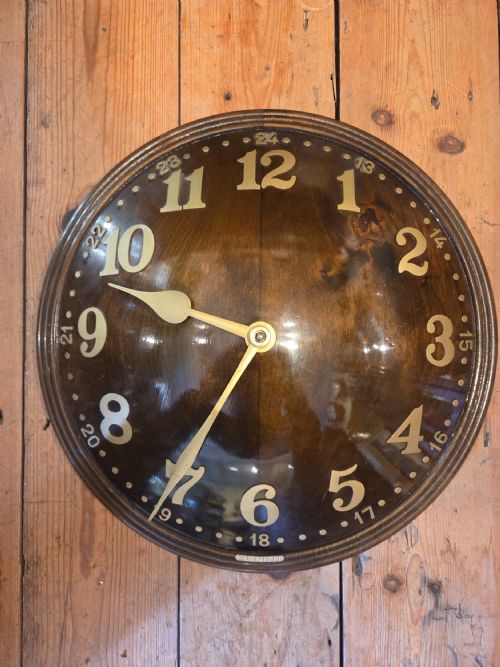
Many items feature notable mechanical variations such as Westminster chimes, 24-hour dials, or automation. Each piece offers a distinct aesthetic derived from its manufacturing decade and regional origin.
How a retro wooden wall clock was made
Cases are constructed from solid and veneered timbers such as walnut, oak, and elm, shaped into octagonal or streamlined geometric silhouettes. Cabinetmakers utilised traditional joinery to house heavy mechanical movements securely within the wooden frames.
Metal components in brass, copper, and chrome appear on bezels, pendulum bobs, and dial surrounds to contrast with the dark wood. Glazed doors protect the paper, metal, or painted clock faces from dust while allowing clear visibility of the hands.
Retro Wooden Wall Clock Retail Price Guide 2026
Typical asking prices for retro wooden wall clock among the pieces listed under this phrase on Sellingantiques today, from the lower quarter to the upper quarter. They describe what is for sale here now, not the wider market.
One Japanese Tokyo wall clock bears a trade mark intended to confuse buyers into thinking it came from Birmingham.
What varies in quality
The sophistication of the movement largely determines the standing of a piece, with striking mechanisms and carillon chimes representing more complex engineering than basic time-only models. Specialised dial configurations, such as twenty-four-hour layouts or signed French movements by makers like Odo, elevate the horological interest.
Cabinet construction and timber selection also divide standard production from finer examples. Richly figured walnut or elm cases with clean geometric lines display a higher degree of design intent than simpler utilitarian boxes.
Zenith·Odo·Vedette
The Retro Wooden Wall Clock Glossary
- Art Deco
- A design style spanning the 1920s and 1930s characterised by sleek geometric shapes, stylised motifs, and modern industrial influences. It manifests in the stepped wooden cases and angular numerals of many period timepieces.
- Carillon
- A set of bells tuned to play a melody, often found in striking clocks from the mid-twentieth century. This mechanism delivers musical chimes on the quarter-hour alongside standard hour strikes.
- Westminster
- A traditional four-note chime sequence originating from the clock tower at the Houses of Parliament. Movements featuring this function play the familiar melodic sequence before the hour count.
- Bezel
- The metal ring that holds the glass protecting the clock face in place. On these wall clocks, bezels are frequently fashioned from polished brass, copper, or chrome.
- Octagonal
- A geometric eight-sided shape utilised frequently for the outer wooden frames of English wall clocks. This format provides a balanced, architectural appearance on domestic walls.
Retro Wooden Wall Clock: Frequently Asked Questions
How do I wind a mechanical wall clock?
Mechanical wall clocks utilise a key inserted into holes on the dial to tension the internal springs or lift weights. Care must be taken not to over-wind the movement.
Consulting the specific requirements of the clock ensures the mechanism maintains accurate time without placing undue stress on the internal gears.
What periods do these wooden wall clocks cover?
The pieces span the 1920s, 1930s, 1940s, and 1950s, encompassing both interwar Art Deco designs and post-war utilitarian or industrial styles.
Each decade brought distinct aesthetic shifts in timber choice, dial typography, and case geometry.
Where were these wall clocks manufactured?
Production origins documented in this category include England, France, Japan, and Italy, reflecting international trade and regional horological traditions.
French workshops frequently produced walnut carillon clocks, while English makers favoured substantial oak and walnut octagonal formats.
How do I hang a heavy wooden wall clock?
Due to the solid timber cases and metal movements, these clocks require secure fixing directly into wall studs or appropriate masonry anchors.
Hanging the piece securely prevents vibrations that can disrupt the pendulum beat and ensures the clock remains level for consistent timekeeping.