





Art Deco Pendulum Clock
An art deco pendulum clock brings geometric lines and striking movement into a room, offering the exact blend of mechanical precision and period design collectors seek.
Art Deco Pendulum Clock
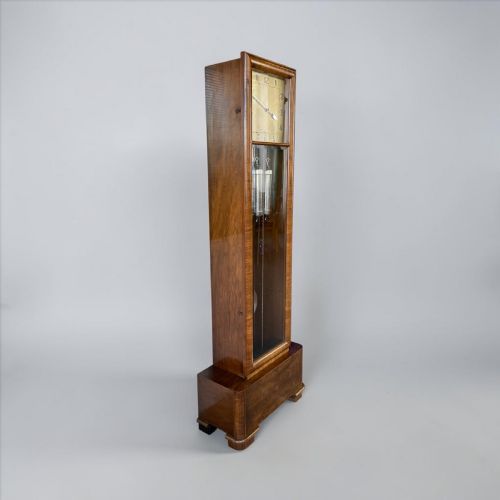
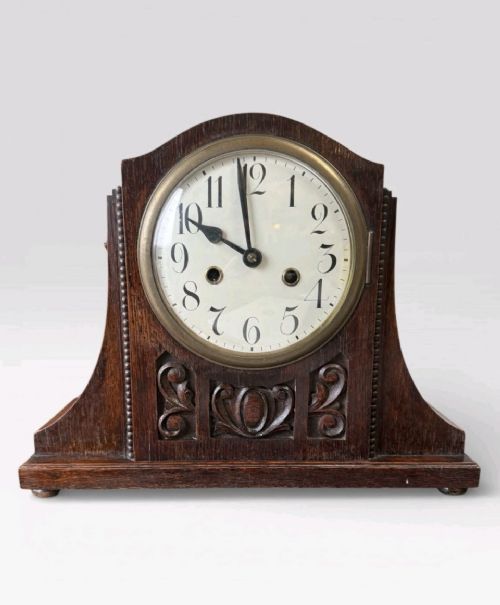
When you search for an art deco pendulum clock, you encounter striking wall clocks, mantel clocks, and longcase clocks dating from the nineteen twenties through to the nineteen fifties. The walnut and oak wall clock versions dominate the selection, often featuring mechanical or electric movements housed in architectural wooden cases.
Makers and regional styles shape the choices available on this page, ranging from French wall clocks by Vedette and Girod to German Black Forest longcase clocks. Oak, walnut, and mahogany form the primary wooden structures, frequently paired with glass, brass, chrome, and steel elements.
Materials and construction
Cabinet makers utilised solid woods and veneers including golden oak, dark walnut, and mahogany to build the substantial cases for these timepieces. Metal components in brass, chrome, and steel provide structural contrast and decorative framing around dials and glass panels.
Movements span traditional mechanical striking mechanisms and early electric systems like Bulle and Favre-Bulle designs. French carillon systems and pendulum suspensions drive the chimes and timekeeping across wall and longcase formats.
One electric skeleton clock bears the dual signatures of Maurice and Marcel Moulin, proving that even clocks need a double act.
Qualities that set pieces apart
The sophistication of the timber grain and the complexity of the case architecture elevate certain examples above standard production models. Walnut veneers with rich figuring and oak cases showing deliberate geometric carving demonstrate superior craftsmanship.
The presence of named makers such as Vedette, Girod, or Maurice & Marcel Moulin distinguishes standard clocks from those with documented workshop provenance. Movement complexity, from simple timepieces to Westminster carillon chimes and electric systems, further defines the tier of the object.
Maurice & Marcel Moulin·Charvet·Vedette·Girod·Favre-Bulle
The Art Deco Pendulum Clock Glossary
- Art Deco
- A design style emerging in the nineteen twenties characterised by sleek geometric shapes, stylised motifs, and modern industrial materials. It represents a sharp departure from earlier organic revival styles.
- Carillon
- A set of bells tuned to play a melody, often incorporated into the striking mechanism of wall clocks. These systems produce melodic chime sequences on the quarter hour.
- Longcase Clock
- A tall floor-standing timepiece, also known as a grandfather clock, enclosed in a wooden case that houses the pendulum and weights. They serve as prominent architectural furnishings in domestic interiors.
- Mantel Clock
- A smaller portable clock designed to sit on a fireplace mantelpiece or shelf. These pieces balance decorative case work with compact mechanical movements.
Art Deco Pendulum Clock: Frequently Asked Questions
What powers these clocks?
These timepieces rely on either traditional mechanical movements requiring manual winding or early electric systems developed during the period. The mechanical versions use weights or mainsprings alongside a swinging pendulum.
Electric variants incorporate specialised battery-driven mechanisms such as Bulle patents. Both systems require careful setting to ensure accurate timekeeping.
Where should I place a wall clock?
Wall-mounted timepieces require a secure fixing to support the weight of wooden cases and internal mechanical components. Hanging them on a solid interior wall prevents vibrations from interfering with the pendulum swing.
Positioning them at eye level allows easy access for winding mechanical movements or viewing the dial. Ensure adequate clearance below the case for any visible pendulum or drop weights.
How do I identify the period?
Dating relies on stylistic clues within the woodwork, dial typography, and mechanical technology used in the construction. Pieces from the nineteen twenties often show transitional Art Nouveau influences alongside early geometric forms.
Later examples from the nineteen thirties and forties adopt strict Streamline Moderne and modernist lines. Maker signatures and patent stamps on the movement plates provide further chronological markers.
Are electric models difficult to maintain?
Early electric movements from makers like Bulle utilise delicate contact points and magnetic coils rather than traditional springs. These systems require clean electrical connections and correct battery voltage to function reliably.
Specialist clock restorers familiar with vintage electric technology can service the wiring and magnets. Regular inspection prevents corrosion on the delicate terminals inside the case.