
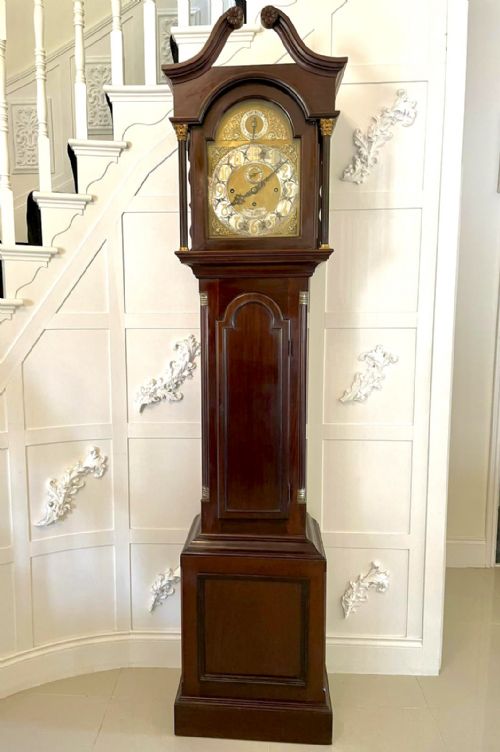
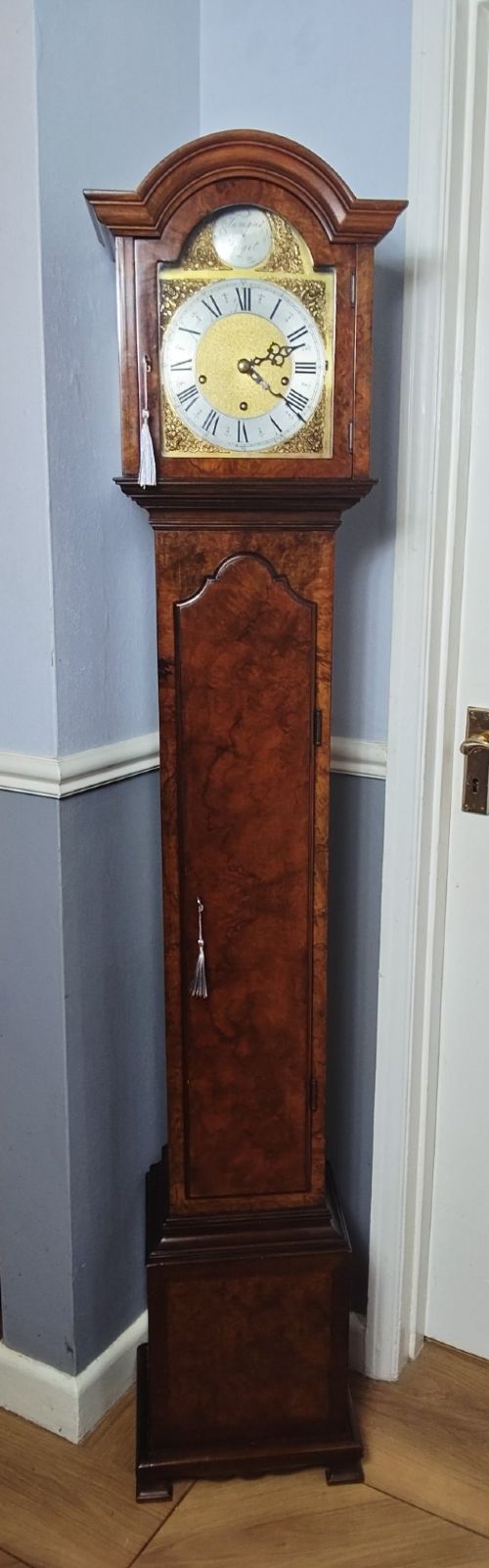
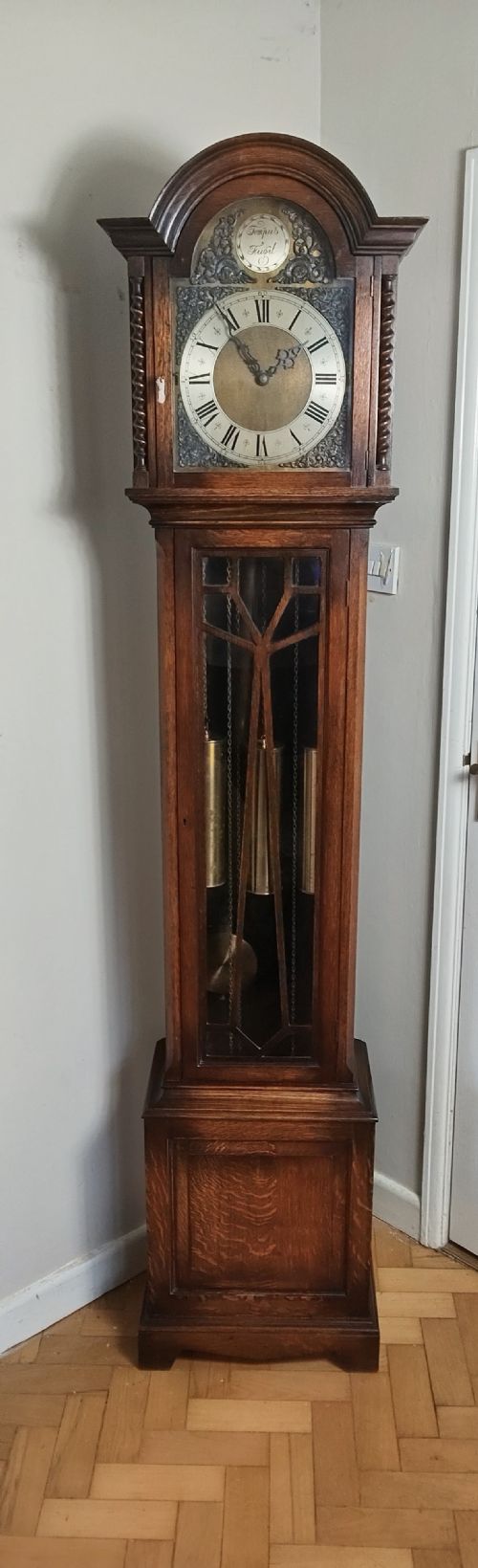

Chime Longcase Grandfather Clock
A chime longcase grandfather clock brings complex acoustic timekeeping to a room through mechanical bells, tubes or gongs housed within a tall wooden case.
Chime Longcase Grandfather Clock
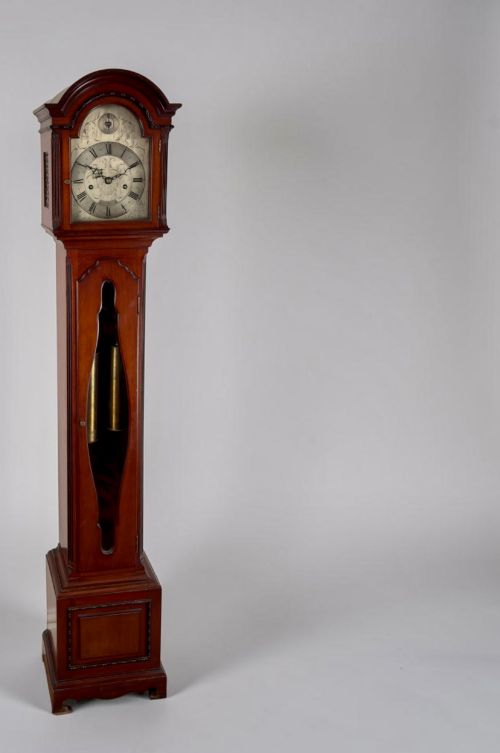
A chime longcase grandfather clock is a tall floor-standing timekeeper that sounds melodies or quarters using multiple weights or springs. When exploring this phrase, buyers encounter floor-standing clocks ranging from full-scale grandfather models down to more compact grandmother proportions.
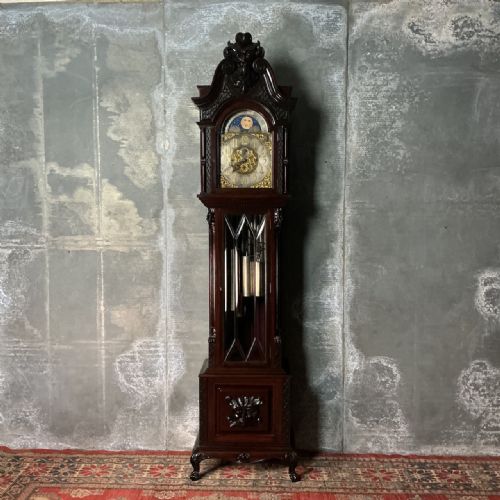
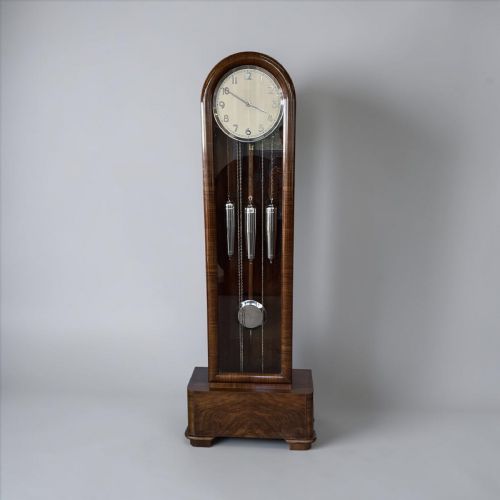
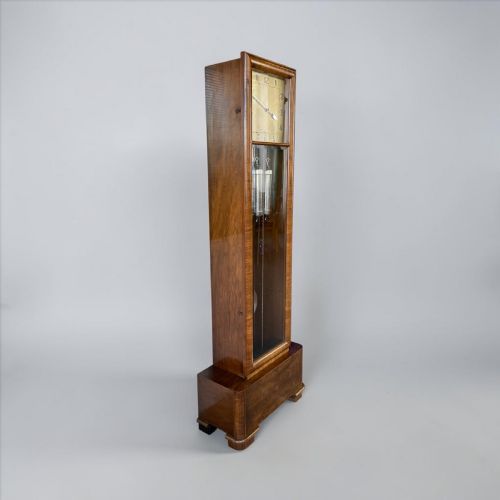
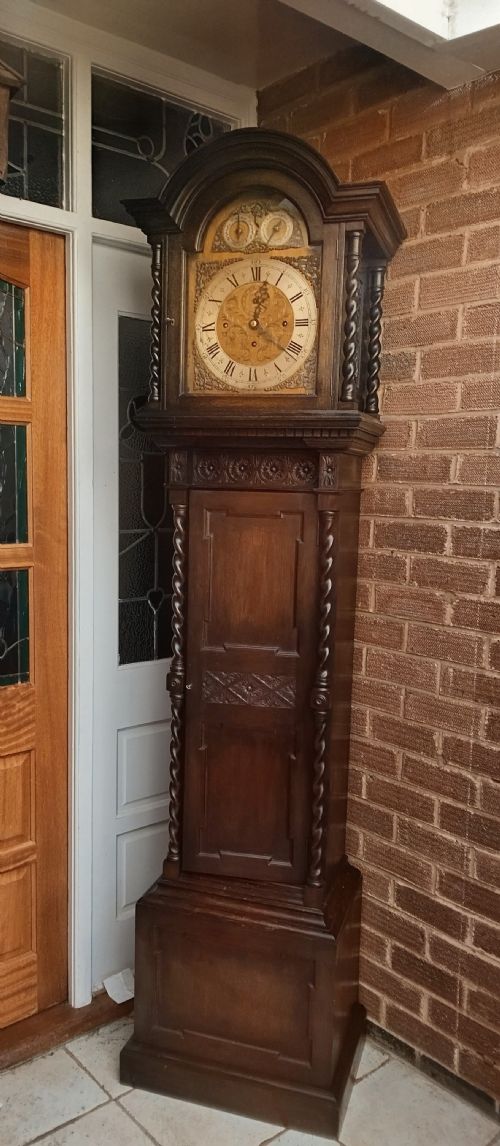
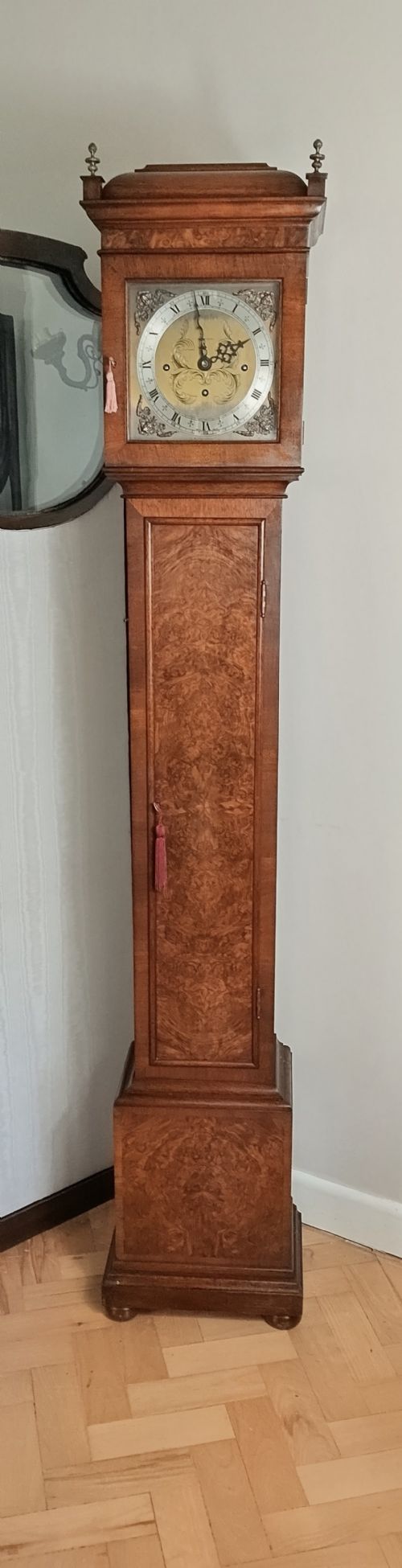
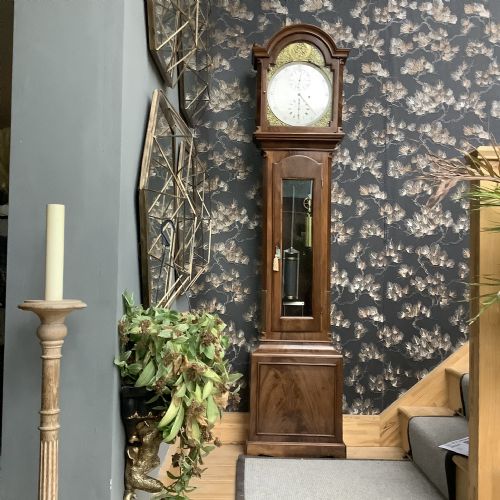
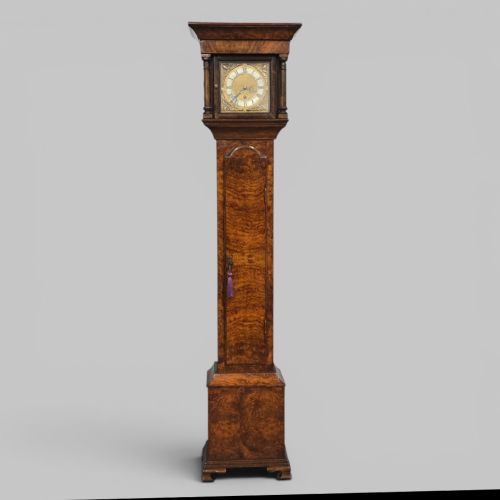
The selection here spans the Victorian era, the Edwardian period, and the 1920s to 1930s. Oak, mahogany, and walnut cases dominate the selection, often featuring glass-fronted doors and brass or silvered dials.
Most pieces date from the late nineteenth century through the interwar decades, reflecting an era when elaborate mechanical movements with multiple tunes or tube chimes became highly desirable for domestic interiors.
Materials and construction
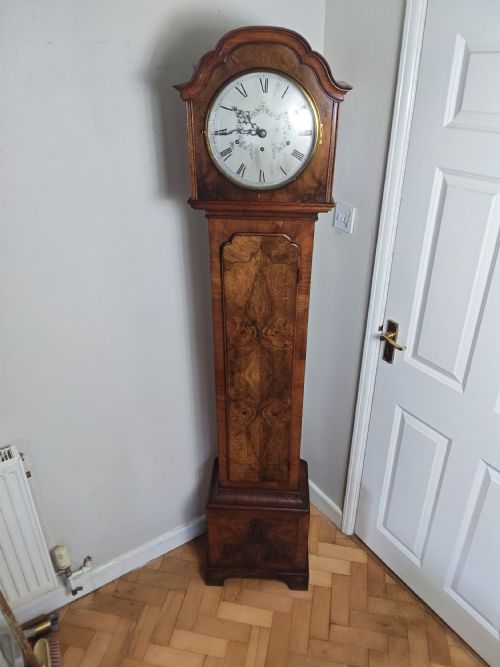
Clockmakers housed intricate brass movements inside robust timber carcasses constructed from oak, mahogany, or walnut, sometimes embellished with burr walnut veneers or satinwood inlay.
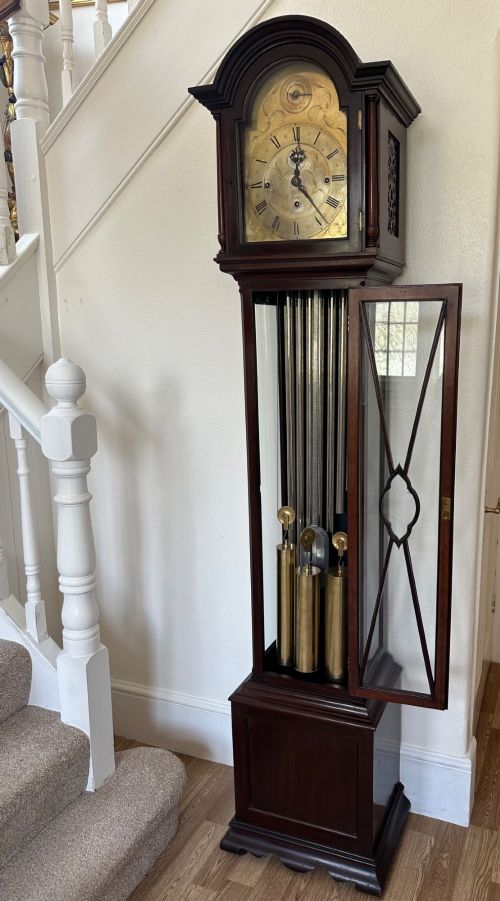
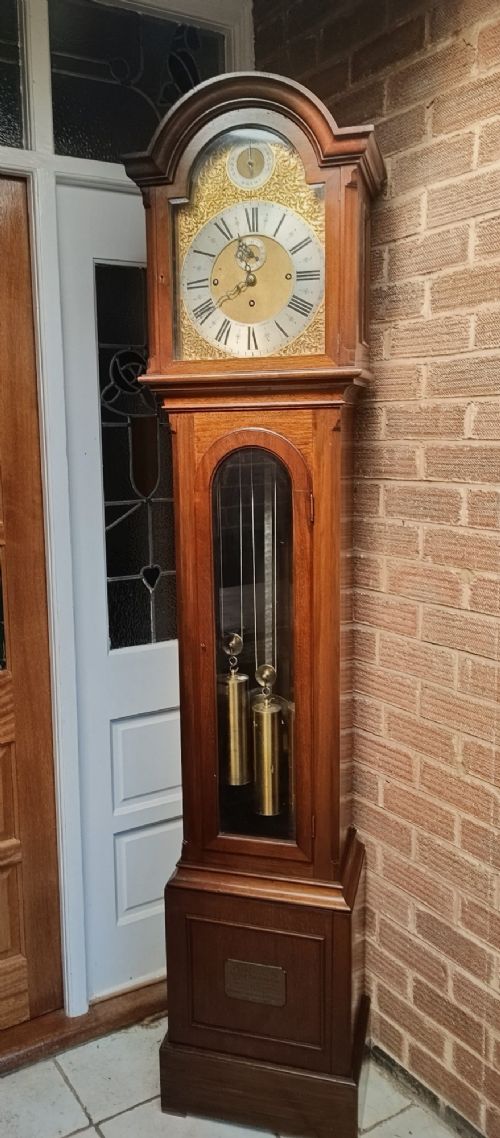
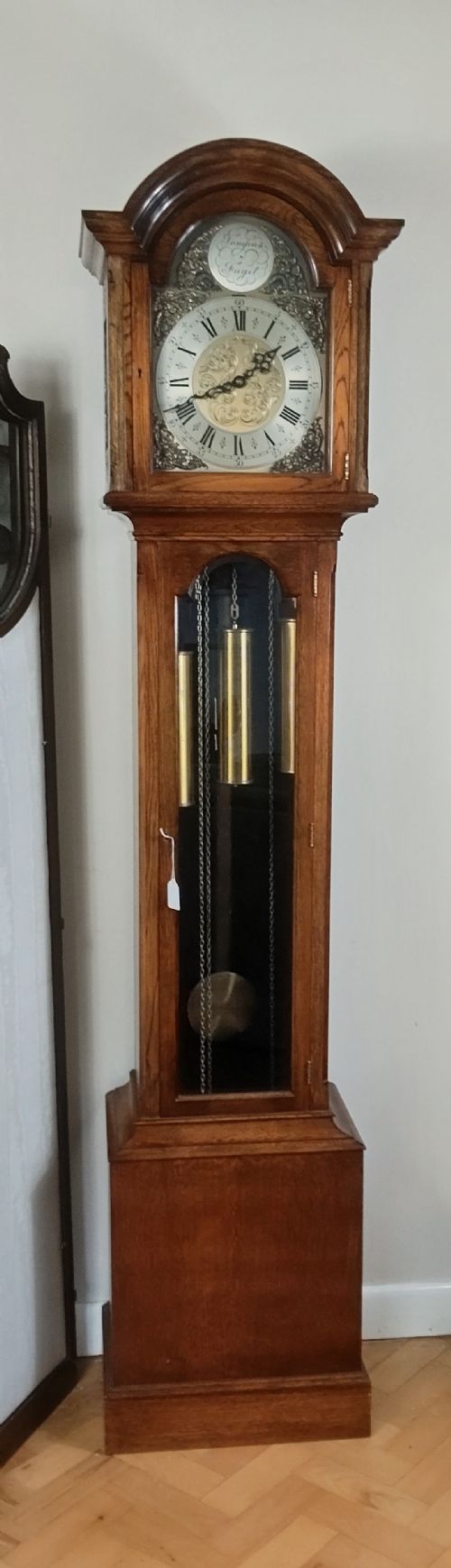
Dial faces combined brass, silvered chapter rings, and glass panels to protect the hands and expose the pendulum and weights within the trunk.
Some models include a chime-silent lever so the household could sleep undisturbed while the clock kept perfect time in the dark.
Quality and craftsmanship
Superior examples distinguish themselves through the complexity and tonal quality of their movements, such as nine-tube chimes or multi-tune mechanisms produced by reputable makers.
Cabinetwork quality sets the better pieces apart, evidenced by figured veneers, astragal glazing bars, and carefully carved mouldings rather than plain or utilitarian timber construction.
Gillett and Johnston·Winsor Bishop Norwich·Elliott·Bravingtons·Enfield·Harrods·Lister and Sons·Camerer Cuss and Co
The Chime Longcase Grandfather Clock Glossary
- Grandmother clock
- A smaller version of the traditional longcase clock, typically standing shorter in height while retaining a full weight-driven movement. These compact pieces suit rooms with lower ceilings.
- Three train movement
- A clock movement with three separate gear trains powering the timekeeping, the hour strike, and the chiming melody. This setup allows the clock to play Westminster or other multi-tune chimes.
- Tubular bell
- Metal tubes suspended inside the clock case that are struck by hammers to produce deep, resonant chime notes. They are typically found in larger, higher-grade musical movements.
- Astragal glazed door
- A glass door divided into smaller panes by wooden framing strips known as astragals. This style allows a clear view of the swinging pendulum and hanging weights.
- Chime silent dial
- A small auxiliary dial on the clock face allowing the owner to disengage the musical mechanism at night. It provides a practical control over the acoustic output of the movement.
Chime Longcase Grandfather Clock: Frequently Asked Questions
How do I wind a chime longcase clock?
Winding involves using a key or pulling the chains and cords to draw up the heavy driving weights inside the trunk. Care must be taken not to overwind the springs or pull weights past their upper limit.
Different trains control the time, strike, and chime separately, meaning all weights or arbours require attention to keep the mechanism fully operational.
Where should I place a grandfather clock?
These tall floor clocks require a stable, dry interior wall away from direct sunlight, central heating vents, and heavy vibrations. A level floor is essential for the pendulum to beat evenly.
Because the cases often exceed six feet in height, adequate vertical clearance and secure wall anchoring protect the tall timber structure from tipping.
How do I know what period a clock is?
Dating relies on examining the casework style, dial ornamentation, and movement signatures. Edwardian and 1920s examples often feature clean architectural lines or revival styles like Jacobean and Queen Anne.
Maker signatures engraved on brass dials or stamped onto movement plates provide definitive clues to the manufacturing decade and workshop origin.
What is the difference between a grandfather and a grandmother clock?
The primary distinction lies in height and proportions, with grandmother clocks built on a smaller, more slender scale than traditional grandfather clocks. Both utilise similar weight-driven or spring-driven movements.
Grandmother clocks became particularly popular during the early twentieth century as a space-saving alternative for smaller rooms without sacrificing mechanical complexity.