



1930s Wooden Clock
A 1930s wooden clock brings geometric warmth and mechanical character to a mantel or wall, combining period style with dependable daily timekeeping.
1930s Wooden Clock
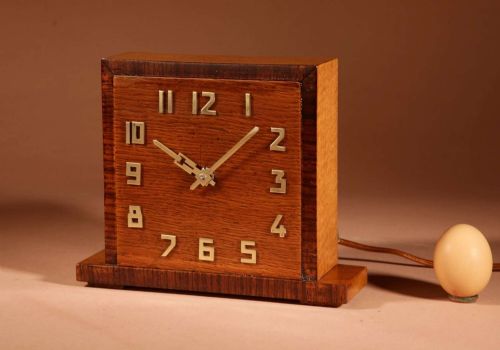
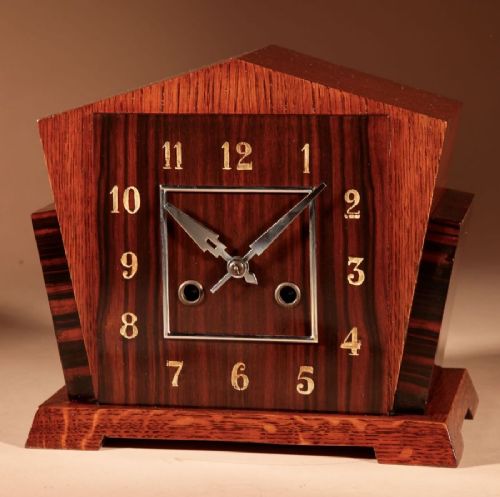
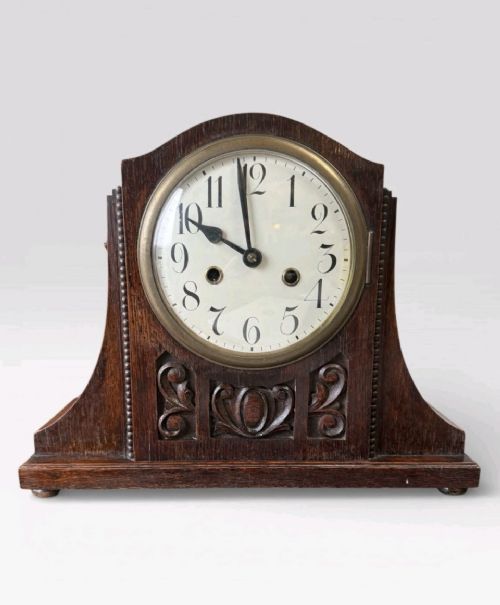
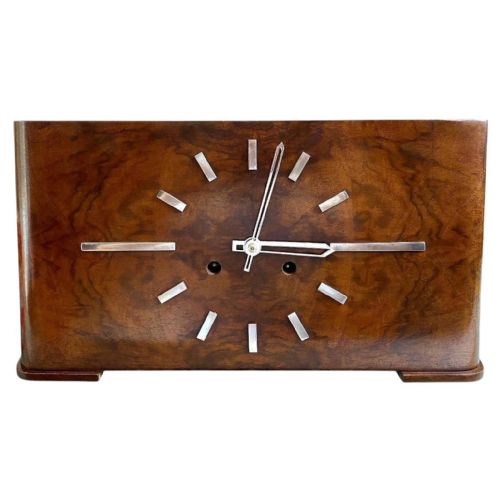
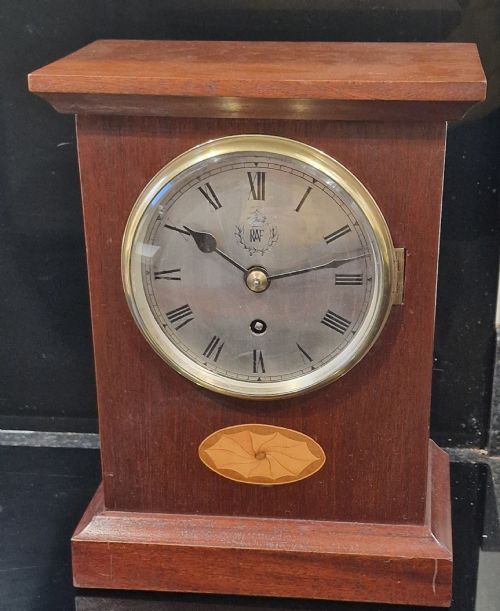
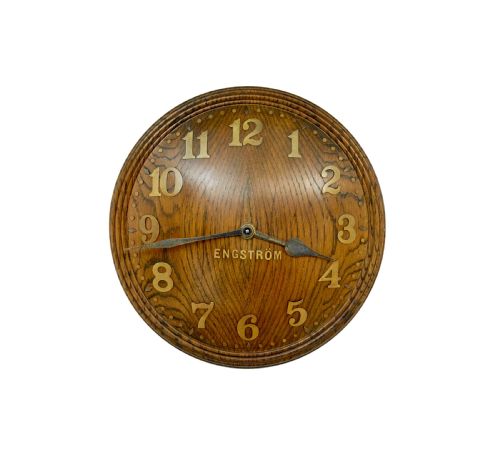
A 1930s wooden clock most commonly appears as a mantel clock or wall clock shaped by the design movements of the interwar period. These pieces span mantle clocks for domestic spaces and larger wall-mounted timepieces, including regulated designs and military mess clocks.
The dominant aesthetic draws heavily from Art Deco and Amsterdam School traditions, favouring clean geometric lines, stepped cases, and architectural silhouettes. English and continental workshops produced these objects across the 1920s to the 1940s, capturing a transition from ornate historical revivals toward modernism.
Buyers will encounter wall clocks alongside mantel pieces, featuring striking or chiming mechanisms housed in substantial timber cases. The selection reflects both domestic timekeeping needs and specific institutional contexts such as officers' messes.
Distinctions in Quality
The selection of timber and veneer creates a primary distinction between pieces, where figured walnut or contrasting exotic woods demonstrate greater care in material sourcing. Simple golden oak cases contrast with intricate two-tone geometric marquetry and multi-layered woodwork.
Maker attribution elevates certain examples, with established firms like Haller, Elliott, Perivale, and Junghans providing documented mechanical reliability and refined case architecture. Signed movements and branded dials distinguish standard production from notable workshop outputs.
The harmony of the design elements, from the proportion of the wooden housing to the execution of the metal bezels and glass faces, determines the overall visual success of the clock.
Listings feature oak, walnut, and mahogany timbers alongside chrome and brass fittings across multiple decades.
Haller·Elliott·Zenith·Perivale·Bravingtons Ltd of London·Junghans·Pfeilkreuz Junghans
The 1930s Wooden Clock Glossary
- Mantel clock
- A portable clock designed to sit on a fireplace mantel or shelf. These pieces rely on flat bases and compact wooden cases for stability.
- Wall clock
- A timepiece designed to be hung directly on a vertical surface. They often feature prominent octagonal or circular wooden frames.
- Veneer
- A thin layer of superior wood adhered to a base timber to create decorative grain patterns. Walnut veneer appears frequently on interwar clock cases.
- Striking clock
- A timepiece that rings a bell or gong to indicate the hours or half-hours. These mechanical systems require periodic winding.
- Amsterdam School
- An architectural and design style originating in the Netherlands. It emphasises rounded brickwork, organic forms, and expressive timber use seen in period clocks.
1930s Wooden Clock: Frequently Asked Questions
How do I wind a mechanical 1930s clock?
Most mechanical models utilise an 8-day movement requiring a key to tension the internal springs once a week. Insert the key gently into the winding holes on the dial and turn clockwise until you feel resistance.
Avoid overwinding the springs, as this can damage the internal gear train. Consult the specific mechanism type to ensure proper care during operation.
Are these clocks suitable for daily use?
These timepieces function well for daily timekeeping when properly serviced and placed in a stable environment. Mechanical and electrical variants keep reliable time if their internal components remain clean and lubricated.
Keep wooden cases away from direct heat sources and radical humidity changes to protect the veneer and movement integrity.
How do I distinguish Art Deco from Georgian Revival styles?
Art Deco pieces display geometric symmetry, stepped wooden cases, and contrasting veneers like macassar ebony or walnut. They embrace modern industrial lines rather than historical ornament.
Georgian Revival models lean on traditional classical motifs, curved pediments, and darker solid timbers without the modernist abstraction typical of interwar design.
What maintenance do wooden clock cases need?
Wooden cases require minimal intervention, benefiting mainly from occasional dusting with a soft, dry cloth. Avoid using modern aerosol polishes that can build up a residue on delicate veneers.
Maintain a stable indoor climate to prevent the wood from drying out or the glue beneath the veneer from failing over time.