



White Porcelain Sculpture
White porcelain sculpture brings eighteenth-century courtly theatre straight to your mantelpiece through brilliant white hard-paste figures.
White Porcelain Sculpture
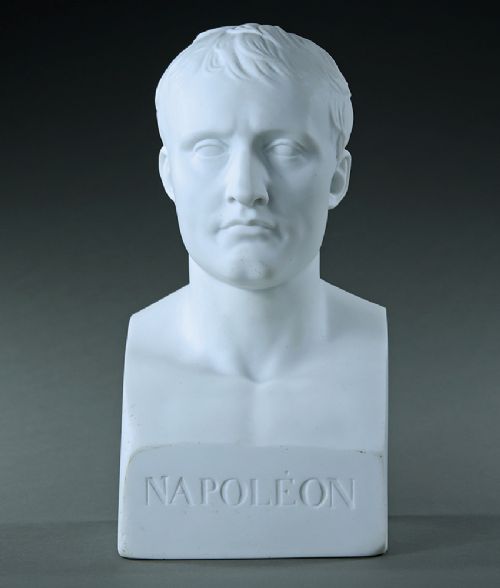
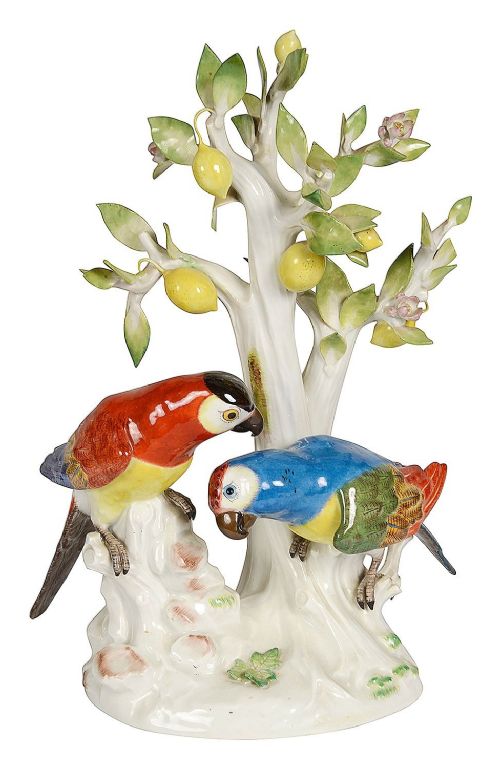
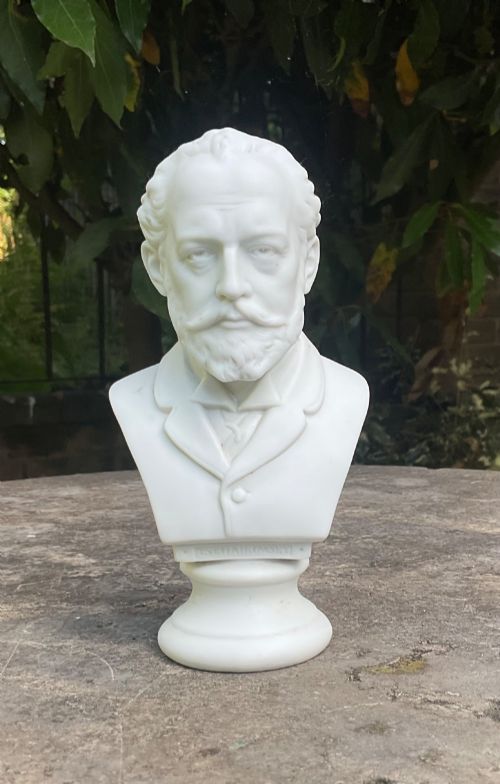
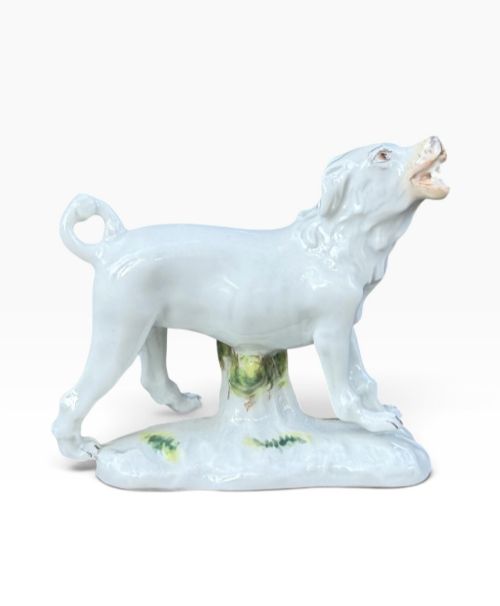
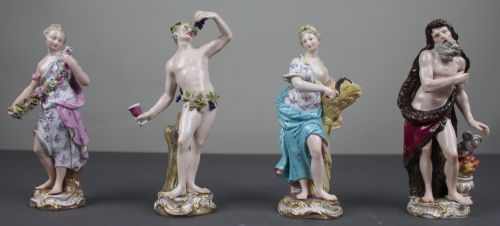
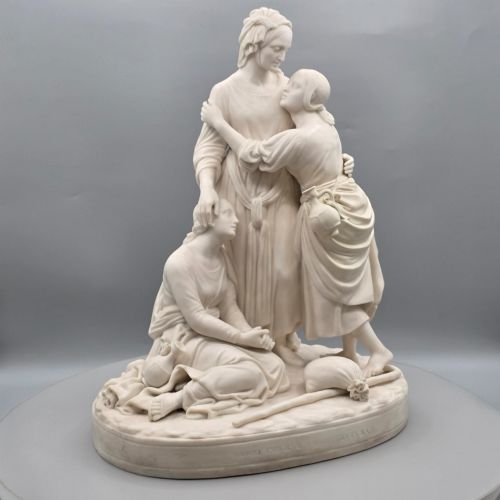
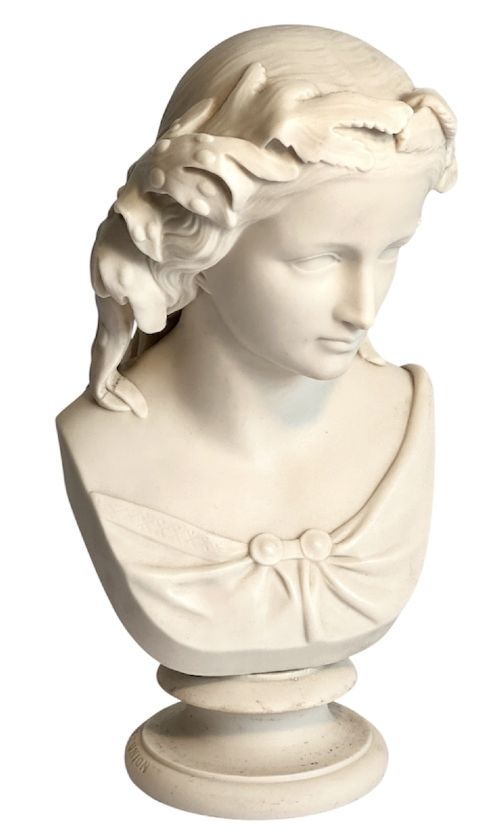
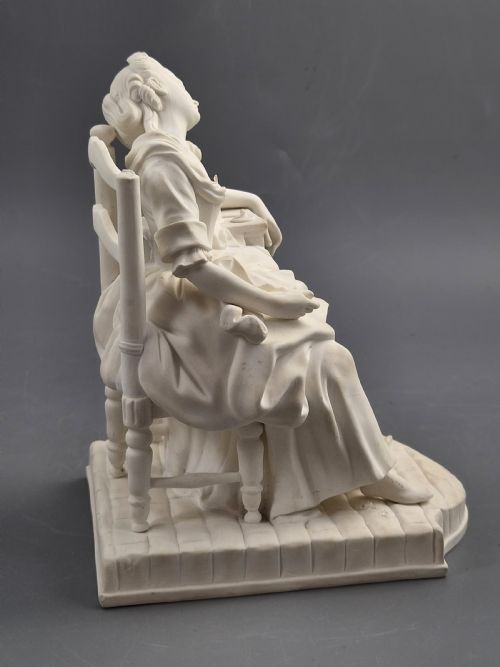
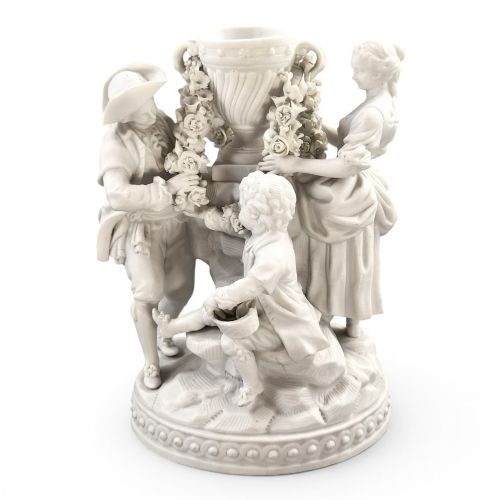
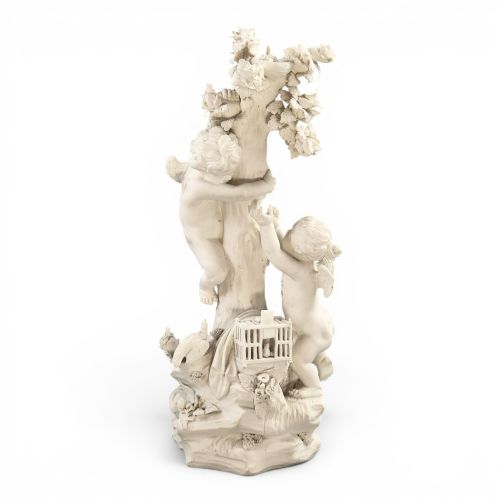
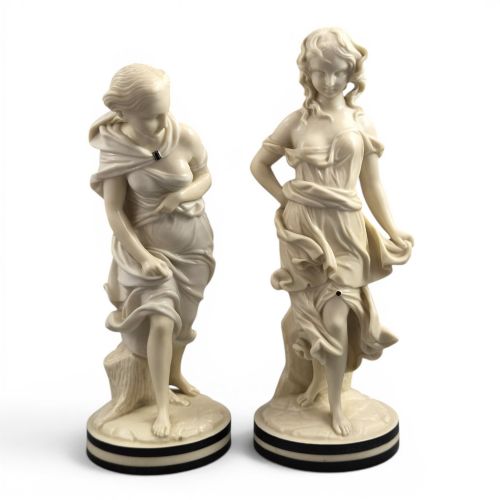
When you search for white porcelain sculpture, you encounter decorative figurines originating from the nineteenth century in the Rococo Revival style. These sculptural objects capture theatrical narratives and mythological groups rendered entirely in brilliant white ceramic paste.
The single piece currently available on this page takes the form of a decorative figurine group depicting the Drunken Silenus. Such groups translate dynamic pictorial compositions into three-dimensional ceramic form with great theatrical flair.
Materials and manufacture
These pieces utilise hard-paste porcelain, a dense ceramic compound fired at exceptionally high temperatures to achieve a vitrified, durable body. This material allows for crisp modelling and sharp relief in complex figurative compositions.
Selected details receive embellishment through the application of enamel colours and gold leaf to heighten focal points. The combination of pure white surfaces with subtle gilding creates striking visual contrast across the modelled drapery and limbs.
Drunken Silenus figures bring cheerful mythological revelry to your room, complete with unsteady companions and plenty of historical drama.
Assessing quality and execution
Quality in these sculptural groups rests upon the crispness of the mould and the vitality of the hand-finishing work after casting. Finer examples retain sharp facial expressions and deep undercut drapery folds that weaker copies lose.
The integration of enamel and gold leaf accents distinguishes superior pieces from simpler monochromatic versions. Precision in the application of these finishing touches dictates the overall artistic success of the object.
The White Porcelain Sculpture Glossary
- Hard-paste porcelain
- A vitrified ceramic body composed of kaolin and petuntse fired at very high temperatures. This substance produces a brilliant white surface that resists scratching.
- Rococo Revival
- A nineteenth-century design movement resurrecting the flowing curves, asymmetrical compositions, and playful motifs of the mid-eighteenth century. It dominates the ornamentation of these figural groups.
- Enamel
- A glass-based colouring agent fused to the porcelain surface during a secondary low-temperature firing. It provides vibrant, permanent hues for clothing and decorative details.
- Gold leaf
- Extremely thin gold beaten into sheets and applied to specific areas of the porcelain. This metal foil catches ambient light to accentuate sculptural relief.
White Porcelain Sculpture: Frequently Asked Questions
What is a white porcelain sculpture?
A white porcelain sculpture is a decorative figurine or figural group modelled from hard-paste ceramic paste. These pieces often depict mythological or theatrical scenes in the Rococo Revival style.
Created during the nineteenth century, they serve as ornamental centrepieces that bring historical ceramic artistry into domestic spaces.
How were these figures displayed historically?
These sculptural groups historically occupied prominent positions on dining tables as sugar works replacements or adorned mantelpieces in formal reception rooms. Their intricate modelling invited close inspection by guests during social gatherings.
Today, they function best on secure tabletops or within glass-fronted cabinets where their fine details remain protected from accidental damage.
How do I identify the Rococo Revival style?
The Rococo Revival style reveals itself through swirling scrollwork, asymmetrical compositions, and theatrical subject matter. Figures in this style often display dramatic poses and fluttering drapery.
Nineteenth-century makers frequently reinterpreted earlier eighteenth-century models using these ornate, energetic design principles.
Are these figures glazed all over?
Most hard-paste porcelain figures feature a transparent glaze over the entire white body to seal the ceramic surface. This glaze gives the porcelain its characteristic smooth, reflective sheen.
Certain areas may remain unglazed, known as biscuit porcelain, though glazed surfaces predominate in the recorded examples.