



Mythological Porcelain Statue
A mythological porcelain statue brings classical deities and figures into domestic interiors, capturing centuries of ceramic artistry through timeless pantheon narratives.
Mythological Porcelain Statue
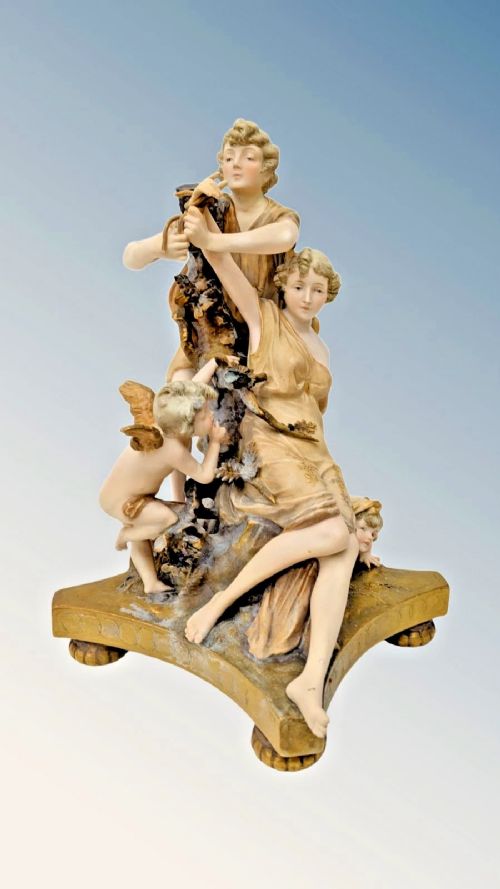
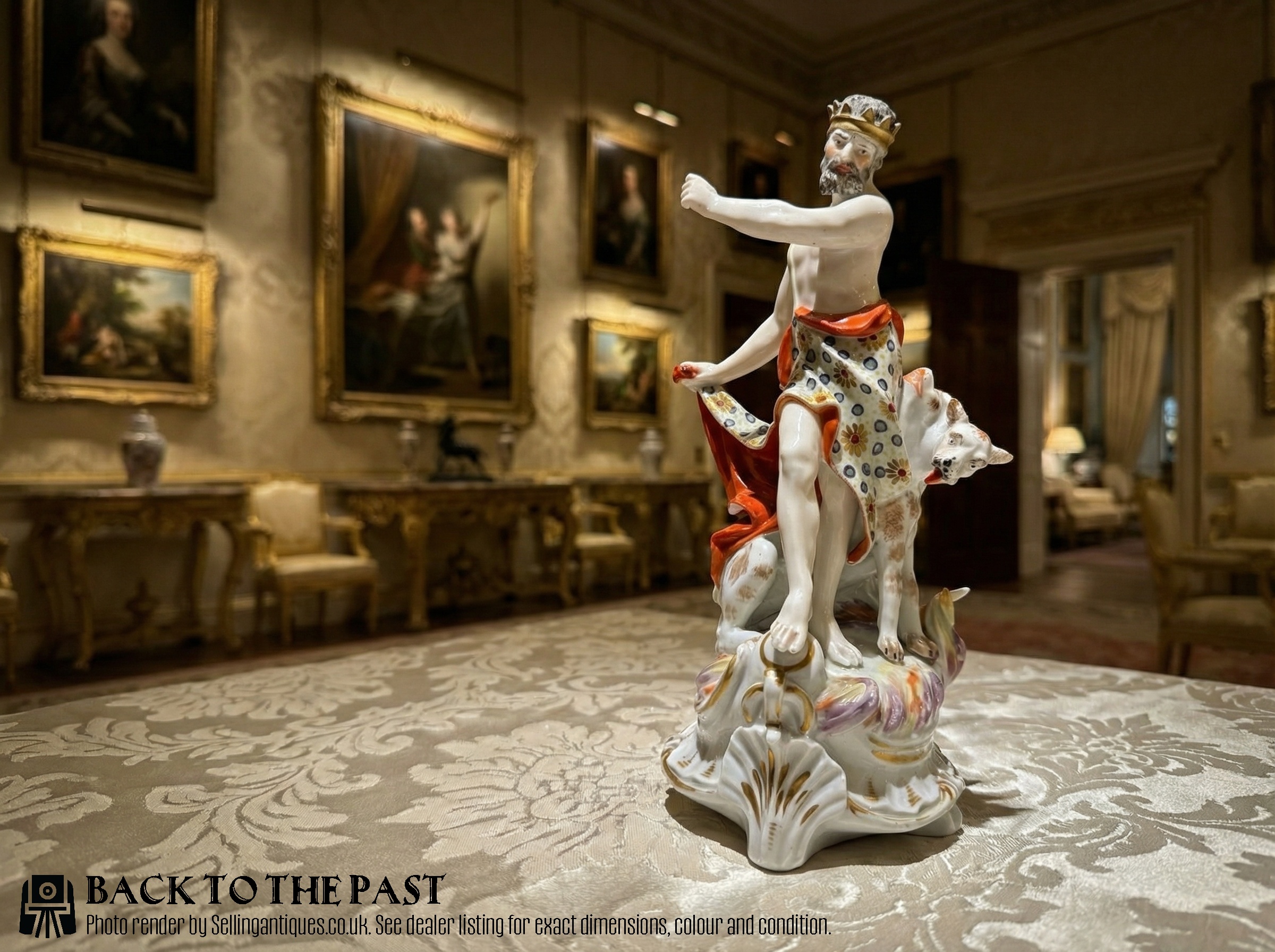
When buyers search for a mythological porcelain statue, they encounter figurative sculptures modelled after figures from classical antiquity, including deities like Diana, Neptune, Jupiter, and Bacchus. The selection on this page is dominated by eighteenth and nineteenth-century examples, spanning periods from the Georgian and Victorian eras down to nineteen ten.
Most pieces take the form of individual figurines or sculptural groups, often depicting named characters such as Juno, Pluto, Cerberus, and Silenus. These works range from single standing deities to complex multi-figure groups capturing narrative scenes from classical mythology.
The origins of these figures trace to major European porcelain works and revival styles, drawing heavily upon Georgian Rococo, French Rococo Revival, and Neoclassical design vocabularies. Buyers will frequently meet Derby, Meissen, Chelsea, and Royal Worcester productions among the available forms.
How they were made
The physical construction of these sculptures relies upon hard-paste and soft-paste porcelain, modelled and fired before receiving detailed enamel painting. Many pieces incorporate supplementary embellishments such as gold leaf, parcel-gilt highlights, and applied gilt accents to accentuate garments and attributes.
Makers utilised specialised moulding techniques to achieve complex sculptural groupings, supporting multi-figure compositions like satyrs, tritons, and mythological couples. Subsequent hand-painting fixed the polychrome enamels and metallic details onto the porcelain body through additional kiln firings.
Even ancient sea monsters required careful kiln placement to ensure their tails survived the fiery transformation.
What varies in quality
Quality in these porcelain figures rests primarily upon the crispness of the modelling and the precision of the facial expressions and anatomical details. Superior examples retain fine definition in hair, drapery, and mythological attributes without softening of the underlying ceramic form during firing.
The application of enamel colours and gilding distinguishes workshop output, separating standard production pieces from masterworks with intricate hand-painted palettes and rich parcel-gilt detailing. The sophistication of the base composition and the complexity of multi-figure groupings also mark the upper tiers of the range.
Samson Paris·Ernst Wallace·Royal Crown Derby·William Duesbury Co·Royal Dux·James Hadley·Royal Worcester·Meissen
The Mythological Porcelain Statue Glossary
- Hard-paste porcelain
- A dense, durable ceramic composed of kaolin and petuntse, fired at very high temperatures. It became the standard body for many European factories during the eighteenth and nineteenth centuries.
- Soft-paste porcelain
- An artificial porcelain body using glass frits and white clay, fired at lower temperatures than hard-paste. It yields a warmer, softer glaze appearance characteristic of earlier English factories.
- Parcel-gilt
- A decorative treatment where only specific sections of a piece are highlighted with gold leaf or gilding. This technique draws the eye to particular garments, crowns, or attributes on a figure.
- Gold Anchor
- A factory mark used by the Chelsea porcelain works during the seventeen fifties and sixties. It denotes a specific period of refined paste composition and ambitious sculptural output.
Mythological Porcelain Statue: Frequently Asked Questions
How do I identify eighteenth century figures?
Eighteenth century figures often display the softer paste bodies, characteristic glaze pooling, and early factory marks associated with the period. Examining the modelling style and underglaze characteristics helps distinguish them from later nineteenth century revivals.
Makers from this era, such as Chelsea and early Derby, utilised specific palette combinations and potting techniques that evolved significantly by the Victorian period.
What subjects are most common?
The most frequent subjects draw directly from classical mythology, featuring Olympian deities such as Diana, Neptune, Jupiter, and Pluto. Figures of bacchantes, satyrs, and tritons also appear regularly in sculptural groups.
These narratives provided makers with rich opportunities to portray dynamic movement, classical drapery, and symbolic attributes within a single ceramic composition.
How do I care for antique porcelain?
Antique porcelain requires gentle dusting with a soft, dry brush to prevent the accumulation of particles on delicate enamel and gilt surfaces. Avoid using liquid cleaners or abrasive cloths, which can damage hand-painted details.
Display the pieces away from direct sunlight and areas subject to sudden temperature fluctuations to preserve the stability of the porcelain body and glazes.
What is the difference between hard and soft paste?
Hard-paste porcelain is fired at higher temperatures, resulting in a vitrified, highly durable body that resists scratching. Soft-paste porcelain contains glass frit components and fires at lower heats, producing a softer visual depth beneath the glaze.
Collectors often examine the translucency and fracture characteristics under magnification to differentiate between the two formulations used by various historic factories.