


Neoclassical Portrait Bust
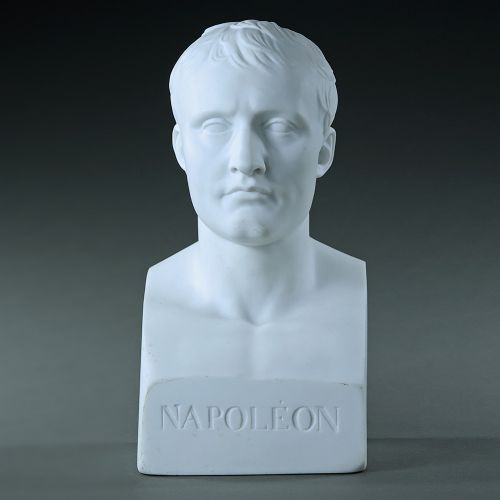
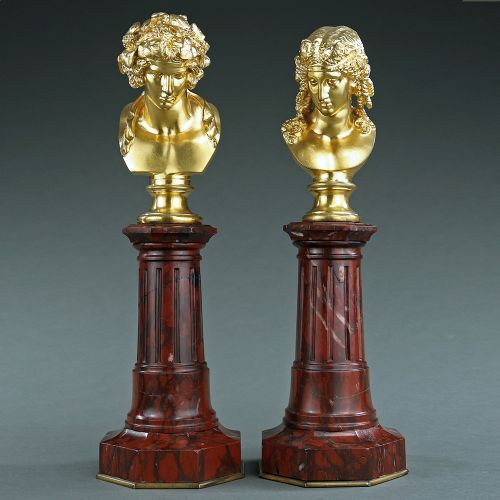
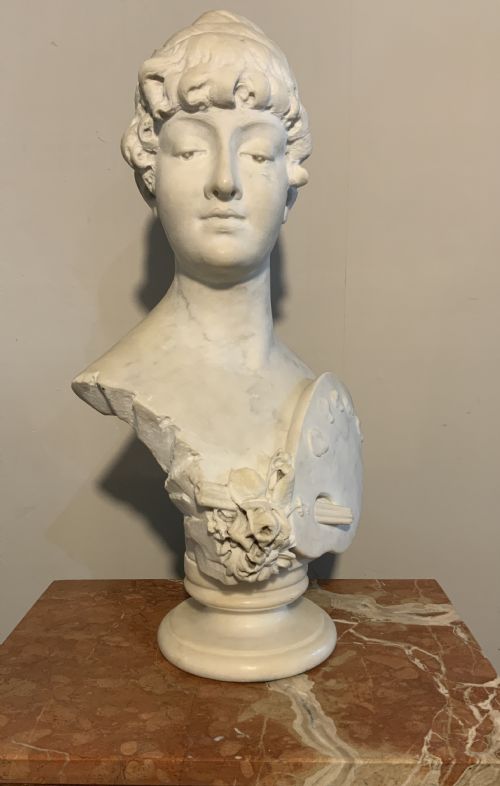
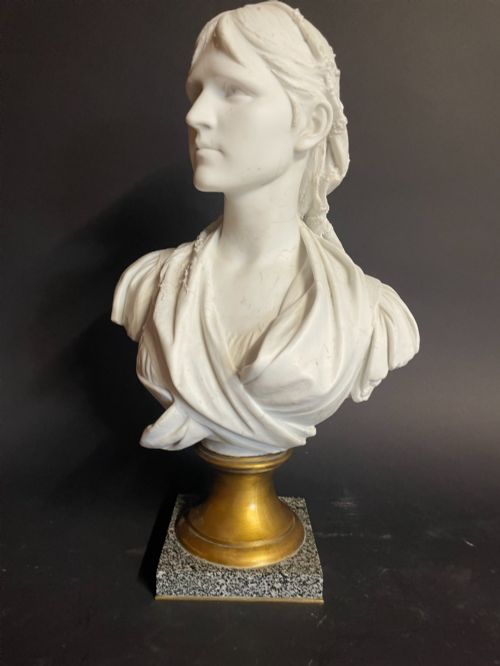
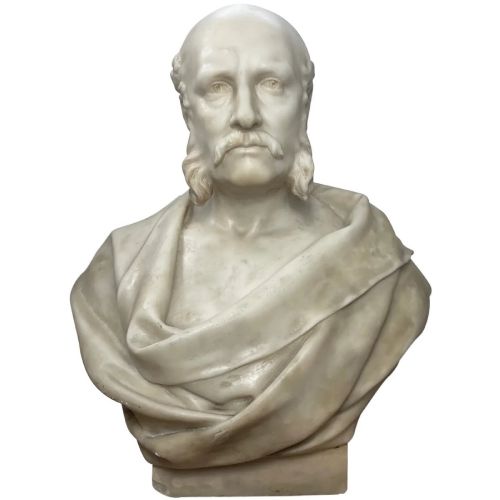
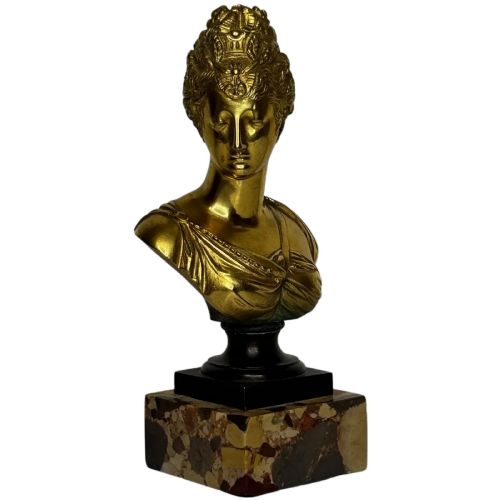
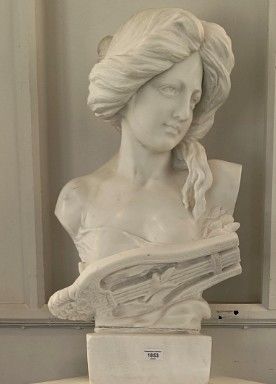
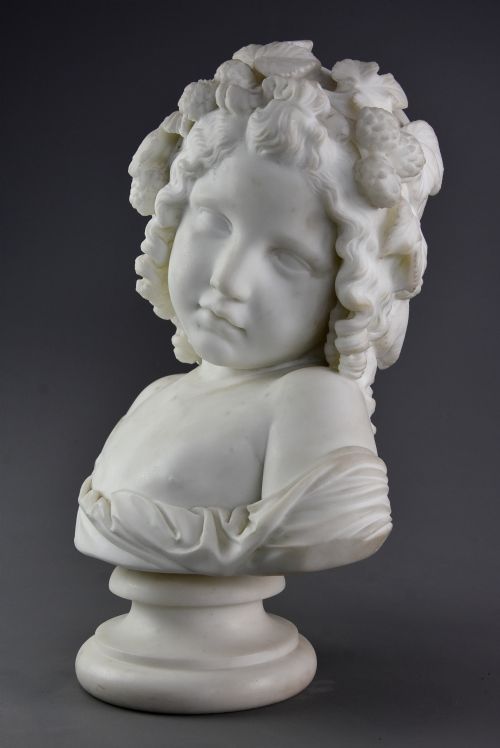
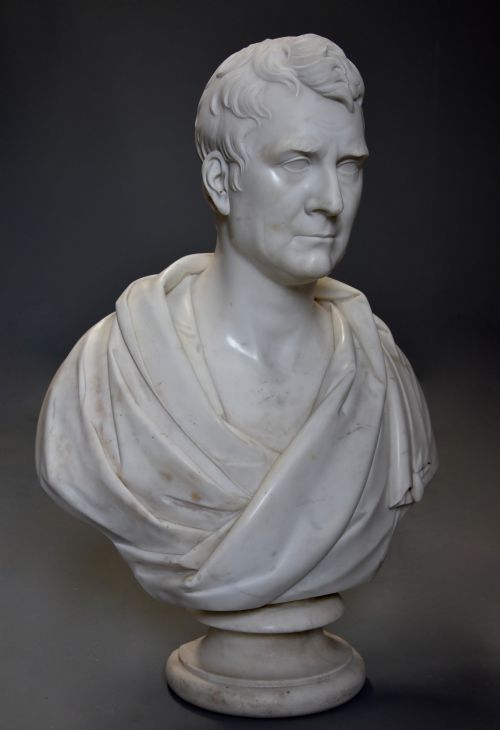
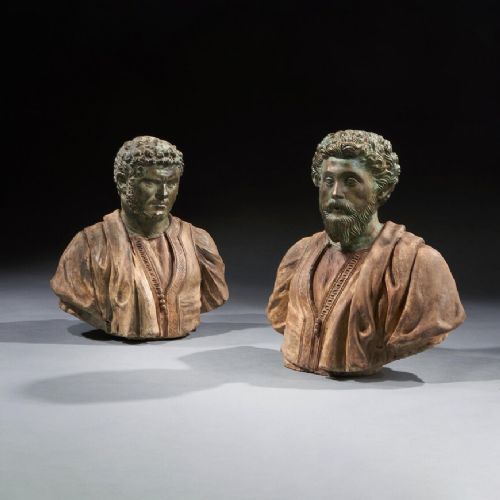
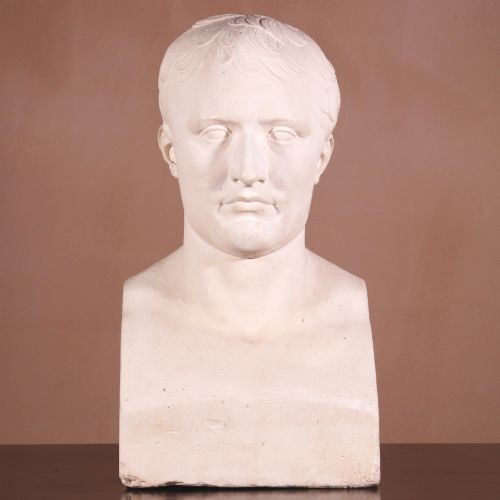
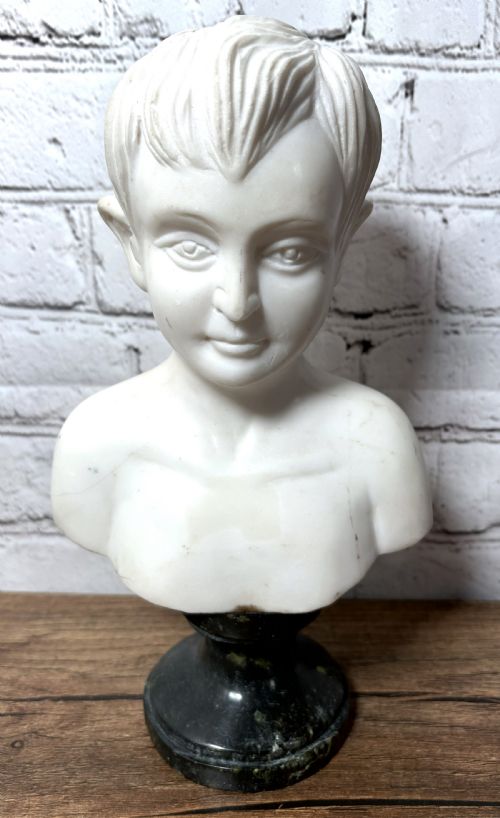
These pieces are neoclassical portrait bust examples bringing classical figures and historical personalities into domestic spaces through carved marble, bronze, and plaster.
Neoclassical Portrait Bust
A neoclassical portrait bust represents historical figures, mythological deities, Roman emperors, and private sitters rendered in the sculptural traditions of antiquity. These works take the form of freestanding library figures, monumental civic portraits, and small Grand Tour souvenirs designed for desktop placement.
The versions most commonly met on this page originate from the eighteenth, nineteenth, and early twentieth centuries, drawing heavily on French Empire, Victorian Neoclassical, and Grand Tour aesthetics. Subjects range from classical muses and Caesars to named politicians and unknown women, often sculpted after ancient models.
Makers and workshops across Britain, France, and Italy produced these sculptures to satisfy a steady demand for classical learning and interior decoration. Buyers encounter everything from white Carrara marble library pieces to patinated bronze casts and moulded plaster busts resting on integral socles.
Materials and Technique
Carved marble and cast bronze dominate the medium, with Carrara marble favoured for its fine grain and ability to mimic ancient statuary. Sculptors also utilised terracotta, plaster, alabaster, stone, and cast iron, sometimes mounting the metal or ceramic busts upon contrasting marble or stone bases.
Execution relied on traditional modeling, hand-carving, and foundry casting techniques, often reproducing famous classical antiquities seen on the Grand Tour. Surface patination on bronzes, terracottas, and plasters adds depth, while signed pieces demonstrate the direct hand of established sculptors and foundries.
Materials span white marble, Carrara marble, bronze, plaster, terracotta, stone, alabaster, and cast iron across various forms.
Assessing Quality
The choice of material dictates the visual weight and finish, with solid Carrara marble and chased bronze representing the upper tier of production. Signatures from recognised sculptors or known foundries elevate a piece, separating workshop stock from individual artistic achievement.
Houdon·J Francis·Mathurin Moreau
The Neoclassical Portrait Bust Glossary
- Grand Tour
- A nineteenth-century educational journey through Europe undertaken by young gentry to collect art and antiquities. These travels generated a steady demand for bronze and marble souvenir busts.
- Carrara marble
- A type of white or blue-grey marble from the city of Carrara in Tuscany, widely used for neoclassical sculpture because of its fine and uniform grain.
- Socle
- A short plinth or pedestal supporting a bust. It provides structural stability and visually separates the portrait from the desk or shelf.
- Patination
- The surface finish or colour developed on bronze, terracotta, or wood over time or through chemical treatment. It enhances sculptural detail and depth.
- Intaglio
- A gem or stone carved with a design depressed below the surface, allowing it to produce an impression when pressed into sealing wax.
Neoclassical Portrait Bust: Frequently Asked Questions
What periods do these busts cover?
The listings span from the eighteenth century through the nineteenth century up to the early twentieth century. Most examples date from the Victorian and Grand Tour eras.
Production reflects revivals of classical taste, utilising nineteenth-century manufacturing alongside earlier eighteenth-century traditions.
Which materials are most common?
White marble, Carrara marble, bronze, and plaster appear most frequently among the sculptures. Terracotta, stone, alabaster, and cast iron also occur.
Busts often incorporate multiple materials, pairing metal or ceramic portraits with marble pedestals.
Who are the typical subjects portrayed?
Subjects include Roman emperors, Greek philosophers, mythological figures, and literary heroes. Named historical figures and private sitters also appear.
Common representations feature rulers like Julius Caesar, Napoleon, and various classical poets and muses.
How were these sculptures displayed originally?
Smaller pieces served as library decorations, cabinet ornaments, and desktop studies. Larger monumental works occupied public civic spaces and grand hallways.
Grand Tour souvenirs allowed travellers to display their classical education within domestic British interiors.