






Classical Ceramic Bust
A classical ceramic bust brings ancient poise into a room through moulded clay or unglazed porcelain.
Classical Ceramic Bust
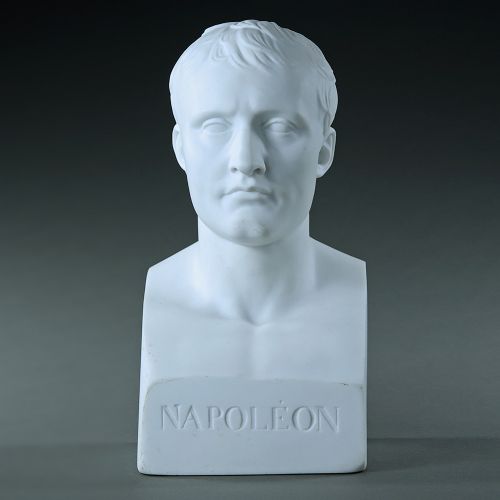
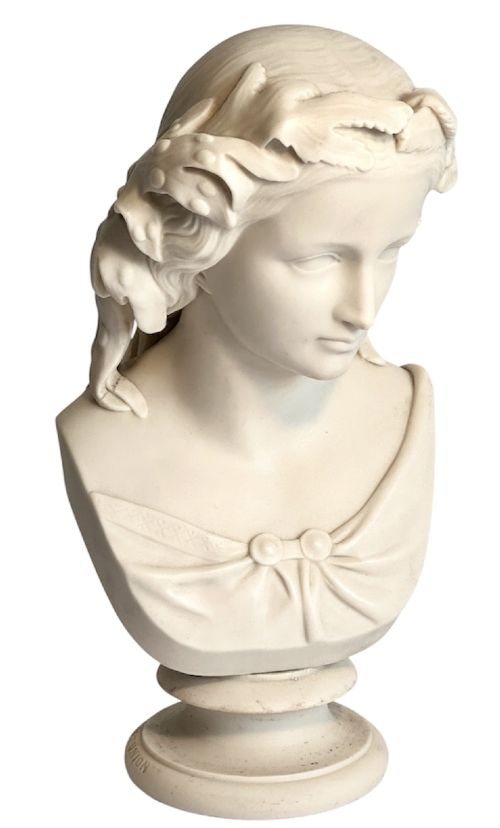
A classical ceramic bust represents historical, mythological, or royal subjects shaped in materials ranging from terracotta to parian porcelain. When searching for a classical ceramic bust, buyers encounter sculptural works spanning the nineteenth and twentieth centuries.
The selections on this page draw heavily from nineteenth-century European studios, featuring neoclassical subjects and Renaissance revival figures. Makers frequently rendered these pieces after famous sculptors, producing reduced studies of notable subjects in porcelain and earthenware.
Formats vary from modest cabinet figures to larger scale decorative works inscribed with studio names or model titles. Many pieces adopt distinct stylistic markers from the Victorian era, early twentieth century, and mid-century Italian production.
Assessing quality and finish
The choice of body material and surface application dictates the visual depth of the sculpture. Finely formulated parian porcelain exhibits a marble-like translucency, whereas carefully patinated terracotta displays controlled pigment distribution across the modelled surface.
Classical Ceramic Bust Retail Price Guide 2026
Typical asking prices for classical ceramic bust among the pieces listed under this phrase on Sellingantiques today, from the lower quarter to the upper quarter. They describe what is for sale here now, not the wider market.
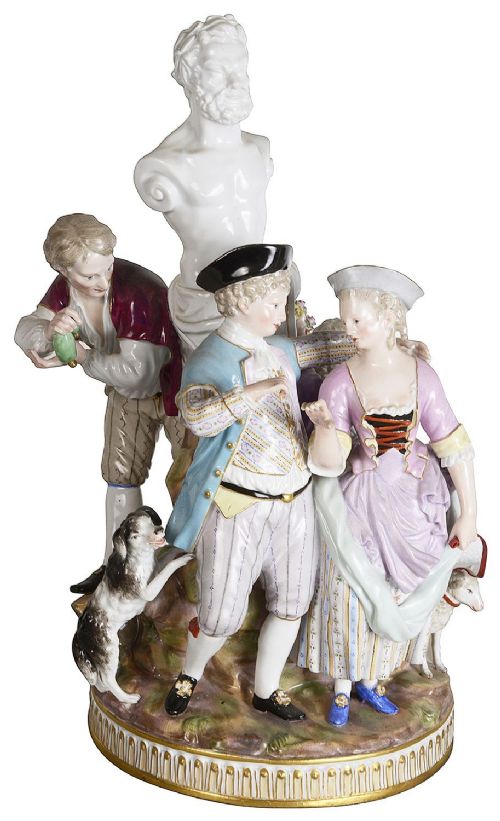
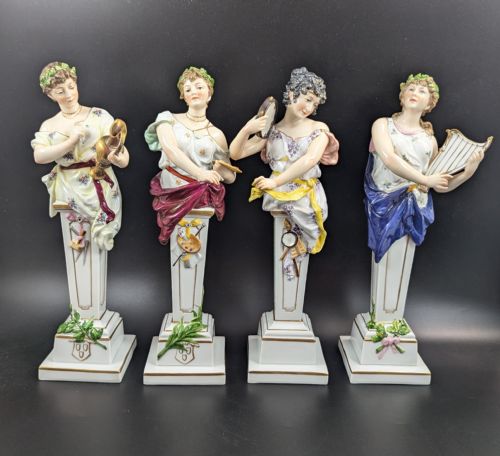
Several ladies gaze sternly past their plinths while accompanied by unexpected companions like panthers or historical figures.
Sèvres·Copeland·Meissen·Achille Mollica·Goldscheider
The Classical Ceramic Bust Glossary
- Parian ware
- A fine-grained, unglazed porcelain developed in the nineteenth century to imitate white marble. It fires to a smooth, matte finish well suited for portrait sculpture.
- Bisque porcelain
- Unglazed white porcelain that has undergone a single firing to achieve a porous, matte texture. It was frequently used for portrait busts to capture delicate skin tones.
- Terracotta
- Fired red or buff earthenware used for sculptural studies. It is often left unglazed or finished with paint and patination to mimic bronze.
- Neoclassical
- A style drawing inspiration from the art and culture of classical antiquity. It prioritises restrained elegance, balanced proportions, and historical or mythological subjects.
- Bust
- A sculpted representation of a person from the chest or shoulders up. This format focuses attention entirely on facial expression and likeness.
Classical Ceramic Bust: Frequently Asked Questions
What is a parian bust?
A parian bust is a portrait sculpture cast in unglazed parian porcelain to resemble carved white marble. This material became popular during the nineteenth century for producing affordable cabinet-sized works of art.
Such pieces often reproduce famous antique sculptures or public figures of the era. Their matte surface absorbs light evenly, highlighting the modelled details of hair and drapery.
Are these busts solid or hollow?
Most ceramic and porcelain busts are cast as hollow forms to ensure even firing in the kiln. Slip is poured into a mould and drained once the outer layer begins to harden.
Larger terracotta examples may feature thick walls for structural stability, while parian and bisque figures are lighter and thinner. This hollow construction prevents cracking during high-temperature firing.
How do I date a nineteenth-century bust?
Dating relies on maker marks, impressed studio numbers, stylistic cues, and the specific type of ceramic body used. Nineteenth-century pieces frequently bear factory stamps or registration ciphers beneath the base.
Subject matter also provides a guide, as historical figures and literary heroines cycled through popular taste during the Victorian period. Examining the quality of the finishing work helps distinguish early castings from later reproductions.