



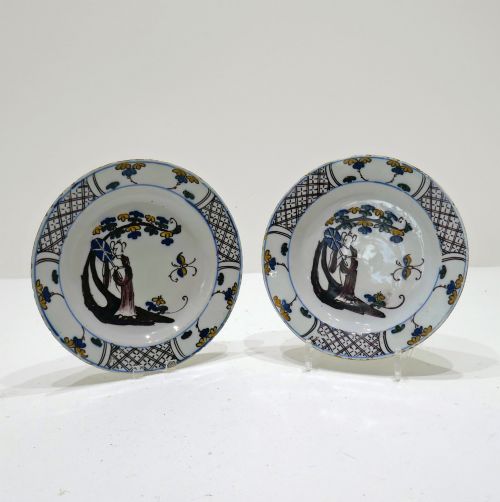
White Earthenware Plate
These white earthenware plate examples bridge centuries of domestic dining and display, offering tangible history for daily use.
White Earthenware Plate
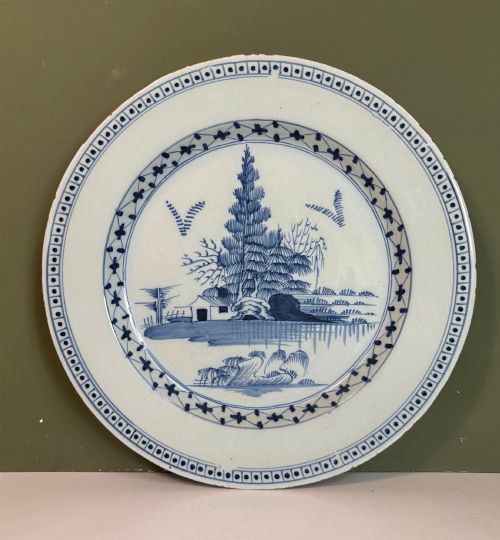
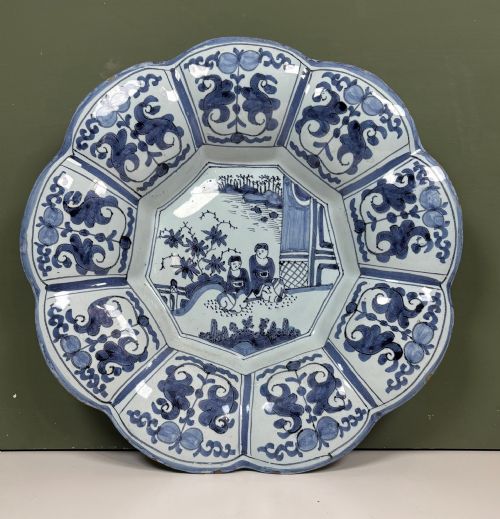
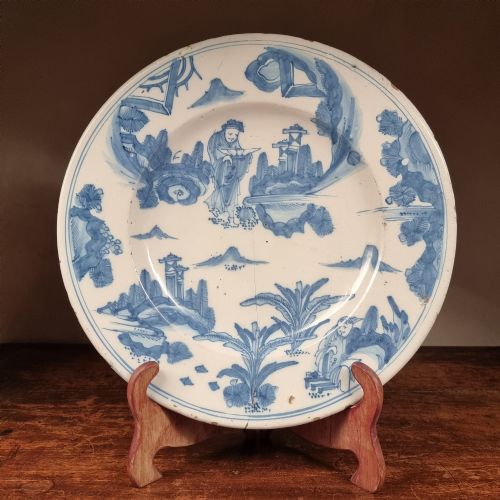
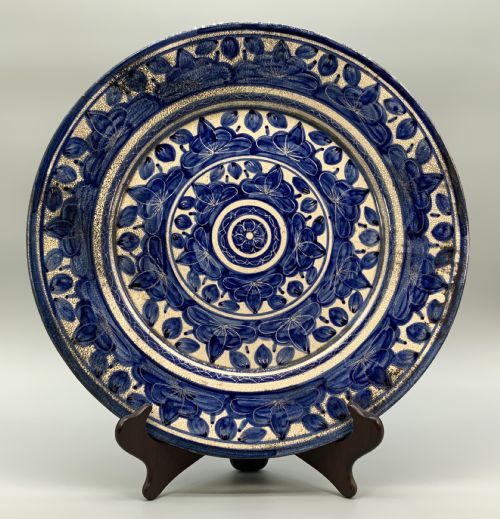
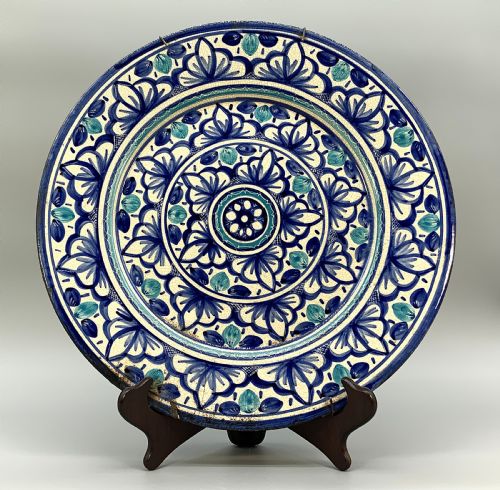
A white earthenware plate serves as a canvas for centuries of shifting domestic tastes, spanning from seventeenth-century charger formats down to Victorian transfer-printed service dishes. Buyers hunting this phrase encounter diverse forms, including large chargers, serving platters, and shallow bowls intended for table use or wall display.
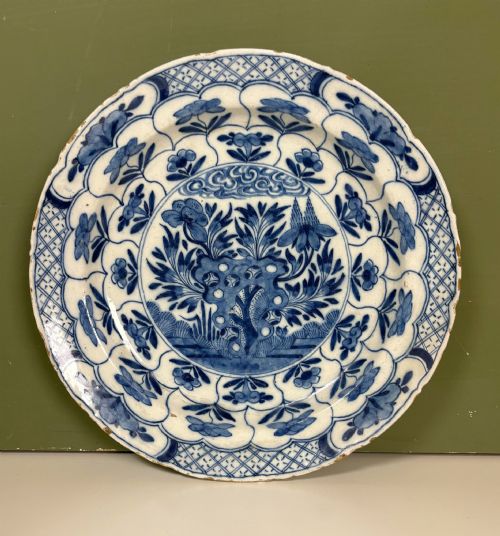
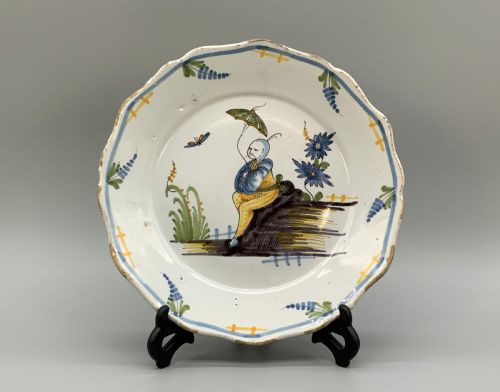
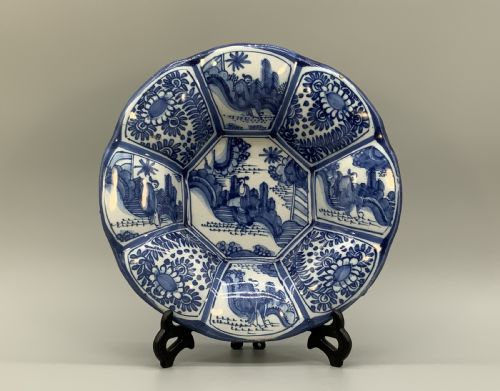
The material lineage extends across multiple eras, incorporating tin-glazed earthenware, pearlware, and standard ceramic bodies finished with opaque or translucent glazes. Production centres shift between English potteries like Spode and Davenport, alongside continental workshops producing delftware and faience.
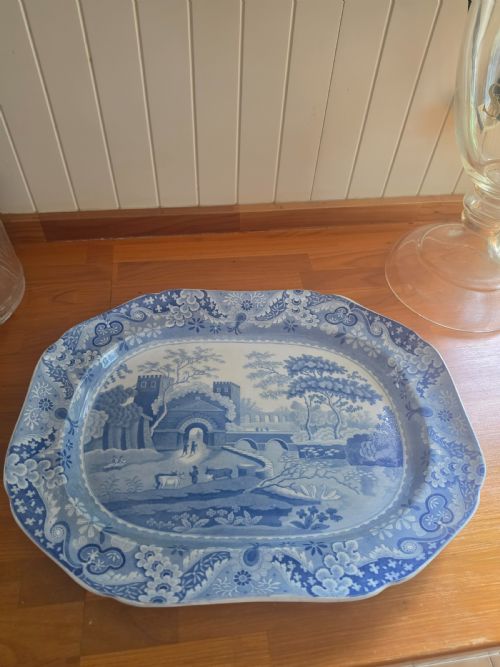
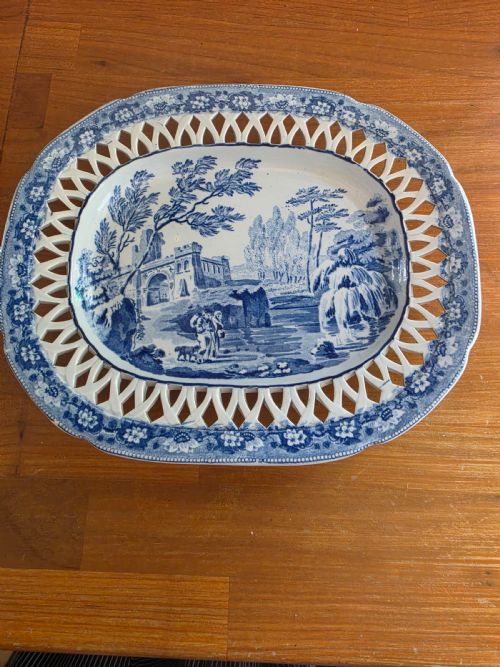
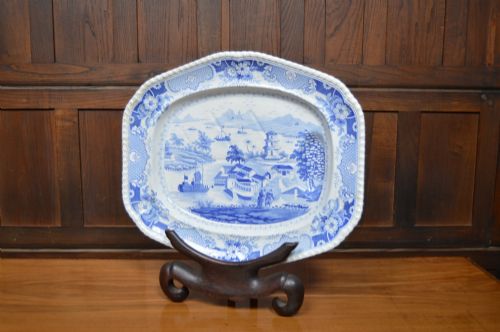
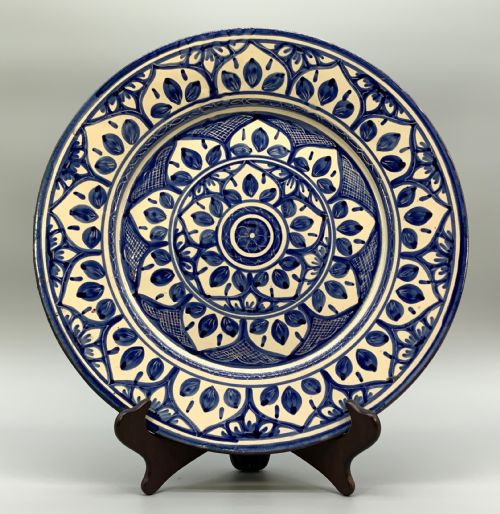
Most entries on this page display blue and white pigments, cobalt decoration, or polychrome enamel highlights applied over a pale ceramic base. Forms range from simple eighteenth-century dishes to nineteenth-century transferware bearing topographical and pictorial scenes.
Materials and construction methods
Potters built these items using earthenware clay bodies covered in glazes containing tin oxide to achieve an opaque white surface. Cobalt pigment or manganese was then painted directly onto the unfired glaze or transferred from engraved copper plates before final kiln firing.
Transfer printing revolutionised production during the Georgian and Victorian periods, allowing intricate scenes such as Gothic castles or oriental landscapes to be pressed onto the ceramic surface. Earlier pieces relied on hand-painted brushwork using cobalt oxide under transparent lead glazes or tin opacifications.
Current listings span periods from the seventeenth century through to the mid-twentieth century, featuring materials such as pearlware and tin-glazed earthenware.
Judging quality in earthenware plates
Quality rests upon the clarity of the transfer print or the confidence of the hand-painted brushwork applied to the white ground. Finer specimens display crisp outlines in cobalt pigment without blurring or running in the glaze, alongside balanced proportions in large chargers and platters.
The refinement of the underlying earthenware body also dictates grade, with earlier delftware and pearlware showing distinct throwing rings and glaze pooling on the reverse. Superior examples maintain stability during high-temperature firing, avoiding excessive warping or surface distortion across broad plates.
Spode·Davenport·John Rogers and Son·Stubbs·Minton
The White Earthenware Plate Glossary
- Charger
- A large decorative plate or dish, typically measuring over thirty centimetres across. These pieces often hung on walls or served grand meals in earlier centuries.
- Tin Glaze
- A ceramic glaze made opaque by the addition of tin oxide. This coating provides the bright white background characteristic of delftware and faience.
- Pearlware
- A refined earthenware developed in the late eighteenth century featuring a thin glaze with a slight bluish tint. It bridged the gap between creamware and later white ironstone.
- Transferware
- Pottery decorated by applying a printed paper design taken from an engraved copper plate onto the ceramic body. This technique emerged strongly during the Georgian era.
- Polychrome
- Decoration employing multiple colours rather than a single pigment like cobalt blue. These palettes often include yellow, manganese, and green enamel highlights.
White Earthenware Plate: Frequently Asked Questions
How do I display a large antique charger safely?
Large chargers and platters require specialised wall hangers with coated metal springs that distribute weight evenly across the rim. Ensure the mounting fixings anchor directly into solid masonry or wall studs rather than plaster alone.
For tabletop display, heavy wire or brass easels support the base while allowing the white earthenware plate to rest securely at a slight backward angle. Keep pieces away from direct sunlight and high-traffic areas where accidental knocks might occur.
What is the difference between delftware and standard earthenware?
Delftware employs a specific tin-glaze formula over an earthenware body to create an opaque white surface that mimics Chinese porcelain. This tradition flourished across seventeenth and eighteenth-century workshops in England, Holland, and Spain.
Standard earthenware plates often utilise simpler lead glazes or pearlware bodies without the heavy tin opacifier. Transfer-printed examples from later periods applied patterns over white earthenware rather than relying solely on tin opacification.
How do I tell an eighteenth-century plate from a Victorian copy?
Examination of the foot ring and glaze pooling on the reverse reveals much about the manufacturing period of a white earthenware plate. Earlier pieces often display kiln scars, stilt marks, and slight warping from primitive firing techniques.
Victorian transferware and later reproductions tend to exhibit mechanical precision in shape and a brighter, harder white ceramic body. Pigment depth and brushwork fluidity also distinguish hand-painted historical pieces from mass-produced transfer prints.