

White Ceramic Statue
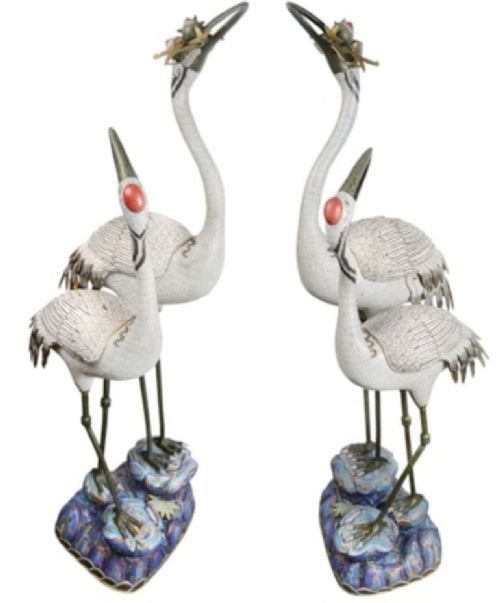
White ceramic statue selections bring historic figures and animals into rooms through porcelain, earthenware and bisque.
White Ceramic Statue
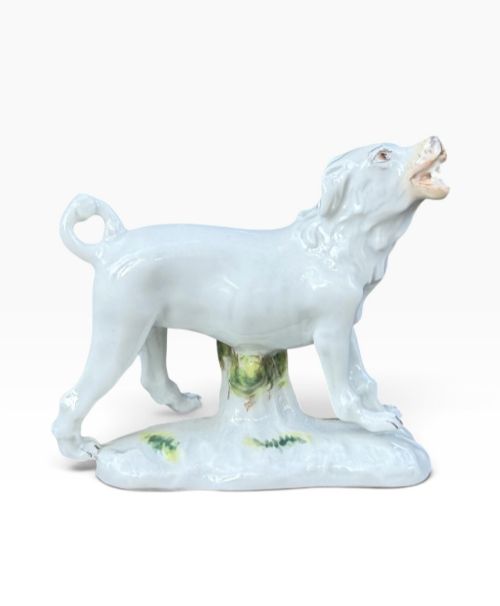
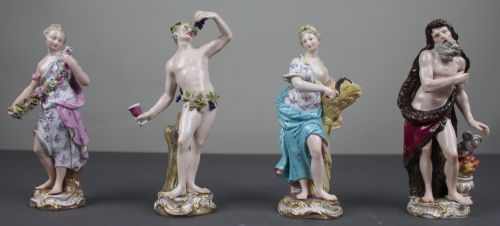
A white ceramic statue covers figures, animals and busts produced across the eighteenth, nineteenth and early twentieth centuries. These works include Staffordshire earthenware, parian porcelain and glazed ceramic bodies.
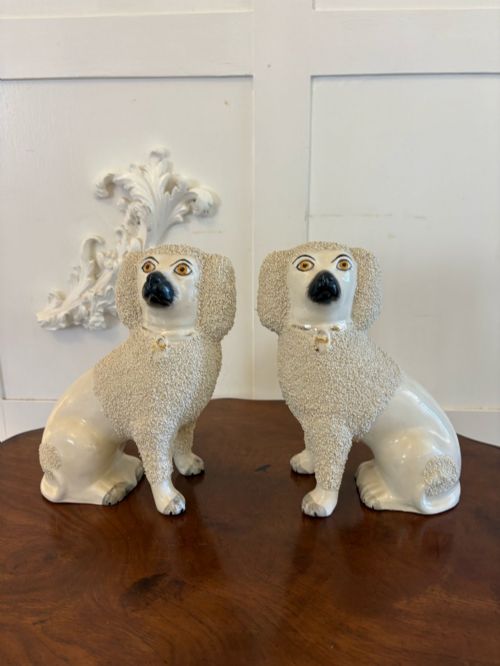
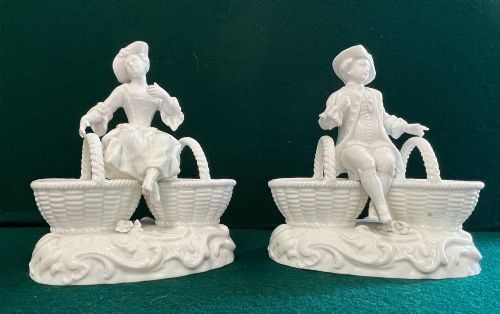
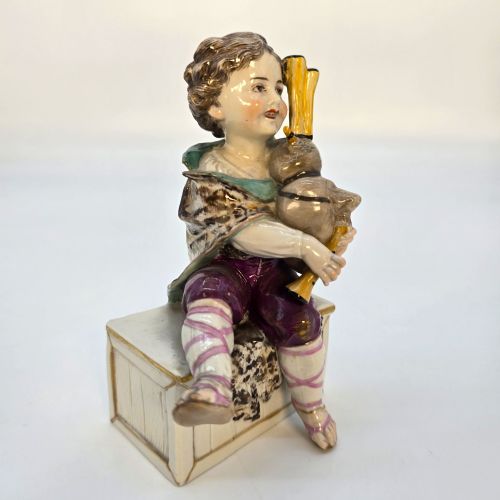
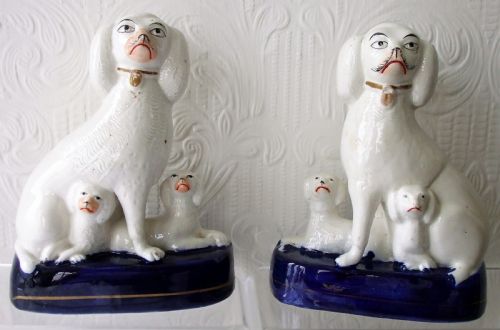
Makers shaped these pieces into portrait figures, mythological subjects, animals and allegorical groups. Victorian Staffordshire dogs and eighteenth century Derby figures appear frequently alongside continental porcelain works.
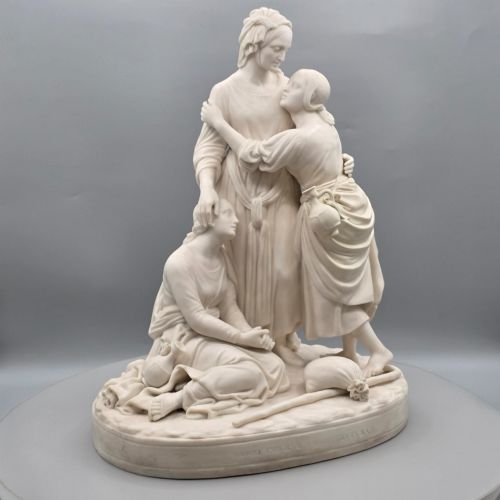
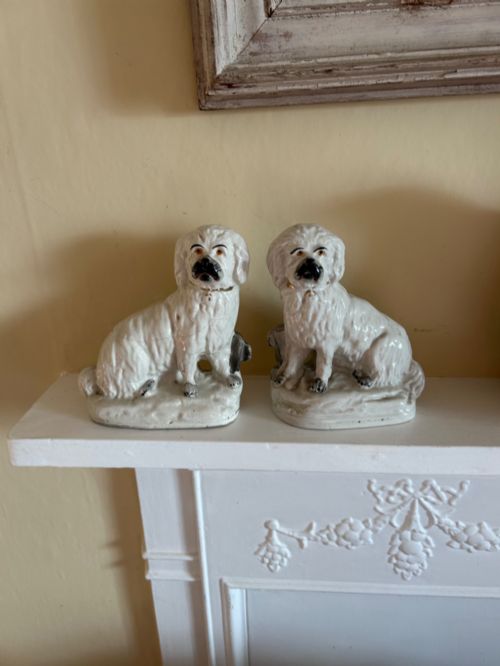
The term encompasses everything from earthenware poodles and portrait pairs to large parian studies and neoclassical groups. Each object reflects the prevailing sculptural tastes of its period, from Georgian pastoral scenes to Victorian Staffordshire pottery.
Materials and construction methods
Potters utilised earthenware, soft-paste and hard-paste porcelain, bisque porcelain and parian porcelain to build these sculptures. Many forms relied on moulded body parts joined together before firing and glazing.
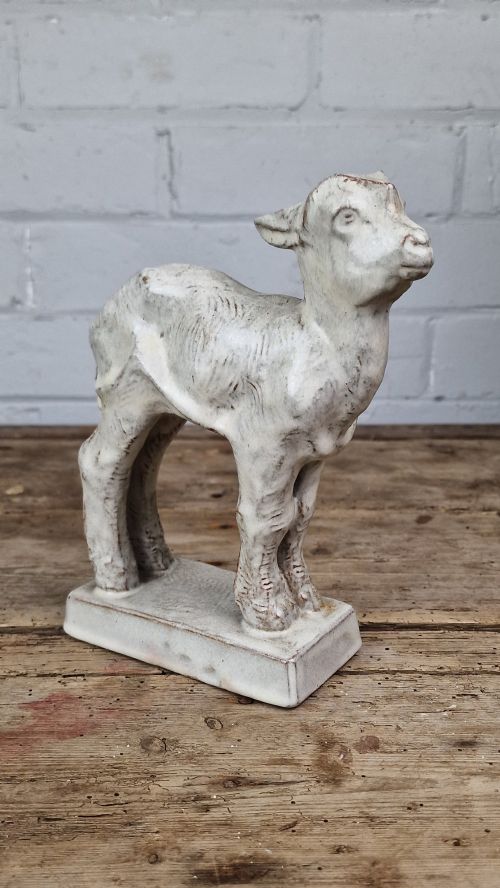
Glazes, enamels and gold leaf provided surface detail on pieces like Staffordshire figures and Dutch Delftware animals. Unglazed bisque and parian bodies depended entirely on the crispness of the initial mould and subsequent hand-finishing.
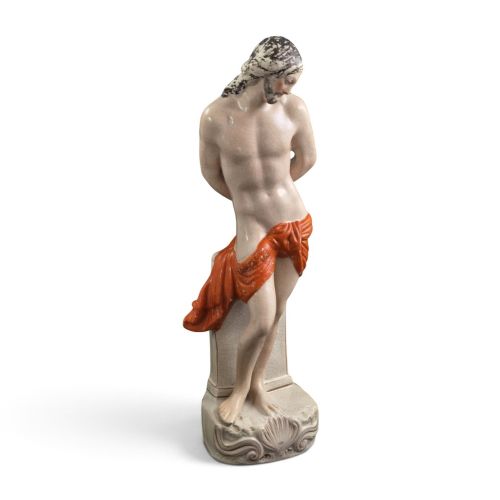
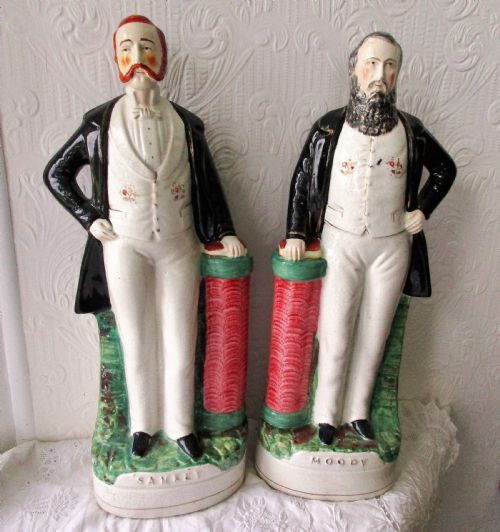
Staffordshire potters immortalised contemporary news, creating ceramic portrait figures of Victorian preachers and famous murderers alike.
Assessing quality in ceramic figures
Quality rests in the sharpness of the moulding and the delicacy of hand-modelled details like facial expressions, foliage and garments. Earlier figures often show greater crispness in the press-moulding process.
The application of enamel colours, gold leaf and glaze thickness alters the visual success of the finished piece. Finer examples maintain clean definition without pooling glaze that obscures fine relief work.
Meissen·Minton·Copeland·Volkstedt Rudolstadt Factory·Royal Worcester·Bow Porcelain·Derby Porcelain
The White Ceramic Statue Glossary
- Bisque porcelain
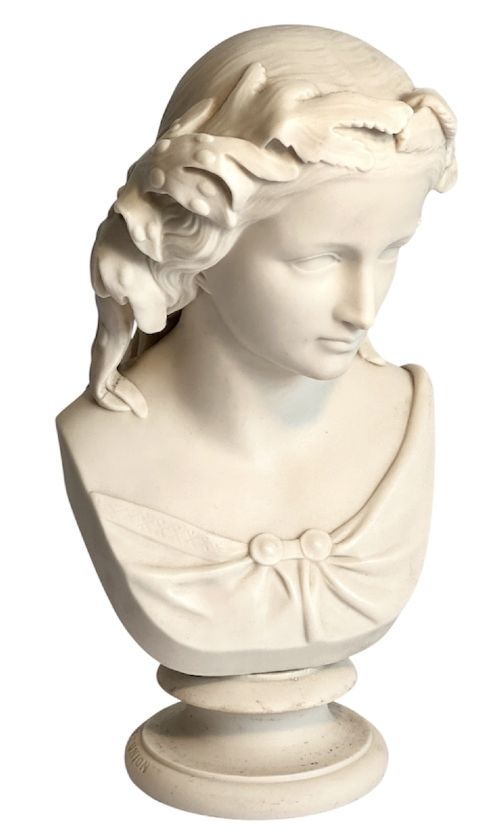
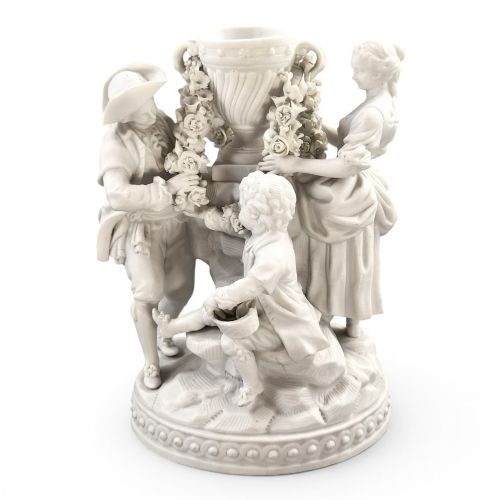
- Unglazed porcelain fired once to produce a matte, marble-like surface suitable for detailed sculptural work. This material gained immense popularity during the nineteenth century for portrait busts and classical studies.
- Parian porcelain
- A fine-grained white porcelain developed in the nineteenth century to imitate carved marble. It contains a high proportion of feldspar, which melts during firing to create a translucent finish.
- Earthenware
- Porous pottery fired at lower temperatures than porcelain and typically finished with an opaque lead glaze. Staffordshire potters utilised this material extensively for popular figures and animals.
- Neoclassical
- A style drawing inspiration from classical antiquity, prominent in eighteenth and nineteenth-century sculpture. Figures from this movement often depict mythological characters and heroic subjects.
White Ceramic Statue: Frequently Asked Questions
What is the difference between parian and bisque?
Parian porcelain contains specific feldspar proportions that vitrify during firing, producing a heavy, slightly translucent body resembling marble. Bisque porcelain remains porous and completely unglazed with a dry, matte texture.
Nineteenth-century manufacturers favoured parian for large classical busts and literary groups. Bisque appeared widely across continental and English factories for smaller decorative figures.
Where were Staffordshire figures displayed?
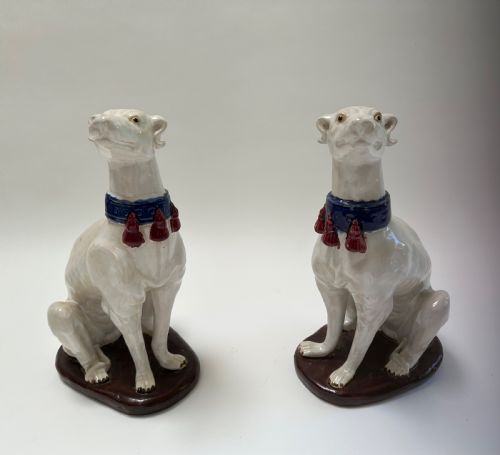
Victorian households placed earthenware figures on mantelpieces, chiffoniers and parlor tables as decorative ornaments. Pairs of dogs and portrait groups flanked clocks and filled display spaces in middle-class homes.
These accessible pottery pieces brought colour and narrative subjects into domestic interiors without requiring the expense of imported porcelain.
How can I date a ceramic figure?
Dating relies on body composition, glaze characteristics, factory marks and stylistic markers from specific art movements. Eighteenth-century pieces often show different potting techniques and softer paste bodies compared to Victorian output.
Subject matter and costume details provide further clues to the decade of manufacture. Comparing pieces to documented factory models helps narrow down the production era.